Can Oil Stocks Benefit from Rising Oil Prices?
The oil sector is known for experiencing significant market fluctuations as it is closely tied to commodities. In the latter half of 2023, production cuts by Saudi Arabia and Russia caused certain oil stock prices to soar, renewing many investors' interest in this industry.
Given these developments, many investors may be wondering if investing in energy companies is a smart choice. This article will explore potential investment opportunities and risks within the oil and gas industry.
What factors could affect oil prices?
Oil plays a vital role in powering transportation and generating electricity. Research shows that there is a significant positive correlation between global GDP growth and oil consumption. As such, fluctuations in oil prices can have far-reaching effects, both on investors and people worldwide.
However, the oil market operates as a seller's market, with oil prices heavily influenced by exporting countries like Saudi Arabia and Russia (OPEC+). This creates intense competition and instability within the industry, as OPEC+'s measures may conflict with the interests of listed companies in the sector. If OPEC announces significant production cuts, the oil market may experience supply-demand imbalances, causing oil prices to soar and potentially impacting oil stock prices.
To better understand how this works, it's important to briefly review the oil supply chain.
Classification of the oil industry
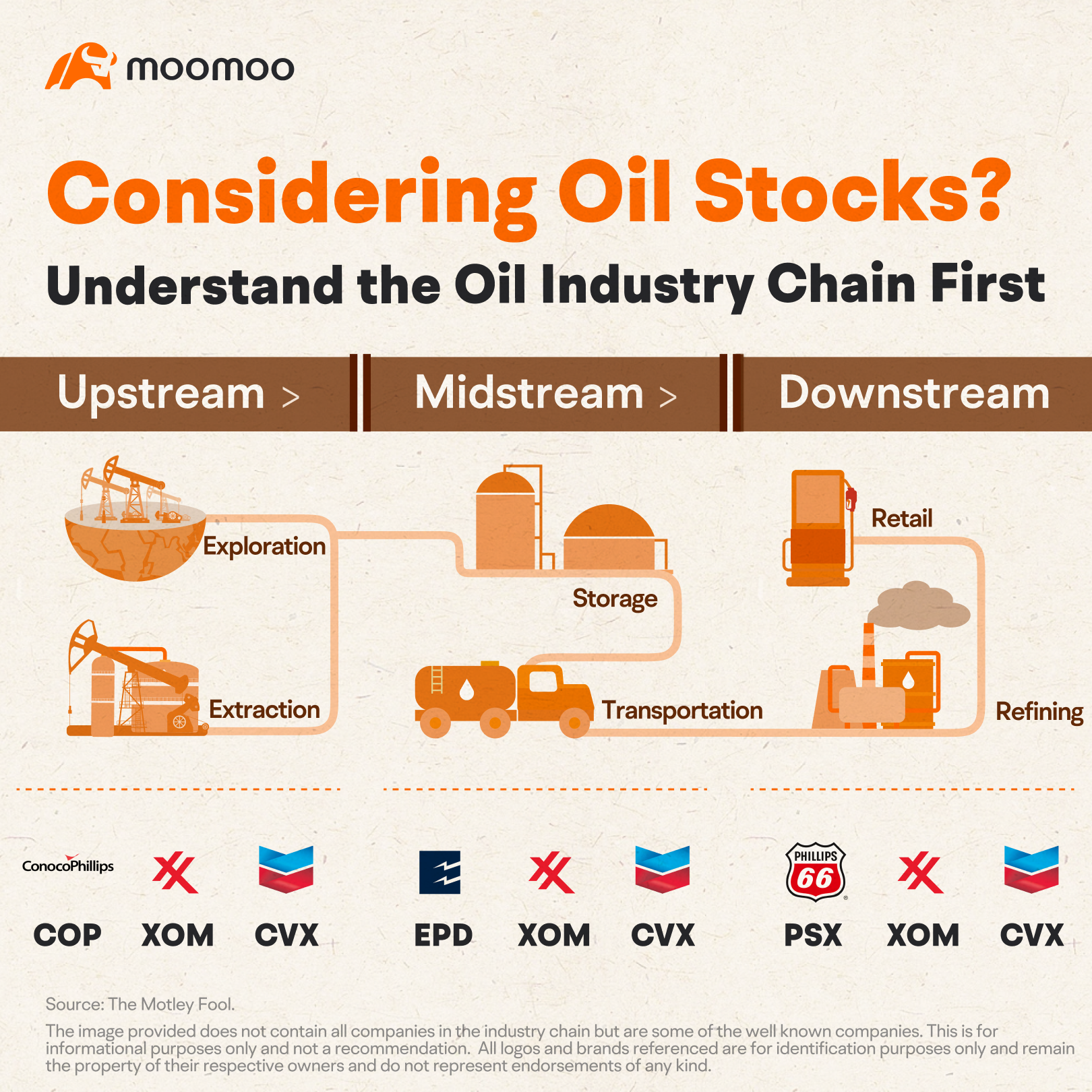
The oil supply chain can be divided into three categories:
Upstream: This includes exploration, drilling, and oil extraction, making it the most sensitive part of the industry chain to oil price fluctuations. ConocoPhillips (NYSE: COP) is the largest exploration and production company in the US, while Occidental Petroleum (NYSE: OXY), is another example that also belongs to the upstream segment of the supply chain.
Midstream: This segment deals with the transportation, processing, and storage of crude oil and other refined petroleum products. Midstream companies typically conduct business using fixed-rate, long-term contracts. Therefore, their profitability is less affected by oil price fluctuations. Enterprise Products Partners (NYSE: EPD) is one of the major midstream companies.
Downstream: This segment involves refining crude oil into fuel or selling refined products to consumers, which includes gas stations and refineries, and tends to be highly sensitive to shifts in oil prices. When oil prices drop, demand for refined products often falls, which can hit downstream companies hard. Phillips 66 (NYSE: PSX) is a major player on the downstream side.
Additionally, there are some publicly traded companies that integrate the divisions of the oil supply chain. ExxonMobil (NYSE: XOM) and Chevron (NYSE: CVX) are two well-known "Oil & Gas Integrated" giants in this sector.
Can oil stocks benefit from rising oil prices?
Oil prices are a key factor that can impact the stock prices of oil companies, and many investors, including Warren Buffett, keep an eye on ongoing fluctuations in oil prices.
In September 2023, the International Energy Agency announced that Saudi Arabia and Russia had decided to extend their oil production cuts until the end of 2023. This decision prompted predictions of a potential supply shortage for the remainder of the year. As a result, US crude oil prices rose above $90 per barrel, reaching their highest levels since November 2022.
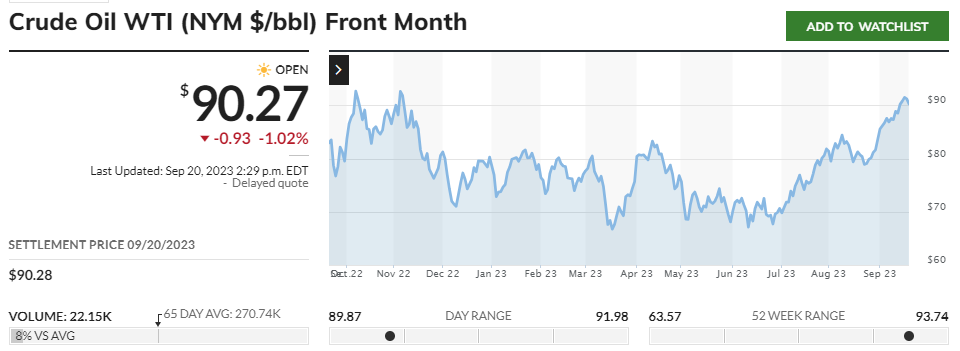
While some analysts are predicting that oil prices may exceed $100 per barrel in the coming months, it's important to conduct a thorough fundamental analysis of oil stocks before making investment decisions.
ExxonMobil and Chevron are both integrated oil giants with businesses covering the entire oil industry chain. They serve as good examples for analyzing the potential increase in value of all oil stocks.
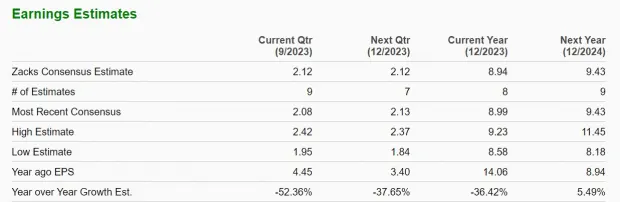
According to Zacks' analysis, ExxonMobil is expected to experience a 36% decline in annual EPS in 2023. Additionally, its price-to-earnings ratio is expected to be 13 times, significantly higher than the Oil & Gas Integrated industry average of 9.3 times but still much lower than the S&P 500's 20.8 times.
Similarly, Chevron's earnings per share for fiscal year 2023 are also anticipated to be down by 30%, with an expected price-to-earnings ratio of 12.5 times. This P/E ratio is not overly premium compared to the industry average of 9.3 times and is far lower than the S&P 500's ratio.
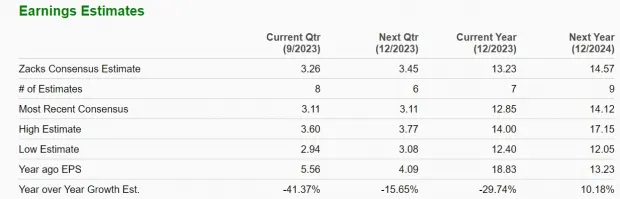
While both ExxonMobil and Chevron have P/E ratios within a reasonable range, their future profitability outlook appear less impressive.
ExxonMobil and Chevron have both rebounded strongly from the pandemic, as of September 21, 2023, with ExxonMobil's stock price soaring 265%, and Chevron's stock price rising 146% over the past three years.
However, the current global economic situation is more complicated, and their past excellent performance may be difficult to replicate. As of September 21, 2023, ExxonMobil's stock price has only been up by 6.6% year-to-date, while Chevron has fallen by 5.3%. Both companies are scheduled to release their third-quarter reports at the end of October, which are expected to show significant decreases in revenue and profits.
According to Zacks' analysis, the ability of these stocks to continue rising in the face of increasing competition is heavily dependent on the companies' performance, including metrics such as revenue and profits.
Potential risks and opportunities
According to The Motley Fool, there are several major risks that investors need to be aware of before considering investing in the oil industry:
High Volatility: OPEC countries control oil pricing, which is beyond the control of oil companies. Additionally, extreme weather, geopolitical factors, and "black swan events" can increase volatility and uncertainty in the industry. Oil stock prices often exhibit high volatility as oil prices fluctuate.
Cyclicality: The oil industry is closely tied to the global economy, so it experiences changes in the economic cycle. During an economic downturn, demand for oil decreases along with consumption, leading to a decline in oil prices. Therefore, investing in oil during a recession may not be wise. It's essential to understand the economic cycle before investing in the oil industry.
ESG: Increasing awareness of clean energy and stringent environmental regulations require the establishment of a carbon emission management strategy for the sustainable development of the energy industry. The oil industry may face potential obstacles on the road to energy transformation, such as lawsuits against major oil and gas companies like ExxonMobil, whose executives have questioned the harmful effects of climate change and the necessity of reducing the use of oil.
When selecting potentially successful oil companies, Motley Fool analysts suggest considering two primary factors:
Industry Leaders: As with many other industries, leading companies are generally less risky because they likely have strong balance sheets that give them a favorable position in the industry and allow them to withstand periods of plummeting oil prices better. In other words, even if a "black swan" event occurs, the probability of large companies going bankrupt in the short term is relatively low.
High Dividend Yields: Some investors are attracted to high dividends offered by listed oil companies. During periods of high oil prices, relevant listed companies often generate significant cash. This money may be used for drilling more wells, paying off debts, buying back stocks, and paying dividends, resulting in higher-than-usual dividend payments. For investors, the potential for rising oil stock prices and attractive dividend income could generate good returns. (Note: Dividends are not guaranteed and are subject to change or elimination.)
This presentation is for informational and educational use only and is not a recommendation or endorsement of any particular investment or investment strategy. Investment information provided in this content is general in nature, strictly for illustrative purposes, and may not be appropriate for all investors. Read more