Behind the Crazy Surge in Carvana's Stock Price
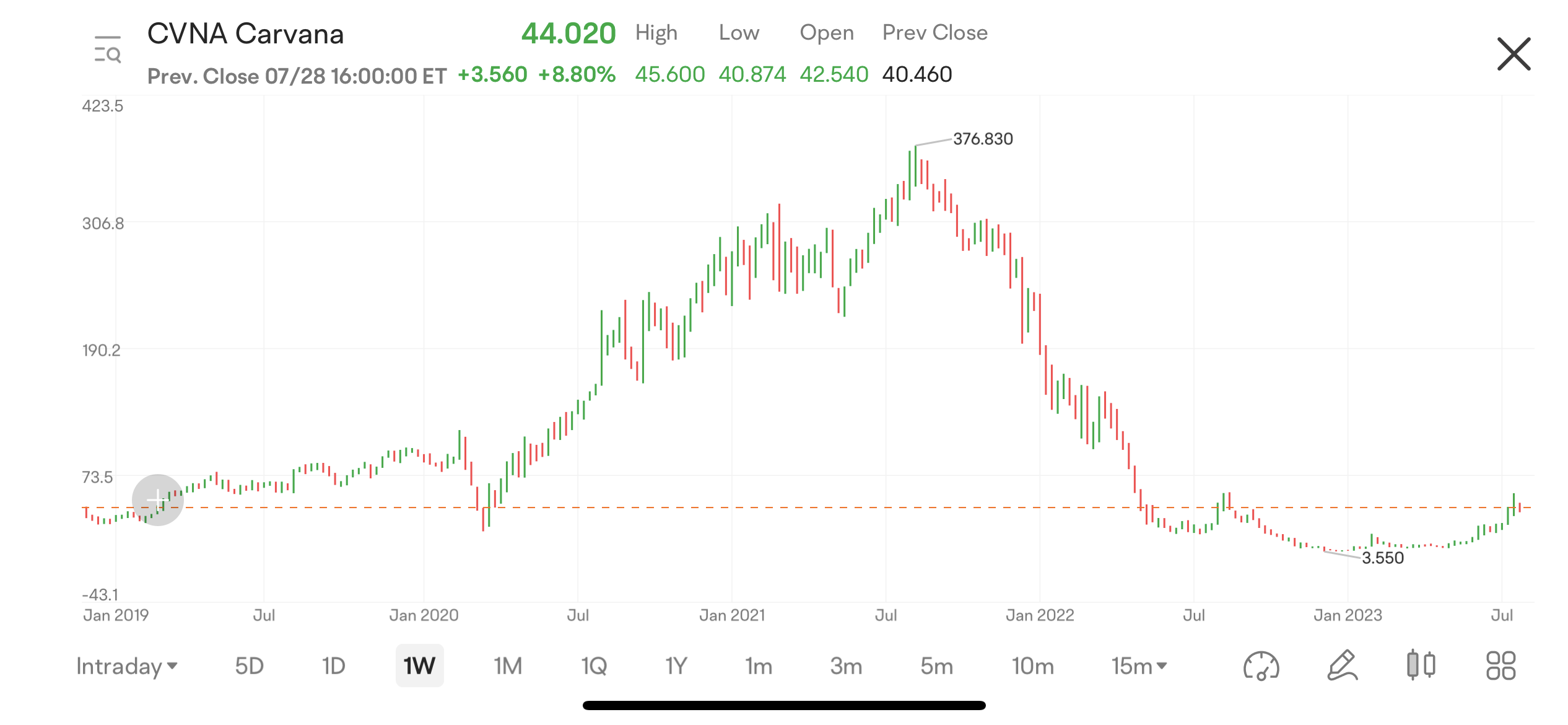
In the world of finance, one story that stands out is the meteoric rise and sudden fall of Carvana's stock price. The company's shares soared by an incredible sixfold in just 18 months, but then plummeted by 99% from its peak, leaving investors reeling.
However, despite this tumultuous journey, Carvana managed to make a surprising comeback. In 2023, the company experienced another exponential rise, with its stock price jumping from a historical low of $3.55 in December 2022 to a high of $57.19 in July 2023, an astounding increase of 1511%.
Did the rise in its stock price reflect the hype surrounding the company, or was it a result of real value and substance? Let's take a closer look.
Online used car platforms disrupt traditional sales models
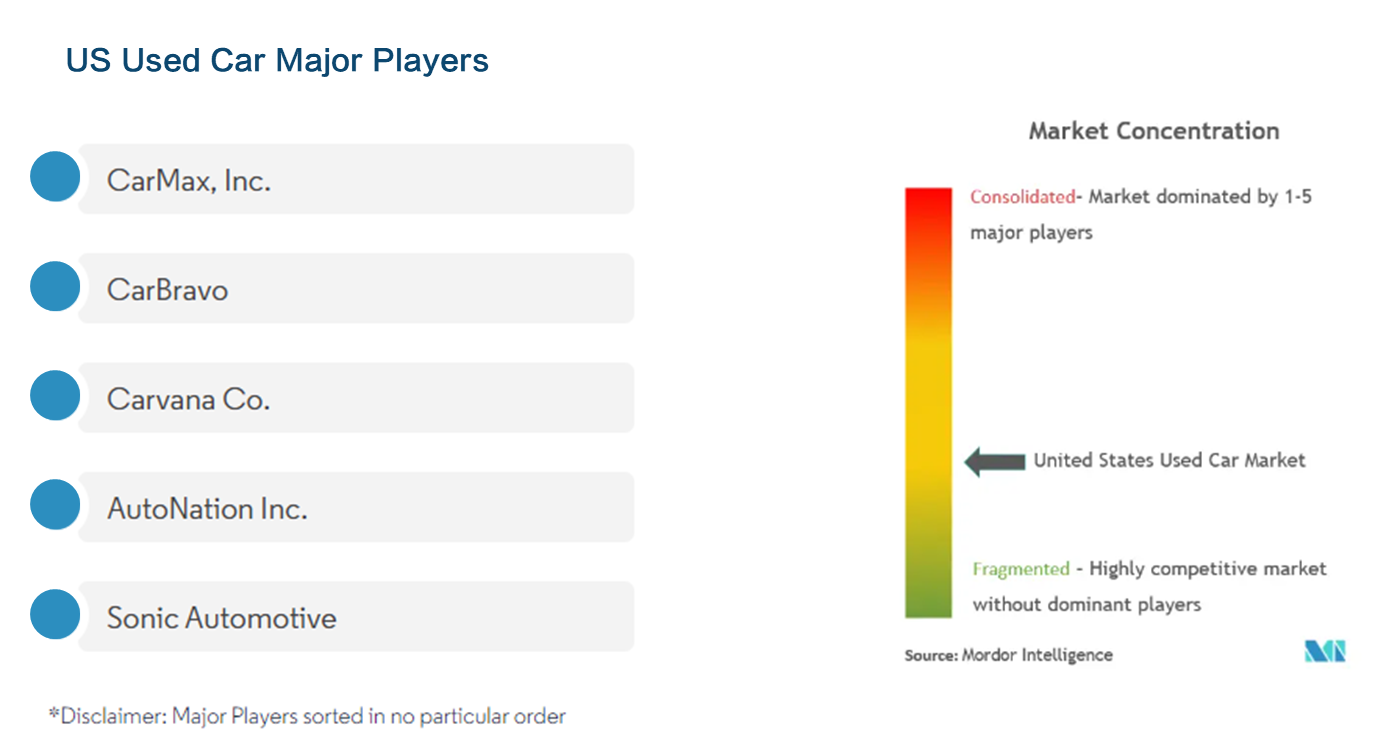
In the competitive world of e-commerce, Carvana Co. stands out as a unique player. Founded in 2012 and headquartered in Arizona, this innovative company has disrupted the traditional used car retail industry with its end-to-end online business model.
Consumers can buy, finance, and trade in vehicles entirely online, without ever having to leave their homes. One of the most unique features of Carvana's platform is its automated vending machines, which allow customers to pick up their purchased vehicles in a "car tower". Completing a car purchase on the Carvana platform takes as little as 11 minutes, eliminating the need for haggling with salespeople and streamlining the entire car-buying process. By doing so, Carvana has improved the customer experience like never before.
A unique brand highlight: "Car Vending Machine".
Can you imagine picking up a car can be as simple as buying drinks from a regular vending machine? This is what Carvana offers.
The Carvana vending machine is the world's first fully automated, coin-operated car vending machine. Here's what it looks like:
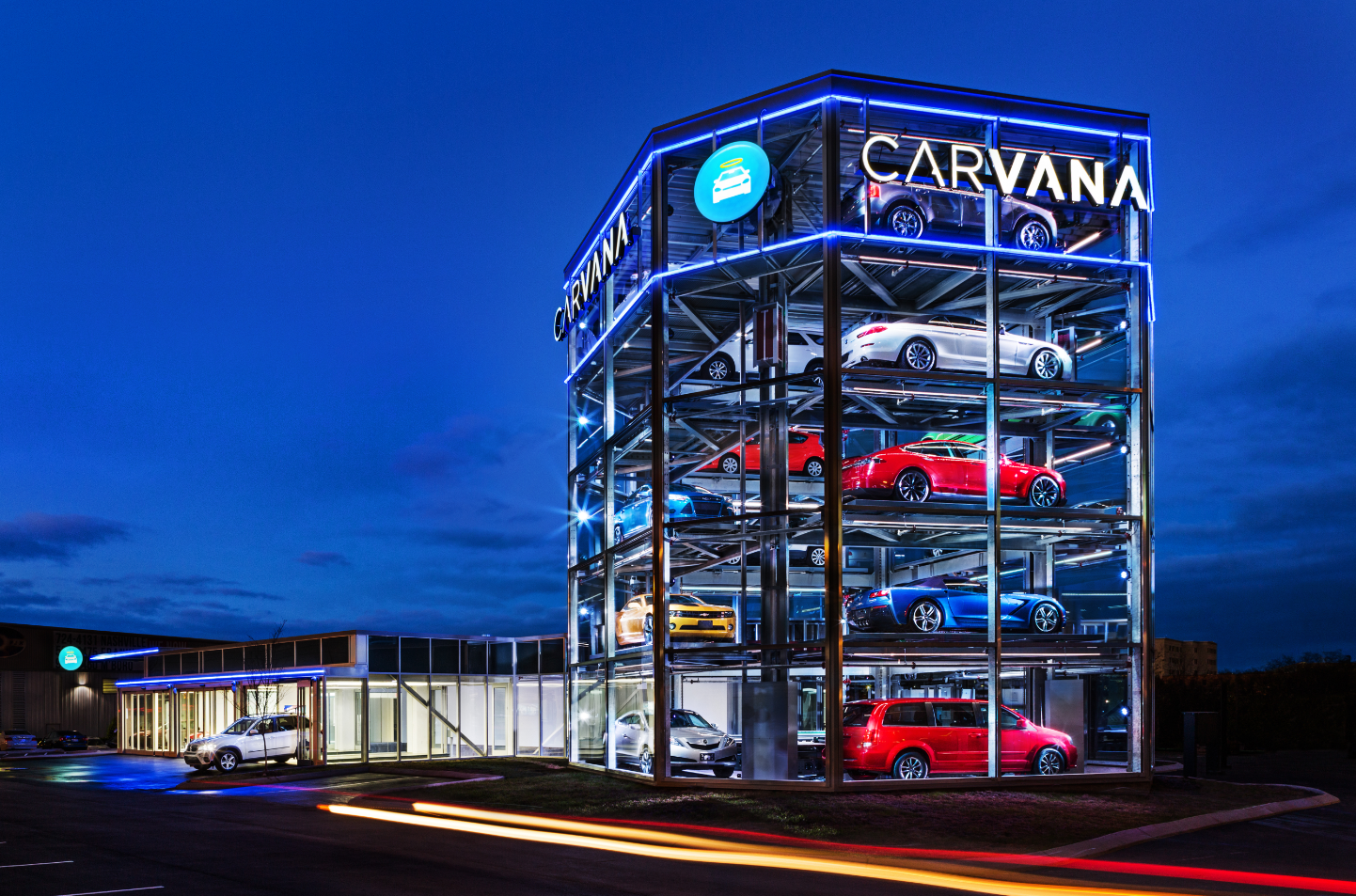
For instance, the Nashville location features a beautifully designed glass building that houses a welcome center, a five-story glass tower capable of storing 20 cars, three customer delivery areas, and an automatic delivery system that moves customers' cars from the tower to each parking area.
When customers pick up their car, they simply select their name from the self-service terminal inside the vending machine and insert their Carvana coins into the coin slot. The car is then automatically retrieved from the tower and transported by the machine to the delivery area.
Each customer who uses Carvana's vending machines receives a personalized video showcasing their unique pickup experience, which they can share on social media. This extra touch demonstrates Carvana's commitment to customer satisfaction and sets them apart as a brand that values each individual's experience.
Behind the stock price fluctuations from 2020 to 2022:
Source: moomoo | Note: Any app images provided in the content are not current and any securities shown are for illustrative purposes only and is not a recommendation.
Stock price soaring: Carvana's innovative and convenient sales model has gained widespread acceptance across the country, resulting in triple-digit revenue growth for 23 consecutive quarters, according to analysts. Additionally, the COVID-19 and the shortage of chips affecting new car manufacturing increased the demand for used cars, driving up Carvana's sales in 2021. As a result, the company's stock price surged.
Stock price slumping: Carvana suffered a significant setback in 2022 when a decline in used car prices reduced the value of their inventory. Combined with an untimely acquisition of ADESA, which proved costly for the company, Carvana faced financial difficulties. To complete the acquisition, they borrowed more than $3 billion, but the rapid rise in interest rates caused by the strongest rate hike in the history of the Federal Reserve worsened Carvana's predicament. This not only made it more difficult for consumers to buy a car but also affected the company's finances significantly. At the end of 2022, Carvana fell from a "nova" growth company to a firm on the verge of bankruptcy, according to Nasdaq's analysis.
2023: From the brink of bankruptcy to a "rebirth"?
Carvana was eyed by short-sellers as an insolvent company, and its short interest ratio, which measures the ratio of shorted shares to the total number of outstanding shares, soared to 12.8 at the end of 2021, indicating strong pessimism towards the stock.
However, the stock has experienced a strong rally since May 2023. According to The Motley Fool, possible reasons behind the recent price gain may include:
As of June 2023, Carvana's stock price had fallen more than 90% from its peak, making the stock attractively cheap.
The rebound in used car prices from April to June, with a nearly 9% rise in the consumer price index, has been a great boon for Carvana.
The slowing of the Federal Reserve’s interest rate hike might be good news for American consumers and Carvana.
The company's earnings report has shown signs of significant improvement, with the adjusted EBITDA reaching at least $50 million in the second quarter.
Carvana's recent "business turnaround" has been a significant focus of market attention. Zuck's report indicates that Carvana achieved its previously announced SG&A reduction plan of $1 billion in Q1'23, one quarter ahead of the targeted timeline. The company's target to attain positive adjusted EBITDA in the second quarter of 2023 has sparked further optimism. Traders are covering their bearish bets after Carvana forecasted second-quarter adjusted earnings above Wall Street expectations, according to Reuters.
Future opportunities and risks
As we have previously noted, Carvana has made significant strides in improving its business operations. However, investors are understandably concerned about whether the company's profitability is sustainable in the long term.
According to Bloomberg Intelligence's research on Carvana, the company is implementing a more disciplined approach towards used car acquisitions and sales to achieve a sustainable profit model and better cope with possible economic downturns.
While Carvana's efforts have led to some successful outcomes, such as reducing SG&A costs during periods of low market sales, the outlook for the company's sales is not entirely optimistic. As of mid-2023, Carvana's sales volume has sequentially declined for four consecutive quarters, and its annualized retail sales rate is only 310,000 vehicles, relegating the 2 million target to a very long-term goal.
In addition, according to Bloomberg and Zuck's forecasts, Carvana's EBITDA in the third quarter may once again be negative, and the company has yet to achieve annual profitability since going public in 2017. This raises questions about the sustainability of Carvana's future growth and profitability, and it will require further verification.
The question of whether Carvana has resolved its debt problem is another concern among many investors.
Zuck's report indicates that as of March 31, 2023, Carvana's long-term debt was $65.33 billion, while its cash and cash equivalents were only $488 million.
However, Bloomberg Intelligence news reported in July 2023 that after long-term negotiations between Carvana's creditors and the company, they finally reached an agreement. Asset management companies have agreed to reduce debt outstanding by $1.2 billion, and Carvana plans to raise at least $350 million in common stock. This means that Carvana may decide to "selective default" to restructure its balance sheet.
Carvana CFO Mark Jenkins said in a statement: "This transaction significantly increases our financial flexibility by reducing our total debt, extending maturities, and lowering near-term cash interest expense as we continue to execute our plan of driving significant profitability and returning to growth".
This presentation is for informational and educational use only and is not a recommendation or endorsement of any particular investment or investment strategy. Investment information provided in this content is general in nature, strictly for illustrative purposes, and may not be appropriate for all investors. Read more