
Moomoo Insights
Jul 16 15:38
TSMC Earnings: AI Demand Is Stronger Than the Chip Selloff Suggests
Moomoo Insights
Sep 30 05:04
Live Take | Anthropic’s $518B Compute Bet: Who Wins From the AI Buildout?
Understanding implied volatility in options trading is essential for options traders. Starting with an understanding of implied volatility basics and its practical implications for traders are ways to begin.
Read on to learn more, including how this metric may reflect market expectations, influence options pricing, and aid in risk assessment within the options market.
Implied volatility in options trading refers to the market's expectation of a stock's future volatility, derived from option prices. It reflects the uncertainty and potential price swings anticipated by traders.
When implied volatility is high, it means traders expect big price swings, so options cost more. On the flip side, low implied volatility means traders anticipate less movement and lower option prices.
Knowing about implied volatility helps traders pick the right strategies to help meet their investment goals and manage risks effectively. By keeping an eye on implied volatility levels, traders can also better gauge market sentiment and make more informed trading decisions.
Implied volatility works by reflecting the market's perception of potential price fluctuations in a stock. It's like a gauge of how uncertain traders are about future price movements.
When IV is high, it implies that market participants anticipate significant price swings ahead, leading to higher option prices.
Conversely, low implied volatility may suggest a more stable outlook for the stock price, resulting in lower option costs. It can also signify periods of complacency or uncertainty.
It's important to note that implied volatility can change rapidly, often based on market news or events, making it challenging to predict with certainty. It's therefore important for traders to keep an eye on it.
Calculating implied volatility involves using mathematical models like the Black-Scholes model to estimate the expected volatility of an underlying asset based on the current market price of an option.
This process typically requires iterative calculations or numerical methods to find the implied volatility that aligns the model's price with the actual market price. By inputting data like option price, strike price, time to expiration, risk-free rate, and current asset price into the model, traders can derive the implied volatility.
However, it's important to note that while the formula approach is valid, implied volatility is typically derived by inputting option prices into the model and solving for volatility, rather than estimating it based on the current market price of an option.
Implied volatility significantly impacts options in a number of ways.
Options prices: When implied volatility is high, options tend to be more expensive as higher implied volatility generally leads to higher option premiums, while lower implied volatility results in lower premiums. This is because higher volatility increases the likelihood of the option reaching its strike price before expiration, making it more valuable to option buyers.
Risk perception: Implied volatility reflects the market's perception of risk for the underlying asset.
Option strategies: Traders and investors often adjust their options trading strategies based on changes in implied volatility.
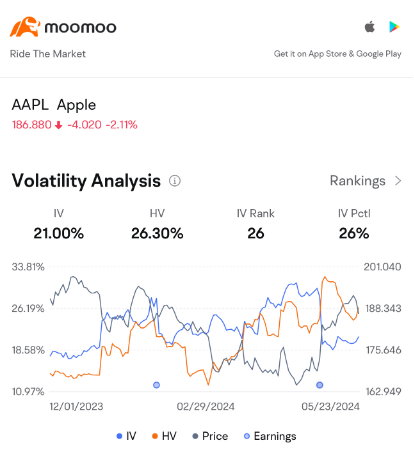
Earnings announcements and events: Implied volatility tends to increase leading up to significant events such as earnings announcements, product launches, or regulatory decisions.
Option Greeks: Implied volatility is a component of option pricing models, such as the Black-Scholes model, and is represented by the "Vega" Greek.
Options pricing models are fundamental tools used to assess the theoretical value of options contracts.
One widely recognized model is the Black-Scholes Model, which considers factors like the underlying asset's market price, the option's strike price, time to expiration, risk-free rate, and volatility to measure the stock price fluctuations.
Another commonly-employed model is the Binomial Options Pricing Model, which uses a tree-like structure to project potential price movements for the underlying asset and compute the option price at each step, working backwards to determine the options value.
These models offer traders valuable insights into the dynamics of option pricing, assisting in decision-making processes and estimating their theoretical value.
Implied volatility is influenced by various factors that shape market expectations and risk perceptions.
Economic indicators such as macroeconomic data releases or earnings reports can significantly impact implied volatility. For instance, before a company announces its quarterly earnings, implied volatility tends to surge as investors anticipate potential price swings.
Events impacting the market such as geopolitical tensions or regulatory changes can also trigger shifts in implied volatility levels, reflecting changing sentiment and uncertainty. These events can be unexpected and sudden, causing a sharp increase in implied volatility.
Market sentiment and risk appetite also play a role in determining implied volatility. In times of heightened uncertainty or fear, implied volatility tends to rise as investors become more cautious and demand higher premiums for taking on risk. Similarly, during periods of stability and optimism, implied volatility may decrease as investors feel more confident and are willing to take on risk at lower premiums.
The supply and demand dynamics of options contracts also influence implied volatility. When there is an imbalance between buyers and sellers in the options market, it can cause changes in the implied volatility of those contracts.
While implied volatility does have an impact on options pricing, it's important to note that implied volatility is just one component of pricing and should be considered alongside other factors.
Effectively utilizing implied volatility is an essential element of options trading, and may offer opportunities to potentially profit.
By comparing current implied volatility with historical trends, traders can spot potential mispricings in options. Strategies such as selling options during high implied volatility periods or using volatility spreads can help capitalize on market fluctuations.
Keeping an eye on news and events impacting volatility, adjusting positions accordingly, and prioritizing risk management are essential elements in leveraging implied volatility for potential gains in the dynamic options trading environment.
Keep in mind that trading options based solely on implied volatility can be risky. When trading options, also consider other variables like liquidity and overall market conditions.
Market Expectations: Provides insights into market sentiment and expectations.
Options Pricing: Influences options pricing, aiding in strategy development.
Risk Assessment: Helps assess risk levels and potential price movements (non-directional).
Trading Opportunities: Identifies potential trading opportunities based on volatility forecasts.
Volatility Changes: Implied volatility levels can change rapidly, affecting positions.
Complexity: Requires understanding of options pricing models for effective use.
Overreliance: Overreliance on implied volatility alone may lead to suboptimal decisions. Implied volatility can't tell the direction of movement or where the stock is headed to.
It can depend on an investor's trading strategies and market conditions.
High and low volatility environments have a significant impact on options premiums, influencing the price that traders pay for options contracts. In high volatility environments, the increased uncertainty and rapid price movements cause options premiums to rise. Low volatility environments are characterized by more stable and predictable price movements, which generally result in lower options premiums.
Traders often adjust their approach based on market expectations, risk tolerance, and desired outcomes to leverage either high or low implied volatility effectively.
Historical volatility reflects past price movements, providing a measure of asset volatility. Implied volatility represents market expectations for future price fluctuations, influencing options pricing. Realized volatility measures actual price changes over a specific period.
The key difference lies in their focus: historical looks back, implied looks forward, and realized assesses what actually occurred. Traders use all three to gauge risk, make informed decisions, and adjust strategies accordingly.
Yes, implied volatility can be more than 100.
Implied volatility is a metric that represents the market's expectation of potential price fluctuations in an underlying asset. It is not capped at 100 and can exceed this value, indicating higher anticipated volatility levels.
Traders often monitor implied volatility levels above 100 as they signal extreme market uncertainty or significant upcoming events that could lead to substantial price movements.
This presentation is for informational and educational use only and is not a recommendation or endorsement of any particular investment or investment strategy. Investment information provided in this content is general in nature, strictly for illustrative purposes, and may not be appropriate for all investors. Read more
Recommend
Moomoo Offers Extended Trading Hours for Options Trading on Oct 19
At-the-Money (ATM) - How It Works in Options Trading
Out-of-the-Money in Options Trading - How It Works & Examples

Covered Call: A Comprehensive Guide to Options Trading
Strangle Options Strategy - A Helpful Guide for Traders
Straddle vs. Strangle: Understanding the Key Differences
Triple Witching: Understanding Its Impact on the Stock Market
Underlying Asset: Definition, Types and Examples
What Are Option Premiums
Covered Calls and Covered Puts - Strategies for Options Trading
Expiration Date in Options Trading
Options Break-Even Point: Definition, Formula, and Examples
Credit Spread: Definition, Examples & How to Calculate
Bull Put Spread: Definitions, How It Works & Examples
How to Manage Your Risk in Options Trading
How to Pick the 'Right' Strike Price
Options Wheel Strategy Explained: Definition and How to Trade
Long Collar Options Strategy: Definition, How It Works & Examples
Long Call Options Strategy: Definition, Potential Benefits, and Risks
Exercise of Options: When and How to Exercise Options
Time Value: Definition, Calculation, Importance in Options Trading
Short Call Options Strategy: Guide & Examples
What Are Bitcoin ETF Options: Investment Insights & Strategies
Hedge with Options: Protect Your Portfolio in 2026
Options Chains: Definition, How to Read and Analyze Them
Options Profit Calculation: Overview, Formula & Examples
What is Theta in Options Trading: Overview and Strategies
Debit Spread: Definition, Types & Examples
Butterfly Spread: Definition and Application in Options Trading
What Is an Options Screener and How to Use?
Unusual Options Activity: Insights and Strategies for Traders
Protective Put Strategy: Definition, How It Works & Examples
What Are Stock Options: Types, How They Work and Examples
Weekly vs. Monthly Options: Choosing the Right Expiration Date
How to Practice Options Trading with Demo Trading Account
Sell to Open vs Sell to Close: Understanding the Difference
Long Put: Definition, Examples and How to Trade
Iron Condor: Understanding This Options Trading Strategy
Diagonal Spread: Definition, Types & How to Use
Implied Volatility (IV) Rank & Percentile in Options Trading
Trading Earnings with Options
Iron Butterfly: Mastering the Options Trading Strategy
Interest Rate Options: Definition & How They Work
Options Buy to Open vs Buy to Close: What's the difference?
Vertical Spread: Definition, Types, & Examples
Bear Put Spread: An Options Trading Strategy Explained
What is a Dividend Reinvestment Plan (DRIP)?
Put/Call Ratio (PCR): Definition & How to Use
How Are Options Priced? | Calculation and Examples
Naked Calls Options Strategy: Definition & How It Works
Options Vs. Futures: Understanding Their Key Differences
Extrinsic Value: Definition, Calculation, and Trading Strategies
Intrinsic Value: How It Works And How To Calculate It
Bull Call Spread - Examples and Applications in Options Trading
Index Options: Definitions, Strategies and Risks
Short Put Options: Strategies and Risks Explained
Quadruple Witching: How It Can Affect the Stock Market
What Are Options? Everything You Need to Know before Trading
Four Option Trading Strategies for Beginners
10 Options Strategies to Enhance Your Trading Portfolio
American Options vs. European Options
In-The-Money (ITM): Call and Put Options Examples
What is a Calendar Spread?
Open Interest: What it means for traders and investors
Options vs Stocks: Choosing the Right Investment Strategy
Options Strike Prices Explained: A Complete Guide for Beginners
Call vs Put Options: Your Essential Guide to the Basics
Zero Days to Expiration (0DTE) Options: Trade Mag 7 Stock Options Today
What Is An Options Contract? How Does It Work?
What is Synthetic Put? (How Does It Work)
How and When to Roll Covered Calls
Option Volume vs Open Interest: Understanding the Difference
4 Options Trading Levels
How to Trade Options for Beginners?
What Is Implied Volatility (IV)?
What Are Cash Secured Puts: How To Sell Them
What Is a Straddle Options Strategy?
What Is Ratio Spread in Options
What is a Call Option: Strategies and Tips
Taxes on Stocks: How Selling Stocks Affects Your Taxes
Option Greeks Explained - Option Greek Cheat Sheet
Put Options: Hedging Your Portfolio
Put Options: How to Use Them in Your Trading Strategy
Poor Man's Covered Call (PMCC): A Beginner's Guide
Four Option Trading Mistakes to Avoid
Trading Synthetic Options: Risks and Rewards
Call Spread vs. Put Spread: What are the differences?
What is stock options trading
What Is Margin Call and How Can You Avoid the Risks?
Options Trading Strategies: Iron Condor vs. Iron Butterfly
Moomoo Offers Extended Trading Hours for Options Trading on Oct 19
At-the-Money (ATM) - How It Works in Options Trading
Out-of-the-Money in Options Trading - How It Works & Examples
Covered Call: A Comprehensive Guide to Options Trading
Strangle Options Strategy - A Helpful Guide for Traders
Straddle vs. Strangle: Understanding the Key Differences
Triple Witching: Understanding Its Impact on the Stock Market
Underlying Asset: Definition, Types and Examples
What Are Option Premiums
Covered Calls and Covered Puts - Strategies for Options Trading
Expiration Date in Options Trading
Options Break-Even Point: Definition, Formula, and Examples
Credit Spread: Definition, Examples & How to Calculate
Bull Put Spread: Definitions, How It Works & Examples
How to Manage Your Risk in Options Trading
How to Pick the 'Right' Strike Price
Options Wheel Strategy Explained: Definition and How to Trade
Long Collar Options Strategy: Definition, How It Works & Examples
Long Call Options Strategy: Definition, Potential Benefits, and Risks
Exercise of Options: When and How to Exercise Options
Time Value: Definition, Calculation, Importance in Options Trading
Short Call Options Strategy: Guide & Examples
What Are Bitcoin ETF Options: Investment Insights & Strategies
Hedge with Options: Protect Your Portfolio in 2026
Options Chains: Definition, How to Read and Analyze Them
Options Profit Calculation: Overview, Formula & Examples
What is Theta in Options Trading: Overview and Strategies
Debit Spread: Definition, Types & Examples
Butterfly Spread: Definition and Application in Options Trading
What Is an Options Screener and How to Use?
Unusual Options Activity: Insights and Strategies for Traders
Protective Put Strategy: Definition, How It Works & Examples
What Are Stock Options: Types, How They Work and Examples
Weekly vs. Monthly Options: Choosing the Right Expiration Date
How to Practice Options Trading with Demo Trading Account
Sell to Open vs Sell to Close: Understanding the Difference
Long Put: Definition, Examples and How to Trade
Iron Condor: Understanding This Options Trading Strategy
Diagonal Spread: Definition, Types & How to Use
Implied Volatility (IV) Rank & Percentile in Options Trading
Trading Earnings with Options
Iron Butterfly: Mastering the Options Trading Strategy
Interest Rate Options: Definition & How They Work
Options Buy to Open vs Buy to Close: What's the difference?
Vertical Spread: Definition, Types, & Examples
Bear Put Spread: An Options Trading Strategy Explained
What is a Dividend Reinvestment Plan (DRIP)?
Put/Call Ratio (PCR): Definition & How to Use
How Are Options Priced? | Calculation and Examples
Naked Calls Options Strategy: Definition & How It Works
Options Vs. Futures: Understanding Their Key Differences
Extrinsic Value: Definition, Calculation, and Trading Strategies
Intrinsic Value: How It Works And How To Calculate It
Bull Call Spread - Examples and Applications in Options Trading
Index Options: Definitions, Strategies and Risks
Short Put Options: Strategies and Risks Explained
Quadruple Witching: How It Can Affect the Stock Market
What Are Options? Everything You Need to Know before Trading
Four Option Trading Strategies for Beginners
10 Options Strategies to Enhance Your Trading Portfolio
American Options vs. European Options
In-The-Money (ITM): Call and Put Options Examples
What is a Calendar Spread?
Open Interest: What it means for traders and investors
Options vs Stocks: Choosing the Right Investment Strategy
Options Strike Prices Explained: A Complete Guide for Beginners
Call vs Put Options: Your Essential Guide to the Basics
Zero Days to Expiration (0DTE) Options: Trade Mag 7 Stock Options Today
What Is An Options Contract? How Does It Work?
What is Synthetic Put? (How Does It Work)
How and When to Roll Covered Calls
Option Volume vs Open Interest: Understanding the Difference
4 Options Trading Levels
How to Trade Options for Beginners?
What Is Implied Volatility (IV)?
What Are Cash Secured Puts: How To Sell Them
What Is a Straddle Options Strategy?
What Is Ratio Spread in Options
What is a Call Option: Strategies and Tips
Taxes on Stocks: How Selling Stocks Affects Your Taxes
Option Greeks Explained - Option Greek Cheat Sheet
Put Options: Hedging Your Portfolio
Put Options: How to Use Them in Your Trading Strategy
Poor Man's Covered Call (PMCC): A Beginner's Guide
Four Option Trading Mistakes to Avoid
Trading Synthetic Options: Risks and Rewards
Call Spread vs. Put Spread: What are the differences?
What is stock options trading
What Is Margin Call and How Can You Avoid the Risks?
Options Trading Strategies: Iron Condor vs. Iron Butterfly

