

Moomoo Insights
Jul 16 15:38
TSMC Earnings: AI Demand Is Stronger Than the Chip Selloff Suggests
Moomoo Insights
Sep 30 05:04
Live Take | Anthropic’s $518B Compute Bet: Who Wins From the AI Buildout?
When buying or selling stocks, liquidity is an essential factor. Illiquid stocks can be challenging to acquire or unload for a reasonable price. For example, you won't get the full allotment you desire if you want to buy 100 shares of a particular stock, but only 60 shares are available on the open market. Options trading also requires paying attention to market liquidity, but with multiple contracts available for the same stock, other variables come into play. As a result, options traders must understand two similar but distinct concepts: option volume versus open interest.
When trading stock options, each security will have multiple contracts with various strike prices and expiration dates. Having a multitude of contracts trading based on the same underlying security naturally creates variations in the availability of these contracts.
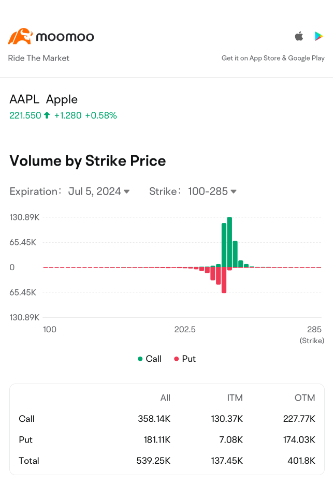
Option volume refers to the total number of contracts at a particular strike price and expiration that have exchanged hands during a trading session. While the underlying stock might have a share volume in the thousands or even millions, options on that security will have varying volume levels for each contract.
Option volume tends to be higher in contracts with a strike price close to the underlying stock price.
Disclaimer: Images provided are not current and any securities are shown for illustrative purposes only and is not a recommendation.
To determine the trading volume of a particular options contract, add all the transactions occurring in that market on the current trading day. Transactions going both ways are tallied into the volume total, meaning that opening and closing trades are factored into the equation.
Much like shares of stock, options contracts can be traded multiple times per day, so the volume could be much higher than the total number of open contracts.
Options volume is helpful because it gives investors a clue about the total liquidity in that specific market. When many contracts exchange hands daily, the market likely has sufficient liquidity for more efficient pricing and narrower bid-ask spreads. This can also help lower the possibilities on partial buy or sell orders from filling.
One of the most popular stocks for options is Apple Inc. (NASDAQ: AAPL). If you’re looking for a highly liquid options market on AAPL stock, you might consider two different strike prices with the same expiration date.
For example, suppose you want to buy a call option on AAPL with an August expiration. The contracts with the $180 strike price have a daily trading volume of 94,000, while the $165 strike calls only have a daily volume of 4,500. So which market is more liquid? The $180 calls, which is where you might want to focus your attention.
Unlike volume, open interest isn’t a tally of transactions but a tally of the total number of contracts currently open and held by investors. For example, if an options market has an open interest of 3,000, that means 3,000 contracts are presently held in investors' brokerage accounts.
When a contract is closed, expires, or is exercised it’s removed from the open interest total.
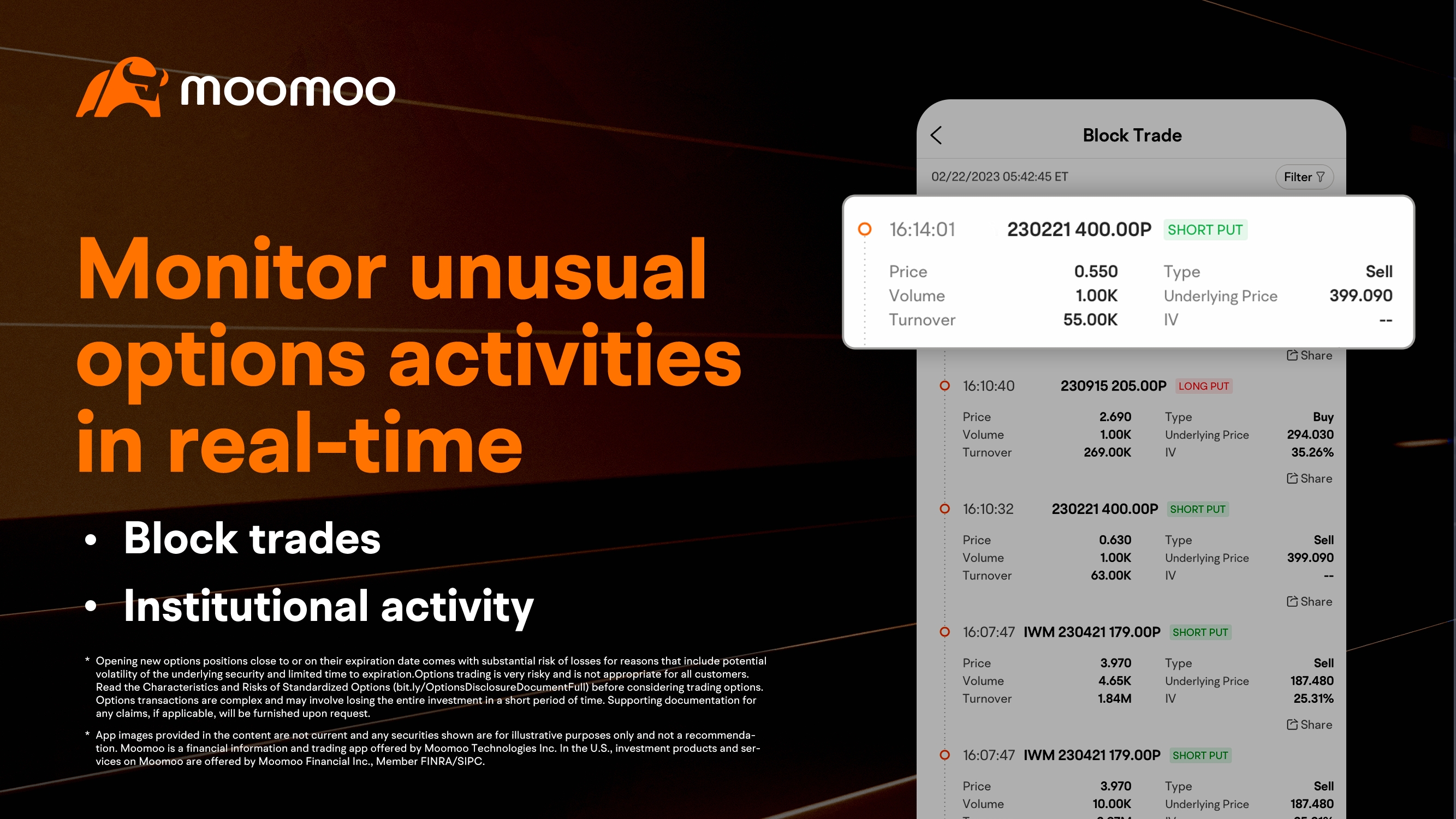
Disclaimer: Images provided are not current and any securities are shown for illustrative purposes only and is not a recommendation.
Like volume, high and low open interest can determine a market's liquidity and enthusiasm. But unlike volume, open interest only refers to the number of currently open contracts.
When open interest is high, new money is flowing into the market. When open interest declines, contracts are settled, and cash flows out of that market.
Open interest tells investors about the liquidity and money flow entering specific options markets, which can be used as an indicator for both options and stock trading.
For example, if open interest is high in a call option with a strike price above the current market price of the underlying, it could be interpreted as a bullish signal.H3: Open interest example
Here’s an example of using open interest to inform a trading decision: You’re looking at two similar AAPL call option contracts, one with a strike price of $180 and an August expiration and one with a strike of $190 with a July expiration.
The $180 strike option has an open interest of 3,000, but the $190 strike has an open interest of 9,000. What does this mean? Because more money is flowing into the $190 call option market that’s closer to expiry than the $180 call option market, it could signal that investors are anticipating a robust and short-term move upward in the underlying AAPL shares.
Combining volume and open interest provides more profound insights. Rising price with increasing volume and open interest signals strong bullish momentum, as new traders enter long positions. A price decline with rising open interest and volume suggests bearish sentiment. If the price rises but open interest falls, it may indicate that traders are closing short positions, suggesting a weakening trend. High volume with stable open interest indicates that existing positions are being traded, rather than new ones. These metrics help confirm trends, identify reversals, and avoid illiquid contracts. Traders use them to assess whether a price move has staying power or is a temporary spike.
Open interest and volume differ fundamentally: open interest represents the total number of active positions, whereas volume indicates the number of contracts that have been traded. Open interest accumulates over time and fluctuates as positions are opened or closed, whereas volume resets daily. Open interest reveals market commitment, and volume reflects short-term trading activity. For example, a contract with high volume but low open interest may indicate heavy intraday trading without many new positions being established.
Volume and open interest are two vital statistics that options traders need to consider when making investments. When these two numbers are high in a particular options market, it tells investors the market is liquid and flush with capital. But if these figures are low, it could indicate illiquid markets with money moving out to other areas. If you want to learn about trading options, familiarize yourself with these concepts.
Options traders often ask the following questions regarding open interest and volume. Be sure to understand these concepts before opening any positions.
Open interest only refers to contracts that haven’t been exercised or closed. So, for example, if only closing trades are made, the options market will have volume but no open interest because all contracts have been settled.
Higher volume means investors are taking an interest in a specific market, which can lower trading costs and the risk of a partial order fill by increasing liquidity.
Yes, in general, high open interest means that new contracts are being opened, indicating that capital is entering the market.
Neither is universally more important—their significance depends on your strategy. Volume helps gauge short-term momentum, while open interest shows market commitment. Swing traders may prioritize open interest to assess the strength of a trend, while day traders focus on volume to gauge liquidity.
An option can have volume but no open interest if all trades close existing positions. For example, if a trader sells an option they previously bought (closing a long position) and another trader buys to close a short position, the volume increases, but the open interest remains unchanged.
Open interest tells you the number of active contracts in an option. High open interest indicates that many traders have positions, suggesting strong liquidity and market interest. Low open interest suggests limited participation, which may lead to wider spreads and less reliable pricing.
This presentation is for informational and educational use only and is not a recommendation or endorsement of any particular investment or investment strategy. Investment information provided in this content is general in nature, strictly for illustrative purposes, and may not be appropriate for all investors. Read more
Recommend
Moomoo Offers Extended Trading Hours for Options Trading on Oct 19
At-the-Money (ATM) - How It Works in Options Trading
Out-of-the-Money in Options Trading - How It Works & Examples

Covered Call: A Comprehensive Guide to Options Trading
Strangle Options Strategy - A Helpful Guide for Traders
Straddle vs. Strangle: Understanding the Key Differences
Triple Witching: Understanding Its Impact on the Stock Market
Underlying Asset: Definition, Types and Examples
What Are Option Premiums
Covered Calls and Covered Puts - Strategies for Options Trading
Expiration Date in Options Trading
Options Break-Even Point: Definition, Formula, and Examples
Credit Spread: Definition, Examples & How to Calculate
Bull Put Spread: Definitions, How It Works & Examples
How to Manage Your Risk in Options Trading
How to Pick the 'Right' Strike Price
Options Wheel Strategy Explained: Definition and How to Trade
Long Collar Options Strategy: Definition, How It Works & Examples
Long Call Options Strategy: Definition, Potential Benefits, and Risks
Exercise of Options: When and How to Exercise Options
Time Value: Definition, Calculation, Importance in Options Trading
Short Call Options Strategy: Guide & Examples
What Are Bitcoin ETF Options: Investment Insights & Strategies
Hedge with Options: Protect Your Portfolio in 2026
Options Chains: Definition, How to Read and Analyze Them
Options Profit Calculation: Overview, Formula & Examples
What is Theta in Options Trading: Overview and Strategies
Debit Spread: Definition, Types & Examples
Butterfly Spread: Definition and Application in Options Trading
What Is an Options Screener and How to Use?
Unusual Options Activity: Insights and Strategies for Traders
Protective Put Strategy: Definition, How It Works & Examples
What Are Stock Options: Types, How They Work and Examples
Weekly vs. Monthly Options: Choosing the Right Expiration Date
How to Practice Options Trading with Demo Trading Account
Sell to Open vs Sell to Close: Understanding the Difference
Long Put: Definition, Examples and How to Trade
Iron Condor: Understanding This Options Trading Strategy
Diagonal Spread: Definition, Types & How to Use
Implied Volatility (IV) Rank & Percentile in Options Trading
Trading Earnings with Options
Iron Butterfly: Mastering the Options Trading Strategy
Interest Rate Options: Definition & How They Work
Options Buy to Open vs Buy to Close: What's the difference?
Vertical Spread: Definition, Types, & Examples
Bear Put Spread: An Options Trading Strategy Explained
What is a Dividend Reinvestment Plan (DRIP)?
Put/Call Ratio (PCR): Definition & How to Use
How Are Options Priced? | Calculation and Examples
Naked Calls Options Strategy: Definition & How It Works
Options Vs. Futures: Understanding Their Key Differences
Extrinsic Value: Definition, Calculation, and Trading Strategies
Intrinsic Value: How It Works And How To Calculate It
Bull Call Spread - Examples and Applications in Options Trading
Index Options: Definitions, Strategies and Risks
Short Put Options: Strategies and Risks Explained
Quadruple Witching: How It Can Affect the Stock Market
What Are Options? Everything You Need to Know before Trading
Four Option Trading Strategies for Beginners
10 Options Strategies to Enhance Your Trading Portfolio
American Options vs. European Options
In-The-Money (ITM): Call and Put Options Examples
What is a Calendar Spread?
Open Interest: What it means for traders and investors
Options vs Stocks: Choosing the Right Investment Strategy
Options Strike Prices Explained: A Complete Guide for Beginners
Call vs Put Options: Your Essential Guide to the Basics
Zero Days to Expiration (0DTE) Options: Trade Mag 7 Stock Options Today
What Is An Options Contract? How Does It Work?
What is Synthetic Put? (How Does It Work)
How and When to Roll Covered Calls
Option Volume vs Open Interest: Understanding the Difference
4 Options Trading Levels
How to Trade Options for Beginners?
What Is Implied Volatility (IV)?
What Are Cash Secured Puts: How To Sell Them
What Is a Straddle Options Strategy?
What Is Ratio Spread in Options
What is a Call Option: Strategies and Tips
Taxes on Stocks: How Selling Stocks Affects Your Taxes
Option Greeks Explained - Option Greek Cheat Sheet
Put Options: Hedging Your Portfolio
Put Options: How to Use Them in Your Trading Strategy
Poor Man's Covered Call (PMCC): A Beginner's Guide
Four Option Trading Mistakes to Avoid
Trading Synthetic Options: Risks and Rewards
Call Spread vs. Put Spread: What are the differences?
What is stock options trading
What Is Margin Call and How Can You Avoid the Risks?
Options Trading Strategies: Iron Condor vs. Iron Butterfly
Moomoo Offers Extended Trading Hours for Options Trading on Oct 19
At-the-Money (ATM) - How It Works in Options Trading
Out-of-the-Money in Options Trading - How It Works & Examples
Covered Call: A Comprehensive Guide to Options Trading
Strangle Options Strategy - A Helpful Guide for Traders
Straddle vs. Strangle: Understanding the Key Differences
Triple Witching: Understanding Its Impact on the Stock Market
Underlying Asset: Definition, Types and Examples
What Are Option Premiums
Covered Calls and Covered Puts - Strategies for Options Trading
Expiration Date in Options Trading
Options Break-Even Point: Definition, Formula, and Examples
Credit Spread: Definition, Examples & How to Calculate
Bull Put Spread: Definitions, How It Works & Examples
How to Manage Your Risk in Options Trading
How to Pick the 'Right' Strike Price
Options Wheel Strategy Explained: Definition and How to Trade
Long Collar Options Strategy: Definition, How It Works & Examples
Long Call Options Strategy: Definition, Potential Benefits, and Risks
Exercise of Options: When and How to Exercise Options
Time Value: Definition, Calculation, Importance in Options Trading
Short Call Options Strategy: Guide & Examples
What Are Bitcoin ETF Options: Investment Insights & Strategies
Hedge with Options: Protect Your Portfolio in 2026
Options Chains: Definition, How to Read and Analyze Them
Options Profit Calculation: Overview, Formula & Examples
What is Theta in Options Trading: Overview and Strategies
Debit Spread: Definition, Types & Examples
Butterfly Spread: Definition and Application in Options Trading
What Is an Options Screener and How to Use?
Unusual Options Activity: Insights and Strategies for Traders
Protective Put Strategy: Definition, How It Works & Examples
What Are Stock Options: Types, How They Work and Examples
Weekly vs. Monthly Options: Choosing the Right Expiration Date
How to Practice Options Trading with Demo Trading Account
Sell to Open vs Sell to Close: Understanding the Difference
Long Put: Definition, Examples and How to Trade
Iron Condor: Understanding This Options Trading Strategy
Diagonal Spread: Definition, Types & How to Use
Implied Volatility (IV) Rank & Percentile in Options Trading
Trading Earnings with Options
Iron Butterfly: Mastering the Options Trading Strategy
Interest Rate Options: Definition & How They Work
Options Buy to Open vs Buy to Close: What's the difference?
Vertical Spread: Definition, Types, & Examples
Bear Put Spread: An Options Trading Strategy Explained
What is a Dividend Reinvestment Plan (DRIP)?
Put/Call Ratio (PCR): Definition & How to Use
How Are Options Priced? | Calculation and Examples
Naked Calls Options Strategy: Definition & How It Works
Options Vs. Futures: Understanding Their Key Differences
Extrinsic Value: Definition, Calculation, and Trading Strategies
Intrinsic Value: How It Works And How To Calculate It
Bull Call Spread - Examples and Applications in Options Trading
Index Options: Definitions, Strategies and Risks
Short Put Options: Strategies and Risks Explained
Quadruple Witching: How It Can Affect the Stock Market
What Are Options? Everything You Need to Know before Trading
Four Option Trading Strategies for Beginners
10 Options Strategies to Enhance Your Trading Portfolio
American Options vs. European Options
In-The-Money (ITM): Call and Put Options Examples
What is a Calendar Spread?
Open Interest: What it means for traders and investors
Options vs Stocks: Choosing the Right Investment Strategy
Options Strike Prices Explained: A Complete Guide for Beginners
Call vs Put Options: Your Essential Guide to the Basics
Zero Days to Expiration (0DTE) Options: Trade Mag 7 Stock Options Today
What Is An Options Contract? How Does It Work?
What is Synthetic Put? (How Does It Work)
How and When to Roll Covered Calls
Option Volume vs Open Interest: Understanding the Difference
4 Options Trading Levels
How to Trade Options for Beginners?
What Is Implied Volatility (IV)?
What Are Cash Secured Puts: How To Sell Them
What Is a Straddle Options Strategy?
What Is Ratio Spread in Options
What is a Call Option: Strategies and Tips
Taxes on Stocks: How Selling Stocks Affects Your Taxes
Option Greeks Explained - Option Greek Cheat Sheet
Put Options: Hedging Your Portfolio
Put Options: How to Use Them in Your Trading Strategy
Poor Man's Covered Call (PMCC): A Beginner's Guide
Four Option Trading Mistakes to Avoid
Trading Synthetic Options: Risks and Rewards
Call Spread vs. Put Spread: What are the differences?
What is stock options trading
What Is Margin Call and How Can You Avoid the Risks?
Options Trading Strategies: Iron Condor vs. Iron Butterfly

