
Moomoo Insights
Jul 16 15:38
TSMC Earnings: AI Demand Is Stronger Than the Chip Selloff Suggests
Moomoo Insights
Sep 30 05:04
Live Take | Anthropic’s $518B Compute Bet: Who Wins From the AI Buildout?

When it comes to trading stock options, you want to buy your contracts wisely. Proven strategies can help maximize your profit while minimizing loss. But what strategies can you use?
The iron condor and the iron butterfly are two popular options trading strategies. They can help you generate profit and make strategic decisions about where to place your prices.
As options trading strategies, both techniques bet on stability. The two strategies both use long positions to limit your risk of loss. You will also see considerable similarities in how they can guide in setting up the prices of your options. However, there are key differences, and you’ll find that certain situations call for one strategy over the other.
There are four key takeaways you need to understand about trading using an iron condor or the iron butterfly:
The four contracts used in both strategies
How the iron condor and iron butterfly strategies work
The similarities and differences between these two strategies
The situations where you might want to use one technique over the other
Let's get started.
Before exploring using these two strategies, we need to review some essential vocabulary.
Both options strategies we will discuss use four options contracts — two long and two short. You must understand what price point to place for these contracts to work effectively.
A put option is a contract that gives the buyer the right to sell a stock at a particular price by a specific date.
A call option is a contract that specifies the buyer’s right to buy at a specific price by a particular date.
A long call is a bullish technique based on the expectation that the price will rise; it gives you the right to buy the asset for a specific price.
A long put is a bearish strategy that assumes the price will fall and allows you to sell that stock at a set price.
A short call means that you have written a call option and you must sell, honoring the contract if the buyer decides to exercise it. This is typically used as a bearish approach, expecting the price to fall and the buyer to not want to purchase the stock.
A short put is a bullish strategy where you write a put option aiming to profit on the premium when the price stays above the strike price and the buyer does not wish to exercise the contract. However, this technique means that if the buyer exercises the contract, you must buy at the strike price, even if the stock price has fallen below.
Both options strategies will use these four types of contracts: a short put, a short call, a long put, and a long call.
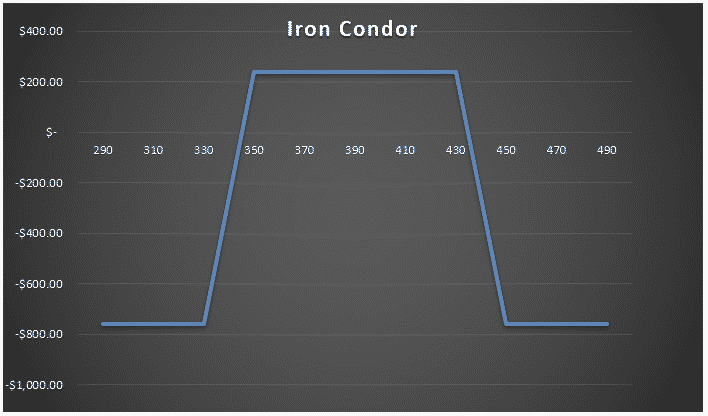
An iron condor has you place a gap in between your strike price for your short put and your short call. Typically, you will set these two prices equally on either side of the current price.
However, sometimes you may want to make a bullish iron condor by situating your short put and short call prices slightly higher than the current price. This strategy is typically used when the price is expected to rise before it becomes steady.
On the other hand, if you expect the price to drop a little before becoming steady, you will make a bearish iron condor. You will situate your two short prices slightly lower than the current price in this situation.
In both situations, your long positions are set a bit further from the current asset price, with the same spread between your puts and calls.
You can see this represented visually in this graph.
(Graph courtesy of Options Trading IQ)
Consider a company that currently sells for $50 per share. If you wanted to use the iron condor, you might make your short call $55 and short put $45. You will also set your long call at $60 and long put at $40. All of these options contracts should expire on the same day.
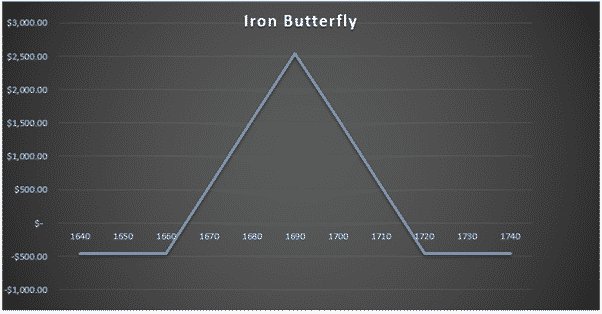
Like the iron condor, the iron butterfly uses long positions to protect your investment. However, with this approach, both your short put and short call are set for the same price.
In most situations, you will use the current asset price to set these short strike prices. If you want to account for a bit of stock movement, you might decide to use a bullish or bearish iron butterfly. A bullish iron butterfly is when you set your short strike prices slightly above the current asset price. If you move the short prices slightly below the current asset price, it would be bearish.
Once again, your long call and long put are set further from the asset price on each side to protect your investment.
You can see how these contracts are set up in the graph below.
(Graph courtesy of Options Trading IQ)
If we look at the same company used above, currently selling for $50 per share, we can see differences in the contracts used for the Iron Butterfly.
In this situation, you might potentially set up your spread as follows: both your short call and short put prices would be $50, while the long put and the long call strike price will still be $40 and $60, respectively.
Traders use options contracts similarly for both strategies, trying to offset the risk of short positions with your long positions and generating profit by selling short positions. However, aside from these broad similarities, there are critical differences between the two. The iron condor has a significantly larger maximum profit window, which gives you more room for volatility before you see a loss. While it carries less risk, it also carries less profit potential.
On the other hand, the Iron Butterfly has a smaller window in which you can generate profits. Therefore, it carries greater risk but can give you more significant profits. Since the iron butterfly is closer to the asset price, you will find that you may collect more premiums, earning a more significant profit.
Since the iron butterfly has more money-making potential and can collect more in premiums, this is a good option if you expect no volatility. If you expect movement in the underlying asset, go with the iron condor strategy for more built-in safety nets.
Starting with the iron condor strategy may also be advisable for those just getting started with options trading. The greater safety net can help cushion losses while still learning.
Options trading provides ample investment opportunities. More importantly, understanding option trading strategies can help you make smarter decisions and earn more profits.
Fortunately, moomoo has produced free educational courses that can help you better understand how to trade options. Explore these courses to help you dive into options trading confidently.
Download the moomoo app, sign up, and get started trading using the moomoo app today.
This presentation is for informational and educational use only and is not a recommendation or endorsement of any particular investment or investment strategy. Investment information provided in this content is general in nature, strictly for illustrative purposes, and may not be appropriate for all investors. Read more
Recommend

Moomoo Offers Extended Trading Hours for Options Trading on Oct 19
At-the-Money (ATM) - How It Works in Options Trading
Out-of-the-Money in Options Trading - How It Works & Examples

Covered Call: A Comprehensive Guide to Options Trading
Strangle Options Strategy - A Helpful Guide for Traders
Straddle vs. Strangle: Understanding the Key Differences
Triple Witching: Understanding Its Impact on the Stock Market
Underlying Asset: Definition, Types and Examples
What Are Option Premiums
Covered Calls and Covered Puts - Strategies for Options Trading
Expiration Date in Options Trading
Options Break-Even Point: Definition, Formula, and Examples
Credit Spread: Definition, Examples & How to Calculate
Bull Put Spread: Definitions, How It Works & Examples
How to Manage Your Risk in Options Trading
How to Pick the 'Right' Strike Price
Options Wheel Strategy Explained: Definition and How to Trade
Long Collar Options Strategy: Definition, How It Works & Examples
Long Call Options Strategy: Definition, Potential Benefits, and Risks
Exercise of Options: When and How to Exercise Options
Time Value: Definition, Calculation, Importance in Options Trading
Short Call Options Strategy: Guide & Examples
What Are Bitcoin ETF Options: Investment Insights & Strategies
Hedge with Options: Protect Your Portfolio in 2026
Options Chains: Definition, How to Read and Analyze Them
Options Profit Calculation: Overview, Formula & Examples
What is Theta in Options Trading: Overview and Strategies
Debit Spread: Definition, Types & Examples
Butterfly Spread: Definition and Application in Options Trading
What Is an Options Screener and How to Use?
Unusual Options Activity: Insights and Strategies for Traders
Protective Put Strategy: Definition, How It Works & Examples
What Are Stock Options: Types, How They Work and Examples
Weekly vs. Monthly Options: Choosing the Right Expiration Date
How to Practice Options Trading with Demo Trading Account
Sell to Open vs Sell to Close: Understanding the Difference
Long Put: Definition, Examples and How to Trade
Iron Condor: Understanding This Options Trading Strategy
Diagonal Spread: Definition, Types & How to Use
Implied Volatility (IV) Rank & Percentile in Options Trading
Trading Earnings with Options
Iron Butterfly: Mastering the Options Trading Strategy
Interest Rate Options: Definition & How They Work
Options Buy to Open vs Buy to Close: What's the difference?
Vertical Spread: Definition, Types, & Examples
Bear Put Spread: An Options Trading Strategy Explained
What is a Dividend Reinvestment Plan (DRIP)?
Put/Call Ratio (PCR): Definition & How to Use
How Are Options Priced? | Calculation and Examples
Naked Calls Options Strategy: Definition & How It Works
Options Vs. Futures: Understanding Their Key Differences
Extrinsic Value: Definition, Calculation, and Trading Strategies
Intrinsic Value: How It Works And How To Calculate It
Bull Call Spread - Examples and Applications in Options Trading
Index Options: Definitions, Strategies and Risks
Short Put Options: Strategies and Risks Explained
Quadruple Witching: How It Can Affect the Stock Market
What Are Options? Everything You Need to Know before Trading
Four Option Trading Strategies for Beginners
10 Options Strategies to Enhance Your Trading Portfolio
American Options vs. European Options
In-The-Money (ITM): Call and Put Options Examples
What is a Calendar Spread?
Open Interest: What it means for traders and investors
Options vs Stocks: Choosing the Right Investment Strategy
Options Strike Prices Explained: A Complete Guide for Beginners
Call vs Put Options: Your Essential Guide to the Basics
Zero Days to Expiration (0DTE) Options: Trade Mag 7 Stock Options Today
What Is An Options Contract? How Does It Work?
What is Synthetic Put? (How Does It Work)
How and When to Roll Covered Calls
Option Volume vs Open Interest: Understanding the Difference
4 Options Trading Levels
How to Trade Options for Beginners?
What Is Implied Volatility (IV)?
What Are Cash Secured Puts: How To Sell Them
What Is a Straddle Options Strategy?
What Is Ratio Spread in Options
What is a Call Option: Strategies and Tips
Taxes on Stocks: How Selling Stocks Affects Your Taxes
Option Greeks Explained - Option Greek Cheat Sheet
Put Options: Hedging Your Portfolio
Put Options: How to Use Them in Your Trading Strategy
Poor Man's Covered Call (PMCC): A Beginner's Guide
Four Option Trading Mistakes to Avoid
Trading Synthetic Options: Risks and Rewards
Call Spread vs. Put Spread: What are the differences?
What is stock options trading
What Is Margin Call and How Can You Avoid the Risks?
Options Trading Strategies: Iron Condor vs. Iron Butterfly
Moomoo Offers Extended Trading Hours for Options Trading on Oct 19
At-the-Money (ATM) - How It Works in Options Trading
Out-of-the-Money in Options Trading - How It Works & Examples
Covered Call: A Comprehensive Guide to Options Trading
Strangle Options Strategy - A Helpful Guide for Traders
Straddle vs. Strangle: Understanding the Key Differences
Triple Witching: Understanding Its Impact on the Stock Market
Underlying Asset: Definition, Types and Examples
What Are Option Premiums
Covered Calls and Covered Puts - Strategies for Options Trading
Expiration Date in Options Trading
Options Break-Even Point: Definition, Formula, and Examples
Credit Spread: Definition, Examples & How to Calculate
Bull Put Spread: Definitions, How It Works & Examples
How to Manage Your Risk in Options Trading
How to Pick the 'Right' Strike Price
Options Wheel Strategy Explained: Definition and How to Trade
Long Collar Options Strategy: Definition, How It Works & Examples
Long Call Options Strategy: Definition, Potential Benefits, and Risks
Exercise of Options: When and How to Exercise Options
Time Value: Definition, Calculation, Importance in Options Trading
Short Call Options Strategy: Guide & Examples
What Are Bitcoin ETF Options: Investment Insights & Strategies
Hedge with Options: Protect Your Portfolio in 2026
Options Chains: Definition, How to Read and Analyze Them
Options Profit Calculation: Overview, Formula & Examples
What is Theta in Options Trading: Overview and Strategies
Debit Spread: Definition, Types & Examples
Butterfly Spread: Definition and Application in Options Trading
What Is an Options Screener and How to Use?
Unusual Options Activity: Insights and Strategies for Traders
Protective Put Strategy: Definition, How It Works & Examples
What Are Stock Options: Types, How They Work and Examples
Weekly vs. Monthly Options: Choosing the Right Expiration Date
How to Practice Options Trading with Demo Trading Account
Sell to Open vs Sell to Close: Understanding the Difference
Long Put: Definition, Examples and How to Trade
Iron Condor: Understanding This Options Trading Strategy
Diagonal Spread: Definition, Types & How to Use
Implied Volatility (IV) Rank & Percentile in Options Trading
Trading Earnings with Options
Iron Butterfly: Mastering the Options Trading Strategy
Interest Rate Options: Definition & How They Work
Options Buy to Open vs Buy to Close: What's the difference?
Vertical Spread: Definition, Types, & Examples
Bear Put Spread: An Options Trading Strategy Explained
What is a Dividend Reinvestment Plan (DRIP)?
Put/Call Ratio (PCR): Definition & How to Use
How Are Options Priced? | Calculation and Examples
Naked Calls Options Strategy: Definition & How It Works
Options Vs. Futures: Understanding Their Key Differences
Extrinsic Value: Definition, Calculation, and Trading Strategies
Intrinsic Value: How It Works And How To Calculate It
Bull Call Spread - Examples and Applications in Options Trading
Index Options: Definitions, Strategies and Risks
Short Put Options: Strategies and Risks Explained
Quadruple Witching: How It Can Affect the Stock Market
What Are Options? Everything You Need to Know before Trading
Four Option Trading Strategies for Beginners
10 Options Strategies to Enhance Your Trading Portfolio
American Options vs. European Options
In-The-Money (ITM): Call and Put Options Examples
What is a Calendar Spread?
Open Interest: What it means for traders and investors
Options vs Stocks: Choosing the Right Investment Strategy
Options Strike Prices Explained: A Complete Guide for Beginners
Call vs Put Options: Your Essential Guide to the Basics
Zero Days to Expiration (0DTE) Options: Trade Mag 7 Stock Options Today
What Is An Options Contract? How Does It Work?
What is Synthetic Put? (How Does It Work)
How and When to Roll Covered Calls
Option Volume vs Open Interest: Understanding the Difference
4 Options Trading Levels
How to Trade Options for Beginners?
What Is Implied Volatility (IV)?
What Are Cash Secured Puts: How To Sell Them
What Is a Straddle Options Strategy?
What Is Ratio Spread in Options
What is a Call Option: Strategies and Tips
Taxes on Stocks: How Selling Stocks Affects Your Taxes
Option Greeks Explained - Option Greek Cheat Sheet
Put Options: Hedging Your Portfolio
Put Options: How to Use Them in Your Trading Strategy
Poor Man's Covered Call (PMCC): A Beginner's Guide
Four Option Trading Mistakes to Avoid
Trading Synthetic Options: Risks and Rewards
Call Spread vs. Put Spread: What are the differences?
What is stock options trading
What Is Margin Call and How Can You Avoid the Risks?
Options Trading Strategies: Iron Condor vs. Iron Butterfly

