
Moomoo Insights
Jul 16 15:38
TSMC Earnings: AI Demand Is Stronger Than the Chip Selloff Suggests
Moomoo Insights
Sep 30 05:04
Live Take | Anthropic’s $518B Compute Bet: Who Wins From the AI Buildout?
As the stock market becomes more volatile, put options can be a way for investors to potentially protect their portfolio. However, put options are commonly misunderstood due to the unique traits of options.
In this article, we break down how put options can be used to hedge portfolios during uncertain economic times.
A put option is a contract made between a buyer and a seller. The contract gives the buyer of the put the right to i) sell a certain stock at a ii) certain price iii) within a certain time.
Let's use a hypothetical scenario to explain how put options work:
● An investor buys 100 shares of XYZ stock at the price of $15.5.
● The investor also buys 1 put option contract on XYZ stock at a strike price of $15.
● 1 contract = 100 shares.
● This put option has a premium price of $0.5.
● The stock price falls to $10 and the options contract expires. (This is a hypothetical example to help you better understand that options can hedge risks under some certain circumstances. It does not stand for any investment suggestions or strategies.)
In this situation, here is how the investor’s portfolio losses would be mitigated.
● Underlying stock final P/L: 100 x (10 - 15.5) = -$5,50
● Put option final P/L: 100 x (15 - 10) - 100 x 0.5 = $4,50
● Final P/L for portfolio: -550 + 450 = -$1,00
By purchasing one put option, the investor only loses $1,00 instead of $5,50. Therefore, put options can limit the downside risk on an investor’s portfolio. Used correctly, put options can produce profits as well.
Here is a hypothetical scenario where put options can generate good returns:
● XYZ stock is at the price of $15.5.
● The investor buys 1 put option on XYZ stock at a strike price of $15.
● 1 contract = 100 shares.
● This put option has a premium price of $0.5.
● The stock price falls to $7 after some bad news about the company.
Assuming the stock price stays the same and the put option reaches expiry, the investor can gain the following returns:
● Put option P/L: 100 x (15 - 7) - 50= $7,50
In the options market, investors can buy or sell put options. Let's talk about the pros and cons of both.
Put options can be used when the stock price is likely to go down. Alternatively, buying a put option can act as insurance against a sudden drop in the stock price.
There are three situations which can happen after that:
● Should the price of the underlying stock go down, the put option will increase in value. The buyer of the put option can profit.
● However, if the price of the underlying stock goes up, the put option will decrease in value. The buyer of the put option will take losses.
● Finally, if the price of the underlying stock remains the same, the put option will also decrease in value (due to time decay, which we explain below). The buyer of the put option will take losses.
However, put options can be used another way. Put options can be sold if there is a belief that the stock price is likely to go up. By doing so, investors may collect the premium instead of paying for it.
There are three situations which can happen after that:
● If the price of the underlying stock goes down, the put option will increase in value. The seller of the put option will make losses. This is because the option has to be bought back at a higher price than what it was sold for. In this case, if the put buyer exercises the option at the specified strike price, the put buyer can potentially make profits.
● If the price of the underlying stock goes up, the put option will decrease in value. The seller of the put option will make profits because the option can be bought back at a lower price than what it was sold for.
● If the price of the underlying stock remains the same, the put option will decrease in value. The seller of the put option will make profits because of time decay.
Due to the unique traits of put options, there are strategies which investors can potentially use to reduce their portfolio risk or even profit from a market crash.
Let’s go through five basic to immediate option strategies which newer investors can use.
A protective put refers to buying a put to protect a part of an existing stock position. Let’s use a simple example:
● An investor owns 100 shares of stock XYZ.
● An investor buys 1 put option for stock XYZ. 1 option = 100 shares.
The protective put ensures you can profit if the underlying stock goes up. However, your downside is also protected if the underlying stock goes down. This is the most basic put option strategy you can use.
The married put is a variation of the protective put. A protective put is bought after the underlying stock is bought. However, the married put is bought at the same time that the underlying stock is bought.
Hence, the risk and rewards of the married put are the same as the protective put.
The cash secured put is a different strategy that aims to profit from a rise in a certain stock. However, the investor does not need to own the stock to execute this strategy.
Instead, the investor only needs to set aside a certain sum in their portfolio to maintain a cash secured put.
Here is a simple example:
● An investor sells 1 put option for stock XYZ. 1 option = 100 shares.
● An investor will have to keep enough capital to buy 100 shares at the strike price of the put option.
Put options can also be combined to execute intermediate to advanced trading strategies. Intermediate strategies include the bull put and bear put spread.
A bull put spread involves buying one put option at a lower strike price and selling a put option at a higher strike price. This results in a net premium generated.
As the name implies, the bull put strategy is used when a trader expects the underlying asset to increase in value.
On the other hand, a bear put spread can produce a profitable trade if the underlying asset decreases in value.
A bear put spread involves buying a put option at a higher strike price and selling a put option at a lower strike price. This results in a net debit to the position when initiated.
Despite their benefits for investors, there are certain risks which investors need to be aware of.
Unlike stocks, options are assets with a fixed time duration. As time passes, the value of the option will decrease. This is also known as time decay. It is important to note that time decay happens regardless of how the stock price moves.
If an investor buys an option with six months until expiry, the option will be worth more in the first month as compared to the fifth month.
Time decay helps option sellers to generate returns, but causes option buyers to lose money.
When the price of an underlying stock moves quickly, the implied volatility of a put option goes up. This can cause put options to become more expensive.
As the stock price becomes more stable, the implied volatility of a put option goes down. This can cause a put option to be worth less even if the underlying stock price is dropping slowly.
When a put option expires, two situations can happen:
● The stock price is the same or above the strike price of the put option. In this scenario, the put option expires worthless. There is also no assignment risk.
● The stock price is below the strike price of the put option. In this scenario, the put option is worth a certain amount. There is an assignment risk.
Assignment risk happens to option sellers. When the stock price is below the strike price of the put option, the put option buyer has the choice to exercise their right to sell the shares at the strike price.
This means the option seller has to buy the underlying shares at the strike price of the option. The whole transaction is also called being assigned the shares. In this case, the option seller may potentially take losses.
When investors purchase a put option, there is a chance the option could be worth zero upon expiry. Hence, there is a risk that all your capital can be lost. We recommend investors to allocate capital they are willing to lose and only use a part of their portfolio to purchase put options.
In conclusion, put options are a versatile way to hedge your portfolio, especially when the markets are volatile.
There are different ways to combine put options and stocks together, some of which lie beyond the scope of this article (vertical spreads, combining calls and puts or synthetic equivalents to name a few).
However, all financial instruments come with risk and put options are no exception. If you are selling options, you have to be aware of the assignment risk if the stock price falls below the strike price of your put option.
But here comes the next question. How investors actually use put options?
● Options chain
With real-time options quotes. Investors can find the national best bid and offer, transaction details, real-time options greeks and advanced display-mode settings and screening functions.
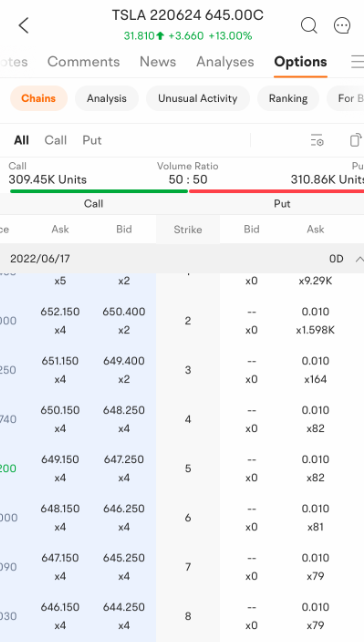
Images provided are not current and any securities are shown for illustrative purposes only.
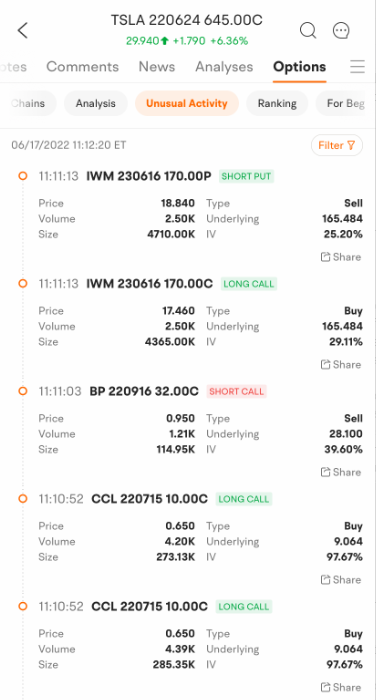
● Options Unusual Activity
Data is your edge in options trading. Through our platform, you get real-time data lists of large volume options transactions. This is often a sign a huge player like a bank or financial institution is buying or selling.
Images provided are not current and any securities are shown for illustrative purposes only.
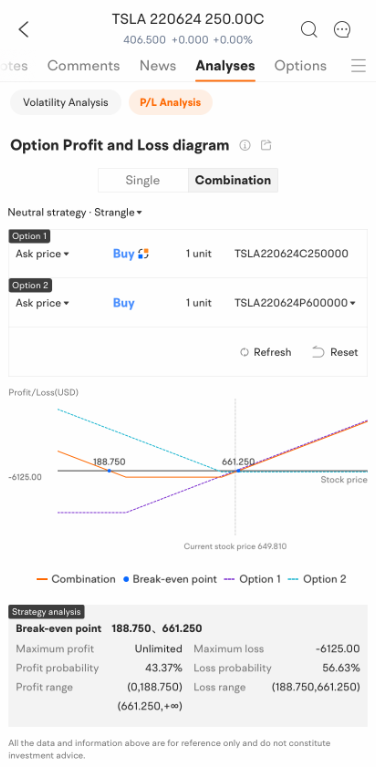
● P/L analysis
With P/L analysis, you will know the exact amount you could make or lose and the range of prices for that to happen. This is a useful tool to help you plan out your trades.
Images provided are not current and any securities are shown for illustrative purposes only.
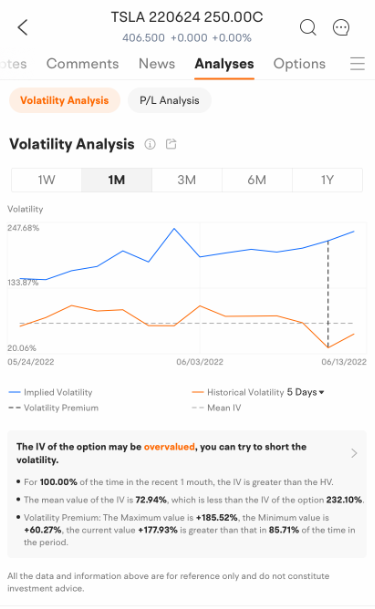
● Volatility analysis
The volatility analysis tool helps you view the relationship between the implied volatility of the current option and the historical volatility of each cycle.
Images provided are not current and any securities are shown for illustrative purposes only.
This presentation is for informational and educational use only and is not a recommendation or endorsement of any particular investment or investment strategy. Investment information provided in this content is general in nature, strictly for illustrative purposes, and may not be appropriate for all investors. Read more
Recommend
Moomoo Offers Extended Trading Hours for Options Trading on Oct 19
At-the-Money (ATM) - How It Works in Options Trading
Out-of-the-Money in Options Trading - How It Works & Examples

Covered Call: A Comprehensive Guide to Options Trading
Strangle Options Strategy - A Helpful Guide for Traders
Straddle vs. Strangle: Understanding the Key Differences
Triple Witching: Understanding Its Impact on the Stock Market
Underlying Asset: Definition, Types and Examples
What Are Option Premiums
Covered Calls and Covered Puts - Strategies for Options Trading
Expiration Date in Options Trading
Options Break-Even Point: Definition, Formula, and Examples
Credit Spread: Definition, Examples & How to Calculate
Bull Put Spread: Definitions, How It Works & Examples
How to Manage Your Risk in Options Trading
How to Pick the 'Right' Strike Price
Options Wheel Strategy Explained: Definition and How to Trade
Long Collar Options Strategy: Definition, How It Works & Examples
Long Call Options Strategy: Definition, Potential Benefits, and Risks
Exercise of Options: When and How to Exercise Options
Time Value: Definition, Calculation, Importance in Options Trading
Short Call Options Strategy: Guide & Examples
What Are Bitcoin ETF Options: Investment Insights & Strategies
Hedge with Options: Protect Your Portfolio in 2026
Options Chains: Definition, How to Read and Analyze Them
Options Profit Calculation: Overview, Formula & Examples
What is Theta in Options Trading: Overview and Strategies
Debit Spread: Definition, Types & Examples
Butterfly Spread: Definition and Application in Options Trading
What Is an Options Screener and How to Use?
Unusual Options Activity: Insights and Strategies for Traders
Protective Put Strategy: Definition, How It Works & Examples
What Are Stock Options: Types, How They Work and Examples
Weekly vs. Monthly Options: Choosing the Right Expiration Date
How to Practice Options Trading with Demo Trading Account
Sell to Open vs Sell to Close: Understanding the Difference
Long Put: Definition, Examples and How to Trade
Iron Condor: Understanding This Options Trading Strategy
Diagonal Spread: Definition, Types & How to Use
Implied Volatility (IV) Rank & Percentile in Options Trading
Trading Earnings with Options
Iron Butterfly: Mastering the Options Trading Strategy
Interest Rate Options: Definition & How They Work
Options Buy to Open vs Buy to Close: What's the difference?
Vertical Spread: Definition, Types, & Examples
Bear Put Spread: An Options Trading Strategy Explained
What is a Dividend Reinvestment Plan (DRIP)?
Put/Call Ratio (PCR): Definition & How to Use
How Are Options Priced? | Calculation and Examples
Naked Calls Options Strategy: Definition & How It Works
Options Vs. Futures: Understanding Their Key Differences
Extrinsic Value: Definition, Calculation, and Trading Strategies
Intrinsic Value: How It Works And How To Calculate It
Bull Call Spread - Examples and Applications in Options Trading
Index Options: Definitions, Strategies and Risks
Short Put Options: Strategies and Risks Explained
Quadruple Witching: How It Can Affect the Stock Market
What Are Options? Everything You Need to Know before Trading
Four Option Trading Strategies for Beginners
10 Options Strategies to Enhance Your Trading Portfolio
American Options vs. European Options
In-The-Money (ITM): Call and Put Options Examples
What is a Calendar Spread?
Open Interest: What it means for traders and investors
Options vs Stocks: Choosing the Right Investment Strategy
Options Strike Prices Explained: A Complete Guide for Beginners
Call vs Put Options: Your Essential Guide to the Basics
Zero Days to Expiration (0DTE) Options: Trade Mag 7 Stock Options Today
What Is An Options Contract? How Does It Work?
What is Synthetic Put? (How Does It Work)
How and When to Roll Covered Calls
Option Volume vs Open Interest: Understanding the Difference
4 Options Trading Levels
How to Trade Options for Beginners?
What Is Implied Volatility (IV)?
What Are Cash Secured Puts: How To Sell Them
What Is a Straddle Options Strategy?
What Is Ratio Spread in Options
What is a Call Option: Strategies and Tips
Taxes on Stocks: How Selling Stocks Affects Your Taxes
Option Greeks Explained - Option Greek Cheat Sheet
Put Options: Hedging Your Portfolio
Put Options: How to Use Them in Your Trading Strategy
Poor Man's Covered Call (PMCC): A Beginner's Guide
Four Option Trading Mistakes to Avoid
Trading Synthetic Options: Risks and Rewards
Call Spread vs. Put Spread: What are the differences?
What is stock options trading
What Is Margin Call and How Can You Avoid the Risks?
Options Trading Strategies: Iron Condor vs. Iron Butterfly
Moomoo Offers Extended Trading Hours for Options Trading on Oct 19
At-the-Money (ATM) - How It Works in Options Trading
Out-of-the-Money in Options Trading - How It Works & Examples
Covered Call: A Comprehensive Guide to Options Trading
Strangle Options Strategy - A Helpful Guide for Traders
Straddle vs. Strangle: Understanding the Key Differences
Triple Witching: Understanding Its Impact on the Stock Market
Underlying Asset: Definition, Types and Examples
What Are Option Premiums
Covered Calls and Covered Puts - Strategies for Options Trading
Expiration Date in Options Trading
Options Break-Even Point: Definition, Formula, and Examples
Credit Spread: Definition, Examples & How to Calculate
Bull Put Spread: Definitions, How It Works & Examples
How to Manage Your Risk in Options Trading
How to Pick the 'Right' Strike Price
Options Wheel Strategy Explained: Definition and How to Trade
Long Collar Options Strategy: Definition, How It Works & Examples
Long Call Options Strategy: Definition, Potential Benefits, and Risks
Exercise of Options: When and How to Exercise Options
Time Value: Definition, Calculation, Importance in Options Trading
Short Call Options Strategy: Guide & Examples
What Are Bitcoin ETF Options: Investment Insights & Strategies
Hedge with Options: Protect Your Portfolio in 2026
Options Chains: Definition, How to Read and Analyze Them
Options Profit Calculation: Overview, Formula & Examples
What is Theta in Options Trading: Overview and Strategies
Debit Spread: Definition, Types & Examples
Butterfly Spread: Definition and Application in Options Trading
What Is an Options Screener and How to Use?
Unusual Options Activity: Insights and Strategies for Traders
Protective Put Strategy: Definition, How It Works & Examples
What Are Stock Options: Types, How They Work and Examples
Weekly vs. Monthly Options: Choosing the Right Expiration Date
How to Practice Options Trading with Demo Trading Account
Sell to Open vs Sell to Close: Understanding the Difference
Long Put: Definition, Examples and How to Trade
Iron Condor: Understanding This Options Trading Strategy
Diagonal Spread: Definition, Types & How to Use
Implied Volatility (IV) Rank & Percentile in Options Trading
Trading Earnings with Options
Iron Butterfly: Mastering the Options Trading Strategy
Interest Rate Options: Definition & How They Work
Options Buy to Open vs Buy to Close: What's the difference?
Vertical Spread: Definition, Types, & Examples
Bear Put Spread: An Options Trading Strategy Explained
What is a Dividend Reinvestment Plan (DRIP)?
Put/Call Ratio (PCR): Definition & How to Use
How Are Options Priced? | Calculation and Examples
Naked Calls Options Strategy: Definition & How It Works
Options Vs. Futures: Understanding Their Key Differences
Extrinsic Value: Definition, Calculation, and Trading Strategies
Intrinsic Value: How It Works And How To Calculate It
Bull Call Spread - Examples and Applications in Options Trading
Index Options: Definitions, Strategies and Risks
Short Put Options: Strategies and Risks Explained
Quadruple Witching: How It Can Affect the Stock Market
What Are Options? Everything You Need to Know before Trading
Four Option Trading Strategies for Beginners
10 Options Strategies to Enhance Your Trading Portfolio
American Options vs. European Options
In-The-Money (ITM): Call and Put Options Examples
What is a Calendar Spread?
Open Interest: What it means for traders and investors
Options vs Stocks: Choosing the Right Investment Strategy
Options Strike Prices Explained: A Complete Guide for Beginners
Call vs Put Options: Your Essential Guide to the Basics
Zero Days to Expiration (0DTE) Options: Trade Mag 7 Stock Options Today
What Is An Options Contract? How Does It Work?
What is Synthetic Put? (How Does It Work)
How and When to Roll Covered Calls
Option Volume vs Open Interest: Understanding the Difference
4 Options Trading Levels
How to Trade Options for Beginners?
What Is Implied Volatility (IV)?
What Are Cash Secured Puts: How To Sell Them
What Is a Straddle Options Strategy?
What Is Ratio Spread in Options
What is a Call Option: Strategies and Tips
Taxes on Stocks: How Selling Stocks Affects Your Taxes
Option Greeks Explained - Option Greek Cheat Sheet
Put Options: Hedging Your Portfolio
Put Options: How to Use Them in Your Trading Strategy
Poor Man's Covered Call (PMCC): A Beginner's Guide
Four Option Trading Mistakes to Avoid
Trading Synthetic Options: Risks and Rewards
Call Spread vs. Put Spread: What are the differences?
What is stock options trading
What Is Margin Call and How Can You Avoid the Risks?
Options Trading Strategies: Iron Condor vs. Iron Butterfly

