
Moomoo Insights
Jul 16 15:38
TSMC Earnings: AI Demand Is Stronger Than the Chip Selloff Suggests
Moomoo Insights
Sep 30 05:04
Live Take | Anthropic’s $518B Compute Bet: Who Wins From the AI Buildout?
The wheel options strategy is an often-used approach used by option traders hoping to generate income. It is designed benefit from turning premiums received through the sale of options into consistent income.
This strategy involves a cyclical process of selling put options, potentially acquiring stock, and then selling call options on that stock. By repeating this cycle, it may be possible to generate consistent income while managing risk. Though relatively simple in concept, the wheel strategy requires a good understanding of options trading and risk management.
In this guide, we’ll break down the strategy's key elements and what you need to know to implement it.
The wheel strategy in options trading is a systematic, income-generating strategy that involves selling options in a repetitive cycle. It begins with selling cash-secured puts until the options are assigned. Once assigned, traders then sell covered calls against the newly acquired shares. After the covered calls are exercised, the cycle restarts by selling more cash-secured puts.
It is typically used by traders trying to generate consistent income, especially from stocks they are willing to own or already hold. The strategy combines selling cash-secured puts and covered calls.
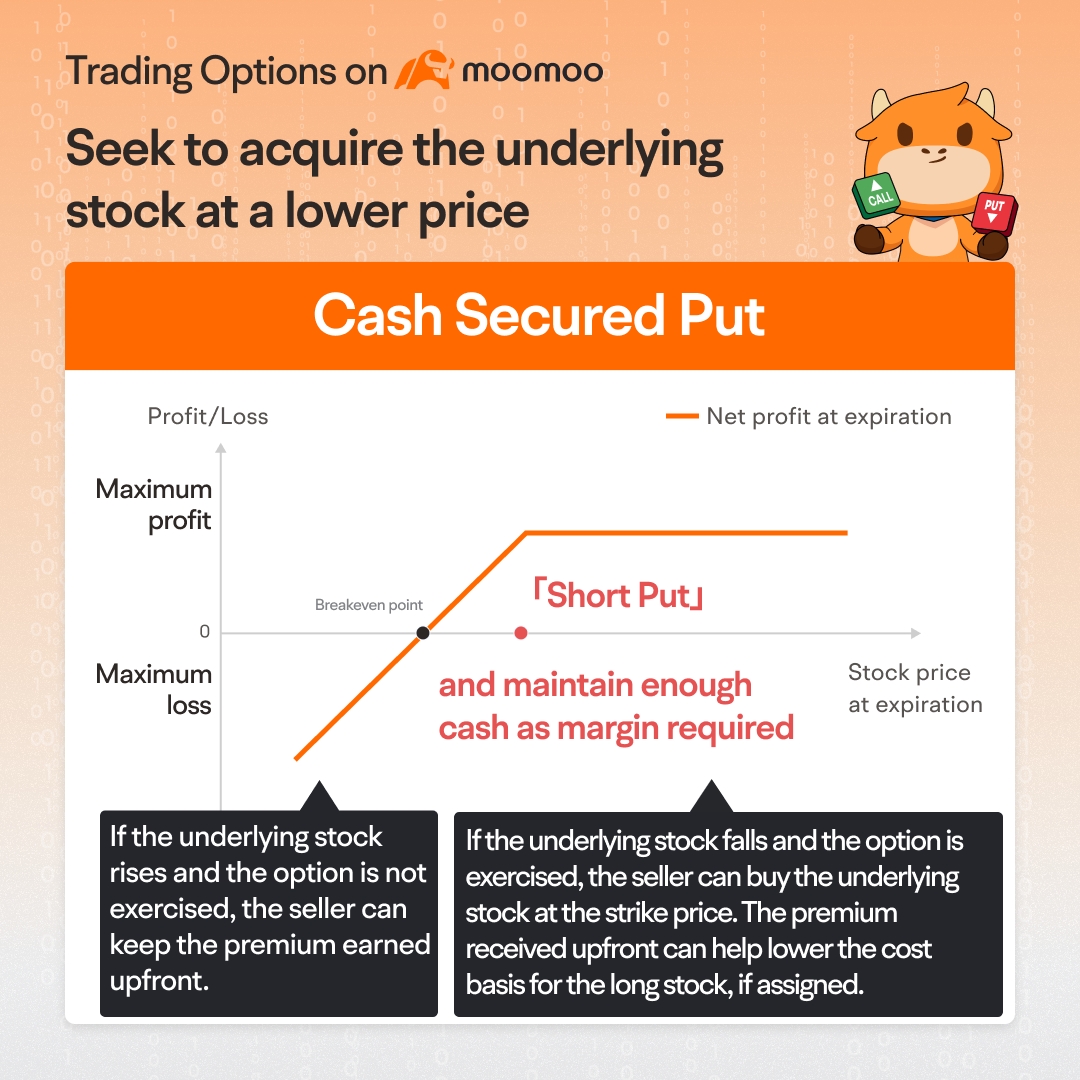
A cash-secured put is the initial step to potentially acquire shares of a stock at a "discounted" price. This allows you to subsequently sell covered calls against those shares, essentially creating a cycle of selling puts to acquire stock and then selling calls against that stock. The process is repeated to generate consistent income from option premiums; if the put option is exercised, you are obligated to buy the stock at the strike price using the cash you set aside as collateral, allowing you to then enter into a covered call position with those shares.
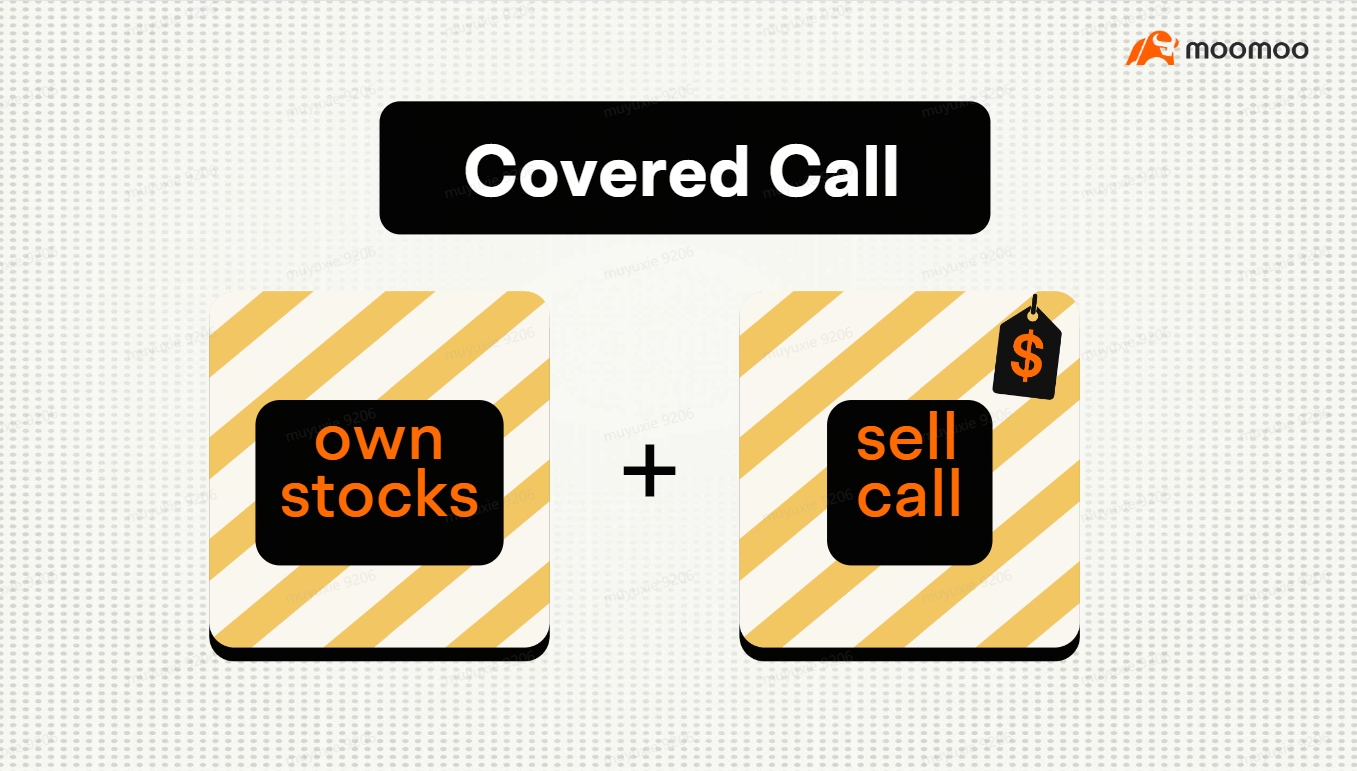
A covered call is the second step, which refers to the act of selling a call option against shares of stock that you already own, essentially generating additional income from the option premium while still maintaining ownership of the underlying stock.
This typically comes after initially acquiring those shares by selling a cash-secured put option as part of the "wheel" cycle; this allows you to collect premium on both the put and call sides of the trade, potentially lowering your overall cost basis on the stock.
The Wheel Strategy is characterized by its cyclical nature: it involves a repeating process where a trader sells cash-secured put options until assigned shares, then sells covered calls on those shares. It then repeats the cycle by selling puts again, essentially "turning the wheel" continuously to generate income from option premiums over time; this cycle can be repeated indefinitely, making it a cyclical trading strategy.
The theoretical maximum profit comes from collected premium: the premium from selling puts and the premium from selling covered calls plus any capital gains if the stock is called away at a higher strike price. However, there is no fixed maximum profit because it depends on the movement of the underlying stock and the premiums you receive.
In a scenario where the underlying stock price rises significantly, the profit scenario is as follows. The premium collected from selling the options (both puts and calls) throughout the trading cycle, along with the profit through an increase in the price of the underlying stock, is realized once the shares are called away when the stock price is above the call strike price at or before expiration. The covered call does, however, cap potential profit on the underlying stock at the strike price.
Essentially, the wheel strategy prioritizes consistent income through premiums over large potential gains from dramatic price increases. Knowing when to exit a position to lock in a profit can be a challenge. If you aim to exit early, it's difficult to know your option's theoretical value at a future price and date, which can lead to missed opportunities if you close a trade too soon. Moomoo’s Option Price Calculator helps address this by turning profit prediction into a data-driven process. By adjusting the target date and underlying stock price, the tool instantly computes the future theoretical value and estimated profit of an option. This allows you to "stress test" your trade and create more scientific exit strategies based on precise data instead of guesswork. Register for free on Moomoo to access the Option Price Calculator and make your trade expectations clearer and more precise.
The theoretical maximum loss occurs if the price of the underlying stock drops to zero. This can result in the loss of the full value of the stock.
The losses may be mitigated somewhat by the premiums received from selling the put and call options, but the strategy still carries significant risk if the underlying stock declines substantially.
While the strategy has a defined risk when selling puts, it introduces additional risk after acquiring the stock.
Trading the options wheel strategy involves a systematic process that combines selling put options, acquiring stock, and then selling call options on that stock. The strategy is cyclical, and the goal is to generate income from options premiums while managing risk.
Sell a put option at a strike price where you're willing to buy the stock if assigned. You are essentially setting a lower price to potentially buy the stock if assigned.
If the stock is assigned to you, you will purchase the stock at the strike price of the put option you sold. At this point, you own the stock, and your goal is to profit by selling calls on this stock to generate additional income.
Once assigned shares, sell a covered call option against the stock (this should match as one options contract equals 100 shares) to generate additional income, matching the quantity and keeping in mind the options multiplier (one contract per 100 shares).
Choose a strike price that is above the price at which you purchased the stock, setting a target price where you would be willing to sell your shares.
Like the puts, the call option has an expiration date. If the stock price does not exceed the strike price at expiration, the call expires worthless, and you keep the premium.
The wheel could be restarted if the shares are called away by assignment of the short call. The trader can keep repeating the process by selling cash-secured puts on the same stock, effectively "wheeling" between selling puts and the possibility of acquiring shares.
Let's say a trader sells a cash-secured put option with a strike price of $45, collecting a premium. The stock is currently trading at $50.
Here are two potential scenarios:
The put expires worthless: If the stock stays above $45 at expiration, the put option expires worthless, and the trader keeps the premium as profit. They can then repeat the process by selling another cash-secured put on the stock.
The put is assigned: If the stock drops below $45 by expiration, the trader is assigned 100 shares at $45. Once assigned the shares, the trader then sells a covered call option on those 100 shares with a slightly higher strike price (e.g., $47) to collect another premium for potential income.
Finding suitable tickers for the wheel strategy can be a challenge, as it requires stocks with steady activity and market attention. Moomoo's options market feature helps simplify this selection process by displaying top stocks ranked by options volume, open interest, and implied volatility. This allows you to quickly see which stocks have the most active trading, a significant number of outstanding contracts, or are expected to experience larger price movements. This information helps you identify stocks that may be more closely watched and easier to trade, allowing for more informed decisions. Download the Moomoo app to open the Options Market leaderboards and review activity and expected movement before placing your orders.
In the "wheel" options strategy, time decay is a key benefit, as the value of the options sold (both puts and calls) decreases over time, with all other factors constant, allowing the seller to potentially buy them back at a lower price or let them expire worthless, thus realizing some or all of the premium collected from selling them initially.
Adjusting a wheel trading strategy involves modifying your positions to respond to shifts in market conditions or to better manage risk. Here are some common adjustments:
Rolling options contracts: Extend your position while adjusting the strike price by rolling out and up if the stock moves against you but stays within range, or roll out and down if the stock moves in your favor.
Adjusting strike prices: Align strike prices with your outlook by rolling up if bullish and the stock rises, or roll down if bearish and the stock falls.
Monitor and adjust positions (as needed): Regularly review your open positions to identify potential risks and opportunities for adjustments.
Could generate consistent income through premiums from selling puts and calls.
Potential to buy stocks at a "discount" through put options.
Repeatability can allow for the opportunity to generate consistent income over time.
Significant downside risk if the stock price declines sharply.
Missed upside potential if the stock rises significantly (because of covered call strike caps).
Requires significant capital to secure puts and hold stocks.
The strategy can be complex and requires active management.
Select a stock you are willing to own.
Sell a cash-secured put at a strike price you are comfortable buying the stock.
Be prepared for assignment if the stock falls below the strike price.
Once assigned, sell a covered call on the stock you now own.
Be prepared for call assignment if the stock price rises above the strike price of the covered call.
Repeat the cycle by selling puts and calls as applicable.
The options wheel strategy can be profitable, but its success depends on several factors such as market conditions, the stock you choose, and how well you manage your positions. It’s also important to understand the risks and ensure you are comfortable with potentially holding the stock long-term or managing stock declines. The strategy tends to work best in neutral to slightly bullish markets and requires careful selection of stocks and strike prices to help optimize the premium income.
Since the strategy involves selling cash-secured puts and covered calls, you need to focus on stocks that you are comfortable owning and that fit well with the strategy's goal of generating consistent income. Some additional considerations include:
Selecting stable or slightly bullish stocks with more easily forecasted price movements. Avoid highly speculative or volatile stocks (e.g., penny stocks).
Strong fundamentals and financial stability.
Sufficient liquidity in the options market (tight bid-ask spreads, good open interest).
Moderate option premiums (look for stocks with moderate implied volatility).
Strike price selection: Consider stocks that you are comfortable owning at the strike price of the put.
The wheel strategy is generally considered bullish because you are willing to own the stock and typically benefit from a stable to slightly rising price. It’s also considered a neutral-to-bullish strategy that profits from collecting premiums and from potential capital gains if the underlying stock price rises.
It works better in sideways or moderately bullish markets but carries some risk if the stock falls significantly after being assigned.
This presentation is for informational and educational use only and is not a recommendation or endorsement of any particular investment or investment strategy. Investment information provided in this content is general in nature, strictly for illustrative purposes, and may not be appropriate for all investors. Read more
Recommend
Moomoo Offers Extended Trading Hours for Options Trading on Oct 19
At-the-Money (ATM) - How It Works in Options Trading
Out-of-the-Money in Options Trading - How It Works & Examples

Covered Call: A Comprehensive Guide to Options Trading
Strangle Options Strategy - A Helpful Guide for Traders
Straddle vs. Strangle: Understanding the Key Differences
Triple Witching: Understanding Its Impact on the Stock Market
Underlying Asset: Definition, Types and Examples
What Are Option Premiums
Covered Calls and Covered Puts - Strategies for Options Trading
Expiration Date in Options Trading
Options Break-Even Point: Definition, Formula, and Examples
Credit Spread: Definition, Examples & How to Calculate
Bull Put Spread: Definitions, How It Works & Examples
How to Manage Your Risk in Options Trading
How to Pick the 'Right' Strike Price
Options Wheel Strategy Explained: Definition and How to Trade
Long Collar Options Strategy: Definition, How It Works & Examples
Long Call Options Strategy: Definition, Potential Benefits, and Risks
Exercise of Options: When and How to Exercise Options
Time Value: Definition, Calculation, Importance in Options Trading
Short Call Options Strategy: Guide & Examples
What Are Bitcoin ETF Options: Investment Insights & Strategies
Hedge with Options: Protect Your Portfolio in 2026
Options Chains: Definition, How to Read and Analyze Them
Options Profit Calculation: Overview, Formula & Examples
What is Theta in Options Trading: Overview and Strategies
Debit Spread: Definition, Types & Examples
Butterfly Spread: Definition and Application in Options Trading
What Is an Options Screener and How to Use?
Unusual Options Activity: Insights and Strategies for Traders
Protective Put Strategy: Definition, How It Works & Examples
What Are Stock Options: Types, How They Work and Examples
Weekly vs. Monthly Options: Choosing the Right Expiration Date
How to Practice Options Trading with Demo Trading Account
Sell to Open vs Sell to Close: Understanding the Difference
Long Put: Definition, Examples and How to Trade
Iron Condor: Understanding This Options Trading Strategy
Diagonal Spread: Definition, Types & How to Use
Implied Volatility (IV) Rank & Percentile in Options Trading
Trading Earnings with Options
Iron Butterfly: Mastering the Options Trading Strategy
Interest Rate Options: Definition & How They Work
Options Buy to Open vs Buy to Close: What's the difference?
Vertical Spread: Definition, Types, & Examples
Bear Put Spread: An Options Trading Strategy Explained
What is a Dividend Reinvestment Plan (DRIP)?
Put/Call Ratio (PCR): Definition & How to Use
How Are Options Priced? | Calculation and Examples
Naked Calls Options Strategy: Definition & How It Works
Options Vs. Futures: Understanding Their Key Differences
Extrinsic Value: Definition, Calculation, and Trading Strategies
Intrinsic Value: How It Works And How To Calculate It
Bull Call Spread - Examples and Applications in Options Trading
Index Options: Definitions, Strategies and Risks
Short Put Options: Strategies and Risks Explained
Quadruple Witching: How It Can Affect the Stock Market
What Are Options? Everything You Need to Know before Trading
Four Option Trading Strategies for Beginners
10 Options Strategies to Enhance Your Trading Portfolio
American Options vs. European Options
In-The-Money (ITM): Call and Put Options Examples
What is a Calendar Spread?
Open Interest: What it means for traders and investors
Options vs Stocks: Choosing the Right Investment Strategy
Options Strike Prices Explained: A Complete Guide for Beginners
Call vs Put Options: Your Essential Guide to the Basics
Zero Days to Expiration (0DTE) Options: Trade Mag 7 Stock Options Today
What Is An Options Contract? How Does It Work?
What is Synthetic Put? (How Does It Work)
How and When to Roll Covered Calls
Option Volume vs Open Interest: Understanding the Difference
4 Options Trading Levels
How to Trade Options for Beginners?
What Is Implied Volatility (IV)?
What Are Cash Secured Puts: How To Sell Them
What Is a Straddle Options Strategy?
What Is Ratio Spread in Options
What is a Call Option: Strategies and Tips
Taxes on Stocks: How Selling Stocks Affects Your Taxes
Option Greeks Explained - Option Greek Cheat Sheet
Put Options: Hedging Your Portfolio
Put Options: How to Use Them in Your Trading Strategy
Poor Man's Covered Call (PMCC): A Beginner's Guide
Four Option Trading Mistakes to Avoid
Trading Synthetic Options: Risks and Rewards
Call Spread vs. Put Spread: What are the differences?
What is stock options trading
What Is Margin Call and How Can You Avoid the Risks?
Options Trading Strategies: Iron Condor vs. Iron Butterfly
Moomoo Offers Extended Trading Hours for Options Trading on Oct 19
At-the-Money (ATM) - How It Works in Options Trading
Out-of-the-Money in Options Trading - How It Works & Examples
Covered Call: A Comprehensive Guide to Options Trading
Strangle Options Strategy - A Helpful Guide for Traders
Straddle vs. Strangle: Understanding the Key Differences
Triple Witching: Understanding Its Impact on the Stock Market
Underlying Asset: Definition, Types and Examples
What Are Option Premiums
Covered Calls and Covered Puts - Strategies for Options Trading
Expiration Date in Options Trading
Options Break-Even Point: Definition, Formula, and Examples
Credit Spread: Definition, Examples & How to Calculate
Bull Put Spread: Definitions, How It Works & Examples
How to Manage Your Risk in Options Trading
How to Pick the 'Right' Strike Price
Options Wheel Strategy Explained: Definition and How to Trade
Long Collar Options Strategy: Definition, How It Works & Examples
Long Call Options Strategy: Definition, Potential Benefits, and Risks
Exercise of Options: When and How to Exercise Options
Time Value: Definition, Calculation, Importance in Options Trading
Short Call Options Strategy: Guide & Examples
What Are Bitcoin ETF Options: Investment Insights & Strategies
Hedge with Options: Protect Your Portfolio in 2026
Options Chains: Definition, How to Read and Analyze Them
Options Profit Calculation: Overview, Formula & Examples
What is Theta in Options Trading: Overview and Strategies
Debit Spread: Definition, Types & Examples
Butterfly Spread: Definition and Application in Options Trading
What Is an Options Screener and How to Use?
Unusual Options Activity: Insights and Strategies for Traders
Protective Put Strategy: Definition, How It Works & Examples
What Are Stock Options: Types, How They Work and Examples
Weekly vs. Monthly Options: Choosing the Right Expiration Date
How to Practice Options Trading with Demo Trading Account
Sell to Open vs Sell to Close: Understanding the Difference
Long Put: Definition, Examples and How to Trade
Iron Condor: Understanding This Options Trading Strategy
Diagonal Spread: Definition, Types & How to Use
Implied Volatility (IV) Rank & Percentile in Options Trading
Trading Earnings with Options
Iron Butterfly: Mastering the Options Trading Strategy
Interest Rate Options: Definition & How They Work
Options Buy to Open vs Buy to Close: What's the difference?
Vertical Spread: Definition, Types, & Examples
Bear Put Spread: An Options Trading Strategy Explained
What is a Dividend Reinvestment Plan (DRIP)?
Put/Call Ratio (PCR): Definition & How to Use
How Are Options Priced? | Calculation and Examples
Naked Calls Options Strategy: Definition & How It Works
Options Vs. Futures: Understanding Their Key Differences
Extrinsic Value: Definition, Calculation, and Trading Strategies
Intrinsic Value: How It Works And How To Calculate It
Bull Call Spread - Examples and Applications in Options Trading
Index Options: Definitions, Strategies and Risks
Short Put Options: Strategies and Risks Explained
Quadruple Witching: How It Can Affect the Stock Market
What Are Options? Everything You Need to Know before Trading
Four Option Trading Strategies for Beginners
10 Options Strategies to Enhance Your Trading Portfolio
American Options vs. European Options
In-The-Money (ITM): Call and Put Options Examples
What is a Calendar Spread?
Open Interest: What it means for traders and investors
Options vs Stocks: Choosing the Right Investment Strategy
Options Strike Prices Explained: A Complete Guide for Beginners
Call vs Put Options: Your Essential Guide to the Basics
Zero Days to Expiration (0DTE) Options: Trade Mag 7 Stock Options Today
What Is An Options Contract? How Does It Work?
What is Synthetic Put? (How Does It Work)
How and When to Roll Covered Calls
Option Volume vs Open Interest: Understanding the Difference
4 Options Trading Levels
How to Trade Options for Beginners?
What Is Implied Volatility (IV)?
What Are Cash Secured Puts: How To Sell Them
What Is a Straddle Options Strategy?
What Is Ratio Spread in Options
What is a Call Option: Strategies and Tips
Taxes on Stocks: How Selling Stocks Affects Your Taxes
Option Greeks Explained - Option Greek Cheat Sheet
Put Options: Hedging Your Portfolio
Put Options: How to Use Them in Your Trading Strategy
Poor Man's Covered Call (PMCC): A Beginner's Guide
Four Option Trading Mistakes to Avoid
Trading Synthetic Options: Risks and Rewards
Call Spread vs. Put Spread: What are the differences?
What is stock options trading
What Is Margin Call and How Can You Avoid the Risks?
Options Trading Strategies: Iron Condor vs. Iron Butterfly

