
Moomoo Insights
Jul 16 15:38
TSMC Earnings: AI Demand Is Stronger Than the Chip Selloff Suggests
Moomoo Insights
Sep 30 05:04
Live Take | Anthropic’s $518B Compute Bet: Who Wins From the AI Buildout?
Investors have different assets to choose from for their investment strategies and goals, including stocks and options. While they may want to focus on either stocks or stock options (also known as equity options), both have their potential pros and cons. It is important for investors to understand their differences before they consider trading them.
When it comes to stocks and options trading, these two assets have their differences. Depending on an investor's goals, experience, and strategies, one asset may be a better fit for them vs. another. Read below to learn about some potential stock and options differences through investments, their potential risks, and how they can be used together.
Here's a look at options vs shares:
Stocks | Options | |
Investor Type | Beginners and long-term investors | Active traders seeking flexibility and risk management |
Investment | Initial outlay of purchasing stock and potential to lose all of their investment | Less capital investment than owning an equivalent amount of shares of the underlying stock and finite time for the life of an options contract |
Potential Risks
Stocks:
Business (a company has a poor earnings reports)
Downside (a change in economic conditions)
Economic (a recession affects company sales)
Inflation
Political (change in government leadership)
Being too conservative with an investment
Options:
Market Options prices are influenced by the underlying asset’s price movements. If the market goes against your position, you may face losses.
Time Decay (Theta): Options lose value over time due to time decay. As an option approaches its expiration date, its value decreases and when holding options for too long, it can erode their worth.
Volatility: High volatility can benefit option traders, but it also increases the cost of options. Unexpected volatility changes can impact your position.
Liquidity: Some options have low trading volumes, making it difficult to buy or sell at desired prices.
Leverage: Options allow you to control a large position with a smaller investment; however, this leverage amplifies both gains and losses.
Assignment: If you sell options, there’s a chance of being assigned (obligated to fulfill the contract) and potential stock or cash delivery.
Complexity: Options involve various strategies (such as calls, puts, spreads, etc.) and understanding them is crucial to avoiding unintended consequences.
Margin Calls: If you trade options on margin, adverse price movements can trigger margin calls, requiring additional funds.
For a greater understanding, let's use an example to show risks for stocks and options. This will illustrate how an investor can potentially lose more money by purchasing a stock outright vs using an option to avoid potential losses if the market goes against the stock. But how can you visualize how your option might perform if the stock price moves? Instead of guessing, you can see it for yourself. With moomoo's visual Options Chain, a profit-and-loss analysis can be displayed for any contract with just one click. This lets you instantly see how much you might gain or lose at different price points. Download the moomoo app to use this feature today to make a more informed decision before you trade.
An investor may purchase a stock by spending $5,000. The stock may increase in value in the short-term (e.g. from a favorable earnings report or change in leadership) but a over time may face a market risk from unexpected news such as the death of a national leader or a declaration of war, potentially decreasing the stock's value (e.g. The stock could now be worth $3,500.)
But it can be a different picture by purchasing a call option vs the stock outright. An options holder may buy a call option with a premium of $4 (with the right to buy 100 shares of the underlying stock). If the call at expiration goes unexercised, the buyer only loses the premium paid of $400 vs. purchasing the stock initially in the market at $4,000 and potentially losing more. The options seller would keep the $400 premium if the options go unexercised.
A stock is a security that represents the ownership of a fraction of the issuing company. A stock unit is called a share and it gives the stock owner a proportional share of the company's assets and any potential profits (if the company has profits) that corresponds to how much stock they own in it.
Stocks are predominately bought and sold on stock exchanges. Many investors, of all levels, own stocks as the basis for their investment portfolios and may hold their stocks as long-term investments. Stock trades are regulated by a government agency, the Securities and Exchange Commission; it aims to protect investors from fraudulent business practices.
Stocks can include these pros and cons:
Dividends: Receive dividends from companies that pay them. Options holders are not eligible for dividends since an options contract with an underlying stock doesn't represent ownership of the stock.
Indefinite holding period: Hold stocks for an indefinite period of time, as a long-term investment, as long as the corporation continues trading publicly.
Low entry cost: Buy fractional shares of stock vs full shares. Investors can spend as low as $1 or $5 for a fractional share to participate in slice of the company vs. having to pay for an entire share.
Risk of loss: No guarantee for investors to earn a positive return and potential to lose the entire investment.
Limited leverage: No protection against market moves.
Stock options vs stock shares are different.
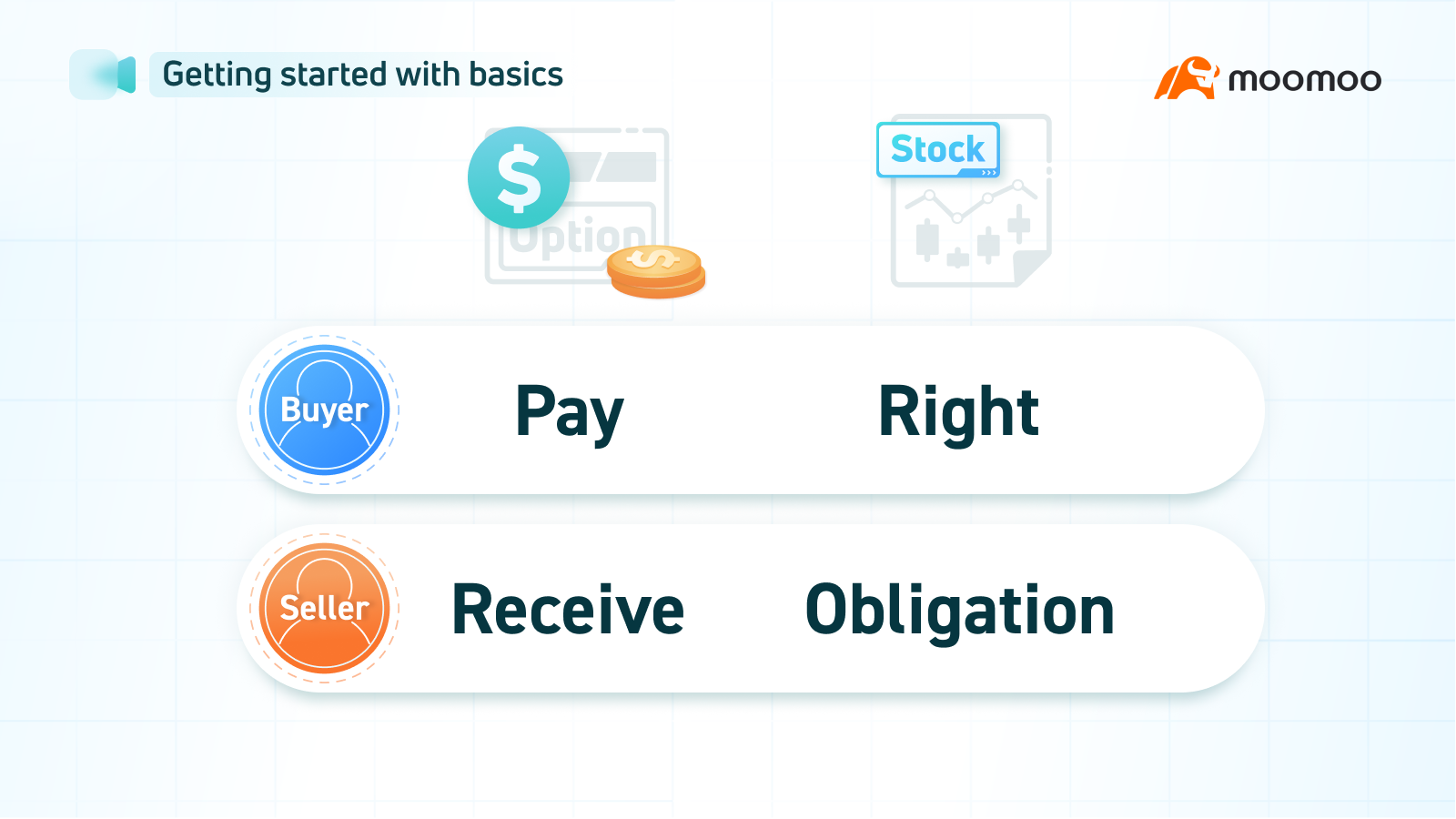
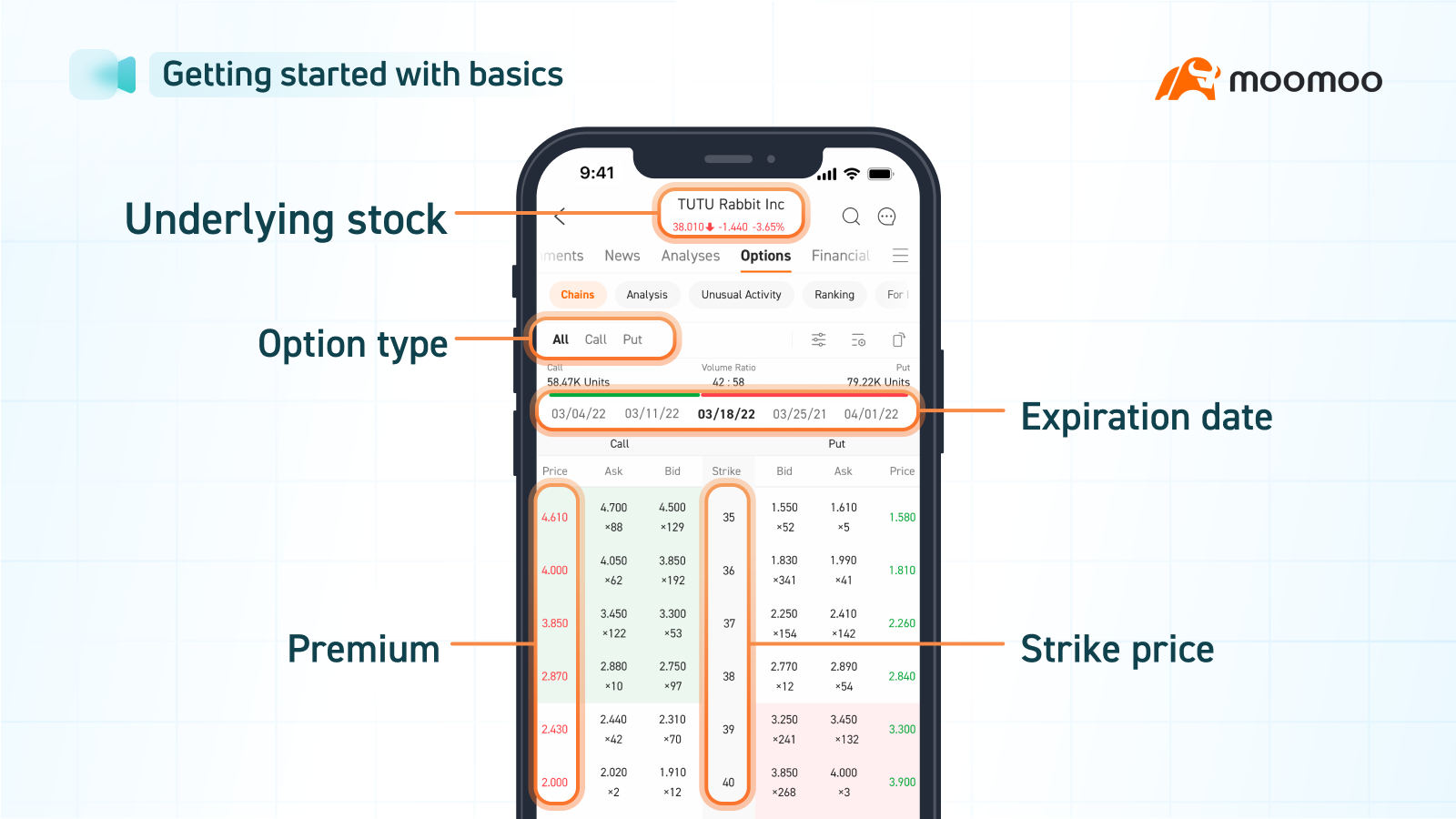
An option is a financial derivative that gives a buyer the right, but not the obligation, to purchase or sell a stock (or another asset) at a predetermined price (the strike price) by a specific expiration date. An options seller, also known as an options writer, takes on the obligation to sell (in the case of a call option) or buy (in the case of a put option) the underlying asset at the strike price, should the option holder decide to exercise their right. The options seller receives a premium from the option buyer in exchange for taking on this obligation.
A stock market option is common and sometimes called an equity option. Additionally, there are other underlying assets for option contracts such as ETFs or futures.
Options trading is often used for hedging and speculating and there are many different options strategies that can help investors meet their goals. Options contracts trade on exchanges and can be bought and sold through an online trading platform or a broker.
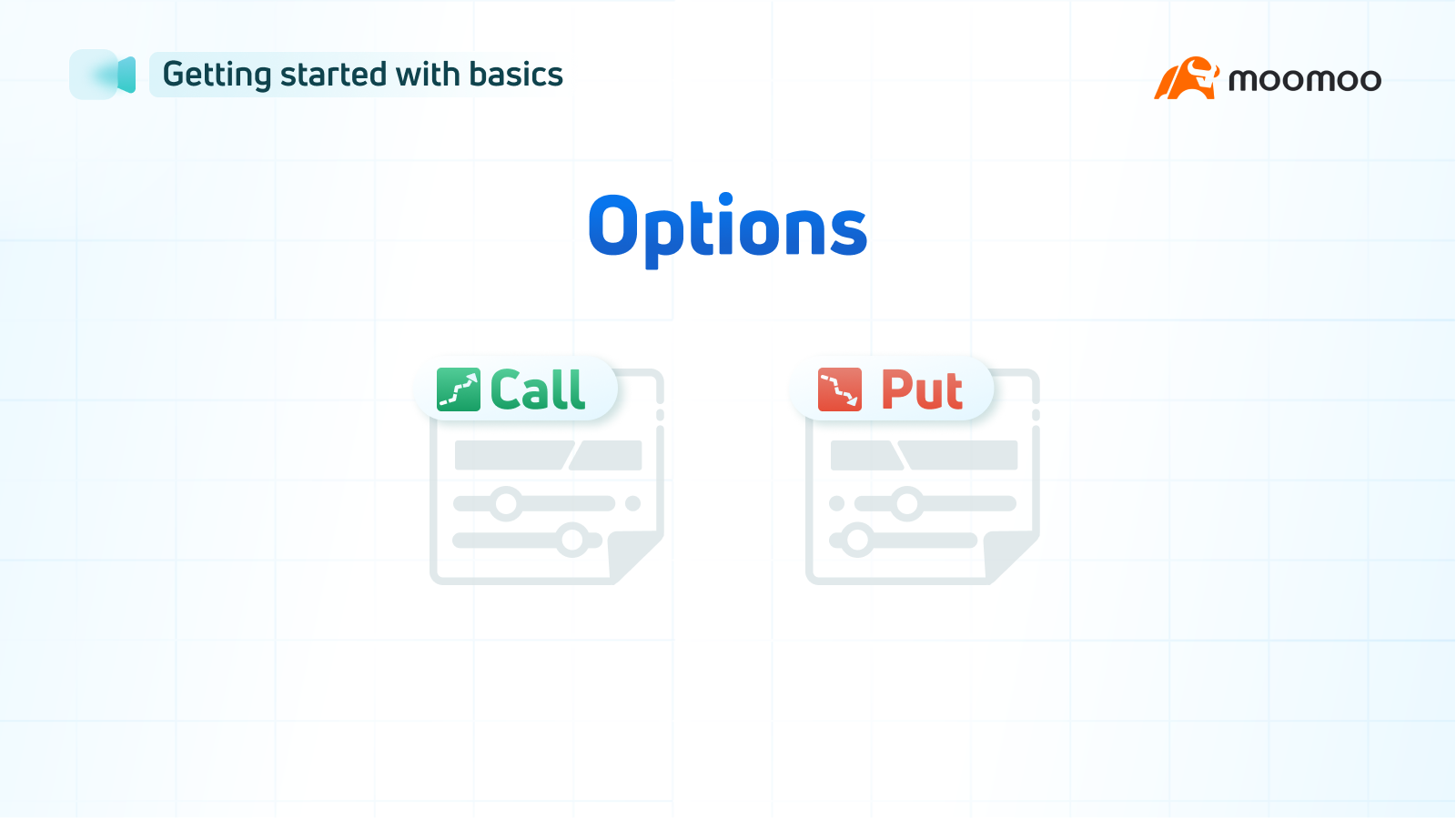
Stocks options vs stock shares are different. For options, there are two major types: calls and puts. Investors can buy or sell either and they will do so for different strategic reasons.
Another distinction is whether or not options are American style or European style. This defines when an options contract can be exercised. European style can only be exercised on the expiration date while American style can be exercised prior to the expiration date.
A call option is a contract that gives a buyer the right, but not the obligation, to buy an asset such as a stock, at a predetermined price within a specific period. A call seller must sell the asset if the buyer exercises the call.
With a short call option, the seller promises to sell the shares at a future fixed strike price. Short call options are mainly used for covered calls by the option seller, or when the seller already owns the underlying stock for their options. For those looking for stocks to use for a covered call strategy, Moomoo's Options Seller Dashboard is a dedicated screener that helps find potential opportunities to earn premiums. For example, you can easily filter for stocks that are suit your needs for writing covered calls, helping you turn your existing shares into a potential income stream. Explore the Options Sellers' Hub on moomoo to get started.
A put option is a contract that gives an option buyer the right, but not the obligation, to sell a specified amount of an underlying security at a set price within a specified time frame. This set (or predetermined) price enables a put option buyer to sell the underlying security at this price (or strike price).
A put option seller has the obligation to buy the underlying asset if the holder of the put option chooses to exercise it. Selling a put option can be a strategic move, especially if the investor believes the stock’s price will remain stable or rise; however, it also comes with potential obligations such as when a put option is exercised by the buyer, the put seller becomes obligated to receive the underlying shares from the buyer at the strike price.
A put's value will generally increase for the holder as the underlying stock value falls. Put options may be used to potentially profit from market downturns or to provide some protection for the underlying asset.
Options come with pros and cons, so it's important for investors to understand them before they consider trading them.
Limited downside on the buy side: Theoretically, the potential maximum loss is to only lose an option's premium value.
Less commitment: Benefit from stock movements without buying the security and depending on the type of options contract you trade and the expiration date, you may only be out the contract's premium.
More investment strategies: Contingent upon if you're an options buyer or seller, options can offer income, risk management, and other ways to help meet objectives through different strategies.
More complex: Challenging to understand not only the markets but also the relationship dynamic to the underlying asset
Risk of losses: Options trading is risky with the potential to only see short-term gains for shorter-dated options and limited time to execute your investment strategy due to options expirations. If you sell or write options losses can be significant. Especially selling call options where, if uncovered, the potential loss is unlimited.
For any option trade, you must know your bottom line. Moomoo's Break-even Analysis tool brings clarity to your trade by instantly calculating your break-even point, theoretical maximum potential profit, and theoretical maximum potential loss. Before committing capital, you can more clearly assess your risk and reward. Sign up for moomoo and analyze your next trade with a better understanding of its potential outcomes.
Stock options vs. shares — and trading options vs. stocks — are different terms and experiences. When it comes to which is a better choice, this is an independent decision.
Options and stocks can help you put money to work in the markets and help achieve investment goals; however, they bring risks and rewards. This may lead some investors to ask, is options trading worth it?
Stocks and options can be high risk and high reward, but there's also the possibility of losing it all.
Investors should educate themselves on both stocks and options. They may want to consider paper trading and to also create a trading plan before they begin trading.
Stock options (also called equity options) give an investor the right, but not the obligation, to buy shares of a stock at a predetermined price and date. One stock options contract equals 100 shares of the underlying stock and there are two stock options contract types: puts and calls.
Day traders buy and sell financial assets including stocks, futures or forex during the same trading day, by making quick decisions and trying to benefit from short-term price moves.
Options traders aren't typically day traders as they will trade contracts with an expiration date and at a fixed price, offering them the right to buy (call options) or sell (put options) assets. They will pay a premium (known as the market price) for these contracts.
Beginners should understand any potential risks before trading options. There are strategies that may help beginning options investors hedge and protect their downside risk, but it's important for them to take the time to educate themselves through many free online resources, such as learning centers and paper trading, and spend time following the markets.
To begin options trading, an investor needs to first open and be approved for an options trading account may be based on four different options trading levels, depending on the brokerage.
Then investors can utilize an options trading platform, such as moomoo, to enter orders. To begin, they can determine if they want to either buy or sell a call or a put and then select a strike price and expiration. Investors should continue watching the markets during the lifetime of the options contract and continue their options education.
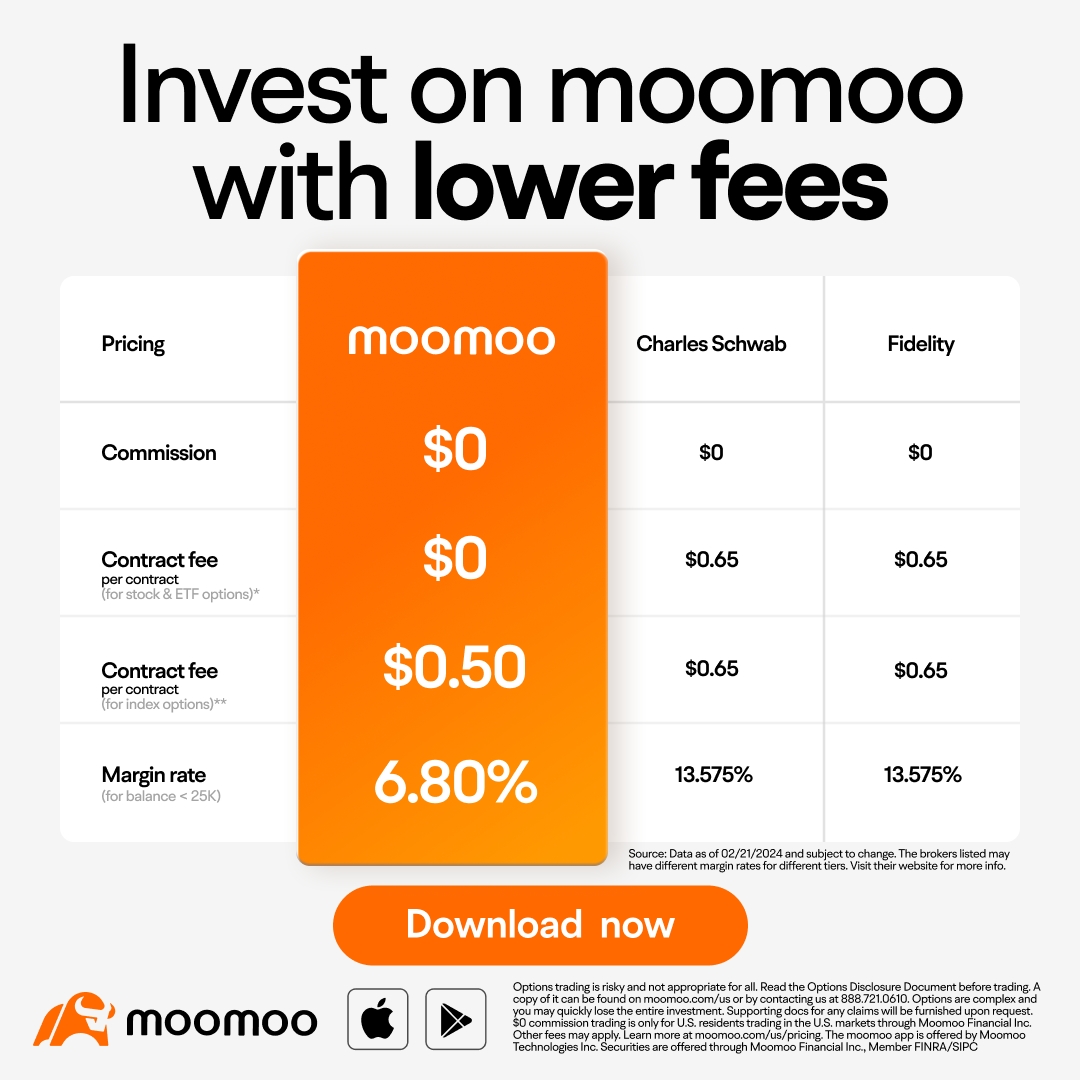
Disclaimer: $0 contract fees apply to equity options (stocks and ETFs) while index options will be subject to a $0.5 contract fee per contract. Other fees may apply. For more info, visit Moomoo pricing page.
This presentation is for informational and educational use only and is not a recommendation or endorsement of any particular investment or investment strategy. Investment information provided in this content is general in nature, strictly for illustrative purposes, and may not be appropriate for all investors. Read more
Recommend
Moomoo Offers Extended Trading Hours for Options Trading on Oct 19
At-the-Money (ATM) - How It Works in Options Trading
Out-of-the-Money in Options Trading - How It Works & Examples

Covered Call: A Comprehensive Guide to Options Trading
Strangle Options Strategy - A Helpful Guide for Traders
Straddle vs. Strangle: Understanding the Key Differences
Triple Witching: Understanding Its Impact on the Stock Market
Underlying Asset: Definition, Types and Examples
What Are Option Premiums
Covered Calls and Covered Puts - Strategies for Options Trading
Expiration Date in Options Trading
Options Break-Even Point: Definition, Formula, and Examples
Credit Spread: Definition, Examples & How to Calculate
Bull Put Spread: Definitions, How It Works & Examples
How to Manage Your Risk in Options Trading
How to Pick the 'Right' Strike Price
Options Wheel Strategy Explained: Definition and How to Trade
Long Collar Options Strategy: Definition, How It Works & Examples
Long Call Options Strategy: Definition, Potential Benefits, and Risks
Exercise of Options: When and How to Exercise Options
Time Value: Definition, Calculation, Importance in Options Trading
Short Call Options Strategy: Guide & Examples
What Are Bitcoin ETF Options: Investment Insights & Strategies
Hedge with Options: Protect Your Portfolio in 2026
Options Chains: Definition, How to Read and Analyze Them
Options Profit Calculation: Overview, Formula & Examples
What is Theta in Options Trading: Overview and Strategies
Debit Spread: Definition, Types & Examples
Butterfly Spread: Definition and Application in Options Trading
What Is an Options Screener and How to Use?
Unusual Options Activity: Insights and Strategies for Traders
Protective Put Strategy: Definition, How It Works & Examples
What Are Stock Options: Types, How They Work and Examples
Weekly vs. Monthly Options: Choosing the Right Expiration Date
How to Practice Options Trading with Demo Trading Account
Sell to Open vs Sell to Close: Understanding the Difference
Long Put: Definition, Examples and How to Trade
Iron Condor: Understanding This Options Trading Strategy
Diagonal Spread: Definition, Types & How to Use
Implied Volatility (IV) Rank & Percentile in Options Trading
Trading Earnings with Options
Iron Butterfly: Mastering the Options Trading Strategy
Interest Rate Options: Definition & How They Work
Options Buy to Open vs Buy to Close: What's the difference?
Vertical Spread: Definition, Types, & Examples
Bear Put Spread: An Options Trading Strategy Explained
What is a Dividend Reinvestment Plan (DRIP)?
Put/Call Ratio (PCR): Definition & How to Use
How Are Options Priced? | Calculation and Examples
Naked Calls Options Strategy: Definition & How It Works
Options Vs. Futures: Understanding Their Key Differences
Extrinsic Value: Definition, Calculation, and Trading Strategies
Intrinsic Value: How It Works And How To Calculate It
Bull Call Spread - Examples and Applications in Options Trading
Index Options: Definitions, Strategies and Risks
Short Put Options: Strategies and Risks Explained
Quadruple Witching: How It Can Affect the Stock Market
What Are Options? Everything You Need to Know before Trading
Four Option Trading Strategies for Beginners
10 Options Strategies to Enhance Your Trading Portfolio
American Options vs. European Options
In-The-Money (ITM): Call and Put Options Examples
What is a Calendar Spread?
Open Interest: What it means for traders and investors
Options vs Stocks: Choosing the Right Investment Strategy
Options Strike Prices Explained: A Complete Guide for Beginners
Call vs Put Options: Your Essential Guide to the Basics
Zero Days to Expiration (0DTE) Options: Trade Mag 7 Stock Options Today
What Is An Options Contract? How Does It Work?
What is Synthetic Put? (How Does It Work)
How and When to Roll Covered Calls
Option Volume vs Open Interest: Understanding the Difference
4 Options Trading Levels
How to Trade Options for Beginners?
What Is Implied Volatility (IV)?
What Are Cash Secured Puts: How To Sell Them
What Is a Straddle Options Strategy?
What Is Ratio Spread in Options
What is a Call Option: Strategies and Tips
Taxes on Stocks: How Selling Stocks Affects Your Taxes
Option Greeks Explained - Option Greek Cheat Sheet
Put Options: Hedging Your Portfolio
Put Options: How to Use Them in Your Trading Strategy
Poor Man's Covered Call (PMCC): A Beginner's Guide
Four Option Trading Mistakes to Avoid
Trading Synthetic Options: Risks and Rewards
Call Spread vs. Put Spread: What are the differences?
What is stock options trading
What Is Margin Call and How Can You Avoid the Risks?
Options Trading Strategies: Iron Condor vs. Iron Butterfly
Moomoo Offers Extended Trading Hours for Options Trading on Oct 19
At-the-Money (ATM) - How It Works in Options Trading
Out-of-the-Money in Options Trading - How It Works & Examples
Covered Call: A Comprehensive Guide to Options Trading
Strangle Options Strategy - A Helpful Guide for Traders
Straddle vs. Strangle: Understanding the Key Differences
Triple Witching: Understanding Its Impact on the Stock Market
Underlying Asset: Definition, Types and Examples
What Are Option Premiums
Covered Calls and Covered Puts - Strategies for Options Trading
Expiration Date in Options Trading
Options Break-Even Point: Definition, Formula, and Examples
Credit Spread: Definition, Examples & How to Calculate
Bull Put Spread: Definitions, How It Works & Examples
How to Manage Your Risk in Options Trading
How to Pick the 'Right' Strike Price
Options Wheel Strategy Explained: Definition and How to Trade
Long Collar Options Strategy: Definition, How It Works & Examples
Long Call Options Strategy: Definition, Potential Benefits, and Risks
Exercise of Options: When and How to Exercise Options
Time Value: Definition, Calculation, Importance in Options Trading
Short Call Options Strategy: Guide & Examples
What Are Bitcoin ETF Options: Investment Insights & Strategies
Hedge with Options: Protect Your Portfolio in 2026
Options Chains: Definition, How to Read and Analyze Them
Options Profit Calculation: Overview, Formula & Examples
What is Theta in Options Trading: Overview and Strategies
Debit Spread: Definition, Types & Examples
Butterfly Spread: Definition and Application in Options Trading
What Is an Options Screener and How to Use?
Unusual Options Activity: Insights and Strategies for Traders
Protective Put Strategy: Definition, How It Works & Examples
What Are Stock Options: Types, How They Work and Examples
Weekly vs. Monthly Options: Choosing the Right Expiration Date
How to Practice Options Trading with Demo Trading Account
Sell to Open vs Sell to Close: Understanding the Difference
Long Put: Definition, Examples and How to Trade
Iron Condor: Understanding This Options Trading Strategy
Diagonal Spread: Definition, Types & How to Use
Implied Volatility (IV) Rank & Percentile in Options Trading
Trading Earnings with Options
Iron Butterfly: Mastering the Options Trading Strategy
Interest Rate Options: Definition & How They Work
Options Buy to Open vs Buy to Close: What's the difference?
Vertical Spread: Definition, Types, & Examples
Bear Put Spread: An Options Trading Strategy Explained
What is a Dividend Reinvestment Plan (DRIP)?
Put/Call Ratio (PCR): Definition & How to Use
How Are Options Priced? | Calculation and Examples
Naked Calls Options Strategy: Definition & How It Works
Options Vs. Futures: Understanding Their Key Differences
Extrinsic Value: Definition, Calculation, and Trading Strategies
Intrinsic Value: How It Works And How To Calculate It
Bull Call Spread - Examples and Applications in Options Trading
Index Options: Definitions, Strategies and Risks
Short Put Options: Strategies and Risks Explained
Quadruple Witching: How It Can Affect the Stock Market
What Are Options? Everything You Need to Know before Trading
Four Option Trading Strategies for Beginners
10 Options Strategies to Enhance Your Trading Portfolio
American Options vs. European Options
In-The-Money (ITM): Call and Put Options Examples
What is a Calendar Spread?
Open Interest: What it means for traders and investors
Options vs Stocks: Choosing the Right Investment Strategy
Options Strike Prices Explained: A Complete Guide for Beginners
Call vs Put Options: Your Essential Guide to the Basics
Zero Days to Expiration (0DTE) Options: Trade Mag 7 Stock Options Today
What Is An Options Contract? How Does It Work?
What is Synthetic Put? (How Does It Work)
How and When to Roll Covered Calls
Option Volume vs Open Interest: Understanding the Difference
4 Options Trading Levels
How to Trade Options for Beginners?
What Is Implied Volatility (IV)?
What Are Cash Secured Puts: How To Sell Them
What Is a Straddle Options Strategy?
What Is Ratio Spread in Options
What is a Call Option: Strategies and Tips
Taxes on Stocks: How Selling Stocks Affects Your Taxes
Option Greeks Explained - Option Greek Cheat Sheet
Put Options: Hedging Your Portfolio
Put Options: How to Use Them in Your Trading Strategy
Poor Man's Covered Call (PMCC): A Beginner's Guide
Four Option Trading Mistakes to Avoid
Trading Synthetic Options: Risks and Rewards
Call Spread vs. Put Spread: What are the differences?
What is stock options trading
What Is Margin Call and How Can You Avoid the Risks?
Options Trading Strategies: Iron Condor vs. Iron Butterfly

