
Moomoo Insights
Jul 16 15:38
TSMC Earnings: AI Demand Is Stronger Than the Chip Selloff Suggests
Moomoo Insights
Sep 30 05:04
Live Take | Anthropic’s $518B Compute Bet: Who Wins From the AI Buildout?
Investors have different ways they can hedge in the financial markets. Utilizing two popular contracts, futures and options, is one way.
Futures and options trading can allow the holder of the contract to buy or sell an investment at a specific price by a specific date; however, there's a big difference: the holder of a futures contract is required to buy the underlying asset on a specified future date, while with an option contract, it is an "option" to buy the underlying asset, not a requirement.
There are additional differences in the rules for options and futures contracts, and in the risks they may pose to investors. Understanding these is key before using them.
Read on to learn more.
When it comes to financial derivatives, options and futures are two prominent instruments available to some traders and investors. Although they share some similarities, here's a few differences that can make them more appropriate for different trading strategies and risk profiles.
Options | Futures | |
Potential uses | Active traders who want flexibility and who are seeking to hedge their portfolio or speculate on price movements in the market | Traders seeking to hedge their portfolio or speculate on price movements in the market |
Contract holder | The holder has the right, but not the obligation, to buy an underlying asset. | Holder is required to take ownership of underlying asset. |
Future price | Future price specified in the contract (strike price) | Price of the future purchase determined by the current market price vs a strike price |
Value changes | Value can quickly decline throughout time and widely fluctuate from underlying asset value changes. | Less volatile price changes |
Type of investments | Underlying asset is commonly a financial instrument, such as a bond, or stock. | Physical commodity, such as a wheat or corn or financial instrument like a bond |
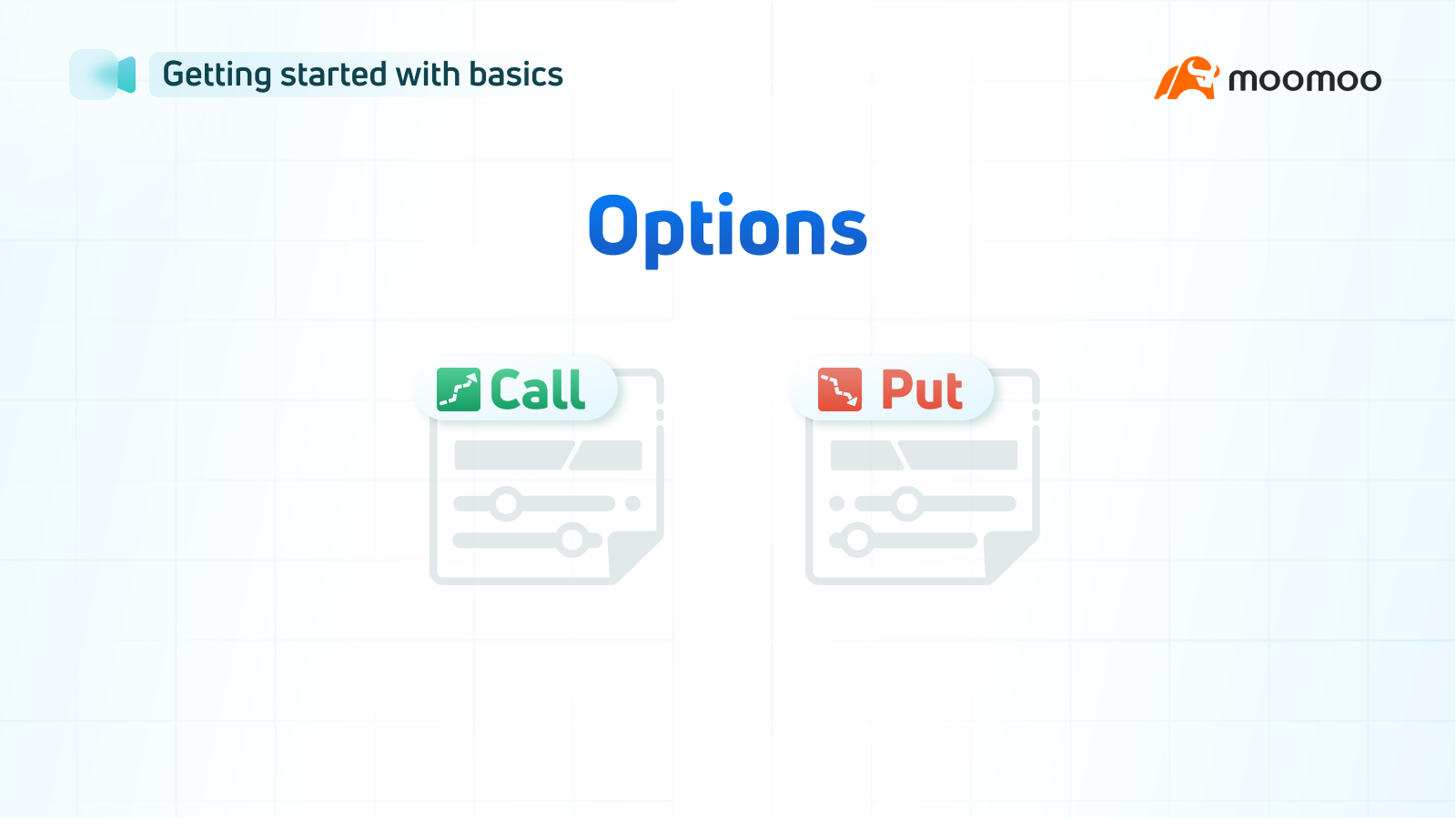
Options are financial derivatives that provide holders with the right, but not the obligation, to buy or sell an underlying asset at a predetermined price on or before a specified expiration date.
These contracts are commonly used by some investors to hedge risk, speculate on price movements, or leverage investment positions with relatively lower capital outlay compared to purchasing the underlying asset directly. There are two primary types of options: calls and puts.
While options are available on many stocks, a practical challenge for many is deciding which tickers are suitable for an options strategy. Without clear market signals, it can be difficult to identify stocks with active and liquid options markets. To simplify this, moomoo’s Options Rankings feature provides leaderboards that rank stocks by key metrics like options volume, open interest, and implied volatility. This data helps you quickly find stocks with high trading activity (volume), a large number of outstanding contracts (open interest), or higher expected price swings (implied volatility). Using these tools on the Moomoo app can help you make more informed decisions when selecting a stock for your next options trade. Download the app to check out the Options Rankings leaderboards and add these powerful metrics to your trading preparation.
Options can be classified into different types based on their characteristics, underlying assets, and their strategies. Two primary types of options are calls and puts, but there are also specialized options such as American options, European options, binary options, and index options. In this article, we're going to focus on calls and puts.
A call option gives the buyer the right, but not the obligation, to buy a certain asset at a predetermined price (the strike price) within a specific time period. The buyer pays a fee (the premium) to enter into the contract, but they can choose whether or not to exercise the option.
A call option buyer, also known as a holder, has the right to buy a financial asset at a predetermined price within a specific time frame, but is not obligated to do so. The buyer can exercise their option at or before the expiration date if the asset's price increases above the strike price (in-the-money). They will take delivery of the asset while this action obligates the seller to deliver the asset at that price.
The buyer can also choose to sell the contract at its market price before the expiration date. They may choose to do so if the underlying security trades below the strike price (out of the money). The seller can potentially profit from the premium paid by the buyer.
A put option gives the buyer the right, but not the obligation, to sell a specified amount of an underlying security at a predetermined price (the strike price) within a specified time frame. To potentially profit from a put option, an investor wants the price of the underlying asset to decrease. If the price goes below the strike price, the put option is said to be “in the money.” An investor can exercise the option and sell the asset at the strike price (higher than the current market price) or sell the put option in the marketplace.
Flexibility and typically lower capital than outright buying, selling, or shorting stocks.
Can be used to potentially generate income
Can allow investors to diversify their portfolios across asset classes
Can be used to help protect against some portfolio losses
Some investors can choose among more investment strategies than with stocks.
Options transactions are often complex and may involve the potential of losing the entire investment (or more) in a relatively short period of time.
Involves understanding technical concepts and regulations, which is inappropriate for inexperienced traders.
Because of its expiration date, part of an option's value is determined by how long it has until expiration (known as time decay).
Options are available on a many stocks but the number of different contracts (strike prices and expirations) is still limited.
The risk for sellers of options is extremely high because potential losses can be unlimited.
Futures contracts obligate the buyer to purchase an asset, or the seller to sell an asset, at a predetermined future date and price. The asset could be a physical commodity or a financial instrument.
Investors can use futures contracts to speculate on the price movement of the underlying asset, or by producers and consumers of the commodities to hedge against potential price movements. Investors can seek to profit from the price difference if the price movement is in their favor. Producers and consumers can secure a known price for the commodity, reducing their risk of price fluctuations.
Futures can be structured with these underlying assets.
Commodities: Physical commodities including agricultural commodities such as wheat, corn or lumber. Precious metals including gold, silver, and copper, as well as natural resources (crude oil and natural gas).
Currencies: Exchange rates of global currencies like the euro or the British pound
Interest rates: Interest rates of certain financial instruments for bonds or other financial securities
Stock market indices: Based on the performance of a specific stock market index such as the S&P 500.
Cryptocurrencies: Based on the value of cryptocurrencies like bitcoin or ethereum.
Can be used to hedge against price fluctuations in the underlying asset, potentially helping to protect buyers and sellers from unexpected changes in market conditions.
Because they require only a small initial margin, can provide significant leverage, allowing traders to control large amounts of the underlying asset with a relatively small amount of capital.
Typically very liquid, making it easy to enter and exit positions.
Can help in price discovery, providing potentially useful information about market expectations for future prices.
The same leverage that can amplify potential profits can also potentially amplify losses. If the market moves against a trader’s position, they can lose more than their initial investment.
Once a futures contract is opened, the buyer and seller have no control over future unexpected events, such as a drought, that may affect the price of the underlying asset.
In some cases, large traders or institutions may attempt to manipulate futures prices to their advantage.
When a futures contract expires, a trader must either accept delivery of the underlying asset or roll their position into a new contract, potentially leading to additional costs or risks.
And considered both a pro and a con: Futures offer almost a 24-hour market.
Deciding whether stock options and futures are a better fit for you depends on your individual investment goals, risk tolerance, and trading strategy. Each financial instrument has its own features, potential advantages, and risks, making them preferred by different types of traders and investors. Options can offer more pre-determined parameters to manage strategic flexibility, while futures can provide leveraged potential opportunities for larger gains and can be useful for hedging on a large scale.
Each plays a unique role and caters to varying investment goals and strategies. Some key differences among stocks, futures, and options include:
Buying stocks grants ownership in a company, while futures and options are contractual agreements with no ownership of the underlying asset unless exercised.
Stocks are typically purchased outright with no inherent leverage while futures involve substantial leverage, usually leading to high potential returns or losses. Options also involve leverage but with a capped downside risk for buyers, depending on the strategy. Some naked options involve unlimited risks to the upside.
Stocks can be held indefinitely but futures have specific expiration dates, and options have expiration dates which dictate the exercise period.
Stocks have unlimited potential for gain or loss based on the company's performance. In futures trading, there's potential for unlimited risk and reward as short positions can create unlimited risk; there's no limit to how high the price of the shortened position can go while unlimited reward can come from potential gains and losses exceeding the initial margin paid. For options trading, options have an expiration date which dynamically affects their value, declining the closer they get to expiration.
An option buyer’s risk is generally limited to the price paid for the premium, while potential profits can be significant, depending on the strategy. For an option seller, there's a possible assignment risk as they may be required to fulfill the contract by buying or selling the underlying security at the strike price. And for both buyers and sellers, there's the risk of volatility as changes in the price or volatility of the underlying asset can cause large price swings in an option.
Options and futures can provide significant leverage, but they do so differently.
Futures contracts can provide higher leverage and may only require investors to put up between 3% to 12% of the notional (or cash) value of the contract. Futures may be more straightforward, but they come with potentially greater risk.
Options can offer leverage as an option buyer can do so by paying a relatively small premium for market exposure but an option's value decays over time.
Keep in mind that it's important to understand these two different instruments before trading them.
Investing in futures contracts carries a significant amount of risk and is generally considered riskier than investing in more traditional assets like stocks or bonds. Futures are leveraged financial instruments (a small movement in the underlying asset's price can result in disproportionately large gains or losses), making futures trading highly volatile.
Additional risks include maintaining a margin account (be prepared to meet potential margin calls which occurs when an account's initial margin falls below the maintenance margin level), and market unpredictability from natural disasters or political events. It's important to understand market dynamics, and evaluate risk tolerance and investment goals, before participating in the futures market.
This presentation is for informational and educational use only and is not a recommendation or endorsement of any particular investment or investment strategy. Investment information provided in this content is general in nature, strictly for illustrative purposes, and may not be appropriate for all investors. Read more
Recommend
Moomoo Offers Extended Trading Hours for Options Trading on Oct 19
At-the-Money (ATM) - How It Works in Options Trading
Out-of-the-Money in Options Trading - How It Works & Examples

Covered Call: A Comprehensive Guide to Options Trading
Strangle Options Strategy - A Helpful Guide for Traders
Straddle vs. Strangle: Understanding the Key Differences
Triple Witching: Understanding Its Impact on the Stock Market
Underlying Asset: Definition, Types and Examples
What Are Option Premiums
Covered Calls and Covered Puts - Strategies for Options Trading
Expiration Date in Options Trading
Options Break-Even Point: Definition, Formula, and Examples
Credit Spread: Definition, Examples & How to Calculate
Bull Put Spread: Definitions, How It Works & Examples
How to Manage Your Risk in Options Trading
How to Pick the 'Right' Strike Price
Options Wheel Strategy Explained: Definition and How to Trade
Long Collar Options Strategy: Definition, How It Works & Examples
Long Call Options Strategy: Definition, Potential Benefits, and Risks
Exercise of Options: When and How to Exercise Options
Time Value: Definition, Calculation, Importance in Options Trading
Short Call Options Strategy: Guide & Examples
What Are Bitcoin ETF Options: Investment Insights & Strategies
Hedge with Options: Protect Your Portfolio in 2026
Options Chains: Definition, How to Read and Analyze Them
Options Profit Calculation: Overview, Formula & Examples
What is Theta in Options Trading: Overview and Strategies
Debit Spread: Definition, Types & Examples
Butterfly Spread: Definition and Application in Options Trading
What Is an Options Screener and How to Use?
Unusual Options Activity: Insights and Strategies for Traders
Protective Put Strategy: Definition, How It Works & Examples
What Are Stock Options: Types, How They Work and Examples
Weekly vs. Monthly Options: Choosing the Right Expiration Date
How to Practice Options Trading with Demo Trading Account
Sell to Open vs Sell to Close: Understanding the Difference
Long Put: Definition, Examples and How to Trade
Iron Condor: Understanding This Options Trading Strategy
Diagonal Spread: Definition, Types & How to Use
Implied Volatility (IV) Rank & Percentile in Options Trading
Trading Earnings with Options
Iron Butterfly: Mastering the Options Trading Strategy
Interest Rate Options: Definition & How They Work
Options Buy to Open vs Buy to Close: What's the difference?
Vertical Spread: Definition, Types, & Examples
Bear Put Spread: An Options Trading Strategy Explained
What is a Dividend Reinvestment Plan (DRIP)?
Put/Call Ratio (PCR): Definition & How to Use
How Are Options Priced? | Calculation and Examples
Naked Calls Options Strategy: Definition & How It Works
Options Vs. Futures: Understanding Their Key Differences
Extrinsic Value: Definition, Calculation, and Trading Strategies
Intrinsic Value: How It Works And How To Calculate It
Bull Call Spread - Examples and Applications in Options Trading
Index Options: Definitions, Strategies and Risks
Short Put Options: Strategies and Risks Explained
Quadruple Witching: How It Can Affect the Stock Market
What Are Options? Everything You Need to Know before Trading
Four Option Trading Strategies for Beginners
10 Options Strategies to Enhance Your Trading Portfolio
American Options vs. European Options
In-The-Money (ITM): Call and Put Options Examples
What is a Calendar Spread?
Open Interest: What it means for traders and investors
Options vs Stocks: Choosing the Right Investment Strategy
Options Strike Prices Explained: A Complete Guide for Beginners
Call vs Put Options: Your Essential Guide to the Basics
Zero Days to Expiration (0DTE) Options: Trade Mag 7 Stock Options Today
What Is An Options Contract? How Does It Work?
What is Synthetic Put? (How Does It Work)
How and When to Roll Covered Calls
Option Volume vs Open Interest: Understanding the Difference
4 Options Trading Levels
How to Trade Options for Beginners?
What Is Implied Volatility (IV)?
What Are Cash Secured Puts: How To Sell Them
What Is a Straddle Options Strategy?
What Is Ratio Spread in Options
What is a Call Option: Strategies and Tips
Taxes on Stocks: How Selling Stocks Affects Your Taxes
Option Greeks Explained - Option Greek Cheat Sheet
Put Options: Hedging Your Portfolio
Put Options: How to Use Them in Your Trading Strategy
Poor Man's Covered Call (PMCC): A Beginner's Guide
Four Option Trading Mistakes to Avoid
Trading Synthetic Options: Risks and Rewards
Call Spread vs. Put Spread: What are the differences?
What is stock options trading
What Is Margin Call and How Can You Avoid the Risks?
Options Trading Strategies: Iron Condor vs. Iron Butterfly
Moomoo Offers Extended Trading Hours for Options Trading on Oct 19
At-the-Money (ATM) - How It Works in Options Trading
Out-of-the-Money in Options Trading - How It Works & Examples
Covered Call: A Comprehensive Guide to Options Trading
Strangle Options Strategy - A Helpful Guide for Traders
Straddle vs. Strangle: Understanding the Key Differences
Triple Witching: Understanding Its Impact on the Stock Market
Underlying Asset: Definition, Types and Examples
What Are Option Premiums
Covered Calls and Covered Puts - Strategies for Options Trading
Expiration Date in Options Trading
Options Break-Even Point: Definition, Formula, and Examples
Credit Spread: Definition, Examples & How to Calculate
Bull Put Spread: Definitions, How It Works & Examples
How to Manage Your Risk in Options Trading
How to Pick the 'Right' Strike Price
Options Wheel Strategy Explained: Definition and How to Trade
Long Collar Options Strategy: Definition, How It Works & Examples
Long Call Options Strategy: Definition, Potential Benefits, and Risks
Exercise of Options: When and How to Exercise Options
Time Value: Definition, Calculation, Importance in Options Trading
Short Call Options Strategy: Guide & Examples
What Are Bitcoin ETF Options: Investment Insights & Strategies
Hedge with Options: Protect Your Portfolio in 2026
Options Chains: Definition, How to Read and Analyze Them
Options Profit Calculation: Overview, Formula & Examples
What is Theta in Options Trading: Overview and Strategies
Debit Spread: Definition, Types & Examples
Butterfly Spread: Definition and Application in Options Trading
What Is an Options Screener and How to Use?
Unusual Options Activity: Insights and Strategies for Traders
Protective Put Strategy: Definition, How It Works & Examples
What Are Stock Options: Types, How They Work and Examples
Weekly vs. Monthly Options: Choosing the Right Expiration Date
How to Practice Options Trading with Demo Trading Account
Sell to Open vs Sell to Close: Understanding the Difference
Long Put: Definition, Examples and How to Trade
Iron Condor: Understanding This Options Trading Strategy
Diagonal Spread: Definition, Types & How to Use
Implied Volatility (IV) Rank & Percentile in Options Trading
Trading Earnings with Options
Iron Butterfly: Mastering the Options Trading Strategy
Interest Rate Options: Definition & How They Work
Options Buy to Open vs Buy to Close: What's the difference?
Vertical Spread: Definition, Types, & Examples
Bear Put Spread: An Options Trading Strategy Explained
What is a Dividend Reinvestment Plan (DRIP)?
Put/Call Ratio (PCR): Definition & How to Use
How Are Options Priced? | Calculation and Examples
Naked Calls Options Strategy: Definition & How It Works
Options Vs. Futures: Understanding Their Key Differences
Extrinsic Value: Definition, Calculation, and Trading Strategies
Intrinsic Value: How It Works And How To Calculate It
Bull Call Spread - Examples and Applications in Options Trading
Index Options: Definitions, Strategies and Risks
Short Put Options: Strategies and Risks Explained
Quadruple Witching: How It Can Affect the Stock Market
What Are Options? Everything You Need to Know before Trading
Four Option Trading Strategies for Beginners
10 Options Strategies to Enhance Your Trading Portfolio
American Options vs. European Options
In-The-Money (ITM): Call and Put Options Examples
What is a Calendar Spread?
Open Interest: What it means for traders and investors
Options vs Stocks: Choosing the Right Investment Strategy
Options Strike Prices Explained: A Complete Guide for Beginners
Call vs Put Options: Your Essential Guide to the Basics
Zero Days to Expiration (0DTE) Options: Trade Mag 7 Stock Options Today
What Is An Options Contract? How Does It Work?
What is Synthetic Put? (How Does It Work)
How and When to Roll Covered Calls
Option Volume vs Open Interest: Understanding the Difference
4 Options Trading Levels
How to Trade Options for Beginners?
What Is Implied Volatility (IV)?
What Are Cash Secured Puts: How To Sell Them
What Is a Straddle Options Strategy?
What Is Ratio Spread in Options
What is a Call Option: Strategies and Tips
Taxes on Stocks: How Selling Stocks Affects Your Taxes
Option Greeks Explained - Option Greek Cheat Sheet
Put Options: Hedging Your Portfolio
Put Options: How to Use Them in Your Trading Strategy
Poor Man's Covered Call (PMCC): A Beginner's Guide
Four Option Trading Mistakes to Avoid
Trading Synthetic Options: Risks and Rewards
Call Spread vs. Put Spread: What are the differences?
What is stock options trading
What Is Margin Call and How Can You Avoid the Risks?
Options Trading Strategies: Iron Condor vs. Iron Butterfly

