
Moomoo Insights
Jul 16 15:38
TSMC Earnings: AI Demand Is Stronger Than the Chip Selloff Suggests
Moomoo Insights
Sep 30 05:04
Live Take | Anthropic’s $518B Compute Bet: Who Wins From the AI Buildout?
Options contracts come with different underlying assets, strike prices, and premiums as well as another key component: the expiration date. This represents a specific date and time when an options contract will either become invalid or worthless, representing the final day for an options contract to trade.
All options contracts have an expiration date but there are different timelines, with expirations varying from daily, up to three years. Read on to learn more.
In options trading, the expiration date represents the final date that an options contract can be traded or exercised by the holder. There's no guess work on it as its specified in the options contract, typically on a future date (but more on this later).
For U.S. listed stock options, their expiration date is usually the third Friday of the contract month. When a Friday lands on a holiday, then the expiration date is Thursday of the same week. After the contract expiration date, the options contract no longer exists and the options holder can neither sell the contract to another trader nor exercise it.
While all options have expiration dates, their expiration will vary depending on the options style and its underlying asset. There are two types of styles: American-style and European-style.
Most U.S. equity options and ETF options are American-style options. This options style can be exercised at anytime beginning from the time the options are purchased until their expiration.
For European-style options, typically index options, they stop trading one day prior to the third Friday of the expiration month (at the close of Thursday's business). They are less flexible than American-style options; they can only be exercised on this specific expiration date.
When does an option expire? Read on to find out.
Besides different exercise styles that dictate expirations, there's also various options expiration dates. The most common and traditional one is the monthly contract expiration. It can represent a nice balance for traders seeking neither a short nor long-term commitment.
A monthly contract expiration occurs on the third Friday of every month between the 15th and 21st day of the month in the U.S. As we previously mentioned there is an exception with Friday holidays: if this third Friday occurs on a stock market holiday, then the monthly contract expiration will take place on the Thursday of the same week.
The option expiration date for this contract type takes place at the end of the trading week and it's referred to as weeklys. Traders using this shorter weekly expiration are trying to take advantage of short-term market movements and will likely undergo a faster pace of trading without a monthly contract commitment. This expiration will also bring greater risk and volatility, but it can offer opportunities to trade on news events, economic releases, and earnings.
These "weeklys" typically expire every Friday. So instead of one Friday per month for monthly contract expirations, these weekly expirations can offer more variety.

Expiring at an even faster pace are contracts with a daily options expiration. Options that trade under these daily expirations are also referred to as zero days to expiration options (0DTE). These options have grown in popularity in recent years with traders potetially finding an expiration at the end of the same trading day offering quick trading opportunities from overnight or intraday moves. Day traders may also find these appealing, as they can capitalize on these short-term price movements. And with daily contract expirations, 0DTE may undergo high trading volumes and tight price spreads.
On the other side of the expiration time spectrum are Long-Term Equity Anticipation Securities (LEAPs). These are options on either stocks or indexes, typically used as long-term investment strategies as well as long-term hedges. However, certain indexes, such as leveraged indexes, are not designed to be used as long-term investments or hedges. LEAPs can also offer investors more time for a trade to potentially be profitable, but it will also usually be a more expensive options contract with higher break-even costs.
LEAPs are no different than short-term options, other than their long expiration dates. They expire on the third Friday of their expiry month and their expiration dates are at least one year out, but they can extend to a three-year timeframe.
When choosing an options expiration date, the key factor is to align the time frame of the option with your investment horizon, considering factors like market volatility, time decay sensitivity, and your desired trading strategy; generally, shorter expirations are more volatile while longer expirations offer slower time decay and less volatility.
Volatility plays a significant role in choosing an options expiration date because it directly impacts the price movement of the underlying asset and, in turn, the value of the option. When deciding on an expiration date, the level of implied volatility (IV) and historical volatility (HV) can influence how much time you should give an option to potentially achieve profitability.
The Greeks (Delta, Gamma, Theta, Vega, and Rho) are key factors that help options traders assess the risks and potential rewards of a trade. They can significantly influence the choice of an expiration date for options, as each Greek has a unique impact on the option's price behavior over time. Here's a look.
Delta: A measure that indicates how much an option's price is expected to change for every $1 movement in the price of the underlying security, essentially representing the sensitivity of an option to price fluctuations in the underlying asset.
Gamma: Measures how an option's price changes in relation to the underlying asset's price. Essentially, it tells you how stable or unstable the delta is.
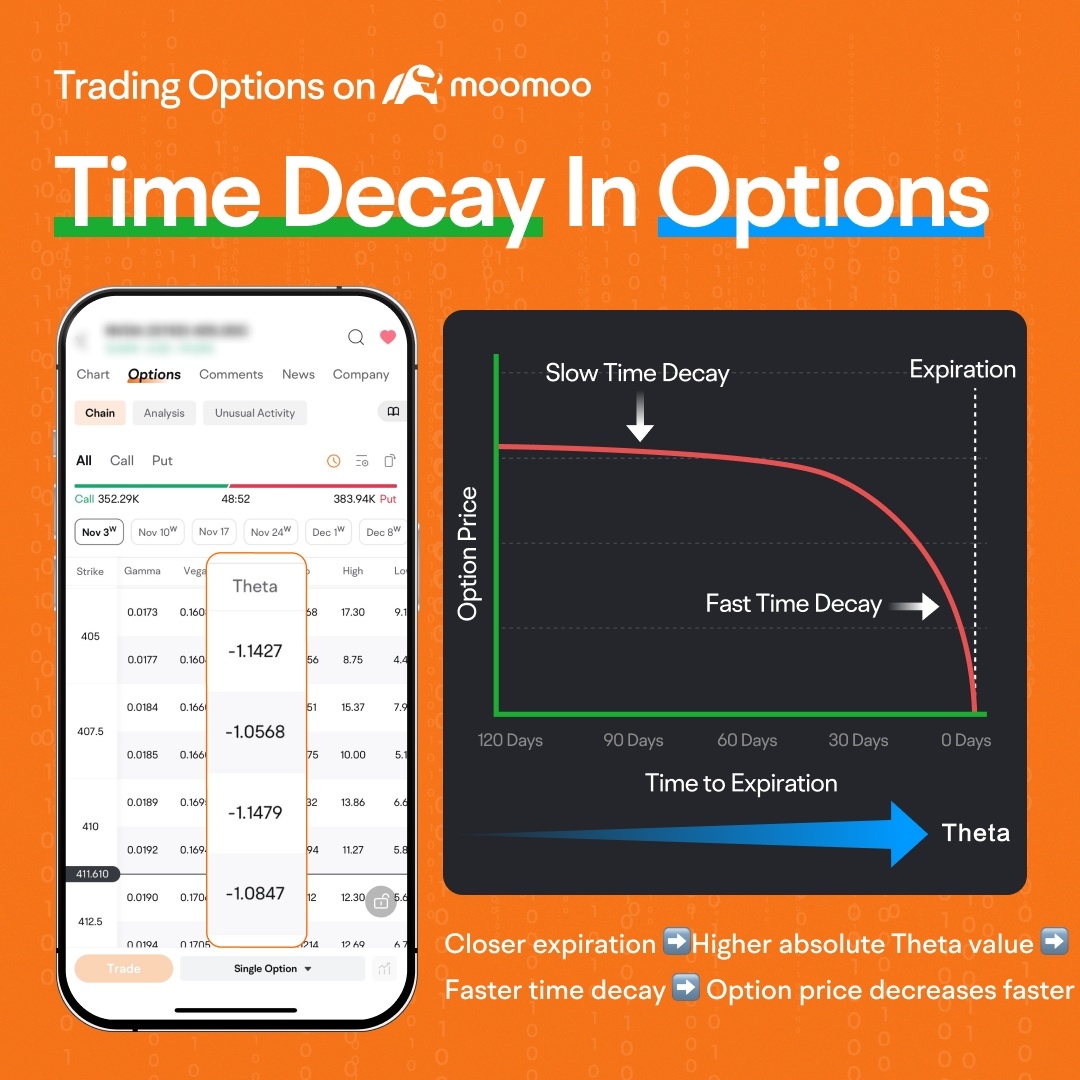
Theta (time decay): Accelerates as expiration nears, so shorter expiration dates often work in favor of option sellers, while longer expirations reduce the effects of time decay for option buyers.
Vega: Measures how much an option's price will change in response to a 1% change in the implied volatility of the underlying asset, essentially showing how sensitive an option is to fluctuations in market volatility.
Rho: The effect of interest rate changes is more significant for longer expiration dates, especially if you expect rates to move over the life of the option.
An example of an options expiration would be buying a call option on a stock with a strike price of $100 that expires on the third Friday of the current month; if the underlying stock price is at or below $100 on that date, the option becomes worthless and expires. The buyer loses the entire premium they paid for the option.
The time to expiration significantly affects options prices, as a longer time until expiration generally leads to a higher option price due to the increased "time value" - meaning there is more potential for the underlying asset price to move favorably before the option expires; it makes it more valuable to the buyer. On the other hand, as an option nears its expiration date, all other factors equal, its price rapidly declines due to "time decay."
Just as options contracts have different expiration dates, what happens to options when they expire will vary depending on their value and the type. Here's a breakdown for option contracts that are out-of-the-money (OTM) or in-the-money (ITM). Options can also expire -at-the-money (ATM), which means the option has a strike price the same as or close to the underlying asset's market price. But today, we'll focus on OTM and ITM options.
If a trader has ITM options: These options, which have intrinsic value, can be sold prior to expiration.
If the trader has an OTM option: The options, which don't have any intrinsic value at expiration, are essentially worthless--no action is needed.
It's important for traders to monitor their positions as the expiration approaches, make informed decisions about selling, exercising, or allowing their options to expire, depending on their strategic investment goals and market conditions.
So how do you know if you have an ITM or OTM contract? Here's a look for calls and puts; however, it's important to note that this chart affects buyers and sellers of options differently. Usually the buyer is hoping for an ITM and the seller an OTM situation or outcome.
Type of contract | ITM | OTM |
Call option | Strike price below the underlying asset's market price | Strike price higher than underlying asset's price |
Put option | Strike price higher than the underlying asset's market price | Strike price lower than the price of the underlying asset |
A final note on expiration. Options technically expire at 11:59am EST on Saturday. Many underlying stocks trade after hours and depending on the broker some options contracts may be exercised as late as 5:30pm EST on Friday. Since options trading has already ceased this can cause unexpected outcomes with regard to assignment.
Now that you've learned about expiration dates and different options types, here are some steps to get you started trading options on the Moomoo app.
Moomoo provides a user-friendly platform for trading options. Here's a step-by-step guide:
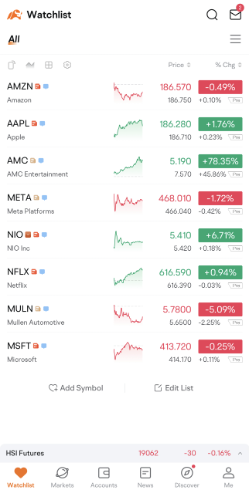
Step 1: Go to your watchlist and select a stock.
Disclaimer: Images provided are not current and any securities are shown for illustrative purposes only and is not a recommendation.
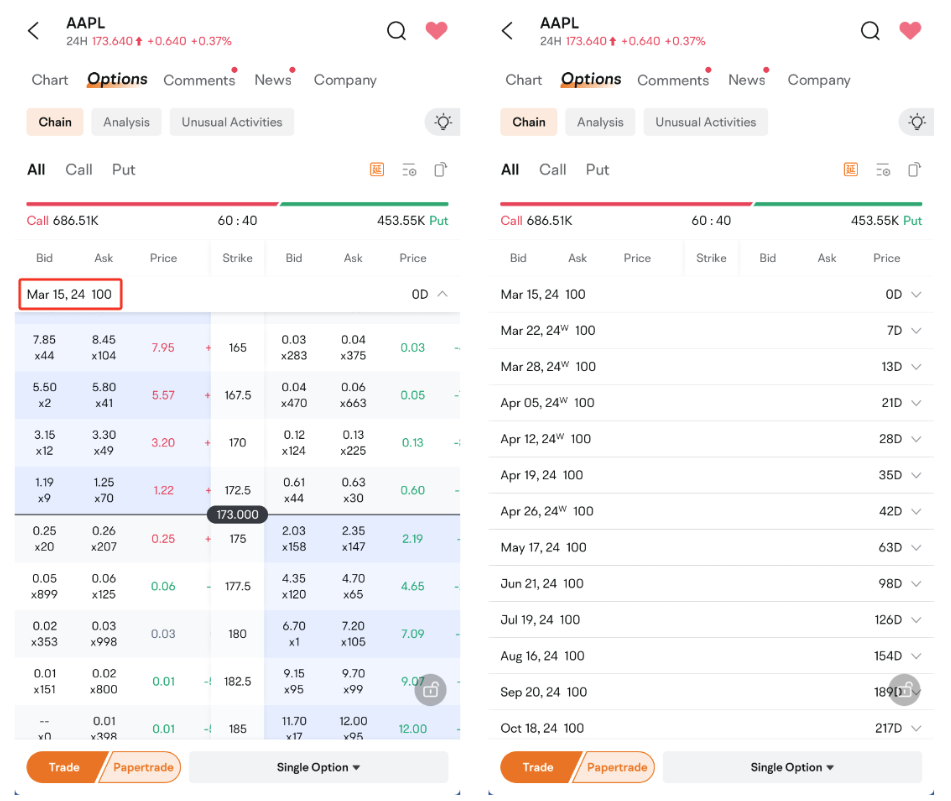
Step 2: Move to Options> Chain at the top of the page.
Step 3: Review options by expiration date via specific dates.
Disclaimer: Data shown may not be current and any securities are shown for illustrative purposes only and is not a recommendation.
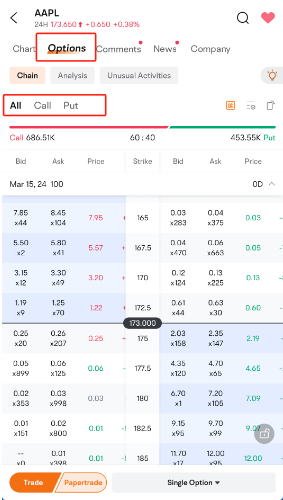
Step 4: Filter options by calls or puts: Tap “Call/Put.”
Disclaimer: Images provided are not current and any securities are shown for illustrative purposes only and is not a recommendation.
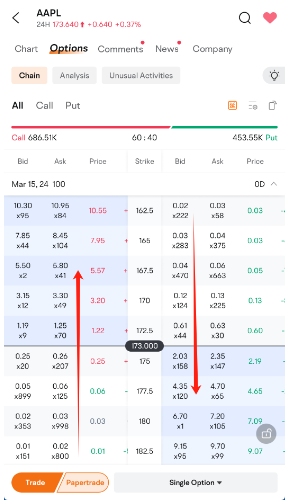
Step 5: Discover out-of-the-money options (in white) and in-the-money options (in blue). To obtain more information about the options, scroll horizontally.
Disclaimer: Images provided are not current and any securities are shown for illustrative purposes only and is not a recommendation.
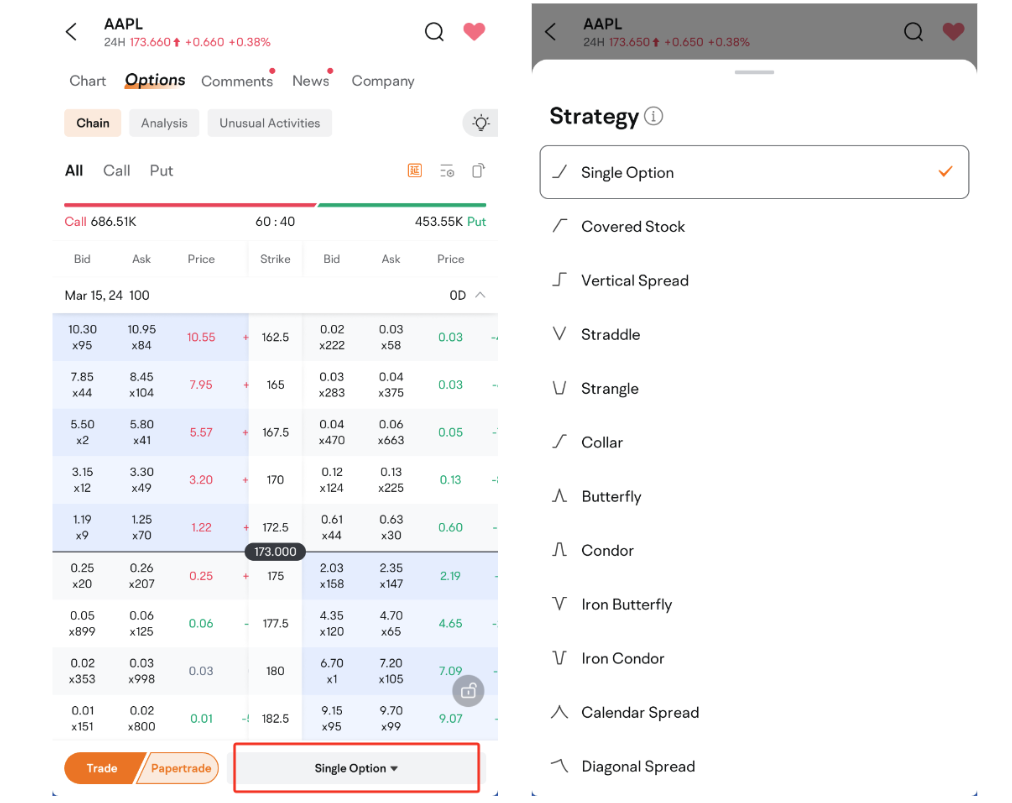
Step 6: Evaluate trading strategies at the bottom of the screen.
Disclaimer: Images provided are not current and any securities are shown for illustrative purposes only and is not a recommendation.
The expiration date for options is typically on the third Friday of the month (unless it's a stock market holiday). This is usually called“expiration Friday” but there are other option expirations dates such as daily, weekly and for longer-term options, up to three years. This will depend on the type of options contract that you choose to trade.
A few things can happen at expiration:
In-the-money (ITM) options will usually be exercised to either long or short stock shares, or if cash-settled (European-style options). Note that a cash-settled option where the actual physical delivery of the underlying asset or security is not required. Instead of receiving the underlying asset, the settlement results in a cash payment.
Out-of-the-money (OTM) options will expire worthless.
A trader can do one of three things: sell (or buy back) the option in the open marketplace, exercise an ITM option or if it's OTM, allow the option to expire.
This can go two ways at expiry. First, if your options are in-the-money and you don’t sell them, then they will typically be exercised automatically (keep in mind you will need necessary shares or funds); however, if you have out-of-the-money options, they will expire worthless.
If you have an option that expires out-of-the-money, it will expire worthless. The maximum amount a contract holder can lose is the premium. If they sell the option before it expires, they may recoup any remaining extrinsic value.
If a trader is long an in-the-money (ITM) option, it will be automatically exercised (but it can be communicated to the broker to not do so). Furthermore, if the account doesn't bear enough money to support the long or short stock position, the brokerage, at its discretion, can choose not to exercise the option. This is referred to as do not exercise ("DNE") and any gain the trader may have attained by exercising option will be eliminated.
On the other hand, if a trader is short an ITM option, it will be automatically assigned. Many times, a trader will not exercise the option and instead trade out of the position before expiration.
To find options prices and their expiration dates, you can access the "options chain" on most online trading platforms, including moomoo, where you can view a list of available options contracts for a specific stock, including their strike prices, expiration dates, and corresponding prices for both calls and puts; you can typically find this feature by navigating to the stock's details page and selecting the "options" tab.
This presentation is for informational and educational use only and is not a recommendation or endorsement of any particular investment or investment strategy. Investment information provided in this content is general in nature, strictly for illustrative purposes, and may not be appropriate for all investors. Read more
Recommend
Moomoo Offers Extended Trading Hours for Options Trading on Oct 19
At-the-Money (ATM) - How It Works in Options Trading
Out-of-the-Money in Options Trading - How It Works & Examples

Covered Call: A Comprehensive Guide to Options Trading
Strangle Options Strategy - A Helpful Guide for Traders
Straddle vs. Strangle: Understanding the Key Differences
Triple Witching: Understanding Its Impact on the Stock Market
Underlying Asset: Definition, Types and Examples
What Are Option Premiums
Covered Calls and Covered Puts - Strategies for Options Trading
Expiration Date in Options Trading
Options Break-Even Point: Definition, Formula, and Examples
Credit Spread: Definition, Examples & How to Calculate
Bull Put Spread: Definitions, How It Works & Examples
How to Manage Your Risk in Options Trading
How to Pick the 'Right' Strike Price
Options Wheel Strategy Explained: Definition and How to Trade
Long Collar Options Strategy: Definition, How It Works & Examples
Long Call Options Strategy: Definition, Potential Benefits, and Risks
Exercise of Options: When and How to Exercise Options
Time Value: Definition, Calculation, Importance in Options Trading
Short Call Options Strategy: Guide & Examples
What Are Bitcoin ETF Options: Investment Insights & Strategies
Hedge with Options: Protect Your Portfolio in 2026
Options Chains: Definition, How to Read and Analyze Them
Options Profit Calculation: Overview, Formula & Examples
What is Theta in Options Trading: Overview and Strategies
Debit Spread: Definition, Types & Examples
Butterfly Spread: Definition and Application in Options Trading
What Is an Options Screener and How to Use?
Unusual Options Activity: Insights and Strategies for Traders
Protective Put Strategy: Definition, How It Works & Examples
What Are Stock Options: Types, How They Work and Examples
Weekly vs. Monthly Options: Choosing the Right Expiration Date
How to Practice Options Trading with Demo Trading Account
Sell to Open vs Sell to Close: Understanding the Difference
Long Put: Definition, Examples and How to Trade
Iron Condor: Understanding This Options Trading Strategy
Diagonal Spread: Definition, Types & How to Use
Implied Volatility (IV) Rank & Percentile in Options Trading
Trading Earnings with Options
Iron Butterfly: Mastering the Options Trading Strategy
Interest Rate Options: Definition & How They Work
Options Buy to Open vs Buy to Close: What's the difference?
Vertical Spread: Definition, Types, & Examples
Bear Put Spread: An Options Trading Strategy Explained
What is a Dividend Reinvestment Plan (DRIP)?
Put/Call Ratio (PCR): Definition & How to Use
How Are Options Priced? | Calculation and Examples
Naked Calls Options Strategy: Definition & How It Works
Options Vs. Futures: Understanding Their Key Differences
Extrinsic Value: Definition, Calculation, and Trading Strategies
Intrinsic Value: How It Works And How To Calculate It
Bull Call Spread - Examples and Applications in Options Trading
Index Options: Definitions, Strategies and Risks
Short Put Options: Strategies and Risks Explained
Quadruple Witching: How It Can Affect the Stock Market
What Are Options? Everything You Need to Know before Trading
Four Option Trading Strategies for Beginners
10 Options Strategies to Enhance Your Trading Portfolio
American Options vs. European Options
In-The-Money (ITM): Call and Put Options Examples
What is a Calendar Spread?
Open Interest: What it means for traders and investors
Options vs Stocks: Choosing the Right Investment Strategy
Options Strike Prices Explained: A Complete Guide for Beginners
Call vs Put Options: Your Essential Guide to the Basics
Zero Days to Expiration (0DTE) Options: Trade Mag 7 Stock Options Today
What Is An Options Contract? How Does It Work?
What is Synthetic Put? (How Does It Work)
How and When to Roll Covered Calls
Option Volume vs Open Interest: Understanding the Difference
4 Options Trading Levels
How to Trade Options for Beginners?
What Is Implied Volatility (IV)?
What Are Cash Secured Puts: How To Sell Them
What Is a Straddle Options Strategy?
What Is Ratio Spread in Options
What is a Call Option: Strategies and Tips
Taxes on Stocks: How Selling Stocks Affects Your Taxes
Option Greeks Explained - Option Greek Cheat Sheet
Put Options: Hedging Your Portfolio
Put Options: How to Use Them in Your Trading Strategy
Poor Man's Covered Call (PMCC): A Beginner's Guide
Four Option Trading Mistakes to Avoid
Trading Synthetic Options: Risks and Rewards
Call Spread vs. Put Spread: What are the differences?
What is stock options trading
What Is Margin Call and How Can You Avoid the Risks?
Options Trading Strategies: Iron Condor vs. Iron Butterfly
Moomoo Offers Extended Trading Hours for Options Trading on Oct 19
At-the-Money (ATM) - How It Works in Options Trading
Out-of-the-Money in Options Trading - How It Works & Examples
Covered Call: A Comprehensive Guide to Options Trading
Strangle Options Strategy - A Helpful Guide for Traders
Straddle vs. Strangle: Understanding the Key Differences
Triple Witching: Understanding Its Impact on the Stock Market
Underlying Asset: Definition, Types and Examples
What Are Option Premiums
Covered Calls and Covered Puts - Strategies for Options Trading
Expiration Date in Options Trading
Options Break-Even Point: Definition, Formula, and Examples
Credit Spread: Definition, Examples & How to Calculate
Bull Put Spread: Definitions, How It Works & Examples
How to Manage Your Risk in Options Trading
How to Pick the 'Right' Strike Price
Options Wheel Strategy Explained: Definition and How to Trade
Long Collar Options Strategy: Definition, How It Works & Examples
Long Call Options Strategy: Definition, Potential Benefits, and Risks
Exercise of Options: When and How to Exercise Options
Time Value: Definition, Calculation, Importance in Options Trading
Short Call Options Strategy: Guide & Examples
What Are Bitcoin ETF Options: Investment Insights & Strategies
Hedge with Options: Protect Your Portfolio in 2026
Options Chains: Definition, How to Read and Analyze Them
Options Profit Calculation: Overview, Formula & Examples
What is Theta in Options Trading: Overview and Strategies
Debit Spread: Definition, Types & Examples
Butterfly Spread: Definition and Application in Options Trading
What Is an Options Screener and How to Use?
Unusual Options Activity: Insights and Strategies for Traders
Protective Put Strategy: Definition, How It Works & Examples
What Are Stock Options: Types, How They Work and Examples
Weekly vs. Monthly Options: Choosing the Right Expiration Date
How to Practice Options Trading with Demo Trading Account
Sell to Open vs Sell to Close: Understanding the Difference
Long Put: Definition, Examples and How to Trade
Iron Condor: Understanding This Options Trading Strategy
Diagonal Spread: Definition, Types & How to Use
Implied Volatility (IV) Rank & Percentile in Options Trading
Trading Earnings with Options
Iron Butterfly: Mastering the Options Trading Strategy
Interest Rate Options: Definition & How They Work
Options Buy to Open vs Buy to Close: What's the difference?
Vertical Spread: Definition, Types, & Examples
Bear Put Spread: An Options Trading Strategy Explained
What is a Dividend Reinvestment Plan (DRIP)?
Put/Call Ratio (PCR): Definition & How to Use
How Are Options Priced? | Calculation and Examples
Naked Calls Options Strategy: Definition & How It Works
Options Vs. Futures: Understanding Their Key Differences
Extrinsic Value: Definition, Calculation, and Trading Strategies
Intrinsic Value: How It Works And How To Calculate It
Bull Call Spread - Examples and Applications in Options Trading
Index Options: Definitions, Strategies and Risks
Short Put Options: Strategies and Risks Explained
Quadruple Witching: How It Can Affect the Stock Market
What Are Options? Everything You Need to Know before Trading
Four Option Trading Strategies for Beginners
10 Options Strategies to Enhance Your Trading Portfolio
American Options vs. European Options
In-The-Money (ITM): Call and Put Options Examples
What is a Calendar Spread?
Open Interest: What it means for traders and investors
Options vs Stocks: Choosing the Right Investment Strategy
Options Strike Prices Explained: A Complete Guide for Beginners
Call vs Put Options: Your Essential Guide to the Basics
Zero Days to Expiration (0DTE) Options: Trade Mag 7 Stock Options Today
What Is An Options Contract? How Does It Work?
What is Synthetic Put? (How Does It Work)
How and When to Roll Covered Calls
Option Volume vs Open Interest: Understanding the Difference
4 Options Trading Levels
How to Trade Options for Beginners?
What Is Implied Volatility (IV)?
What Are Cash Secured Puts: How To Sell Them
What Is a Straddle Options Strategy?
What Is Ratio Spread in Options
What is a Call Option: Strategies and Tips
Taxes on Stocks: How Selling Stocks Affects Your Taxes
Option Greeks Explained - Option Greek Cheat Sheet
Put Options: Hedging Your Portfolio
Put Options: How to Use Them in Your Trading Strategy
Poor Man's Covered Call (PMCC): A Beginner's Guide
Four Option Trading Mistakes to Avoid
Trading Synthetic Options: Risks and Rewards
Call Spread vs. Put Spread: What are the differences?
What is stock options trading
What Is Margin Call and How Can You Avoid the Risks?
Options Trading Strategies: Iron Condor vs. Iron Butterfly

