
Moomoo Insights
Jul 16 15:38
TSMC Earnings: AI Demand Is Stronger Than the Chip Selloff Suggests
Moomoo Insights
Sep 30 05:04
Live Take | Anthropic’s $518B Compute Bet: Who Wins From the AI Buildout?
If you wanted to know the value of a certain stock, how would you go about finding it? Would you simply look at the stock's share price? You could, but this price fluctuates with the natural ebs and flows of the stock market.
When we want to know the value of a stock or asset, independent of the broader market, we must look at its intrinsic value. The intrinsic value of a stock refers to the true worth of a company's stock based on its fundamentals and future cash flows.
Intrinsic value is the inherent worth of an asset. This evaluation is based on its fundamental characteristics and potential future cash flows or benefits. It is independent of market conditions or external influences.
Intrinsic value is often used to assess the 'true' value of a stock or investment, considering factors like earnings, dividends, and growth prospects. Intrinsic value is distinctively different than extrinsic value, which is determined by external factors like market demand or price trends.
Intrinsic value is derived from fundamental analysis of the company’s financials, growth prospects, and economic factors. It involves assessing earnings, dividends, and future cash flows, discounting them to their present value. This value guides investors in making better informed decisions, comparing the stock's intrinsic value to its current market price.
This approach can help identify potential investment opportunities and help manage risk. If a stock's market price is below its calculated intrinsic value, it may be considered undervalued and a potential buy. On the other hand, if its market price is above its intrinsic value, it might be considered overvalued.
Intrinsic value matters because it can provide a more detailed assessment of a stock's worth, beyond market fluctuations and speculation. For investors, understanding intrinsic value may help them to identify potentially undervalued or overvalued stocks, helping to inform their strategic investment decisions. It serves as a benchmark for evaluating if the market price reflects the stock's true potential.
By focusing on fundamentals, such as earnings, growth prospects, and financial health, intrinsic value analysis may help in reducing the risk of buying overhyped or overvalued assets. This long-term perspective helps to foster disciplined investing and aligns investments with the intrinsic potential of the underlying company.
Calculating the intrinsic value of stocks can be done in several ways. This is because investment perspectives and methodologies can vary from person to person.
The three main methods are:
Discounted cash flow
Dividend discount models
Analysis based on financial metrics such as price-to-earnings ratio.
Each method caters to different aspects of a company's financial health, future potential, and risk tolerance, providing a range of insights for diverse investor goals.
Discounted Cash Flow (DCF) analysis involves projecting the future cash flows the company is expected to generate and then discounting them to present value using a discount rate, often the Weighted Average Cost of Capital (WACC), which represents a company's cost of capital, with each category of capital (debt and equity) proportionately weighted. This discounting accounts for the time value of money, reflecting the potential risk and return expectations. By summing these discounted cash flows and the terminal value (future cash flows beyond the projection period), DCF provides a comprehensive view of a company's worth, helping to inform investment decisions and strategic planning.

The Dividend Discount Model (DDM) assesses a stock's intrinsic value by estimating the present value of expected future dividends. It assumes that a stock's worth is rooted in its ability to generate consistent dividend payouts to shareholders.
This method is particularly meaningful for evaluating mature, stable companies that regularly distribute profits. By forecasting dividends and applying a discount rate, DDM helps to determine the stock's value based on its income potential. It emphasizes the importance of dividends as a tangible return on investment, making it a favored approach for some income-focused investors seeking reliable, dividend-paying stocks.
Analysis based on financial metrics involves evaluating a company's financial health and performance using specific quantitative measures. Key metrics include the Price-to-Earnings (P/E) ratio, which compares a company’s current share price to its earnings per share, indicating potential valuation and growth expectations.
Return on Equity (ROE) measures profitability relative to shareholder equity, showing how efficiently a company generates profits. Debt-to-Equity (D/E) ratio assesses financial leverage and risk by comparing total debt to shareholders' equity. These metrics provide insights into profitability, valuation, efficiency, and risk, enabling investors to make more informed decisions about buying, holding, or selling a stock.
The intrinsic value of an option represents the immediate profit potential if the option were exercised right now.
For call options, it’s the amount by which the underlying asset’s market price exceeds the strike price.
For put options, it’s the amount by which the strike price exceeds the market price of the underlying asset.
This value is straightforward and based solely on the difference between the strike price and the current market price, disregarding any future potential or time-related aspects of the option. It's important for options traders to understand the importance of intrinsic value as it provides a clear measure of the profitability of an option at any given moment.
By knowing the intrinsic value, traders can assess whether an option is "in the money," where it holds tangible value, or "out of the money," where it holds none. This understanding helps traders make more informed decisions about exercising options or managing their positions based on current market conditions. However, it's crucial to recognize that intrinsic value alone does not encompass the full picture of an option's worth, as factors like time value, implied volatility, and market sentiment also significantly influence its overall pricing and strategic considerations.
Calculating the intrinsic value of options involves determining the immediate value an option would have if exercised right now. For call options, this is the difference between the underlying asset's current price and the option's strike price, if positive. Call option intrinsic value = Underlying stock’s current price – call strike priceFor put options, it's the difference between the strike price and the current asset price, if positive. Put option intrinsic value = Put strike price – underlying stock’s current price
Let’s say a stock is trading at $48. For a call option with a strike price of $40, the intrinsic value would be $8 ($48 - $40). This is because the option holder could buy the stock at $40 and sell it at the current market price of $48, making an $8 profit.
For a put option with a strike price of $50, the intrinsic value would be $2 ($50 - $48). Here, the option holder could sell the stock at $50 while the market price is $48, also resulting in a $2 profit.
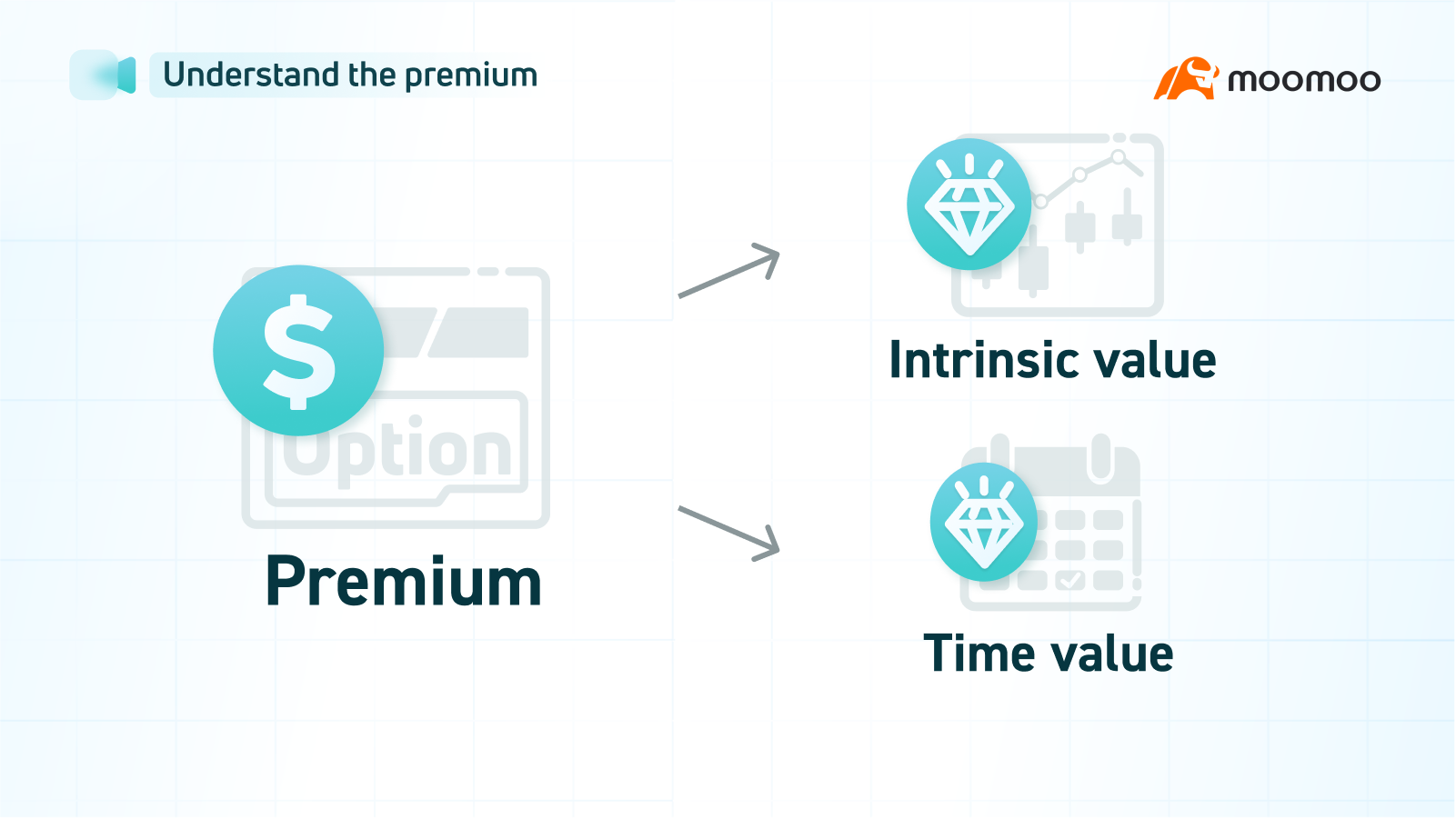
Intrinsic value and extrinsic value describe different parts of an option's price. Intrinsic value is the "built-in" value of an option, based on how much profit you'd make if you exercised it now. For example, if a call option lets you buy a stock at $50 and it's selling for $60, the intrinsic value is $10.
Extrinsic value, also known as "time value," is the extra amount you pay on top of any intrinsic value for the potential that the option's value might increase before it expires. It's influenced by factors like time left until expiration and market volatility.
The intrinsic value of a stock is influenced by factors such as its earnings potential, growth prospects, dividends, and overall financial health. Economic conditions, industry trends, interest rates, and investor sentiment play crucial roles in determining intrinsic value. Changes in these factors can impact the perceived worth of a stock based on its fundamental attributes and market expectations.
Intrinsic value focuses on a stock's fundamental worth based on financial metrics, which may make it useful for some long-term investors seeking undervalued assets. Market value, reflecting current market sentiment, can fluctuate widely and may not always align with intrinsic worth. Both are important, but intrinsic value provides a clearer picture for investors aiming to buy stocks at a discount relative to their "true" value, potentially offering greater returns over time.
If intrinsic value is high relative to a stock's market price, it suggests the stock may be undervalued. This scenario can attract value investors looking for opportunities to buy assets below their calculated worth. If intrinsic value exceeds market price significantly, it might indicate the market has yet to recognize the stock's potential. This situation could lead to price appreciation as market perceptions align more closely with the stock's intrinsic value over time.
This presentation is for informational and educational use only and is not a recommendation or endorsement of any particular investment or investment strategy. Investment information provided in this content is general in nature, strictly for illustrative purposes, and may not be appropriate for all investors. Read more
Recommend
Moomoo Offers Extended Trading Hours for Options Trading on Oct 19
At-the-Money (ATM) - How It Works in Options Trading
Out-of-the-Money in Options Trading - How It Works & Examples

Covered Call: A Comprehensive Guide to Options Trading
Strangle Options Strategy - A Helpful Guide for Traders
Straddle vs. Strangle: Understanding the Key Differences
Triple Witching: Understanding Its Impact on the Stock Market
Underlying Asset: Definition, Types and Examples
What Are Option Premiums
Covered Calls and Covered Puts - Strategies for Options Trading
Expiration Date in Options Trading
Options Break-Even Point: Definition, Formula, and Examples
Credit Spread: Definition, Examples & How to Calculate
Bull Put Spread: Definitions, How It Works & Examples
How to Manage Your Risk in Options Trading
How to Pick the 'Right' Strike Price
Options Wheel Strategy Explained: Definition and How to Trade
Long Collar Options Strategy: Definition, How It Works & Examples
Long Call Options Strategy: Definition, Potential Benefits, and Risks
Exercise of Options: When and How to Exercise Options
Time Value: Definition, Calculation, Importance in Options Trading
Short Call Options Strategy: Guide & Examples
What Are Bitcoin ETF Options: Investment Insights & Strategies
Hedge with Options: Protect Your Portfolio in 2026
Options Chains: Definition, How to Read and Analyze Them
Options Profit Calculation: Overview, Formula & Examples
What is Theta in Options Trading: Overview and Strategies
Debit Spread: Definition, Types & Examples
Butterfly Spread: Definition and Application in Options Trading
What Is an Options Screener and How to Use?
Unusual Options Activity: Insights and Strategies for Traders
Protective Put Strategy: Definition, How It Works & Examples
What Are Stock Options: Types, How They Work and Examples
Weekly vs. Monthly Options: Choosing the Right Expiration Date
How to Practice Options Trading with Demo Trading Account
Sell to Open vs Sell to Close: Understanding the Difference
Long Put: Definition, Examples and How to Trade
Iron Condor: Understanding This Options Trading Strategy
Diagonal Spread: Definition, Types & How to Use
Implied Volatility (IV) Rank & Percentile in Options Trading
Trading Earnings with Options
Iron Butterfly: Mastering the Options Trading Strategy
Interest Rate Options: Definition & How They Work
Options Buy to Open vs Buy to Close: What's the difference?
Vertical Spread: Definition, Types, & Examples
Bear Put Spread: An Options Trading Strategy Explained
What is a Dividend Reinvestment Plan (DRIP)?
Put/Call Ratio (PCR): Definition & How to Use
How Are Options Priced? | Calculation and Examples
Naked Calls Options Strategy: Definition & How It Works
Options Vs. Futures: Understanding Their Key Differences
Extrinsic Value: Definition, Calculation, and Trading Strategies
Intrinsic Value: How It Works And How To Calculate It
Bull Call Spread - Examples and Applications in Options Trading
Index Options: Definitions, Strategies and Risks
Short Put Options: Strategies and Risks Explained
Quadruple Witching: How It Can Affect the Stock Market
What Are Options? Everything You Need to Know before Trading
Four Option Trading Strategies for Beginners
10 Options Strategies to Enhance Your Trading Portfolio
American Options vs. European Options
In-The-Money (ITM): Call and Put Options Examples
What is a Calendar Spread?
Open Interest: What it means for traders and investors
Options vs Stocks: Choosing the Right Investment Strategy
Options Strike Prices Explained: A Complete Guide for Beginners
Call vs Put Options: Your Essential Guide to the Basics
Zero Days to Expiration (0DTE) Options: Trade Mag 7 Stock Options Today
What Is An Options Contract? How Does It Work?
What is Synthetic Put? (How Does It Work)
How and When to Roll Covered Calls
Option Volume vs Open Interest: Understanding the Difference
4 Options Trading Levels
How to Trade Options for Beginners?
What Is Implied Volatility (IV)?
What Are Cash Secured Puts: How To Sell Them
What Is a Straddle Options Strategy?
What Is Ratio Spread in Options
What is a Call Option: Strategies and Tips
Taxes on Stocks: How Selling Stocks Affects Your Taxes
Option Greeks Explained - Option Greek Cheat Sheet
Put Options: Hedging Your Portfolio
Put Options: How to Use Them in Your Trading Strategy
Poor Man's Covered Call (PMCC): A Beginner's Guide
Four Option Trading Mistakes to Avoid
Trading Synthetic Options: Risks and Rewards
Call Spread vs. Put Spread: What are the differences?
What is stock options trading
What Is Margin Call and How Can You Avoid the Risks?
Options Trading Strategies: Iron Condor vs. Iron Butterfly
Moomoo Offers Extended Trading Hours for Options Trading on Oct 19
At-the-Money (ATM) - How It Works in Options Trading
Out-of-the-Money in Options Trading - How It Works & Examples
Covered Call: A Comprehensive Guide to Options Trading
Strangle Options Strategy - A Helpful Guide for Traders
Straddle vs. Strangle: Understanding the Key Differences
Triple Witching: Understanding Its Impact on the Stock Market
Underlying Asset: Definition, Types and Examples
What Are Option Premiums
Covered Calls and Covered Puts - Strategies for Options Trading
Expiration Date in Options Trading
Options Break-Even Point: Definition, Formula, and Examples
Credit Spread: Definition, Examples & How to Calculate
Bull Put Spread: Definitions, How It Works & Examples
How to Manage Your Risk in Options Trading
How to Pick the 'Right' Strike Price
Options Wheel Strategy Explained: Definition and How to Trade
Long Collar Options Strategy: Definition, How It Works & Examples
Long Call Options Strategy: Definition, Potential Benefits, and Risks
Exercise of Options: When and How to Exercise Options
Time Value: Definition, Calculation, Importance in Options Trading
Short Call Options Strategy: Guide & Examples
What Are Bitcoin ETF Options: Investment Insights & Strategies
Hedge with Options: Protect Your Portfolio in 2026
Options Chains: Definition, How to Read and Analyze Them
Options Profit Calculation: Overview, Formula & Examples
What is Theta in Options Trading: Overview and Strategies
Debit Spread: Definition, Types & Examples
Butterfly Spread: Definition and Application in Options Trading
What Is an Options Screener and How to Use?
Unusual Options Activity: Insights and Strategies for Traders
Protective Put Strategy: Definition, How It Works & Examples
What Are Stock Options: Types, How They Work and Examples
Weekly vs. Monthly Options: Choosing the Right Expiration Date
How to Practice Options Trading with Demo Trading Account
Sell to Open vs Sell to Close: Understanding the Difference
Long Put: Definition, Examples and How to Trade
Iron Condor: Understanding This Options Trading Strategy
Diagonal Spread: Definition, Types & How to Use
Implied Volatility (IV) Rank & Percentile in Options Trading
Trading Earnings with Options
Iron Butterfly: Mastering the Options Trading Strategy
Interest Rate Options: Definition & How They Work
Options Buy to Open vs Buy to Close: What's the difference?
Vertical Spread: Definition, Types, & Examples
Bear Put Spread: An Options Trading Strategy Explained
What is a Dividend Reinvestment Plan (DRIP)?
Put/Call Ratio (PCR): Definition & How to Use
How Are Options Priced? | Calculation and Examples
Naked Calls Options Strategy: Definition & How It Works
Options Vs. Futures: Understanding Their Key Differences
Extrinsic Value: Definition, Calculation, and Trading Strategies
Intrinsic Value: How It Works And How To Calculate It
Bull Call Spread - Examples and Applications in Options Trading
Index Options: Definitions, Strategies and Risks
Short Put Options: Strategies and Risks Explained
Quadruple Witching: How It Can Affect the Stock Market
What Are Options? Everything You Need to Know before Trading
Four Option Trading Strategies for Beginners
10 Options Strategies to Enhance Your Trading Portfolio
American Options vs. European Options
In-The-Money (ITM): Call and Put Options Examples
What is a Calendar Spread?
Open Interest: What it means for traders and investors
Options vs Stocks: Choosing the Right Investment Strategy
Options Strike Prices Explained: A Complete Guide for Beginners
Call vs Put Options: Your Essential Guide to the Basics
Zero Days to Expiration (0DTE) Options: Trade Mag 7 Stock Options Today
What Is An Options Contract? How Does It Work?
What is Synthetic Put? (How Does It Work)
How and When to Roll Covered Calls
Option Volume vs Open Interest: Understanding the Difference
4 Options Trading Levels
How to Trade Options for Beginners?
What Is Implied Volatility (IV)?
What Are Cash Secured Puts: How To Sell Them
What Is a Straddle Options Strategy?
What Is Ratio Spread in Options
What is a Call Option: Strategies and Tips
Taxes on Stocks: How Selling Stocks Affects Your Taxes
Option Greeks Explained - Option Greek Cheat Sheet
Put Options: Hedging Your Portfolio
Put Options: How to Use Them in Your Trading Strategy
Poor Man's Covered Call (PMCC): A Beginner's Guide
Four Option Trading Mistakes to Avoid
Trading Synthetic Options: Risks and Rewards
Call Spread vs. Put Spread: What are the differences?
What is stock options trading
What Is Margin Call and How Can You Avoid the Risks?
Options Trading Strategies: Iron Condor vs. Iron Butterfly

