

Moomoo Insights
Jul 16 15:38
TSMC Earnings: AI Demand Is Stronger Than the Chip Selloff Suggests
Moomoo Insights
Sep 30 05:04
Live Take | Anthropic’s $518B Compute Bet: Who Wins From the AI Buildout?
For investors, prices matter whether it's the purchase price or sale price of an order. But for options investors, one price that is unique to options orders is the strike price. The strike price helps set the value of an options contract and depending on whether an investor is buying or selling an options contract, the option strike price can help them determine when to enter or exit a trade.
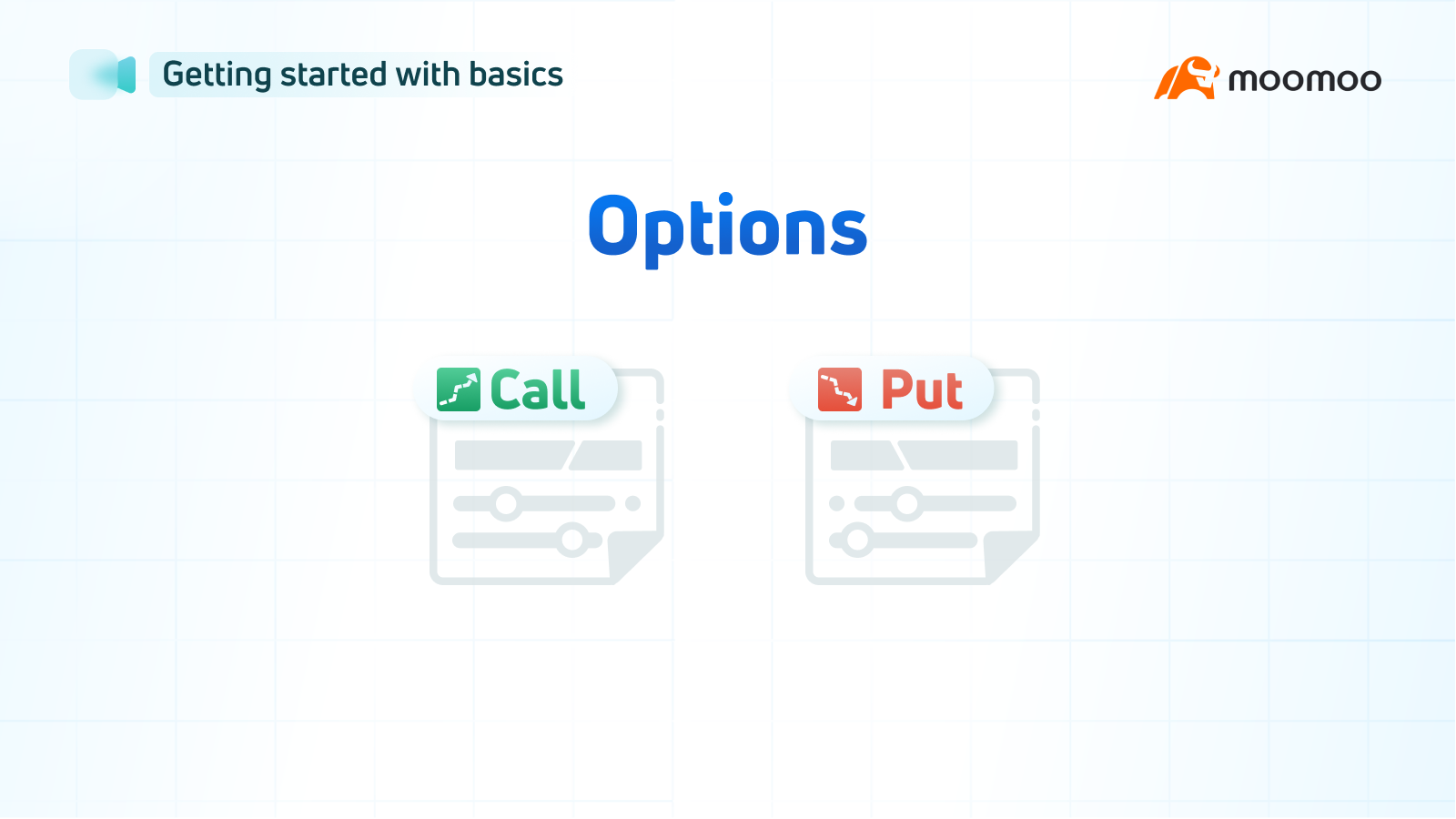
Options contracts are derivatives that give contract holders the right, but not the obligation, to buy or sell an underlying security at a predetermined price sometime in the future. This set price is called the option's strike price or the exercise price. For call options, the strike price sets the purchasing price for the underlying security, but for put options, it decides the selling price.
A strike price is an important component of an options contract. The difference between the option's strike price and an underlying security's market price determines whether an option is either in-the-money (ITM) or out-of-the-money (OTM), or at-the-money (ATM).
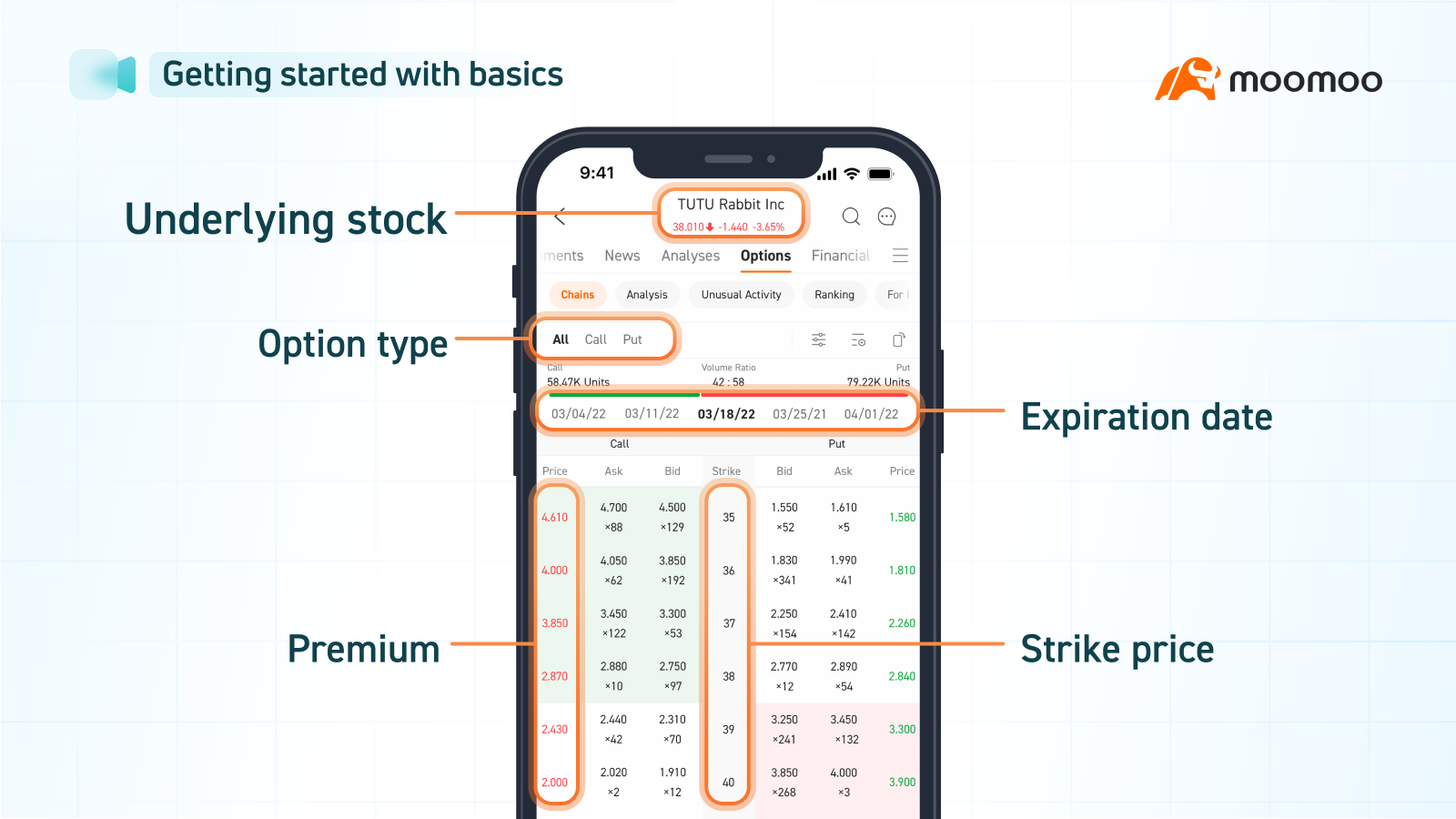
Investors get confused between an option's strike price and its exercise price. They are typically used interchangeably. An option's strike price definition is the pre-agreed price at which an underlying security can be bought (a call option) or sold (a put option) by the option holder until the expiration date of the options contract.
An investor knows the strike price when initiating an option trade and will sometimes say exercise price when referring to the price at which they'll exercise the option; however, it is also the strike price definition. If an options holder exercises his option, the strike price will determine what they'll pay or receive for each share at the time of exercise, depending on the strategy.
A strike price can help determine if an option will be exercised at expiration and if it's either ITM or OTM. An option's intrinsic value is derived by the difference between its strike price and the underlying security's market price. This is called an option's "moneyness" and it informs part of the option's value.
For calls and puts, the distinction of whether they're ITM or OTM is different. There's also at-the-money (ATM) options. This is when the strike price is either at or very close to the stock's current market price.
As the stock's market price rises above the strike price, call options gain value. Conversely, if the stock's market price fails to exceed the strike price by the option's expiration, the call option becomes worthless.
For put options, the option's value increases as the stock prices drop below the strike price. The wider the difference between the prices, the option becomes more valuable. However, a put option will expire worthless at expiration if the stock price is higher than the strike price.
A strike price is a key component of an options contract and it states the set price that the investor can either buy or sell the underlying security in the options contract.
Strike prices are determined by options exchanges rather than individuals, and they can vary in increments typically ranging from $0.50 to $5.00, depending on factors such as the nominal value of the underlying stock and the volume of trading. For high-volume stocks, these increments might be as small as $1.00. The interval between strike prices, known as the strike width, is also established by options exchanges and can change over the lifespan of an option.
An options investor can independently select a strike price, but they cannot set them for an options contract. This is because the options exchanges, or sometimes The Options Clearing Corp., will set strike prices of options contracts. An exchange will try to set option strike price intervals to meet the marketplace's needs for liquidity and granularity.
Options contracts can have different price intervals based on the asset's structure, such as a security vs. a future, and market needs. Intervals may also change based on expiration months; strike prices will usually be further apart for stocks with higher prices and lower trading activity or liquidity
"Options moneyness" is a term used to classify whether an options contract is at-the-money, in-the-money, or out-of-the-money. It also relates to an option's intrinsic value, which is determined by comparing the stock's market price to the strike price. When the stock's market price surpasses the strike price, the option is considered in-the-money.
If the stock's market price isn't above (Call) or below (Put) the respective strike price of the option, then it's considered OTM. And if an option's strike price equals the stock's market price, an option is the ATM. Throughout an option's lifecycle, its moneyness can vary; it doesn't represent a trade's profitability.
For an in-the-money (ITM) call option, the market value of the stock exceeds the strike price, allowing the option holder to purchase the security at a lower price than its current market value.
Similarly, for an ITM put option, the relationship between the strike price and the underlying stock price allows the option holder to sell the security at a higher price than its current market value. In other words, when the stock price is below the put option's strike price, the put option is considered in-the-money, enabling the holder to sell the security for more than its current market price.
An option is OTM when it's without intrinsic value, but may have extrinsic value. Extrinsic value is the difference between an option's market price (premium) and the intrinsic price
A call option is OTM, when its underlying price trades lower than the call's strike price. OTM put option is when the underlying security's price is higher than the put's strike price.
An at-the-money (ATM) option has a strike price equal to the underlying asset's (security) current market price. For ATM options, often they are the most active and liquid options traded in the asset and this encompasses both call options and put options. They can also simultaneously be ATM
The strike price of an options contract is a vital factor in an options contract's value and for investors when trading options. That's why it's important to understand the relationship between a strike price and the underlying stock's price to determine an option's value.
Underlying stock prices can change during the lifetime of an options contract and subsequently change an option's value.
When it comes to a call option, its value generally rises as the stock price increases above the contract's strike price. The bigger this difference, the greater the option's value. However, a call option will expire worthless at expiration if its stock price is lower than the strike price.
For example, consider a November 2023 $35 call option. Assuming the underlying stock closes at $40 at expiration, the option's intrinsic value would be $5 per contract($40 - $35). It's important to note that options contracts generally represent 100 shares of the underlying security, so the intrinsic value would be multiplied by this factor. Conversely, if the stock price remains below $35 at expiration, the call option would indeed expire worthless.
As for put options, if the underlying stock's price goes below the strike price, then the option has greater value as the difference widens. But at expiration, if the stock price is higher than the strike price expiration, the option expires worthless.
Options contracts can have a wide range of strike prices. For call options, the strike price represents the underlying security that can be purchased by the option holder, while the strike price for put options is the price that the underlying security can be sold.
If you are buying a call, for example, the call option could list an option's strike price of $40 and expiration date of June 2023; traders may refer to this as June 40s. The call option holder could buy the underlying stock (exercising the options contract) at the strike price until the contract expires, while the seller would have to sell the stock at the strike price until that time.
Here's a put option example. If you are buying a put with a strike price of $30, also with a June 2023 expiration date, its value increases as the stock's price dips lower than the strike price. If the underlying stock ended at $25 in the June expiration, the option would be worth $5 (s$30-$25); however, if the stock closed at or above $30, the put option expires worthless.
Selecting a strike price isn't a random exercise for investors. Putting some thought and research into it is important.
When you're developing your options strategy, you'll need to decide what price you'll enter your options trade, when, and how. This can also include whether you want to buy calls or puts. It is important to determine this at the start to help avoid mistakes.
This is also the time to understand your risk tolerance as it can affect what strike prices to choose (e.g. a relatively more conservative investor might select a call option strike price either at or below the stock price and also factor in volatility, which is a large component of options trading that affects an option's value.
After defining your risk profile and strategy, now is the time to conduct some fundamental and technical market analysis for the options contract that you want to trade. This can help you discover why market prices are currently up or down, gain some potential insights into whether or not your option contract could potentially be profitable and stay up to date with market prices.
It can also help you to learn more about the underlying stock and its patterns. Plus, some online options trading platforms allow users to set up price alerts to monitor stock and options pricing, as well as other free tools and educational resources.
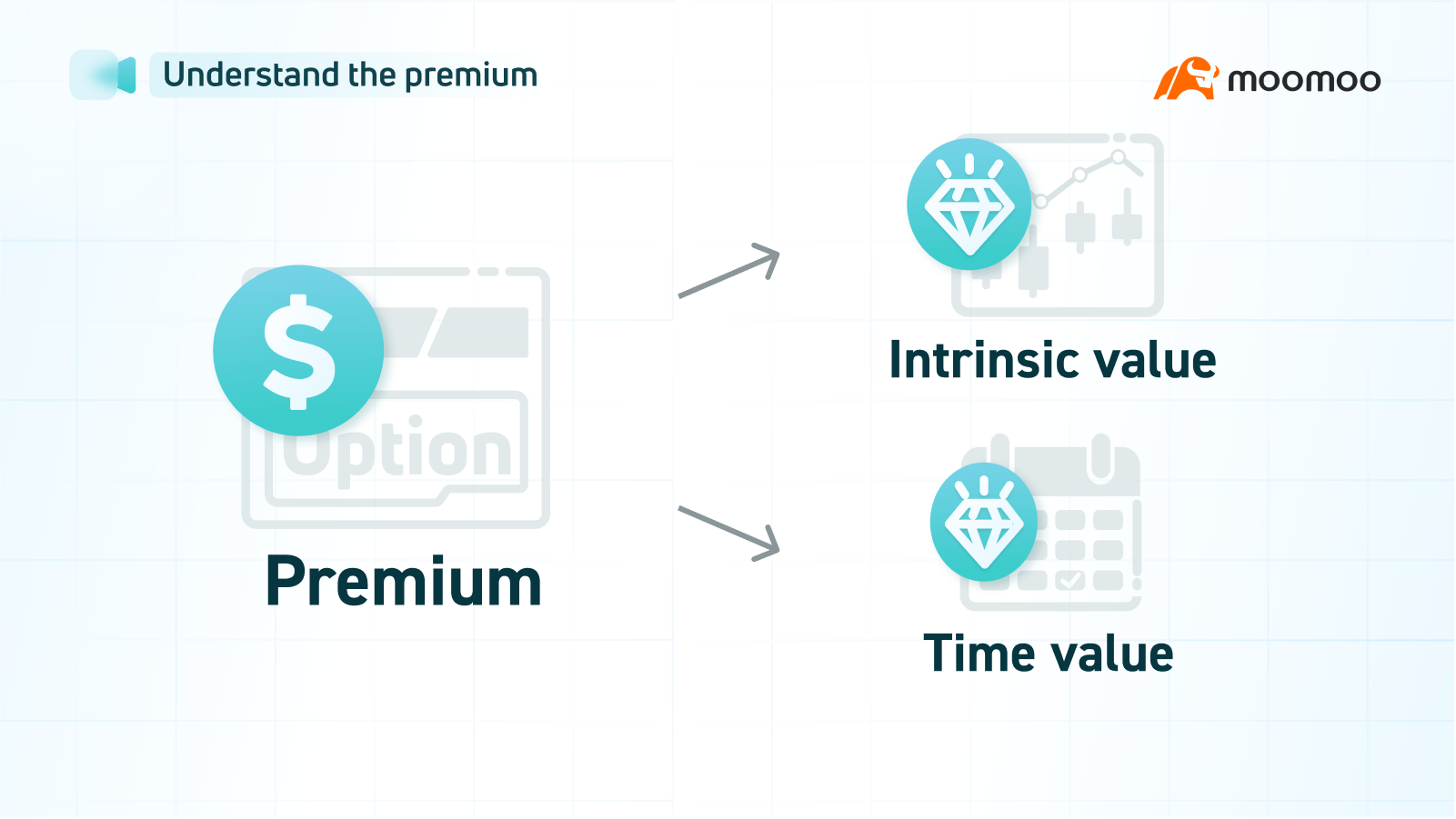
Understanding an option's value is a key component of options trading. There are two value types to know: intrinsic value and time value.
Intrinsic value is the difference between an underlying asset's current price and the option's strike price. This is also the amount by which the option is ITM as compared to the stock's market price.
Time value is the additional monetary amount an option's buyer will pay greater than the intrinsic value. They may do so if they believe the option's value will rise before expiration. Time value is the option's premium less the intrinsic value.
An investor's goals and risk tolerance are some factors to consider when selecting a strike price but there is no right or wrong answer for a "good" strike price; it is an individual investor's decision. But whatever direction you choose, the strike price has an enormous bearing on how your option trade will play out including potential losses and risk.
The strike price meaning for an option refers to the price the holder can either buy or sell the underlying security of an options contract if the option is exercised.
A stock price is its current market price and it's where a stock is being bought or sold in the open marketplace. It can change, depending on where the market currently values it.
The strike price of an option represents the price at which the underlying security can be bought or sold upon exercise of the option contract.
The spot price, on the other hand, signifies the current market price of the underlying asset, indicating where it is currently traded in the market. However, it's worth noting that "spot price" could refer to either the spot price of the option contract or the spot price of the underlying stock, which might lead to confusion.
To determine an option's moneyness, you can calculate the difference between its strike price and the relevant spot price, clarifying whether the option is in-the-money, at-the-money, or out-of-the-money.
If an investor purchases a call option, they can buy the underlying asset at the strike price until the contract expires. An options call buyer will want the underlying security's market price to be higher than the call option's strike price for an ITM call option. The call option is in the money because the call option buyer has the right to buy the stock below its current trading price.
This presentation is for informational and educational use only and is not a recommendation or endorsement of any particular investment or investment strategy. Investment information provided in this content is general in nature, strictly for illustrative purposes, and may not be appropriate for all investors. Read more
Recommend
Moomoo Offers Extended Trading Hours for Options Trading on Oct 19
At-the-Money (ATM) - How It Works in Options Trading
Out-of-the-Money in Options Trading - How It Works & Examples

Covered Call: A Comprehensive Guide to Options Trading
Strangle Options Strategy - A Helpful Guide for Traders
Straddle vs. Strangle: Understanding the Key Differences
Triple Witching: Understanding Its Impact on the Stock Market
Underlying Asset: Definition, Types and Examples
What Are Option Premiums
Covered Calls and Covered Puts - Strategies for Options Trading
Expiration Date in Options Trading
Options Break-Even Point: Definition, Formula, and Examples
Credit Spread: Definition, Examples & How to Calculate
Bull Put Spread: Definitions, How It Works & Examples
How to Manage Your Risk in Options Trading
How to Pick the 'Right' Strike Price
Options Wheel Strategy Explained: Definition and How to Trade
Long Collar Options Strategy: Definition, How It Works & Examples
Long Call Options Strategy: Definition, Potential Benefits, and Risks
Exercise of Options: When and How to Exercise Options
Time Value: Definition, Calculation, Importance in Options Trading
Short Call Options Strategy: Guide & Examples
What Are Bitcoin ETF Options: Investment Insights & Strategies
Hedge with Options: Protect Your Portfolio in 2026
Options Chains: Definition, How to Read and Analyze Them
Options Profit Calculation: Overview, Formula & Examples
What is Theta in Options Trading: Overview and Strategies
Debit Spread: Definition, Types & Examples
Butterfly Spread: Definition and Application in Options Trading
What Is an Options Screener and How to Use?
Unusual Options Activity: Insights and Strategies for Traders
Protective Put Strategy: Definition, How It Works & Examples
What Are Stock Options: Types, How They Work and Examples
Weekly vs. Monthly Options: Choosing the Right Expiration Date
How to Practice Options Trading with Demo Trading Account
Sell to Open vs Sell to Close: Understanding the Difference
Long Put: Definition, Examples and How to Trade
Iron Condor: Understanding This Options Trading Strategy
Diagonal Spread: Definition, Types & How to Use
Implied Volatility (IV) Rank & Percentile in Options Trading
Trading Earnings with Options
Iron Butterfly: Mastering the Options Trading Strategy
Interest Rate Options: Definition & How They Work
Options Buy to Open vs Buy to Close: What's the difference?
Vertical Spread: Definition, Types, & Examples
Bear Put Spread: An Options Trading Strategy Explained
What is a Dividend Reinvestment Plan (DRIP)?
Put/Call Ratio (PCR): Definition & How to Use
How Are Options Priced? | Calculation and Examples
Naked Calls Options Strategy: Definition & How It Works
Options Vs. Futures: Understanding Their Key Differences
Extrinsic Value: Definition, Calculation, and Trading Strategies
Intrinsic Value: How It Works And How To Calculate It
Bull Call Spread - Examples and Applications in Options Trading
Index Options: Definitions, Strategies and Risks
Short Put Options: Strategies and Risks Explained
Quadruple Witching: How It Can Affect the Stock Market
What Are Options? Everything You Need to Know before Trading
Four Option Trading Strategies for Beginners
10 Options Strategies to Enhance Your Trading Portfolio
American Options vs. European Options
In-The-Money (ITM): Call and Put Options Examples
What is a Calendar Spread?
Open Interest: What it means for traders and investors
Options vs Stocks: Choosing the Right Investment Strategy
Options Strike Prices Explained: A Complete Guide for Beginners
Call vs Put Options: Your Essential Guide to the Basics
Zero Days to Expiration (0DTE) Options: Trade Mag 7 Stock Options Today
What Is An Options Contract? How Does It Work?
What is Synthetic Put? (How Does It Work)
How and When to Roll Covered Calls
Option Volume vs Open Interest: Understanding the Difference
4 Options Trading Levels
How to Trade Options for Beginners?
What Is Implied Volatility (IV)?
What Are Cash Secured Puts: How To Sell Them
What Is a Straddle Options Strategy?
What Is Ratio Spread in Options
What is a Call Option: Strategies and Tips
Taxes on Stocks: How Selling Stocks Affects Your Taxes
Option Greeks Explained - Option Greek Cheat Sheet
Put Options: Hedging Your Portfolio
Put Options: How to Use Them in Your Trading Strategy
Poor Man's Covered Call (PMCC): A Beginner's Guide
Four Option Trading Mistakes to Avoid
Trading Synthetic Options: Risks and Rewards
Call Spread vs. Put Spread: What are the differences?
What is stock options trading
What Is Margin Call and How Can You Avoid the Risks?
Options Trading Strategies: Iron Condor vs. Iron Butterfly
Moomoo Offers Extended Trading Hours for Options Trading on Oct 19
At-the-Money (ATM) - How It Works in Options Trading
Out-of-the-Money in Options Trading - How It Works & Examples
Covered Call: A Comprehensive Guide to Options Trading
Strangle Options Strategy - A Helpful Guide for Traders
Straddle vs. Strangle: Understanding the Key Differences
Triple Witching: Understanding Its Impact on the Stock Market
Underlying Asset: Definition, Types and Examples
What Are Option Premiums
Covered Calls and Covered Puts - Strategies for Options Trading
Expiration Date in Options Trading
Options Break-Even Point: Definition, Formula, and Examples
Credit Spread: Definition, Examples & How to Calculate
Bull Put Spread: Definitions, How It Works & Examples
How to Manage Your Risk in Options Trading
How to Pick the 'Right' Strike Price
Options Wheel Strategy Explained: Definition and How to Trade
Long Collar Options Strategy: Definition, How It Works & Examples
Long Call Options Strategy: Definition, Potential Benefits, and Risks
Exercise of Options: When and How to Exercise Options
Time Value: Definition, Calculation, Importance in Options Trading
Short Call Options Strategy: Guide & Examples
What Are Bitcoin ETF Options: Investment Insights & Strategies
Hedge with Options: Protect Your Portfolio in 2026
Options Chains: Definition, How to Read and Analyze Them
Options Profit Calculation: Overview, Formula & Examples
What is Theta in Options Trading: Overview and Strategies
Debit Spread: Definition, Types & Examples
Butterfly Spread: Definition and Application in Options Trading
What Is an Options Screener and How to Use?
Unusual Options Activity: Insights and Strategies for Traders
Protective Put Strategy: Definition, How It Works & Examples
What Are Stock Options: Types, How They Work and Examples
Weekly vs. Monthly Options: Choosing the Right Expiration Date
How to Practice Options Trading with Demo Trading Account
Sell to Open vs Sell to Close: Understanding the Difference
Long Put: Definition, Examples and How to Trade
Iron Condor: Understanding This Options Trading Strategy
Diagonal Spread: Definition, Types & How to Use
Implied Volatility (IV) Rank & Percentile in Options Trading
Trading Earnings with Options
Iron Butterfly: Mastering the Options Trading Strategy
Interest Rate Options: Definition & How They Work
Options Buy to Open vs Buy to Close: What's the difference?
Vertical Spread: Definition, Types, & Examples
Bear Put Spread: An Options Trading Strategy Explained
What is a Dividend Reinvestment Plan (DRIP)?
Put/Call Ratio (PCR): Definition & How to Use
How Are Options Priced? | Calculation and Examples
Naked Calls Options Strategy: Definition & How It Works
Options Vs. Futures: Understanding Their Key Differences
Extrinsic Value: Definition, Calculation, and Trading Strategies
Intrinsic Value: How It Works And How To Calculate It
Bull Call Spread - Examples and Applications in Options Trading
Index Options: Definitions, Strategies and Risks
Short Put Options: Strategies and Risks Explained
Quadruple Witching: How It Can Affect the Stock Market
What Are Options? Everything You Need to Know before Trading
Four Option Trading Strategies for Beginners
10 Options Strategies to Enhance Your Trading Portfolio
American Options vs. European Options
In-The-Money (ITM): Call and Put Options Examples
What is a Calendar Spread?
Open Interest: What it means for traders and investors
Options vs Stocks: Choosing the Right Investment Strategy
Options Strike Prices Explained: A Complete Guide for Beginners
Call vs Put Options: Your Essential Guide to the Basics
Zero Days to Expiration (0DTE) Options: Trade Mag 7 Stock Options Today
What Is An Options Contract? How Does It Work?
What is Synthetic Put? (How Does It Work)
How and When to Roll Covered Calls
Option Volume vs Open Interest: Understanding the Difference
4 Options Trading Levels
How to Trade Options for Beginners?
What Is Implied Volatility (IV)?
What Are Cash Secured Puts: How To Sell Them
What Is a Straddle Options Strategy?
What Is Ratio Spread in Options
What is a Call Option: Strategies and Tips
Taxes on Stocks: How Selling Stocks Affects Your Taxes
Option Greeks Explained - Option Greek Cheat Sheet
Put Options: Hedging Your Portfolio
Put Options: How to Use Them in Your Trading Strategy
Poor Man's Covered Call (PMCC): A Beginner's Guide
Four Option Trading Mistakes to Avoid
Trading Synthetic Options: Risks and Rewards
Call Spread vs. Put Spread: What are the differences?
What is stock options trading
What Is Margin Call and How Can You Avoid the Risks?
Options Trading Strategies: Iron Condor vs. Iron Butterfly

