


Moomoo Insights
Jul 16 15:38
TSMC Earnings: AI Demand Is Stronger Than the Chip Selloff Suggests
Moomoo Insights
Sep 30 05:04
Live Take | Anthropic’s $518B Compute Bet: Who Wins From the AI Buildout?
Options trading might seem challenging at first, but learning key options strategies can potentially enhance your investment goals and achievements. Whether you're aiming for steady growth or want to hedge against market volatility, understanding these 10 options strategies can be helpful.
Read on to learn more.
Long call options grant the right, but not the obligation, to buy an underlying asset at a predetermined price, while long put options offer the right, but also not the obligation, to sell the underlying asset at a predetermined price.
Both strategies involve directional speculation, providing potential for gains. However, it's crucial to consider factors such as time decay and volatility when implementing these strategies when trying to maximize their effectiveness and mitigate potential losses.
With a long call, you pay a market price upfront (called a premium) for the right, but not the obligation, to buy the underlying security at a set price (or a strike price). If the underlying security rises and you've purchased an option with a strike price lower than the current market price at expiration, you can exercise this in-the-money option, assuming you have the necessary funds to purchase 100 shares of the underlying.
If a long call option is out-of-the money at expiration, the stock price did not reach the strike price specified in the call option contract on the expiration date (the current stock price is below the strike price).
For example, an investor purchased a call option with a $110 strike price; at expiration, the stock price was $100. The call option becomes worthless and there is no financial benefit to exercising it. The investor loses the premium paid for the option.
Another way of closing a long call position is to sell it anytime prior to expiration at either the market or limit price. If an investor sells the contract for more premium than originally paid, they will realize a profit (less any commissions or fees).
Risks
Similar to any strategy, a long call comes with risks. This can include a loss of premium, market volatility, time decay, interest rate changes, underlying stock performance, liquidity and bid-ask spreads, and risk of owning the underlying shares.

Especially with short-dated options, such as 0DTE contracts, which react sharply to intraday moves, delayed quotes and metric refreshes can render risk readings unreliable. This makes it easy to miss timely exit or exercise opportunities. To stay ahead in fast-moving markets, moomoo delivers real-time option data—including prices, implied volatility, and key risk metrics—so you can maintain an accurate view. For instance, if the underlying stock spikes, live updates on moomoo would show the premium rising, allowing you to sell the call to capture that gain or exercise before a potential pullback. Download and sign up for a free account to enable real-time options quotes and enhance your execution quality, especially during expiration-day trading.
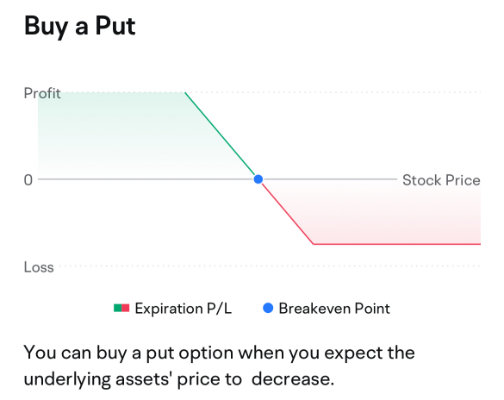
With a long put option, an investor seeks to potentially profit from the underlying asset's decline. Some investors may use this strategy for speculation and preserving capital. A long put option gives the investor, the right, but not the obligation, to sell an underlying asset at a predetermined price (the strike price) in a specific time period (the expiration date).
If a long put expires out-of-the-money at expiration (the current market price is higher than the strike price), the contract will expire worthless and the full loss is realized.
Risks
Risks can include the potential for total loss of the premium paid, time decay works against long put positions, and an inaccurate prediction of price movements and their timing.
Short call options involve selling contracts that are obligations to deliver the underlying asset at a specific strike price if assigned, potentially benefiting from neutral market conditions. Short put options entail selling contracts that are obligations to buy the underlying asset at a specific strike price, potentially profiting from rising underlying asset prices or neutral market conditions.
These strategies offer the potential for income generation through premium collection. However, losses can be significant on short puts and unlimited on short calls if the market moves against the seller. Therefore, careful risk management and monitoring are essential when employing short call and put strategies.
With a short call, an investor generally has a bearish sentiment as they sell the option in hopes the underlying asset's price will be below the respective strike price upon expiration.
An investor using a short put strategy usually has a bullish sentiment.
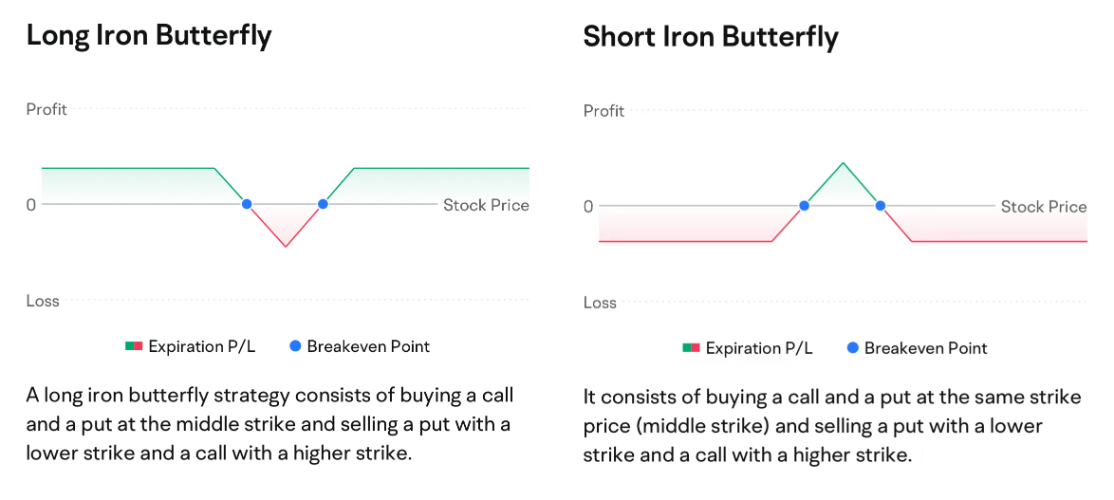
A short iron butterfly can be utilized for markets expected to have decreasing volatility, as an investors can potentially benefit from the sale of the two at-the-money options. If the volatility is too low upon opening the trade, the premium received may leave little room for potential profit.
A short iron butterfly combines four options, which can limit the potential profit and rks as the investor believes the underlying asset will remain within a specific range. If this happens, they can profit from the options expiring worthless.
With a long iron butterfly, an investor simultaneously buys a put and call at the same strike price and sells a put with a lower strike price and a call with a higher strike price.
The theoretical maximum profit is the net premium received from selling at-the-money options - the cost of buying out-of-the-money options and the theoretical maximum loss of the difference between the ATM strike and either the call or put OTM strike minus the net premium received.
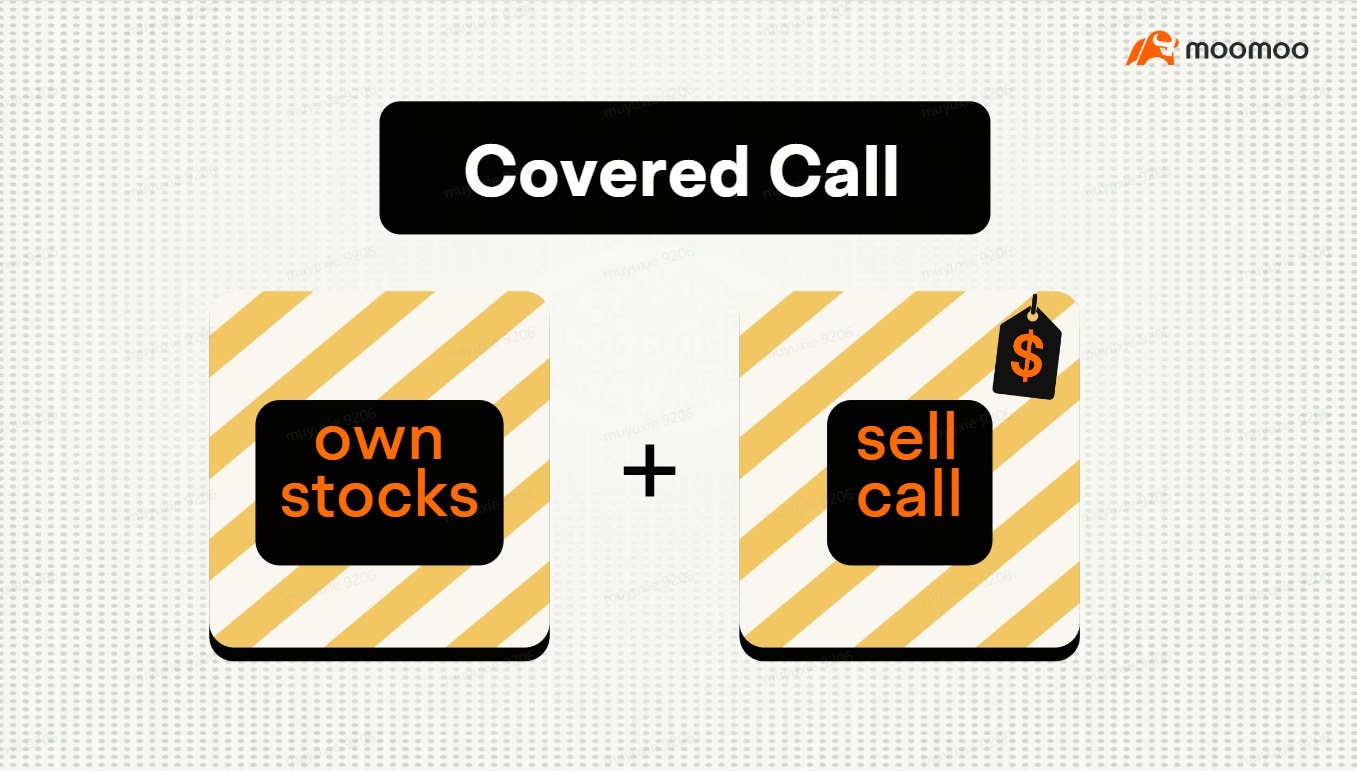
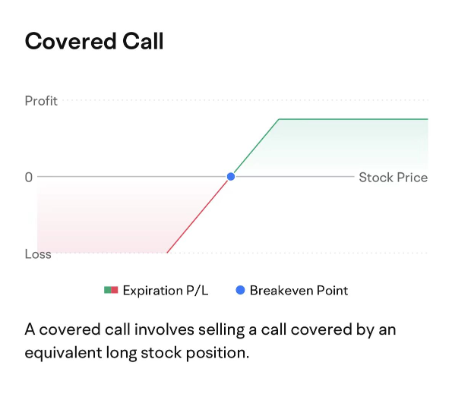
A covered call has the buyer, who already holds a long position in an underlying asset, sell a call option on that same asset. This strategy is typically used by investors to generate income through the premiums received from selling the call options, or to protect against minor declines in the underlying asset's price.
Here's some scenarios to think about.
An investor owns 100 shares of a stock that currently trades at $50 per share. They decide to sell a call option (covered as they own the underlying asset) with a strike price of $45.
The call option is considered to be in-the-money because the market price of the stock ($50) is higher than the strike price of the option ($45). If the option is exercised, the investor would have to sell their shares for $45 each, even though they are worth $50 each in the open market.
If a covered call writer is assigned, the buyer of the call option has decided to exercise their right to buy the underlying asset at the strike price.The writer will be obligated to sell the underlying shares at the strike price. As for potential profit or loss, this will depend on the original purchase price of the shares along with the premium received.
If the investor bought the shares for less than the strike price, then they can make a profit. However, if they bought them for more, they'll take a loss and premium received when selling the call option can offset some or all of this loss.
Regardless of whether the option is exercised, the writer keeps the premium received when they sold the call option. This can provide some income, even if the option is exercised and they have to sell your shares.
While selling options like covered calls can be a great way to earn premiums, sifting through thousands of contracts to find safe and lucrative opportunities can be overwhelming. A dedicated tool that filters for high-quality selling candidates can help you profit more scientifically. Moomoo’s Options Seller Dashboard is a powerful strategy screener that highlights Cash-Secured Put and Covered Call opportunities across the market. You can customize filters based on your risk appetite—for example, setting a low IV Rank to control risk while targeting a specific premium amount, sorted by probability of profit. This helps you stop selling blindly and instead discover the best opportunities that align with your strategy. Open an account on moomoo to access the Options Seller Dashboard and start managing the risk and reward of every premium you earn.
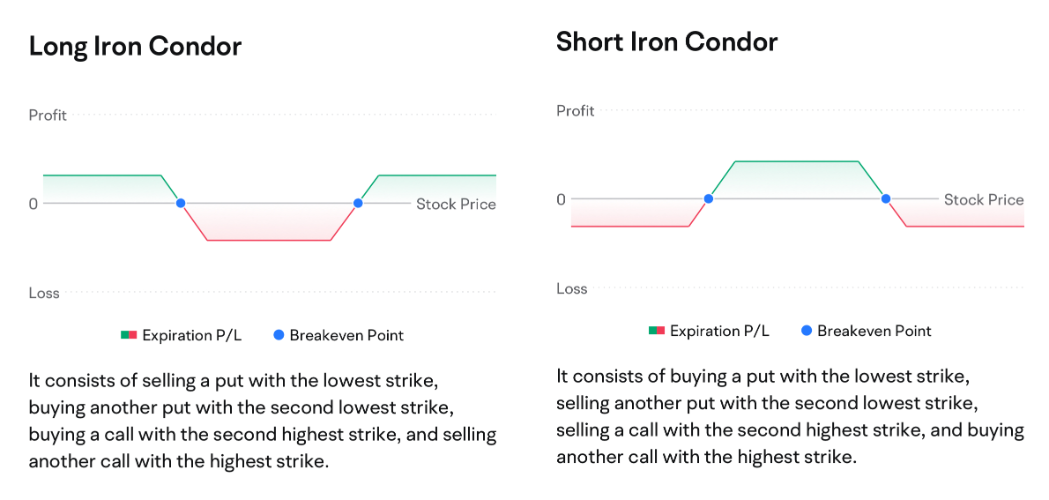
An iron condor is an advanced strategy that enables an investor to potentially profit from low volatility in the underlying asset. It includes four contracts: two calls (one long, one short) and two puts (one long, one short) at four strike prices and the same expiration date.
The goal is for all options to expire worthess, which happens if the underlying asset closes between the middle strike prices at expiration. An investor pays a fee to close the trade if successful, but the loss remains limited.
A long condor spread is established with a net debit (investors are paying to enter the position) and involves four options with identical expiration dates, purchased and/or sold at the same time. The theoretical maximum profit comes when underlying price is outside of the highest or lowest strike prices at expiration. The theoretical maximum loss is the total premium paid for the condor.
A short iron condor spread seeks low volatility for the underlying asset. The theoretical maximum profit occurs if the stock price remains between the two short strikes at expiration while the theoretical maximum loss is the difference between the strikes of the bull put spread (or bear call spread) minus the net premium received.
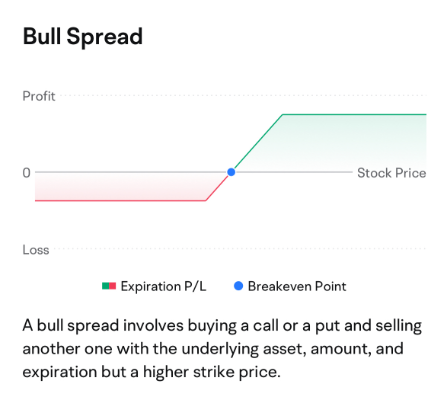
For a bull call spread, an investor will simultaneously purchase calls at a specific strike price and sell the exact number of calls at a higher strike price. These calls have identical expiration dates and the same underlying security. This strategy can be used when an investor is bullish and thinks there will be a moderate price rise in the underlying asset.
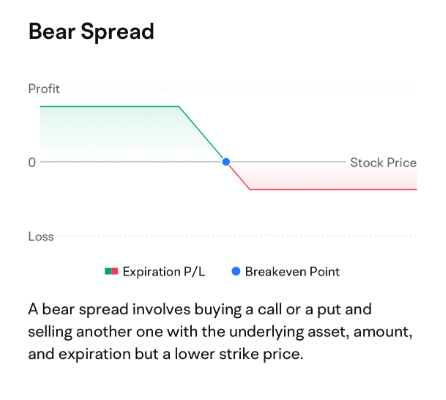
A bear put spread works similarly to a bull call spread as it's another vertical spread; it allows you to potentially profit from a declining stock price while limiting your potential losses. In this strategy, an investor simultaneously buys put options at a specified strike price while selling the same number of puts at a lower strike price.
A married put, also called a protective put, is purchased by paying the premium for the cost of the put(s). This is at the same time as an equivalent amount of underlying stock is bought. The put provides protection beneath the strike price and only lasts until the expiration date. If the stock price falls, the put options act like insurance, limiting your downside risk.
For this strategy, you buy and sell options with different strike prices and expiration dates, offering flexibility from the effects of time. You can enter a long and short position in two options of the same type, either two call options or two put options. However, they'll have different strike prices and different expiration dates. An investor's sentiment can be either bullish or bearish, depending on the options used and the structure.
This is considered an advanced strategy from the way it's structured with wings. To create this strategy, it consists of three option strike prices and can be either a bullish or bearish sentiment.
You combine buying one in-the-money option, selling two at-the-money options, and buying another out of-the-money option but at a different strike price. This strategy allows you to adjust the risk and potential reward according to your preferences while still aiming to profit from minimal price movement.
Keep in mind, when compared to a traditional butterfly strategy, the broken wing version may expose investors to a bigger loss potential should the underlying stock price quickly go against you.
The best strategy for options trading varies depending on your risk tolerance, market outlook, and investment goals. It's essential to understand each strategy's strengths and weaknesses and choose one that aligns with your objectives.
Trading options effectively requires education, practice, and discipline. Start by learning the basics of options trading, including terminology and strategies. Practice paper trading or use a virtual account before risking real money. Develop a trading plan, set realistic goals, and stick to your strategy, adjusting as needed based on market conditions and changing goals.
There isn't a one-size-fits-all answer to this question, as different indicators serve different purposes and trading styles. Some commonly-used indicators in options trading include moving averages, volatility measures (e.g. VIX), and option-specific indicators such as open interest and implied volatility. Learn about and experiment with various indicators to discover ones that might work best for your trading approach.
Bottom Line
By learning these 10 options strategies, you can gain greater confidence in navigating the complex world of options trading. Remember, practice with paper trading, so start small, stay informed, and continuously refine your skills to help increase your chances of becoming a successful options trader.
This presentation is for informational and educational use only and is not a recommendation or endorsement of any particular investment or investment strategy. Investment information provided in this content is general in nature, strictly for illustrative purposes, and may not be appropriate for all investors. Read more
Recommend
Moomoo Offers Extended Trading Hours for Options Trading on Oct 19
At-the-Money (ATM) - How It Works in Options Trading
Out-of-the-Money in Options Trading - How It Works & Examples

Covered Call: A Comprehensive Guide to Options Trading
Strangle Options Strategy - A Helpful Guide for Traders
Straddle vs. Strangle: Understanding the Key Differences
Triple Witching: Understanding Its Impact on the Stock Market
Underlying Asset: Definition, Types and Examples
What Are Option Premiums
Covered Calls and Covered Puts - Strategies for Options Trading
Expiration Date in Options Trading
Options Break-Even Point: Definition, Formula, and Examples
Credit Spread: Definition, Examples & How to Calculate
Bull Put Spread: Definitions, How It Works & Examples
How to Manage Your Risk in Options Trading
How to Pick the 'Right' Strike Price
Options Wheel Strategy Explained: Definition and How to Trade
Long Collar Options Strategy: Definition, How It Works & Examples
Long Call Options Strategy: Definition, Potential Benefits, and Risks
Exercise of Options: When and How to Exercise Options
Time Value: Definition, Calculation, Importance in Options Trading
Short Call Options Strategy: Guide & Examples
What Are Bitcoin ETF Options: Investment Insights & Strategies
Hedge with Options: Protect Your Portfolio in 2026
Options Chains: Definition, How to Read and Analyze Them
Options Profit Calculation: Overview, Formula & Examples
What is Theta in Options Trading: Overview and Strategies
Debit Spread: Definition, Types & Examples
Butterfly Spread: Definition and Application in Options Trading
What Is an Options Screener and How to Use?
Unusual Options Activity: Insights and Strategies for Traders
Protective Put Strategy: Definition, How It Works & Examples
What Are Stock Options: Types, How They Work and Examples
Weekly vs. Monthly Options: Choosing the Right Expiration Date
How to Practice Options Trading with Demo Trading Account
Sell to Open vs Sell to Close: Understanding the Difference
Long Put: Definition, Examples and How to Trade
Iron Condor: Understanding This Options Trading Strategy
Diagonal Spread: Definition, Types & How to Use
Implied Volatility (IV) Rank & Percentile in Options Trading
Trading Earnings with Options
Iron Butterfly: Mastering the Options Trading Strategy
Interest Rate Options: Definition & How They Work
Options Buy to Open vs Buy to Close: What's the difference?
Vertical Spread: Definition, Types, & Examples
Bear Put Spread: An Options Trading Strategy Explained
What is a Dividend Reinvestment Plan (DRIP)?
Put/Call Ratio (PCR): Definition & How to Use
How Are Options Priced? | Calculation and Examples
Naked Calls Options Strategy: Definition & How It Works
Options Vs. Futures: Understanding Their Key Differences
Extrinsic Value: Definition, Calculation, and Trading Strategies
Intrinsic Value: How It Works And How To Calculate It
Bull Call Spread - Examples and Applications in Options Trading
Index Options: Definitions, Strategies and Risks
Short Put Options: Strategies and Risks Explained
Quadruple Witching: How It Can Affect the Stock Market
What Are Options? Everything You Need to Know before Trading
Four Option Trading Strategies for Beginners
10 Options Strategies to Enhance Your Trading Portfolio
American Options vs. European Options
In-The-Money (ITM): Call and Put Options Examples
What is a Calendar Spread?
Open Interest: What it means for traders and investors
Options vs Stocks: Choosing the Right Investment Strategy
Options Strike Prices Explained: A Complete Guide for Beginners
Call vs Put Options: Your Essential Guide to the Basics
Zero Days to Expiration (0DTE) Options: Trade Mag 7 Stock Options Today
What Is An Options Contract? How Does It Work?
What is Synthetic Put? (How Does It Work)
How and When to Roll Covered Calls
Option Volume vs Open Interest: Understanding the Difference
4 Options Trading Levels
How to Trade Options for Beginners?
What Is Implied Volatility (IV)?
What Are Cash Secured Puts: How To Sell Them
What Is a Straddle Options Strategy?
What Is Ratio Spread in Options
What is a Call Option: Strategies and Tips
Taxes on Stocks: How Selling Stocks Affects Your Taxes
Option Greeks Explained - Option Greek Cheat Sheet
Put Options: Hedging Your Portfolio
Put Options: How to Use Them in Your Trading Strategy
Poor Man's Covered Call (PMCC): A Beginner's Guide
Four Option Trading Mistakes to Avoid
Trading Synthetic Options: Risks and Rewards
Call Spread vs. Put Spread: What are the differences?
What is stock options trading
What Is Margin Call and How Can You Avoid the Risks?
Options Trading Strategies: Iron Condor vs. Iron Butterfly
Moomoo Offers Extended Trading Hours for Options Trading on Oct 19
At-the-Money (ATM) - How It Works in Options Trading
Out-of-the-Money in Options Trading - How It Works & Examples
Covered Call: A Comprehensive Guide to Options Trading
Strangle Options Strategy - A Helpful Guide for Traders
Straddle vs. Strangle: Understanding the Key Differences
Triple Witching: Understanding Its Impact on the Stock Market
Underlying Asset: Definition, Types and Examples
What Are Option Premiums
Covered Calls and Covered Puts - Strategies for Options Trading
Expiration Date in Options Trading
Options Break-Even Point: Definition, Formula, and Examples
Credit Spread: Definition, Examples & How to Calculate
Bull Put Spread: Definitions, How It Works & Examples
How to Manage Your Risk in Options Trading
How to Pick the 'Right' Strike Price
Options Wheel Strategy Explained: Definition and How to Trade
Long Collar Options Strategy: Definition, How It Works & Examples
Long Call Options Strategy: Definition, Potential Benefits, and Risks
Exercise of Options: When and How to Exercise Options
Time Value: Definition, Calculation, Importance in Options Trading
Short Call Options Strategy: Guide & Examples
What Are Bitcoin ETF Options: Investment Insights & Strategies
Hedge with Options: Protect Your Portfolio in 2026
Options Chains: Definition, How to Read and Analyze Them
Options Profit Calculation: Overview, Formula & Examples
What is Theta in Options Trading: Overview and Strategies
Debit Spread: Definition, Types & Examples
Butterfly Spread: Definition and Application in Options Trading
What Is an Options Screener and How to Use?
Unusual Options Activity: Insights and Strategies for Traders
Protective Put Strategy: Definition, How It Works & Examples
What Are Stock Options: Types, How They Work and Examples
Weekly vs. Monthly Options: Choosing the Right Expiration Date
How to Practice Options Trading with Demo Trading Account
Sell to Open vs Sell to Close: Understanding the Difference
Long Put: Definition, Examples and How to Trade
Iron Condor: Understanding This Options Trading Strategy
Diagonal Spread: Definition, Types & How to Use
Implied Volatility (IV) Rank & Percentile in Options Trading
Trading Earnings with Options
Iron Butterfly: Mastering the Options Trading Strategy
Interest Rate Options: Definition & How They Work
Options Buy to Open vs Buy to Close: What's the difference?
Vertical Spread: Definition, Types, & Examples
Bear Put Spread: An Options Trading Strategy Explained
What is a Dividend Reinvestment Plan (DRIP)?
Put/Call Ratio (PCR): Definition & How to Use
How Are Options Priced? | Calculation and Examples
Naked Calls Options Strategy: Definition & How It Works
Options Vs. Futures: Understanding Their Key Differences
Extrinsic Value: Definition, Calculation, and Trading Strategies
Intrinsic Value: How It Works And How To Calculate It
Bull Call Spread - Examples and Applications in Options Trading
Index Options: Definitions, Strategies and Risks
Short Put Options: Strategies and Risks Explained
Quadruple Witching: How It Can Affect the Stock Market
What Are Options? Everything You Need to Know before Trading
Four Option Trading Strategies for Beginners
10 Options Strategies to Enhance Your Trading Portfolio
American Options vs. European Options
In-The-Money (ITM): Call and Put Options Examples
What is a Calendar Spread?
Open Interest: What it means for traders and investors
Options vs Stocks: Choosing the Right Investment Strategy
Options Strike Prices Explained: A Complete Guide for Beginners
Call vs Put Options: Your Essential Guide to the Basics
Zero Days to Expiration (0DTE) Options: Trade Mag 7 Stock Options Today
What Is An Options Contract? How Does It Work?
What is Synthetic Put? (How Does It Work)
How and When to Roll Covered Calls
Option Volume vs Open Interest: Understanding the Difference
4 Options Trading Levels
How to Trade Options for Beginners?
What Is Implied Volatility (IV)?
What Are Cash Secured Puts: How To Sell Them
What Is a Straddle Options Strategy?
What Is Ratio Spread in Options
What is a Call Option: Strategies and Tips
Taxes on Stocks: How Selling Stocks Affects Your Taxes
Option Greeks Explained - Option Greek Cheat Sheet
Put Options: Hedging Your Portfolio
Put Options: How to Use Them in Your Trading Strategy
Poor Man's Covered Call (PMCC): A Beginner's Guide
Four Option Trading Mistakes to Avoid
Trading Synthetic Options: Risks and Rewards
Call Spread vs. Put Spread: What are the differences?
What is stock options trading
What Is Margin Call and How Can You Avoid the Risks?
Options Trading Strategies: Iron Condor vs. Iron Butterfly

