



Moomoo Insights
Jul 16 15:38
TSMC Earnings: AI Demand Is Stronger Than the Chip Selloff Suggests
Moomoo Insights
Sep 30 05:04
Live Take | Anthropic’s $518B Compute Bet: Who Wins From the AI Buildout?
Options trading creates a wide range of opportunities for traders looking to diversify their investment strategies. In this article, we examine options trading, different types of options, advantages and disadvantages, and how to trade options.
Options trading gives traders more ways to seek opportunities within the asset market. They’re a relatively advanced strategy, enabling the buying or selling of underlying assets at a predetermined price by a predetermined date (known as the expiration date).
Unlike stocks, where a purchase simply sees the choice of which stock, how many, and the fulfillment of that order, options trading allows traders to secure the purchase or sales of stocks within certain conditions that may or may not come to pass.
Traders looking to enter the options trading market have a number of different types available to them, including:
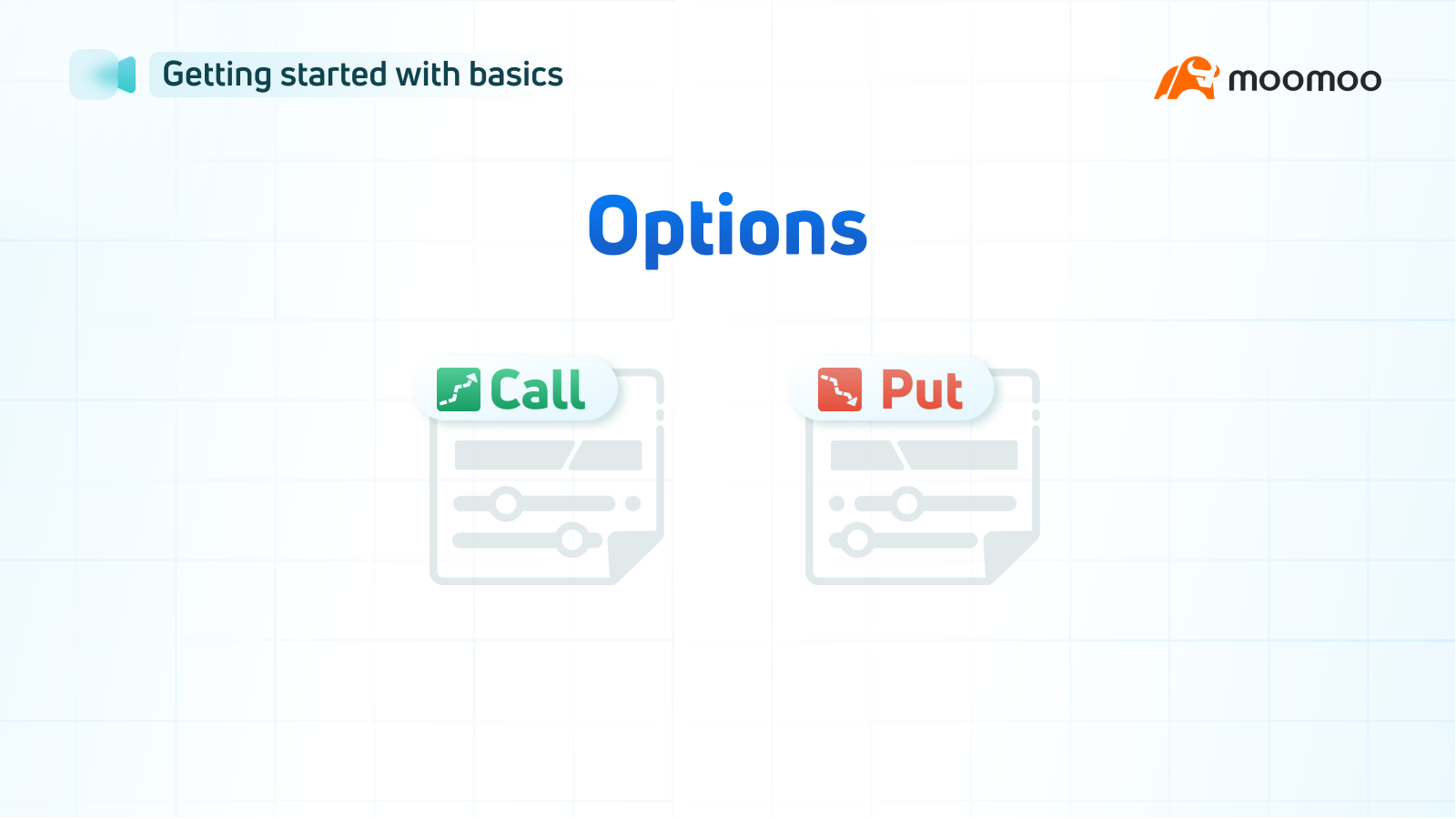
These types of options give the owner of the option the choice, but not the obligation, to secure that specific stock at a predetermined price (known as the ‘strike price’) within a specific time period (known as the ‘expiration’).
In order to secure a call option, the buyer pays a premium to the call seller. Investors will often use call options to secure the right to purchase a stock they believe is going to rise in value. If the market value of that stock does increase, the call option can be exercised for the investor’s benefit.
If it doesn’t increase to the level of the strike price or above, the call option expires without being exercised, resulting in a loss of the premium paid by the call buyer and a profit of the premium’s value to the call seller. The writer or seller of the call option has the obligation to sell the shares, if assigned.
a put option acts in the opposite way to a call option, giving the owner of the option the right, but not the obligation, to sell a particular security at a predetermined price (the ‘strike price’) within a specific time period (the ‘expiration’).
In the instance of a put option, the seller sets the contract’s terms, with the buyer paying the seller a premium in order to purchase that contract. The writer (or seller) of the put option has the obligation to buy the shares, if assigned.
Within both call options and put options are a range of options trading strategies, including covered calls and naked calls.
While there’s a wide range of terminology used within the options trading world, some terms are used more commonly than others. These terms are useful for all investors looking to enter the world of options trading:
In-the-money - this term is used when an option has intrinsic value. For a call option, an option is in the money if the stock value is higher than the strike price. A put option is in the money in the reverse, when the stock price is lower than the strike price.
Out-of-the-money - out-of-the-money options occur when there’s no longer any potential for profit in the exercising of that option, meaning they have no intrinsic value. Their premium is made up of time value only. Call options become out of the money if the stock price is lower than the strike price, whereas put options are out of the money when the stock price is higher than the strike price.
At-the-money - options are considered at-the-money when the stock price is approximate of equal value to the strike price.
Understanding an options chain is crucial for successful options trading. Each component provides valuable insights into the market sentiment and potential profitability of an options contract. Here are some key terms to know.
The bid price represents the highest price a buyer is willing to pay for an options contract. It reflects the demand and perceived value of the contract in the market.
The ask price indicates the lowest price at which a seller is willing to part with an options contract. It signifies the supply and perceived value of the contract in the market.
Volume denotes the total number of options contracts traded for a particular strike price and expiration date. It helps gauge market interest and liquidity for a specific contract.
Open interest reveals the total number of outstanding options contracts for a particular strike price and expiration date. It provides insights into the existing positions in the market.
The strike price is the predetermined price at which the underlying asset can be bought or sold when exercising the options contract. It plays a pivotal role in determining the contract's intrinsic value.
The expiration date signifies the date by which the options contract must be exercised or it will expire worthless. It influences the contract's time value and potential profitability.
Vega measures the sensitivity of an options contract to changes in implied volatility. It helps traders assess the impact of volatility fluctuations on the contract's value.
Theta represents the rate of decline in an options contract's value due to the passage of time. It aids in evaluating the impact of time decay on the contract's profitability.
Delta measures the change in the options contract's value in relation to the underlying asset's price movement. It provides insights into the contract's directional risk.
Gamma reflects the rate of change in an options contract's delta in response to changes in the underlying asset's price. It influences the contract's risk exposure to market movements.
As you dive into options trading, it's crucial to understand how traders make their investment decisions. Here are three important aspects — leverage, flexibility, and hedging — that form the bedrock of informed decision-making in the world of options trading.
Options trading gives you the special power of leverage, allowing you to control big positions with just a small amount of money. But remember, while this can bring bigger gains, it also means bigger risks.
Options contracts give you the freedom to customize your positions based on different market conditions. Whether you want to adjust risk, potentially take advantage of short-term opportunities, or try out advanced strategies (depending on your experience and risk tolerance), options flexibility can give you that opportunity.
Options can act as a sort of temporary protection for your investments. By using put options to help protect the underlying asset against losses past the breakeven point in your investment portfolio, you can potentially shield yourself from bad price movements in the assets you own that’s paired with a protective put. However, keep in mind these benefits come at a cost (any premiums paid). Using a smart hedging strategy means understanding risk management and how options positions interact with the broader market, making you more resilient and strategic when things get bumpy.
Before you can trade options, you’ll need to open an options trading account. A number of online brokers allow for options trading, so it’s important to do your research as to which one will be the best fit for your needs.
Based on your research and investment strategy, you can identify which options you’d like to buy or sell, identifying that option within your online trading account.
The next step in securing an option is to consider the option strike price. Investors will choose a strike price that suits their investment goals and objectives, which is where the role of technical or fundamental analysis becomes so important in shaping a sound options trading strategy. Learn more about the technical analysis here.
Option quotes, which are officially known as option chains or matrixes, cover the available strike prices buyers can choose from. These strike prices are based on the stock price and are standardised across the industry.
At this stage of your options trade, you’ll need to determine the option time frame. As with the option strike price, your choice of option time frame is best supported by rigorous research and a strategic approach to the most likely time frame that may return a profit on your premium. As with the strike price, the expiration dates are limited to those offered in the option chain.
Here we encounter two different styles of options: American and European. American options are able to exercise that option at any point up to the expiry date. By contrast, European options can only be exercised on the day of expiry. American options are often more expensive, accommodating the increased flexibility they offer.
The choice of expiration dates can be as small as a matter of days, all the way through to years. Long-term investors are more likely to make use of monthly or yearly expiration dates, while daily and weekly options are inherently more risky.
Once you’ve identified the underlying stock, selected the option strike price and determined the option time frame, it’s time to decide whether to buy or sell and to place your trade accordingly.
It’s important to ensure that this step is completed carefully, as traders have been known to accidentally place a call option when looking to purchase a put option!
Many successful traders understand the importance of monitoring their position during the course of an option trade. By keeping clear records, evaluating trades and optimising trading decisions, investors can continue to strengthen their approach to options trading, learning from past wins and losses in order to refine their strategy.
Accurate records are of great importance to options traders. By keeping trading notes, options traders can note details such as why they chose an individual security, the data informing their strategy, their expectations and any other relevant notes surrounding that particular trade. These can be highly useful in the future when examining new trading opportunities.
Clear records also help options traders evaluate their performance to date against their continued investment goals. This process can assist investors in optimising their future option trades, shifting course to further align call options and put options with individual risk profiles and investment strategies.
As financial markets experience constant change, carrying out a monitoring process across the duration of all investment activity is crucial in building an informed approach to the market. Major market impacts may lead to increased adjustments across investor strategies. Investors can then use data from their trade to gain insights as to what’s working and what can be improved.
Options trading offers both advantages and disadvantages to investors, with inherent risks a part of each transaction. When traders are able to build an informed approach to their options trading that takes these risks into account, they can trade from a more informed position, making decisions that align with their short-term and long-term goals.
The single greatest advantage purchasing options offers is the ability to see upside potential with the risk of losses theoretically only limited to the size of the option’s premium. This can be a different way for traders to gain from an increase in stock prices, rather than owning the stock itself, which can hypothetically reduce in value entirely. Other potential advantages include:
Generate income
Options trading is often employed by traders who are looking to generate regular returns from their portfolios, with methods including:
Selling puts to buy
Writing covered calls
Attempting to maximize premiums
Protect your portfolio
Options trading also offers advantages to those looking to hedge their risk. Many investors use call options and put options as a method of mitigating their investments - for example, selling a put option against a company they own stock in can allow them to potentially benefit from either a rise or fall in that company’s value.
This strategy can allow investors to purchase stocks and options with a clear strategy for risk mitigation, no matter the direction of the market’s movement. However, the potential loss can be substantial since the underlying stock could theoretically go down to zero, and the trader would have to buy the assigned shares at the strike price. The trader could also take losses on the long stock position as well.
Trade your perspective
Options trading can be a great benefit to traders who are looking to trade their perspective, creating flexibility to use a range of strategies across different market conditions. They can be of benefit within both bear and bull markets, as well as offering flexibility across time horizons that are suitable to individual investment strategies.
Small initial outlay
Options trading gives investors the ability to use smaller initial outlays to generate potentially greater returns. Instead of requiring significant amounts of capital to purchase shares outright before benefitting from their growth, options allow investors to profit from those share price changes without owning the shares directly until the option’s expiration.
Diversify your portfolio
As options trading is generally less capital-intensive than traditional stock purchases, traders are able to utilize their capital across a more diversified portfolio spread. This can be advantageous in exposing investors to multiple stocks, rather than requiring their resources to be directed into a smaller number of stock pools.
On the other side of the spectrum, one of the disadvantages of options contracts is their level of complexity. Options trading isn’t recommended for new traders who don’t bring significant experience and insight within the trading markets given their advanced investment form.
Many inexperienced investors can be tempted to trade options without having a strong understanding of how it works, in hopes of potentially making a quick profit. However, a failure to genuinely understand the implications of an options trade can result in impactful losses.
Complexity
Options contracts can be inherently complex, making them less suitable for inexperienced traders who lack significant experience and insight within the trading markets. The advanced nature of options trading requires a deep understanding of market dynamics and risk management strategies to make informed decisions.
Potential for Impactful Losses
Inexperienced investors may be enticed by the potential for quick profits without fully comprehending the implications of their options trades. This lack of understanding can lead to substantial losses, highlighting the need for thorough knowledge and expertise in options trading.
Risk of Worthlessness
Options also carry the risk of becoming worthless, especially if they expire while the stock is out of the money. This scenario can result in significant financial loss, particularly when investors purchase multiple out-of-the-money options without a clear grasp of the associated risks.
Exposure to Unlimited Losses
Certain options trading strategies may expose the trader to unlimited losses, necessitating a comprehensive understanding of the risk-return profile of each strategy employed.
For more information on how to trade options on moomoo, please visit the moomoo help center>>
This presentation is for informational and educational use only and is not a recommendation or endorsement of any particular investment or investment strategy. Investment information provided in this content is general in nature, strictly for illustrative purposes, and may not be appropriate for all investors. Read more
Recommend
Moomoo Offers Extended Trading Hours for Options Trading on Oct 19
At-the-Money (ATM) - How It Works in Options Trading
Out-of-the-Money in Options Trading - How It Works & Examples

Covered Call: A Comprehensive Guide to Options Trading
Strangle Options Strategy - A Helpful Guide for Traders
Straddle vs. Strangle: Understanding the Key Differences
Triple Witching: Understanding Its Impact on the Stock Market
Underlying Asset: Definition, Types and Examples
What Are Option Premiums
Covered Calls and Covered Puts - Strategies for Options Trading
Expiration Date in Options Trading
Options Break-Even Point: Definition, Formula, and Examples
Credit Spread: Definition, Examples & How to Calculate
Bull Put Spread: Definitions, How It Works & Examples
How to Manage Your Risk in Options Trading
How to Pick the 'Right' Strike Price
Options Wheel Strategy Explained: Definition and How to Trade
Long Collar Options Strategy: Definition, How It Works & Examples
Long Call Options Strategy: Definition, Potential Benefits, and Risks
Exercise of Options: When and How to Exercise Options
Time Value: Definition, Calculation, Importance in Options Trading
Short Call Options Strategy: Guide & Examples
What Are Bitcoin ETF Options: Investment Insights & Strategies
Hedge with Options: Protect Your Portfolio in 2026
Options Chains: Definition, How to Read and Analyze Them
Options Profit Calculation: Overview, Formula & Examples
What is Theta in Options Trading: Overview and Strategies
Debit Spread: Definition, Types & Examples
Butterfly Spread: Definition and Application in Options Trading
What Is an Options Screener and How to Use?
Unusual Options Activity: Insights and Strategies for Traders
Protective Put Strategy: Definition, How It Works & Examples
What Are Stock Options: Types, How They Work and Examples
Weekly vs. Monthly Options: Choosing the Right Expiration Date
How to Practice Options Trading with Demo Trading Account
Sell to Open vs Sell to Close: Understanding the Difference
Long Put: Definition, Examples and How to Trade
Iron Condor: Understanding This Options Trading Strategy
Diagonal Spread: Definition, Types & How to Use
Implied Volatility (IV) Rank & Percentile in Options Trading
Trading Earnings with Options
Iron Butterfly: Mastering the Options Trading Strategy
Interest Rate Options: Definition & How They Work
Options Buy to Open vs Buy to Close: What's the difference?
Vertical Spread: Definition, Types, & Examples
Bear Put Spread: An Options Trading Strategy Explained
What is a Dividend Reinvestment Plan (DRIP)?
Put/Call Ratio (PCR): Definition & How to Use
How Are Options Priced? | Calculation and Examples
Naked Calls Options Strategy: Definition & How It Works
Options Vs. Futures: Understanding Their Key Differences
Extrinsic Value: Definition, Calculation, and Trading Strategies
Intrinsic Value: How It Works And How To Calculate It
Bull Call Spread - Examples and Applications in Options Trading
Index Options: Definitions, Strategies and Risks
Short Put Options: Strategies and Risks Explained
Quadruple Witching: How It Can Affect the Stock Market
What Are Options? Everything You Need to Know before Trading
Four Option Trading Strategies for Beginners
10 Options Strategies to Enhance Your Trading Portfolio
American Options vs. European Options
In-The-Money (ITM): Call and Put Options Examples
What is a Calendar Spread?
Open Interest: What it means for traders and investors
Options vs Stocks: Choosing the Right Investment Strategy
Options Strike Prices Explained: A Complete Guide for Beginners
Call vs Put Options: Your Essential Guide to the Basics
Zero Days to Expiration (0DTE) Options: Trade Mag 7 Stock Options Today
What Is An Options Contract? How Does It Work?
What is Synthetic Put? (How Does It Work)
How and When to Roll Covered Calls
Option Volume vs Open Interest: Understanding the Difference
4 Options Trading Levels
How to Trade Options for Beginners?
What Is Implied Volatility (IV)?
What Are Cash Secured Puts: How To Sell Them
What Is a Straddle Options Strategy?
What Is Ratio Spread in Options
What is a Call Option: Strategies and Tips
Taxes on Stocks: How Selling Stocks Affects Your Taxes
Option Greeks Explained - Option Greek Cheat Sheet
Put Options: Hedging Your Portfolio
Put Options: How to Use Them in Your Trading Strategy
Poor Man's Covered Call (PMCC): A Beginner's Guide
Four Option Trading Mistakes to Avoid
Trading Synthetic Options: Risks and Rewards
Call Spread vs. Put Spread: What are the differences?
What is stock options trading
What Is Margin Call and How Can You Avoid the Risks?
Options Trading Strategies: Iron Condor vs. Iron Butterfly
Moomoo Offers Extended Trading Hours for Options Trading on Oct 19
At-the-Money (ATM) - How It Works in Options Trading
Out-of-the-Money in Options Trading - How It Works & Examples
Covered Call: A Comprehensive Guide to Options Trading
Strangle Options Strategy - A Helpful Guide for Traders
Straddle vs. Strangle: Understanding the Key Differences
Triple Witching: Understanding Its Impact on the Stock Market
Underlying Asset: Definition, Types and Examples
What Are Option Premiums
Covered Calls and Covered Puts - Strategies for Options Trading
Expiration Date in Options Trading
Options Break-Even Point: Definition, Formula, and Examples
Credit Spread: Definition, Examples & How to Calculate
Bull Put Spread: Definitions, How It Works & Examples
How to Manage Your Risk in Options Trading
How to Pick the 'Right' Strike Price
Options Wheel Strategy Explained: Definition and How to Trade
Long Collar Options Strategy: Definition, How It Works & Examples
Long Call Options Strategy: Definition, Potential Benefits, and Risks
Exercise of Options: When and How to Exercise Options
Time Value: Definition, Calculation, Importance in Options Trading
Short Call Options Strategy: Guide & Examples
What Are Bitcoin ETF Options: Investment Insights & Strategies
Hedge with Options: Protect Your Portfolio in 2026
Options Chains: Definition, How to Read and Analyze Them
Options Profit Calculation: Overview, Formula & Examples
What is Theta in Options Trading: Overview and Strategies
Debit Spread: Definition, Types & Examples
Butterfly Spread: Definition and Application in Options Trading
What Is an Options Screener and How to Use?
Unusual Options Activity: Insights and Strategies for Traders
Protective Put Strategy: Definition, How It Works & Examples
What Are Stock Options: Types, How They Work and Examples
Weekly vs. Monthly Options: Choosing the Right Expiration Date
How to Practice Options Trading with Demo Trading Account
Sell to Open vs Sell to Close: Understanding the Difference
Long Put: Definition, Examples and How to Trade
Iron Condor: Understanding This Options Trading Strategy
Diagonal Spread: Definition, Types & How to Use
Implied Volatility (IV) Rank & Percentile in Options Trading
Trading Earnings with Options
Iron Butterfly: Mastering the Options Trading Strategy
Interest Rate Options: Definition & How They Work
Options Buy to Open vs Buy to Close: What's the difference?
Vertical Spread: Definition, Types, & Examples
Bear Put Spread: An Options Trading Strategy Explained
What is a Dividend Reinvestment Plan (DRIP)?
Put/Call Ratio (PCR): Definition & How to Use
How Are Options Priced? | Calculation and Examples
Naked Calls Options Strategy: Definition & How It Works
Options Vs. Futures: Understanding Their Key Differences
Extrinsic Value: Definition, Calculation, and Trading Strategies
Intrinsic Value: How It Works And How To Calculate It
Bull Call Spread - Examples and Applications in Options Trading
Index Options: Definitions, Strategies and Risks
Short Put Options: Strategies and Risks Explained
Quadruple Witching: How It Can Affect the Stock Market
What Are Options? Everything You Need to Know before Trading
Four Option Trading Strategies for Beginners
10 Options Strategies to Enhance Your Trading Portfolio
American Options vs. European Options
In-The-Money (ITM): Call and Put Options Examples
What is a Calendar Spread?
Open Interest: What it means for traders and investors
Options vs Stocks: Choosing the Right Investment Strategy
Options Strike Prices Explained: A Complete Guide for Beginners
Call vs Put Options: Your Essential Guide to the Basics
Zero Days to Expiration (0DTE) Options: Trade Mag 7 Stock Options Today
What Is An Options Contract? How Does It Work?
What is Synthetic Put? (How Does It Work)
How and When to Roll Covered Calls
Option Volume vs Open Interest: Understanding the Difference
4 Options Trading Levels
How to Trade Options for Beginners?
What Is Implied Volatility (IV)?
What Are Cash Secured Puts: How To Sell Them
What Is a Straddle Options Strategy?
What Is Ratio Spread in Options
What is a Call Option: Strategies and Tips
Taxes on Stocks: How Selling Stocks Affects Your Taxes
Option Greeks Explained - Option Greek Cheat Sheet
Put Options: Hedging Your Portfolio
Put Options: How to Use Them in Your Trading Strategy
Poor Man's Covered Call (PMCC): A Beginner's Guide
Four Option Trading Mistakes to Avoid
Trading Synthetic Options: Risks and Rewards
Call Spread vs. Put Spread: What are the differences?
What is stock options trading
What Is Margin Call and How Can You Avoid the Risks?
Options Trading Strategies: Iron Condor vs. Iron Butterfly

