



Moomoo Insights
Jul 16 15:38
TSMC Earnings: AI Demand Is Stronger Than the Chip Selloff Suggests
Moomoo Insights
Sep 30 05:04
Live Take | Anthropic’s $518B Compute Bet: Who Wins From the AI Buildout?
People trade earnings to potentially profit from anticipated stock price movements following a company's quarterly financial report during earnings season. Earnings releases often trigger significant volatility as investors react to the company's performance and future prospects.
Traders aim to potentially capitalize on these price swings by buying or selling stocks, options, or other securities before or after the announcement, based on their analysis of earnings data and market sentiment. Read on to learn more about trading earnings with options.
Trading earnings with options can be an effective strategy for several reasons.
First, options offer a way to manage risk. When you buy options, your theoretical maximum loss is limited to the cost of the option (the premium). This can be especially appealing during earnings announcements, when stock prices can be highly volatile.
Second, options offer flexibility. You can choose different strike prices and expiration dates to fit your trading strategy.
Third, options can be used to hedge positions, helping to protect against potential losses.
Finally, options allow you to speculate on the stock's direction — up, down, or even staying flat — giving you multiple strategies to potentially profit from earnings announcements.
To keep up to date on when companies report their earnings, check out the Moomoo Earnings Calendar.
When trading earnings with options, there are several key factors to consider:
Implied volatility is a crucial aspect; high IV suggests significant stock movement but also makes options more expensive.
Risk management is also essential — consider strategies that limit potential losses, like buying puts or calls.
Consider the market's reaction to earnings announcements, as these can lead to large price swings and surprises.
Choosing the right expiration date is important for capturing potential post-earnings movements. Strategies like long straddles and strangles can benefit from significant price changes in either direction.
Finally, focus on options with good liquidity for easier buying and selling.
A stock forecast can be tricky due to the uncertainty and potential surprises in the earnings report. Traders often look at various factors:
Past performance: How the stock has historically reacted to earnings announcements.
Analyst estimates: Comparisons between actual and expected earnings. Moomoo users can now access historical tracking of stock targets and detailed ratings from Wall Street analysts and institutions.
Market sentiment: The overall mood of the market toward the stock.
Company guidance: Insights from the company about future performance.
Macroeconomic factors: Broader economic trends affecting the stock.
Volatility forecast in trading earnings involves estimating how much a stock's price might fluctuate during earnings season. This forecast is essential for traders, as high volatility can lead to significant price movements, offering opportunities for potential profit or risk of loss.
Key factors impacting volatility forecasts include:
Historical volatility: Examining how volatile the stock has been during previous earnings reports.
Implied volatility: Current market expectations for future price swings, often peaking before earnings announcements.
News and events: Upcoming news or events related to the company that might impact stock movement.
Market sentiment: General mood and expectations of investors towards the stock.
Options market: Options prices can indicate expected volatility; high prices often signal anticipated fluctuations.
Options prices tend to fluctuate around earnings announcements due to increased uncertainty and volatility.
Before the announcement, option prices may rise as traders anticipate significant stock movements. Implied volatility, a key factor in options pricing, tends to spike as investors seek protection or speculate on potential price swings.
After the announcement, option prices often decrease as uncertainty diminishes. However, if the stock moves differently than expected, options prices can remain elevated or increase further. Traders analyze market sentiment, historical price movements, and implied volatility levels to make informed decisions about trading options before and after earnings announcements.

Options strategies for trading earnings involve techniques like straddles, strangles, and spreads. Traders use these aiming to profit from anticipated stock price movements post-earnings announcements. Each strategy has unique risk and reward profiles, allowing traders to tailor their approach based on market conditions and their risk tolerance.
A long straddle is a strategy for traders who anticipate a big price swing in a stock but aren't sure if it'll go up or down. In a long straddle, they buy both a call and a put option for the same stock, at the same strike price, and with the same expiration date.
If the stock moves significantly in either direction before expiration, they could potentially profit. However, if the stock stays steady, they might lose some or all of their investment.
This approach can be handy during earnings announcements when stock prices tend to be more volatile, though options expiring after such announcements could be pricier.
Just like a long straddle, a long strangle is a strategy used in options trading to potentially capitalize on significant price changes in a stock. The key distinction between the two is that while a long straddle usually involves buying call and put options at the same strike price, a long strangle involves purchasing options with two strike prices that are close together but different.
Trading earnings with call and put spreads involves using options to potentially capitalize on anticipated price movements after a company's earnings announcement. These strategies come in both bullish and bearish forms:
Bull call spreads entail buying a call option and simultaneously selling another call option with a higher strike price. This strategy may profit if the stock rises.
Bear call spreads involve selling a call option and simultaneously buying another call option with a higher strike price. This strategy may profit if the stock falls or remains below the strike price of the sold call.
Bull put spreads involve selling a put option and buying another put option with a lower strike price. This strategy may profit if the stock remains above the strike price of the sold put.
Bear put spreads entail buying a put option and selling another put option with a lower strike price. This strategy may profit if the stock falls.
These strategies aim to benefit from the stock's price movement while mitigating potential losses. Bull spreads may profit if the stock rises, while bear spreads may profit if the stock falls. Traders assess market sentiment, implied volatility, and historical data to select appropriate spreads and manage risk more effectively.
Collar trading involves simultaneously buying protective puts and selling covered calls to help protect against downside risk while generating income. This strategy is named as such because the investor is already long the underlying stock. By owning the stock, the investor can sell a call option to generate income and use part or all of this income to purchase a put option, depending on the premium received for the call and the cost of the put. This can help mitigate potential losses. This combination creates a "collar" around the stock's price, restricting both potential losses and gains.
First, purchase a put option for downside protection. The protective put may help mitigate losses if the underlying stock's price declines, depending on the strike price of the put. For instance, if the underlying stock is at $50 and the put is purchased with a strike price of $45, a drop to $46 might not trigger the put's protection, as it could expire worthless. Then, sell a call option to potentially generate income while agreeing to sell the stock if it reaches the strike price and the option is exercised.. The covered call can potentially generate income but caps potential gains on the underlying stock and could result in the stock being called away if the option is exercised.
This strategy allows traders to potentially benefit from market fluctuations, such as minor upward movements generating income through the call option and protection from downward movements through the put option. However, the degree of protection depends on the strike price of the put option. It only offers true protection if the put is placed at-the-money. This may be an appropriate strategy for risk-conscious options investors as it can safeguard against significant losses while providing limited profit potential.
Moomoo provides a user-friendly platform for trading options. This general step-by-step guide below can help you get started trading options.
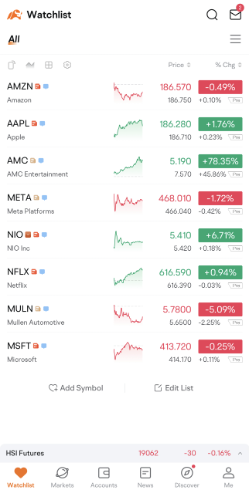
Step 1: Navigate to your Watchlist, then select a stock's "Detailed Quotes" page.
Disclaimer: Images provided are not current and any securities are shown for illustrative purposes only and is not a recommendation.
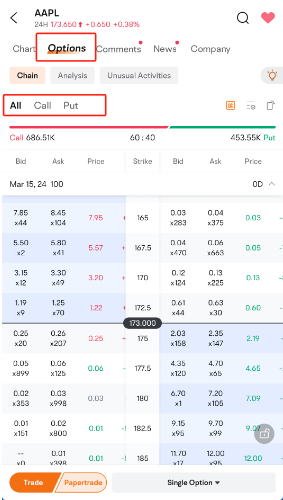
Step 2: Navigate to Options> Chain located at the top of the page.
Step 3: By default, all options with a specific expiration date are shown. For selective viewing of calls or puts, simply tap "Call/Put."
Disclaimer: Images provided are not current and any securities are shown for illustrative purposes only and is not a recommendation.
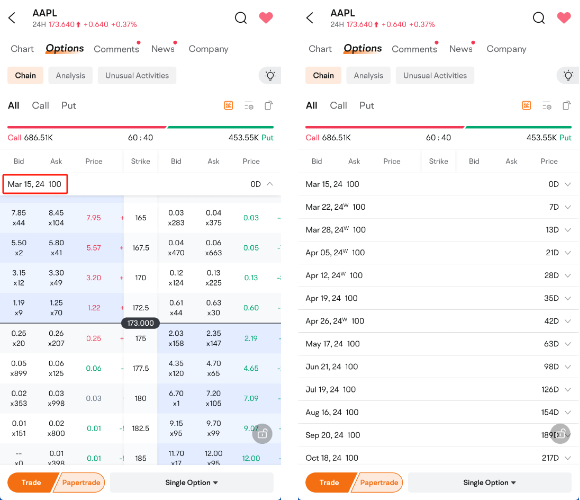
Step 4: Adjust the expiration date by choosing your preferred date from the menu.
Disclaimer: Images provided are not current and any securities are shown for illustrative purposes only and is not a recommendation.
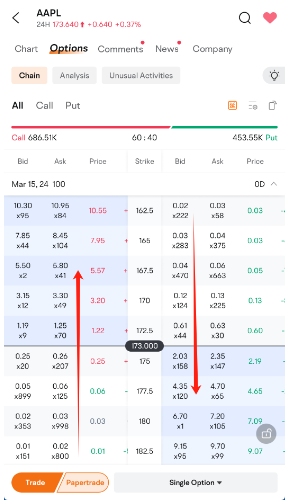
Step 5: Easily distinguish between options: white denotes out-of-the-money, and blue indicates in-the-money. Swipe horizontally to access additional option details.
Disclaimer: Images provided are not current and any securities are shown for illustrative purposes only and is not a recommendation.
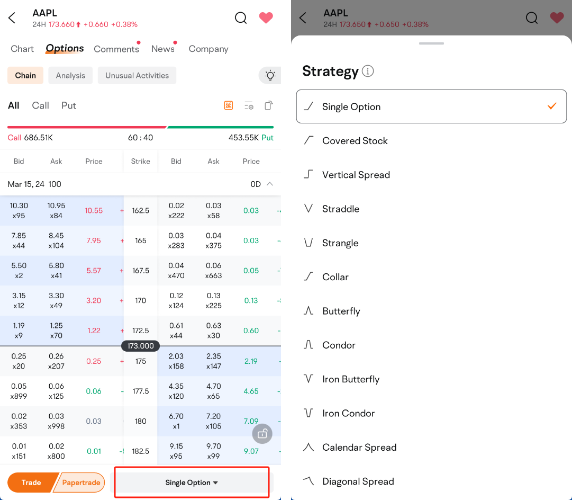
Step 6: Explore various trading strategies at the screen's bottom, offering flexibility for your investment approach.
Disclaimer: Images provided are not current and any securities are shown for illustrative purposes only and is not a recommendation.
Trading earnings involves buying and selling stocks or options based on a company's quarterly financial results. Traders speculate on how earnings reports could impact stock prices, aiming to profit from anticipated price movements. Positive earnings surprises can lead to stock price increases, while negative results may cause declines. Traders analyze earnings reports, market expectations, and historical trends to make informed decisions. Earnings trading can be volatile and requires careful risk management and market analysis.
You could consider trading options with expiration dates covering the earnings announcement, typically weekly or monthly options. Strategies like long straddles or strangles can potentially profit from significant price swings, regardless of direction. Additionally, some traders may choose to focus on options with high liquidity and open interest to be in better position for easy entry and exit. You may want to evaluate implied volatility levels; options with high implied volatility may be expensive but could offer greater profit potential if the stock moves substantially.
The best option strategy for earnings season depends on your personal situation and goals. When trading earnings, consider using a straddle or strangle strategy:
Long straddle: Involves buying both a call and a put option with the same strike price, usually at the money. This strategy benefits from large price movements regardless of direction.
Long strangle: Involves buying a call and a put option with different strike prices, typically equidistant above and below the current stock price. This also benefits from significant price movements in either direction.
For those expecting smaller price movements, the sell side of these strategies might be an option:
Short straddle: Involves selling both a call and a put option at the same strike price, usually at the money. This may profit if the stock price remains relatively stable.
Short strangle: Involves selling a call and a put option with different strike prices, typically equidistant above and below the current stock price. This also benefits if the stock price remains stable.
Keep in mind, both the short straddle and strangle strategies have unlimited risk to the upside and significant risk exposure to the downside.
Additionally, selling covered calls can potentially capitalize on volatility while offering some downside risk management.
Always evaluate each strategy's risk and reward profile based on market conditions and your risk tolerance before trading.
This presentation is for informational and educational use only and is not a recommendation or endorsement of any particular investment or investment strategy. Investment information provided in this content is general in nature, strictly for illustrative purposes, and may not be appropriate for all investors. Read more
Recommend
Moomoo Offers Extended Trading Hours for Options Trading on Oct 19
At-the-Money (ATM) - How It Works in Options Trading
Out-of-the-Money in Options Trading - How It Works & Examples

Covered Call: A Comprehensive Guide to Options Trading
Strangle Options Strategy - A Helpful Guide for Traders
Straddle vs. Strangle: Understanding the Key Differences
Triple Witching: Understanding Its Impact on the Stock Market
Underlying Asset: Definition, Types and Examples
What Are Option Premiums
Covered Calls and Covered Puts - Strategies for Options Trading
Expiration Date in Options Trading
Options Break-Even Point: Definition, Formula, and Examples
Credit Spread: Definition, Examples & How to Calculate
Bull Put Spread: Definitions, How It Works & Examples
How to Manage Your Risk in Options Trading
How to Pick the 'Right' Strike Price
Options Wheel Strategy Explained: Definition and How to Trade
Long Collar Options Strategy: Definition, How It Works & Examples
Long Call Options Strategy: Definition, Potential Benefits, and Risks
Exercise of Options: When and How to Exercise Options
Time Value: Definition, Calculation, Importance in Options Trading
Short Call Options Strategy: Guide & Examples
What Are Bitcoin ETF Options: Investment Insights & Strategies
Hedge with Options: Protect Your Portfolio in 2026
Options Chains: Definition, How to Read and Analyze Them
Options Profit Calculation: Overview, Formula & Examples
What is Theta in Options Trading: Overview and Strategies
Debit Spread: Definition, Types & Examples
Butterfly Spread: Definition and Application in Options Trading
What Is an Options Screener and How to Use?
Unusual Options Activity: Insights and Strategies for Traders
Protective Put Strategy: Definition, How It Works & Examples
What Are Stock Options: Types, How They Work and Examples
Weekly vs. Monthly Options: Choosing the Right Expiration Date
How to Practice Options Trading with Demo Trading Account
Sell to Open vs Sell to Close: Understanding the Difference
Long Put: Definition, Examples and How to Trade
Iron Condor: Understanding This Options Trading Strategy
Diagonal Spread: Definition, Types & How to Use
Implied Volatility (IV) Rank & Percentile in Options Trading
Trading Earnings with Options
Iron Butterfly: Mastering the Options Trading Strategy
Interest Rate Options: Definition & How They Work
Options Buy to Open vs Buy to Close: What's the difference?
Vertical Spread: Definition, Types, & Examples
Bear Put Spread: An Options Trading Strategy Explained
What is a Dividend Reinvestment Plan (DRIP)?
Put/Call Ratio (PCR): Definition & How to Use
How Are Options Priced? | Calculation and Examples
Naked Calls Options Strategy: Definition & How It Works
Options Vs. Futures: Understanding Their Key Differences
Extrinsic Value: Definition, Calculation, and Trading Strategies
Intrinsic Value: How It Works And How To Calculate It
Bull Call Spread - Examples and Applications in Options Trading
Index Options: Definitions, Strategies and Risks
Short Put Options: Strategies and Risks Explained
Quadruple Witching: How It Can Affect the Stock Market
What Are Options? Everything You Need to Know before Trading
Four Option Trading Strategies for Beginners
10 Options Strategies to Enhance Your Trading Portfolio
American Options vs. European Options
In-The-Money (ITM): Call and Put Options Examples
What is a Calendar Spread?
Open Interest: What it means for traders and investors
Options vs Stocks: Choosing the Right Investment Strategy
Options Strike Prices Explained: A Complete Guide for Beginners
Call vs Put Options: Your Essential Guide to the Basics
Zero Days to Expiration (0DTE) Options: Trade Mag 7 Stock Options Today
What Is An Options Contract? How Does It Work?
What is Synthetic Put? (How Does It Work)
How and When to Roll Covered Calls
Option Volume vs Open Interest: Understanding the Difference
4 Options Trading Levels
How to Trade Options for Beginners?
What Is Implied Volatility (IV)?
What Are Cash Secured Puts: How To Sell Them
What Is a Straddle Options Strategy?
What Is Ratio Spread in Options
What is a Call Option: Strategies and Tips
Taxes on Stocks: How Selling Stocks Affects Your Taxes
Option Greeks Explained - Option Greek Cheat Sheet
Put Options: Hedging Your Portfolio
Put Options: How to Use Them in Your Trading Strategy
Poor Man's Covered Call (PMCC): A Beginner's Guide
Four Option Trading Mistakes to Avoid
Trading Synthetic Options: Risks and Rewards
Call Spread vs. Put Spread: What are the differences?
What is stock options trading
What Is Margin Call and How Can You Avoid the Risks?
Options Trading Strategies: Iron Condor vs. Iron Butterfly
Moomoo Offers Extended Trading Hours for Options Trading on Oct 19
At-the-Money (ATM) - How It Works in Options Trading
Out-of-the-Money in Options Trading - How It Works & Examples
Covered Call: A Comprehensive Guide to Options Trading
Strangle Options Strategy - A Helpful Guide for Traders
Straddle vs. Strangle: Understanding the Key Differences
Triple Witching: Understanding Its Impact on the Stock Market
Underlying Asset: Definition, Types and Examples
What Are Option Premiums
Covered Calls and Covered Puts - Strategies for Options Trading
Expiration Date in Options Trading
Options Break-Even Point: Definition, Formula, and Examples
Credit Spread: Definition, Examples & How to Calculate
Bull Put Spread: Definitions, How It Works & Examples
How to Manage Your Risk in Options Trading
How to Pick the 'Right' Strike Price
Options Wheel Strategy Explained: Definition and How to Trade
Long Collar Options Strategy: Definition, How It Works & Examples
Long Call Options Strategy: Definition, Potential Benefits, and Risks
Exercise of Options: When and How to Exercise Options
Time Value: Definition, Calculation, Importance in Options Trading
Short Call Options Strategy: Guide & Examples
What Are Bitcoin ETF Options: Investment Insights & Strategies
Hedge with Options: Protect Your Portfolio in 2026
Options Chains: Definition, How to Read and Analyze Them
Options Profit Calculation: Overview, Formula & Examples
What is Theta in Options Trading: Overview and Strategies
Debit Spread: Definition, Types & Examples
Butterfly Spread: Definition and Application in Options Trading
What Is an Options Screener and How to Use?
Unusual Options Activity: Insights and Strategies for Traders
Protective Put Strategy: Definition, How It Works & Examples
What Are Stock Options: Types, How They Work and Examples
Weekly vs. Monthly Options: Choosing the Right Expiration Date
How to Practice Options Trading with Demo Trading Account
Sell to Open vs Sell to Close: Understanding the Difference
Long Put: Definition, Examples and How to Trade
Iron Condor: Understanding This Options Trading Strategy
Diagonal Spread: Definition, Types & How to Use
Implied Volatility (IV) Rank & Percentile in Options Trading
Trading Earnings with Options
Iron Butterfly: Mastering the Options Trading Strategy
Interest Rate Options: Definition & How They Work
Options Buy to Open vs Buy to Close: What's the difference?
Vertical Spread: Definition, Types, & Examples
Bear Put Spread: An Options Trading Strategy Explained
What is a Dividend Reinvestment Plan (DRIP)?
Put/Call Ratio (PCR): Definition & How to Use
How Are Options Priced? | Calculation and Examples
Naked Calls Options Strategy: Definition & How It Works
Options Vs. Futures: Understanding Their Key Differences
Extrinsic Value: Definition, Calculation, and Trading Strategies
Intrinsic Value: How It Works And How To Calculate It
Bull Call Spread - Examples and Applications in Options Trading
Index Options: Definitions, Strategies and Risks
Short Put Options: Strategies and Risks Explained
Quadruple Witching: How It Can Affect the Stock Market
What Are Options? Everything You Need to Know before Trading
Four Option Trading Strategies for Beginners
10 Options Strategies to Enhance Your Trading Portfolio
American Options vs. European Options
In-The-Money (ITM): Call and Put Options Examples
What is a Calendar Spread?
Open Interest: What it means for traders and investors
Options vs Stocks: Choosing the Right Investment Strategy
Options Strike Prices Explained: A Complete Guide for Beginners
Call vs Put Options: Your Essential Guide to the Basics
Zero Days to Expiration (0DTE) Options: Trade Mag 7 Stock Options Today
What Is An Options Contract? How Does It Work?
What is Synthetic Put? (How Does It Work)
How and When to Roll Covered Calls
Option Volume vs Open Interest: Understanding the Difference
4 Options Trading Levels
How to Trade Options for Beginners?
What Is Implied Volatility (IV)?
What Are Cash Secured Puts: How To Sell Them
What Is a Straddle Options Strategy?
What Is Ratio Spread in Options
What is a Call Option: Strategies and Tips
Taxes on Stocks: How Selling Stocks Affects Your Taxes
Option Greeks Explained - Option Greek Cheat Sheet
Put Options: Hedging Your Portfolio
Put Options: How to Use Them in Your Trading Strategy
Poor Man's Covered Call (PMCC): A Beginner's Guide
Four Option Trading Mistakes to Avoid
Trading Synthetic Options: Risks and Rewards
Call Spread vs. Put Spread: What are the differences?
What is stock options trading
What Is Margin Call and How Can You Avoid the Risks?
Options Trading Strategies: Iron Condor vs. Iron Butterfly

