

Moomoo Insights
Jul 16 15:38
TSMC Earnings: AI Demand Is Stronger Than the Chip Selloff Suggests
Moomoo Insights
Sep 30 05:04
Live Take | Anthropic’s $518B Compute Bet: Who Wins From the AI Buildout?
If you're interesting in trading options and have begun educating yourself on how options trading works, chances are you've come across the term 'at-the-money options' or 'ATM options'.
As one of the key concepts in the world of derivatives, ATM options play a significant role in understanding how options contracts work and how investors can use them to hedge risk or speculate on market movements.
Regardless of your level of options trading experience, familiarity with ATM options is essential for anyone navigating the complexities of the stock market.
ATM stands for 'at-the-money.' It refers to an options trading term describing a situation where the strike price of an option is equal to the current market price of the underlying asset (i.e. the value at which it is currently trading in the market).
Options are classified as 'in-the-money' (ITM) if the strike price is favorable for the holder upon expiration, and 'out-of-the-money' (OTM) if it's not.
Moneyness represents the relationship between the strike price and the current market price of the underlying asset. Understanding moneyness is crucial for options traders to assess risk and potential profitability.
For buyers, ATM options offer the potential for substantial gains if the underlying asset moves favorably, while sellers face the risk of significant losses if the market moves against them. Therefore, ATM options are widely used for hedging and speculative trading strategies due to their sensitivity to market fluctuations, with traders closely monitoring them for potential shifts in market sentiment and volatility.

Options pricing for at-the-money (ATM) options is influenced by various factors such as the current market price of the underlying asset, time until expiration, volatility, and interest rates.
The intrinsic value of ATM options are typically low because the strike price equals the current market price, making them more sensitive to changes in these factors compared to in-the-money or out-of-the-money options.
Traders utilize sophisticated models to estimate the fair value of ATM options, aiding in informed decisions regarding trading strategies and risk management.
At-the-money (ATM) call options have a strike price equal to the current market price of the underlying asset. Buyers of ATM call options anticipate the underlying asset's price to rise, aiming for profits if it surpasses the strike price. Sellers, however, hope for the opposite, hoping that the asset's price won't rise above the strike, thus profiting from the premium.
ATM call options offer a balance between risk and potential reward, being less expensive than in-the-money options but more costly than out-of-the-money ones. Traders assess market conditions, volatility, and time decay when considering ATM call options for their strategies.
At-the-money (ATM) put options also have a strike price matching the current market price of the underlying asset. However, buyers of ATM put options speculate on the asset's decline, potentially profiting if it falls below the strike price. Conversely, sellers aim for the opposite scenario, speculating that the asset's price won't drop below the strike, and earning premiums.
ATM put options offer a balanced risk-reward profile, being less costly than in-the-money options but more expensive than out-of-the-money ones. Traders analyze market conditions, volatility, and time decay when considering ATM put options for their trading strategies.
At-the-money (ATM) and in-the-money (ITM) options represent different positions concerning the relationship between the option's strike price and the current market price of the underlying asset.
ATM options have a strike price equal to the asset's current market price, making them sensitive to even minor price movements. They offer a balance between risk and potential reward, being less expensive than ITM options but more costly than out-of-the-money ones. Traders often use ATM options for speculative strategies, hedging, or income generation.
On the other hand, ITM options have a strike price favorable to the holder if exercised immediately. They carry intrinsic value, as their strike price is already "in the money". This intrinsic value reflects the profit the option holder would gain if they were to exercise the option at the current market price. ITM options are more expensive than ATM and out-of-the-money options due to their intrinsic value. Traders utilize ITM options for their directional views, leveraging their higher sensitivity to price movements.
Understanding the differences between ATM and ITM options is crucial for traders to devise effective strategies. Each type offers distinct advantages and risks, allowing traders to tailor their approaches based on market conditions, volatility, and their risk tolerance.
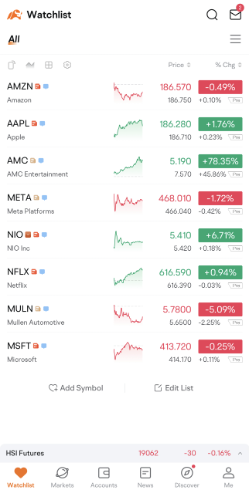
After opening, registering, and depositing funds into your Moomoo trading account, you can then apply for options trading privileges. Once you have been approved for trading privileges, you are able to start. For a step-by-step guide to trading option on Moomoo, see here:
Step 1: Navigate to your Watchlist, then select a stock's "Detailed Quotes" page.
Disclaimer: Images provided are not current and any securities are shown for illustrative purposes only and is not a recommendation.
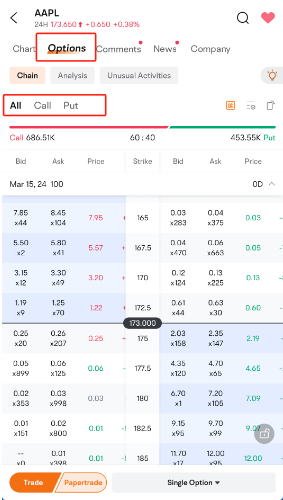
Step 2: Navigate to Options> Chain located at the top of the page.
Step 3: By default, all options with a specific expiration date are shown. For selective viewing of calls or puts, simply tap "Call/Put."
Disclaimer: Images provided are not current and any securities are shown for illustrative purposes only and is not a recommendation.
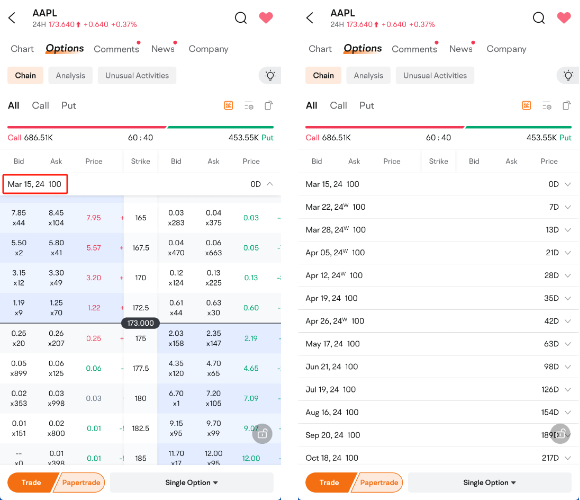
Step 4: Adjust the expiration date by choosing your preferred date from the menu.
Disclaimer: Images provided are not current and any securities are shown for illustrative purposes only and is not a recommendation.
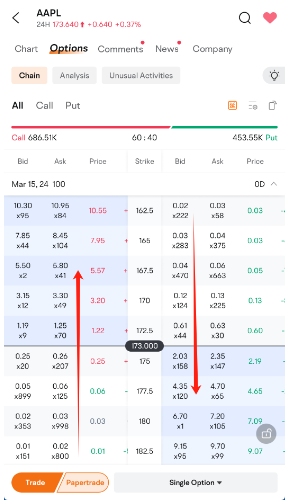
Step 5: Easily distinguish between options: white denotes out-of-the-money, and blue indicates in-the-money. Swipe horizontally to access additional option details.
Disclaimer: Images provided are not current and any securities are shown for illustrative purposes only and is not a recommendation.
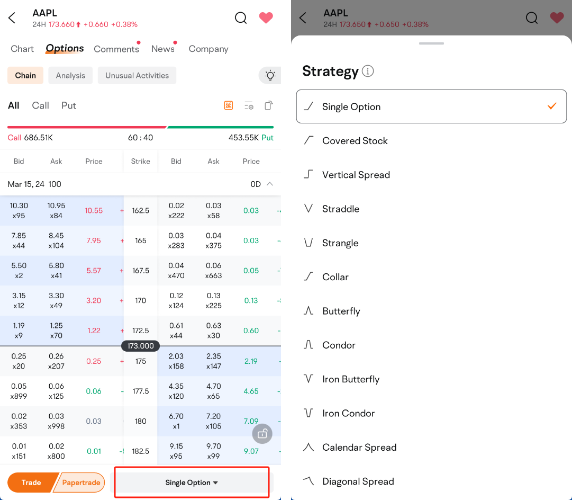
Step 6: Explore various trading strategies at the screen's bottom, offering flexibility for your investment approach.
Disclaimer: Images provided are not current and any securities are shown for illustrative purposes only and is not a recommendation.
The choice between buying at-the-money (ATM) or out-of-the-money (OTM) options depends on individual trading strategies and market conditions. ATM options offer a balance between cost and potential profitability, while OTM options are cheaper but require larger price movements to potentially become profitable. Traders seeking options that are more sensitive to price movements of the underlying stock may prefer ATM options, while those seeking higher potential returns may opt for OTM options, understanding the associated risks.
Yes, traders can potentially profit from at-the-money (ATM) options through various strategies. ATM options offer a balance between cost and potential profitability. Traders can benefit from price movements in the underlying asset by buying ATM options and hoping to sell them at a higher price. Additionally, they can employ spread strategies like straddles or strangles aiming to capitalize on volatility. However, profitability depends on market conditions, timing, and effective risk management.
It is important to note that ATM long options will still lose money at expiration if the underlying stock price is not past the option's breakeven point, due to the cost of the options (premium). Therefore, traders need to account for this when planning their strategies.
When options expire at-the-money (ATM), their holders neither gain nor lose intrinsic value. For call options, if the underlying asset's price remains equal to the strike price, they expire worthless. Similarly, put options expire worthless if the asset's price is identical to the strike. However, option holders may incur losses due to the premium paid. Sellers of these options keep the premiums received if the options expire worthless.
"Near the money" refers to the situation where the market price of the underlying asset is very close to the strike price of an option.
In this scenario, the option is neither "in-the-money" (where the option has intrinsic value) nor "out-of-the-money" (where the option has no intrinsic value). Instead, it's on the threshold of having intrinsic value if the price of the underlying asset moves slightly in a favorable direction.
For example:
If an investor purchases a call option with a strike price of $20, and the underlying stock price is currently trading at $20.50, the call option is said to be near the money.
In the above example, the option would be considered near the money if the underlying stock price was between $19.50 (50 cents less than the $20 strike price) and $20.50 (50 cents more than the $20 strike price).
Traders often closely watch near-the-money options because they can quickly transition into profitable positions if the market price of the underlying asset experiences a modest change. Conversely, near-the-money options can also move to "out-of-the-money" just as quickly if the market price moves unfavorably.
This presentation is for informational and educational use only and is not a recommendation or endorsement of any particular investment or investment strategy. Investment information provided in this content is general in nature, strictly for illustrative purposes, and may not be appropriate for all investors. Read more
Recommend
Moomoo Offers Extended Trading Hours for Options Trading on Oct 19
At-the-Money (ATM) - How It Works in Options Trading
Out-of-the-Money in Options Trading - How It Works & Examples

Covered Call: A Comprehensive Guide to Options Trading
Strangle Options Strategy - A Helpful Guide for Traders
Straddle vs. Strangle: Understanding the Key Differences
Triple Witching: Understanding Its Impact on the Stock Market
Underlying Asset: Definition, Types and Examples
What Are Option Premiums
Covered Calls and Covered Puts - Strategies for Options Trading
Expiration Date in Options Trading
Options Break-Even Point: Definition, Formula, and Examples
Credit Spread: Definition, Examples & How to Calculate
Bull Put Spread: Definitions, How It Works & Examples
How to Manage Your Risk in Options Trading
How to Pick the 'Right' Strike Price
Options Wheel Strategy Explained: Definition and How to Trade
Long Collar Options Strategy: Definition, How It Works & Examples
Long Call Options Strategy: Definition, Potential Benefits, and Risks
Exercise of Options: When and How to Exercise Options
Time Value: Definition, Calculation, Importance in Options Trading
Short Call Options Strategy: Guide & Examples
What Are Bitcoin ETF Options: Investment Insights & Strategies
Hedge with Options: Protect Your Portfolio in 2026
Options Chains: Definition, How to Read and Analyze Them
Options Profit Calculation: Overview, Formula & Examples
What is Theta in Options Trading: Overview and Strategies
Debit Spread: Definition, Types & Examples
Butterfly Spread: Definition and Application in Options Trading
What Is an Options Screener and How to Use?
Unusual Options Activity: Insights and Strategies for Traders
Protective Put Strategy: Definition, How It Works & Examples
What Are Stock Options: Types, How They Work and Examples
Weekly vs. Monthly Options: Choosing the Right Expiration Date
How to Practice Options Trading with Demo Trading Account
Sell to Open vs Sell to Close: Understanding the Difference
Long Put: Definition, Examples and How to Trade
Iron Condor: Understanding This Options Trading Strategy
Diagonal Spread: Definition, Types & How to Use
Implied Volatility (IV) Rank & Percentile in Options Trading
Trading Earnings with Options
Iron Butterfly: Mastering the Options Trading Strategy
Interest Rate Options: Definition & How They Work
Options Buy to Open vs Buy to Close: What's the difference?
Vertical Spread: Definition, Types, & Examples
Bear Put Spread: An Options Trading Strategy Explained
What is a Dividend Reinvestment Plan (DRIP)?
Put/Call Ratio (PCR): Definition & How to Use
How Are Options Priced? | Calculation and Examples
Naked Calls Options Strategy: Definition & How It Works
Options Vs. Futures: Understanding Their Key Differences
Extrinsic Value: Definition, Calculation, and Trading Strategies
Intrinsic Value: How It Works And How To Calculate It
Bull Call Spread - Examples and Applications in Options Trading
Index Options: Definitions, Strategies and Risks
Short Put Options: Strategies and Risks Explained
Quadruple Witching: How It Can Affect the Stock Market
What Are Options? Everything You Need to Know before Trading
Four Option Trading Strategies for Beginners
10 Options Strategies to Enhance Your Trading Portfolio
American Options vs. European Options
In-The-Money (ITM): Call and Put Options Examples
What is a Calendar Spread?
Open Interest: What it means for traders and investors
Options vs Stocks: Choosing the Right Investment Strategy
Options Strike Prices Explained: A Complete Guide for Beginners
Call vs Put Options: Your Essential Guide to the Basics
Zero Days to Expiration (0DTE) Options: Trade Mag 7 Stock Options Today
What Is An Options Contract? How Does It Work?
What is Synthetic Put? (How Does It Work)
How and When to Roll Covered Calls
Option Volume vs Open Interest: Understanding the Difference
4 Options Trading Levels
How to Trade Options for Beginners?
What Is Implied Volatility (IV)?
What Are Cash Secured Puts: How To Sell Them
What Is a Straddle Options Strategy?
What Is Ratio Spread in Options
What is a Call Option: Strategies and Tips
Taxes on Stocks: How Selling Stocks Affects Your Taxes
Option Greeks Explained - Option Greek Cheat Sheet
Put Options: Hedging Your Portfolio
Put Options: How to Use Them in Your Trading Strategy
Poor Man's Covered Call (PMCC): A Beginner's Guide
Four Option Trading Mistakes to Avoid
Trading Synthetic Options: Risks and Rewards
Call Spread vs. Put Spread: What are the differences?
What is stock options trading
What Is Margin Call and How Can You Avoid the Risks?
Options Trading Strategies: Iron Condor vs. Iron Butterfly
Moomoo Offers Extended Trading Hours for Options Trading on Oct 19
At-the-Money (ATM) - How It Works in Options Trading
Out-of-the-Money in Options Trading - How It Works & Examples
Covered Call: A Comprehensive Guide to Options Trading
Strangle Options Strategy - A Helpful Guide for Traders
Straddle vs. Strangle: Understanding the Key Differences
Triple Witching: Understanding Its Impact on the Stock Market
Underlying Asset: Definition, Types and Examples
What Are Option Premiums
Covered Calls and Covered Puts - Strategies for Options Trading
Expiration Date in Options Trading
Options Break-Even Point: Definition, Formula, and Examples
Credit Spread: Definition, Examples & How to Calculate
Bull Put Spread: Definitions, How It Works & Examples
How to Manage Your Risk in Options Trading
How to Pick the 'Right' Strike Price
Options Wheel Strategy Explained: Definition and How to Trade
Long Collar Options Strategy: Definition, How It Works & Examples
Long Call Options Strategy: Definition, Potential Benefits, and Risks
Exercise of Options: When and How to Exercise Options
Time Value: Definition, Calculation, Importance in Options Trading
Short Call Options Strategy: Guide & Examples
What Are Bitcoin ETF Options: Investment Insights & Strategies
Hedge with Options: Protect Your Portfolio in 2026
Options Chains: Definition, How to Read and Analyze Them
Options Profit Calculation: Overview, Formula & Examples
What is Theta in Options Trading: Overview and Strategies
Debit Spread: Definition, Types & Examples
Butterfly Spread: Definition and Application in Options Trading
What Is an Options Screener and How to Use?
Unusual Options Activity: Insights and Strategies for Traders
Protective Put Strategy: Definition, How It Works & Examples
What Are Stock Options: Types, How They Work and Examples
Weekly vs. Monthly Options: Choosing the Right Expiration Date
How to Practice Options Trading with Demo Trading Account
Sell to Open vs Sell to Close: Understanding the Difference
Long Put: Definition, Examples and How to Trade
Iron Condor: Understanding This Options Trading Strategy
Diagonal Spread: Definition, Types & How to Use
Implied Volatility (IV) Rank & Percentile in Options Trading
Trading Earnings with Options
Iron Butterfly: Mastering the Options Trading Strategy
Interest Rate Options: Definition & How They Work
Options Buy to Open vs Buy to Close: What's the difference?
Vertical Spread: Definition, Types, & Examples
Bear Put Spread: An Options Trading Strategy Explained
What is a Dividend Reinvestment Plan (DRIP)?
Put/Call Ratio (PCR): Definition & How to Use
How Are Options Priced? | Calculation and Examples
Naked Calls Options Strategy: Definition & How It Works
Options Vs. Futures: Understanding Their Key Differences
Extrinsic Value: Definition, Calculation, and Trading Strategies
Intrinsic Value: How It Works And How To Calculate It
Bull Call Spread - Examples and Applications in Options Trading
Index Options: Definitions, Strategies and Risks
Short Put Options: Strategies and Risks Explained
Quadruple Witching: How It Can Affect the Stock Market
What Are Options? Everything You Need to Know before Trading
Four Option Trading Strategies for Beginners
10 Options Strategies to Enhance Your Trading Portfolio
American Options vs. European Options
In-The-Money (ITM): Call and Put Options Examples
What is a Calendar Spread?
Open Interest: What it means for traders and investors
Options vs Stocks: Choosing the Right Investment Strategy
Options Strike Prices Explained: A Complete Guide for Beginners
Call vs Put Options: Your Essential Guide to the Basics
Zero Days to Expiration (0DTE) Options: Trade Mag 7 Stock Options Today
What Is An Options Contract? How Does It Work?
What is Synthetic Put? (How Does It Work)
How and When to Roll Covered Calls
Option Volume vs Open Interest: Understanding the Difference
4 Options Trading Levels
How to Trade Options for Beginners?
What Is Implied Volatility (IV)?
What Are Cash Secured Puts: How To Sell Them
What Is a Straddle Options Strategy?
What Is Ratio Spread in Options
What is a Call Option: Strategies and Tips
Taxes on Stocks: How Selling Stocks Affects Your Taxes
Option Greeks Explained - Option Greek Cheat Sheet
Put Options: Hedging Your Portfolio
Put Options: How to Use Them in Your Trading Strategy
Poor Man's Covered Call (PMCC): A Beginner's Guide
Four Option Trading Mistakes to Avoid
Trading Synthetic Options: Risks and Rewards
Call Spread vs. Put Spread: What are the differences?
What is stock options trading
What Is Margin Call and How Can You Avoid the Risks?
Options Trading Strategies: Iron Condor vs. Iron Butterfly

