


Moomoo Insights
Jul 16 15:38
TSMC Earnings: AI Demand Is Stronger Than the Chip Selloff Suggests
Moomoo Insights
Sep 30 05:04
Live Take | Anthropic’s $518B Compute Bet: Who Wins From the AI Buildout?
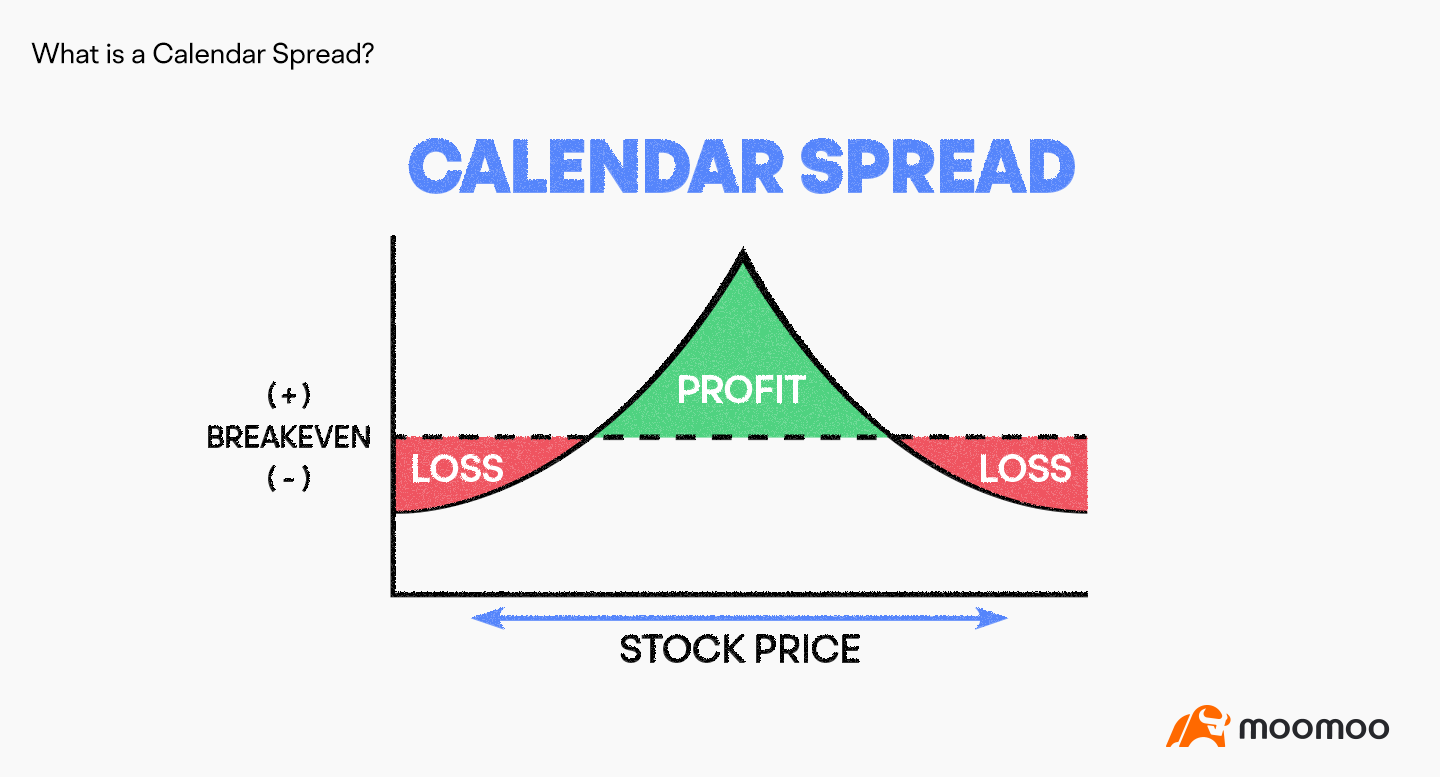
Trading options can potentially increase your returns, but not every trader likes the all-or-nothing approach with single-leg options. If you buy a call or put, the stock price must increase for a call or decrease for a put to potentially generate a profit. Using spreads gives you more ways to potentially profit without taking an all-or-nothing approach. Spreads potentially profit even if the market moves sideways, depending on how you set them up. Calendar spreads are a popular type of spread in options trading. Traders have four ways to execute calendar spreads that they hope can become profitable.
A calendar spread is an options trading strategy that involves buying two options of the same type — call or put. These options are for the same underlying stock and have the same strike price. The only difference is the expiration date.
You can set up a calendar spread to receive or pay a premium, depending on how you set the expiration dates. The option with the further out expiration date has a higher premium. If the trader sells the further out option and buys an option with a closer expiration date, the trader will receive a premium. Opting to sell short-term options and buying a long-term option will result in the trader paying a premium.
A trader buying a calendar call spread may buy a call that expires in four weeks and has a $100 strike price for a $2 premium. To complete the spread, the trader may sell a call with a $100 strike price that expires in 12 weeks for a $7 premium.
In this example, the trader executes the trade with a $5 premium. If the stock’s price hovers below $100 per share, the purchased call will expire worthless, and you will have to buy a new call to maintain the spread. The premium for this new call depends on the current stock price.
If the stock traded at $95 per share when you opened the spread, and shares now trade at $80 per share, the next four-week call won’t have a $2 premium. You may be able to get that call for a 50-cent premium instead. You get the same protection as before, but you get to keep more of the premium you made from selling the call that, at the time of selling it, had an expiration date 12 weeks into the future.
If the stock becomes in the money, the short-term option will exercise first at the expiration. You can decide to hold onto 100 shares if the long call is exercised, or, if you choose not to exercise, you can attempt to roll over the in-the-money call to extend the expiration date.
Calendar spreads allow traders to potentially profit from stock price movements and differences in expiration dates. These are the four types of calendar spreads that option traders can set up.
A long call calendar spread involves buying one call with a further out expiration date and selling one call with a closer expiration date. The trader must pay a premium for this spread. The ideal scenario is the stock staying flat until the sold call expires worthless and then exceeding the long call’s strike price before expiration.
Here’s an example of a long call calendar spread setup. Assume the underlying stock currently trades at $190 per share:
Buy one call with a $200 strike price that expires in 20 weeks for a $15 premium.
Sell one call with a $200 strike price that expires in 10 weeks to receive a $5 premium
The net premium of $10 represents the theoretical maximum loss from this trade. The trader would be happy to see the stock priced at $195 per share after 10 weeks and then watch them jump to $220 per share within the next 10 weeks. Some traders continue selling calls after the first one expires to collect additional premiums, but selling a call limits your potential gains.
A long put calendar spread involves buying one put with a further out expiration date and selling one put with a closer expiration date. Both puts are of the same underlying stock and have the same strike price. Traders using long put calendar spreads have similar hopes as traders with long call calendar spreads. This example will highlight the ideal scenario and assumes a stock trades at $50 per share:
Buy one put with a $40 strike price that expires in 10 weeks for a $1 premium
Sell one put with a $40 strike price that expires in five weeks to receive a 50-cent premium
The net cost is 50 cents. If the stock’s price falls to $42 per share after five weeks, the sold call will expire worthless. At that moment, the trader has a few choices. The trader can sell another put with a $40 strike price and receive a higher premium, exit the long put for a profit or wait a little longer to see whether the stock’s price will continue to fall.
A short calendar spread with calls involves selling a call with a further out expiration date and buying a call with a closer expiration date. This strategy results in a net premium that acts as your maximum profit from the trade. The long call with a shorter expiration date protects you from unlimited losses from the short call with a further out expiration date. Other than the expiration dates, everything else is the same. Both calls have the same strike price and revolve around the same underlying stock.
This example will highlight how short calendar spreads with calls can play out. Assume a trader enters a short calendar spread for a stock valued at $80 per share with the following calls:
Buy one call with an $85 strike price that expires in 10 weeks for a $2 premium.
Sell one call with an $85 strike price that expires in 25 weeks for a $3.50 premium.
The net gain on this position is a $1.50 premium, and it represents your maximum gain. The trade works well if the stock’s price declines. The next call you buy to maintain the calendar spread will likely have a lower premium. However, if the stock price exceeds $85 per share, it makes the trade unprofitable and potentially opens the door to unlimited losses.
The risk with a short calendar spread with calls is that a short call can yield unlimited losses that mount in a hurry. Few options mistakes are more impactful than leaving a short call unattended. The call with a closer expiration date will expire or get exercised sooner, leaving you with one short call. You can mitigate this risk by purchasing another call to renew the calendar spread or buying back the call to close the short position.
A short calendar spread with puts involves buying one put with a closer expiration date and selling one put with a further out expiration date. Both puts feature the same underlying stock and have the same strike price. This strategy results in a net premium that you receive for opening the spread.
This example demonstrates a short calendar spread with puts in action for a stock valued at $100 per share
Buy one put with a $95 strike price that expires in four weeks for a $2 premium.
Sell one put with a $95 strike price that expires in 20 weeks for an $8 premium.
The trader realizes a $6 premium for initiating the position. If the stock’s price does not fall below $95 per share within the next four weeks, the long put will expire worthless. The trader can then decide whether to reinitiate the spread by purchasing another put, letting the short put ride or buying back the put to close the short position.
While a short call has the potential for unlimited losses, the most you can lose on a short put is the strike price minus the premium multiplied by 100. In this example, the trader receives an $6 premium for opening a short put with a $95 strike price. The difference between the strike price and the premium is $87. Multiply that difference by 100, and you arrive at the maximum loss from the short put, which is $8,700 in this example. A trader only realizes this maximum loss from a short put if the underlying company becomes insolvent and sees its stock price diminish to $0 per share.
Calendar spreads present several advantages for people looking to trade options.
More affordable to trade options: The premium you receive from the short call reduces the price of entry. Calendar spreads make options more accessible.
You can profit from a sideways market: Trading stocks does not give you the opportunity to profit from a sideways market. Calendar spreads create that possibility and can serve as a useful introduction to strategies like the iron condor.
Traders can adjust their calendar spreads: You can make changes to your calendar spreads’ expiration dates to determine your maximum gain or loss. You can open calendar spreads that align with your risk tolerance.
Calendar spreads have their strengths, but no trading strategy is perfect. You should consider these factors before opening calendar spreads.
Early expirations can create risky positions: This risk is important to consider for a short calendar spread with calls. If you do not replace the long call when it expires or gets exercised, you will have a short call that can potentially open the door to unlimited losses.
Your potential gains are limited: The gains from a long option will get canceled out by the losses from a short option once the contracts become in the money.
Market volatility can hurt the spread: Options traders with call spreads tend to hope for a sideways market with slight movements, if any. A sharp movement in either direction can result in a net loss and an option getting exercised early.
Calendar spreads may offer you more ways to potentially profit in the stock market, and you can adjust them based on your risk tolerance. This trading strategy can be a useful resource for options traders because of its versatility. Every options trading strategy has risks, and it’s important to review your portfolio goals before entering new positions.
This will depend on an options trader’s sentiment on the underlying asset and view on current and future volatility. Buying a calendar spread may occur if the trader’s short-term sentiment is neutral or slightly bearish while a selling a calendar spread may happen when a trader’s seeking a sharp move in the underlying asset during the near-term option’s life or sharp down move in implied volatility.
Both short and long calendar spreads can be managed as it’s challenging to estimate time decay and volatility’s effect on options prices and the potential for profit and loss. Since these spreads can be affected by too much movement in the underlying stock, keep an eye on volatility in the near-term and consider choosing a percentage of the debit paid when entering the trade, such as 10-25%, to incur a potential profit.
This calendar spread involves buying an option that expires in one month and selling an option that expires in a different month.
This presentation is for informational and educational use only and is not a recommendation or endorsement of any particular investment or investment strategy. Investment information provided in this content is general in nature, strictly for illustrative purposes, and may not be appropriate for all investors. Read more
Recommend
Moomoo Offers Extended Trading Hours for Options Trading on Oct 19
At-the-Money (ATM) - How It Works in Options Trading
Out-of-the-Money in Options Trading - How It Works & Examples

Covered Call: A Comprehensive Guide to Options Trading
Strangle Options Strategy - A Helpful Guide for Traders
Straddle vs. Strangle: Understanding the Key Differences
Triple Witching: Understanding Its Impact on the Stock Market
Underlying Asset: Definition, Types and Examples
What Are Option Premiums
Covered Calls and Covered Puts - Strategies for Options Trading
Expiration Date in Options Trading
Options Break-Even Point: Definition, Formula, and Examples
Credit Spread: Definition, Examples & How to Calculate
Bull Put Spread: Definitions, How It Works & Examples
How to Manage Your Risk in Options Trading
How to Pick the 'Right' Strike Price
Options Wheel Strategy Explained: Definition and How to Trade
Long Collar Options Strategy: Definition, How It Works & Examples
Long Call Options Strategy: Definition, Potential Benefits, and Risks
Exercise of Options: When and How to Exercise Options
Time Value: Definition, Calculation, Importance in Options Trading
Short Call Options Strategy: Guide & Examples
What Are Bitcoin ETF Options: Investment Insights & Strategies
Hedge with Options: Protect Your Portfolio in 2026
Options Chains: Definition, How to Read and Analyze Them
Options Profit Calculation: Overview, Formula & Examples
What is Theta in Options Trading: Overview and Strategies
Debit Spread: Definition, Types & Examples
Butterfly Spread: Definition and Application in Options Trading
What Is an Options Screener and How to Use?
Unusual Options Activity: Insights and Strategies for Traders
Protective Put Strategy: Definition, How It Works & Examples
What Are Stock Options: Types, How They Work and Examples
Weekly vs. Monthly Options: Choosing the Right Expiration Date
How to Practice Options Trading with Demo Trading Account
Sell to Open vs Sell to Close: Understanding the Difference
Long Put: Definition, Examples and How to Trade
Iron Condor: Understanding This Options Trading Strategy
Diagonal Spread: Definition, Types & How to Use
Implied Volatility (IV) Rank & Percentile in Options Trading
Trading Earnings with Options
Iron Butterfly: Mastering the Options Trading Strategy
Interest Rate Options: Definition & How They Work
Options Buy to Open vs Buy to Close: What's the difference?
Vertical Spread: Definition, Types, & Examples
Bear Put Spread: An Options Trading Strategy Explained
What is a Dividend Reinvestment Plan (DRIP)?
Put/Call Ratio (PCR): Definition & How to Use
How Are Options Priced? | Calculation and Examples
Naked Calls Options Strategy: Definition & How It Works
Options Vs. Futures: Understanding Their Key Differences
Extrinsic Value: Definition, Calculation, and Trading Strategies
Intrinsic Value: How It Works And How To Calculate It
Bull Call Spread - Examples and Applications in Options Trading
Index Options: Definitions, Strategies and Risks
Short Put Options: Strategies and Risks Explained
Quadruple Witching: How It Can Affect the Stock Market
What Are Options? Everything You Need to Know before Trading
Four Option Trading Strategies for Beginners
10 Options Strategies to Enhance Your Trading Portfolio
American Options vs. European Options
In-The-Money (ITM): Call and Put Options Examples
What is a Calendar Spread?
Open Interest: What it means for traders and investors
Options vs Stocks: Choosing the Right Investment Strategy
Options Strike Prices Explained: A Complete Guide for Beginners
Call vs Put Options: Your Essential Guide to the Basics
Zero Days to Expiration (0DTE) Options: Trade Mag 7 Stock Options Today
What Is An Options Contract? How Does It Work?
What is Synthetic Put? (How Does It Work)
How and When to Roll Covered Calls
Option Volume vs Open Interest: Understanding the Difference
4 Options Trading Levels
How to Trade Options for Beginners?
What Is Implied Volatility (IV)?
What Are Cash Secured Puts: How To Sell Them
What Is a Straddle Options Strategy?
What Is Ratio Spread in Options
What is a Call Option: Strategies and Tips
Taxes on Stocks: How Selling Stocks Affects Your Taxes
Option Greeks Explained - Option Greek Cheat Sheet
Put Options: Hedging Your Portfolio
Put Options: How to Use Them in Your Trading Strategy
Poor Man's Covered Call (PMCC): A Beginner's Guide
Four Option Trading Mistakes to Avoid
Trading Synthetic Options: Risks and Rewards
Call Spread vs. Put Spread: What are the differences?
What is stock options trading
What Is Margin Call and How Can You Avoid the Risks?
Options Trading Strategies: Iron Condor vs. Iron Butterfly
Moomoo Offers Extended Trading Hours for Options Trading on Oct 19
At-the-Money (ATM) - How It Works in Options Trading
Out-of-the-Money in Options Trading - How It Works & Examples
Covered Call: A Comprehensive Guide to Options Trading
Strangle Options Strategy - A Helpful Guide for Traders
Straddle vs. Strangle: Understanding the Key Differences
Triple Witching: Understanding Its Impact on the Stock Market
Underlying Asset: Definition, Types and Examples
What Are Option Premiums
Covered Calls and Covered Puts - Strategies for Options Trading
Expiration Date in Options Trading
Options Break-Even Point: Definition, Formula, and Examples
Credit Spread: Definition, Examples & How to Calculate
Bull Put Spread: Definitions, How It Works & Examples
How to Manage Your Risk in Options Trading
How to Pick the 'Right' Strike Price
Options Wheel Strategy Explained: Definition and How to Trade
Long Collar Options Strategy: Definition, How It Works & Examples
Long Call Options Strategy: Definition, Potential Benefits, and Risks
Exercise of Options: When and How to Exercise Options
Time Value: Definition, Calculation, Importance in Options Trading
Short Call Options Strategy: Guide & Examples
What Are Bitcoin ETF Options: Investment Insights & Strategies
Hedge with Options: Protect Your Portfolio in 2026
Options Chains: Definition, How to Read and Analyze Them
Options Profit Calculation: Overview, Formula & Examples
What is Theta in Options Trading: Overview and Strategies
Debit Spread: Definition, Types & Examples
Butterfly Spread: Definition and Application in Options Trading
What Is an Options Screener and How to Use?
Unusual Options Activity: Insights and Strategies for Traders
Protective Put Strategy: Definition, How It Works & Examples
What Are Stock Options: Types, How They Work and Examples
Weekly vs. Monthly Options: Choosing the Right Expiration Date
How to Practice Options Trading with Demo Trading Account
Sell to Open vs Sell to Close: Understanding the Difference
Long Put: Definition, Examples and How to Trade
Iron Condor: Understanding This Options Trading Strategy
Diagonal Spread: Definition, Types & How to Use
Implied Volatility (IV) Rank & Percentile in Options Trading
Trading Earnings with Options
Iron Butterfly: Mastering the Options Trading Strategy
Interest Rate Options: Definition & How They Work
Options Buy to Open vs Buy to Close: What's the difference?
Vertical Spread: Definition, Types, & Examples
Bear Put Spread: An Options Trading Strategy Explained
What is a Dividend Reinvestment Plan (DRIP)?
Put/Call Ratio (PCR): Definition & How to Use
How Are Options Priced? | Calculation and Examples
Naked Calls Options Strategy: Definition & How It Works
Options Vs. Futures: Understanding Their Key Differences
Extrinsic Value: Definition, Calculation, and Trading Strategies
Intrinsic Value: How It Works And How To Calculate It
Bull Call Spread - Examples and Applications in Options Trading
Index Options: Definitions, Strategies and Risks
Short Put Options: Strategies and Risks Explained
Quadruple Witching: How It Can Affect the Stock Market
What Are Options? Everything You Need to Know before Trading
Four Option Trading Strategies for Beginners
10 Options Strategies to Enhance Your Trading Portfolio
American Options vs. European Options
In-The-Money (ITM): Call and Put Options Examples
What is a Calendar Spread?
Open Interest: What it means for traders and investors
Options vs Stocks: Choosing the Right Investment Strategy
Options Strike Prices Explained: A Complete Guide for Beginners
Call vs Put Options: Your Essential Guide to the Basics
Zero Days to Expiration (0DTE) Options: Trade Mag 7 Stock Options Today
What Is An Options Contract? How Does It Work?
What is Synthetic Put? (How Does It Work)
How and When to Roll Covered Calls
Option Volume vs Open Interest: Understanding the Difference
4 Options Trading Levels
How to Trade Options for Beginners?
What Is Implied Volatility (IV)?
What Are Cash Secured Puts: How To Sell Them
What Is a Straddle Options Strategy?
What Is Ratio Spread in Options
What is a Call Option: Strategies and Tips
Taxes on Stocks: How Selling Stocks Affects Your Taxes
Option Greeks Explained - Option Greek Cheat Sheet
Put Options: Hedging Your Portfolio
Put Options: How to Use Them in Your Trading Strategy
Poor Man's Covered Call (PMCC): A Beginner's Guide
Four Option Trading Mistakes to Avoid
Trading Synthetic Options: Risks and Rewards
Call Spread vs. Put Spread: What are the differences?
What is stock options trading
What Is Margin Call and How Can You Avoid the Risks?
Options Trading Strategies: Iron Condor vs. Iron Butterfly

