
Moomoo Insights
Jul 16 15:38
TSMC Earnings: AI Demand Is Stronger Than the Chip Selloff Suggests
Moomoo Insights
Sep 30 05:04
Live Take | Anthropic’s $518B Compute Bet: Who Wins From the AI Buildout?
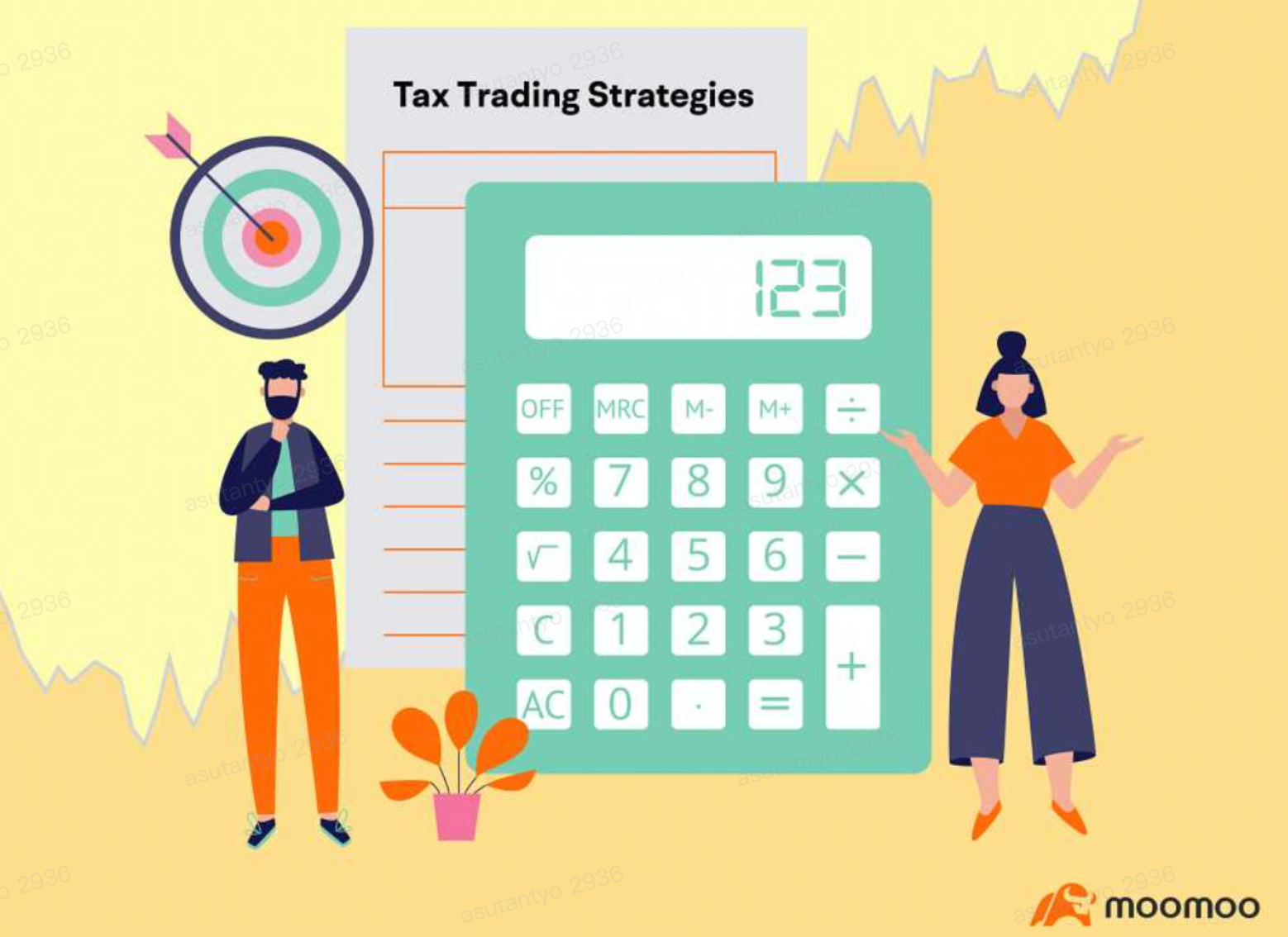
When it comes to investing in a bear market, there are a lot of strategies you can use to try and see continued gains and build your portfolio despite the downturn. But investment strategies like short selling, mean reversion, and other swing trading tactics aren’t the only options you should consider to continue making progress toward your long-term financial goals. There are some tax trading strategies you can also use during a bear market. To better help you plan your approach to taxes and trading during a market downturn, we will explain:
• Tax-Loss Selling or Harvesting
• IRAs vs. Roth IRAs
• Take Advantage of Charitable Distributions
• Increase Contributions
• Key Takeaways
There are a lot of details to cover, so let’s dive in.
Tax-Loss Selling or Harvesting
If your portfolio value has fallen significantly in a bear market, it is not necessarily a given that it’s all for a loss. One strategy that some traders choose to pursue is known as tax-loss selling or harvesting. With this approach, if taxable holdings have depreciated significantly since they were purchased, they will have fallen below cost basis, and traders can sell them and report that as a capital loss.
This approach can help offset capital gains made elsewhere in your portfolio or be used to offset up to $1,500 of ordinary income for single filers or $3,000 for joint filers. You can even carry these losses forward, selling the depressed equities from your taxable account and carrying those losses for future tax years. Harvesting tax losses can prove an effective strategy if you have any securities in your portfolio that have appreciated significantly and have you worried about a high tax bill cutting into those gains.
If you are worried about losing those stocks in the long-term, there are a couple of approaches you can take. You should first be aware of the wash-sale rule, which says that you cannot sell a stock for a loss and buy the same stock or a substantially identical security 30 days before or after the sale without negating the loss. In cases where traders do not want to wait, they can invest in ETFs that cover the same sectors to diversify their portfolio and maintain economic exposure in the same area of the market
IRAs vs. Roth IRAs
Another option that some investors may choose to pursue to see tax benefits in a bear market is to convert a traditional IRA to a Roth IRA. In this situation, a trader will want to ensure they have both a depressed balance in their traditional IRA and are in a low tax year personally. Perhaps income is low, or there are a lot of deductions for the trader that year that ensure they will not be taxed as highly. If both of these factors are met, it can make sense to convert to a Roth IRA if it will potentially lower the taxes due.
There are a lot of intricacies to consider when converting an IRA and the situation will depend on a number of factors, so this strategy should only be pursued with expert advice from a tax advisor.
Charitable Distributions
A strategy that can prove profitable even when the market is not proving bearish is to consider qualified charitable distributions, otherwise known as QCD. In this situation, if parts of the portfolio have seen a significant increase, to avoid a higher tax bill, traders will direct part of their IRA distributions to a charity. These distributions are not taxable and allow investors starting at the age of 70.5 to donate while also lowering their taxable income and meeting required minimum distributions. There are donation and deduction limits that can change annually. You will want to consult the IRS website or your tax advisor for more details.
Increase Contributions to Savings Accounts
There are a variety of accounts that can allow traders to utilize tax advantage, including 529 plans, traditional IRAs, Roth IRAs, health savings accounts (HSAs), and other investment accounts. If investors are planning on contributing to these types of accounts, doing so during a market downturn can help them take significant advantage of increased buying power while prices are down. If the prices rise in the future, a contribution made during a bear market may increase for future financial gain.
Key Takeaways
When it comes to a bear market, there are a number of strategies available to traders for finding silver linings when it comes to taxes. Finding the right strategy for you will depend on a variety of factors, including the type of equities you are invested in, the types of accounts you are trading with, how close you are to retirement, and what your financial goals are. In order to find the best answer for your unique situation, working with a qualified tax advisor can help you manage your current assets while capitalizing on the benefits available.
Investing for your future with moomoo
When you have a clear idea of the tax trading strategy that's right for you to use in a bear market, you need to find a platform to make the most of it. To stay on top of the current trends and find your edge, you need advanced features and real-time data. Get access to professional-grade drawing tools, an advanced stock screener with over 100 technical indicators, and level 2 data up to 60 levels of bids and asks all for free with moomoo.
Sign up today to experience the difference moomoo can make for serious traders.
Disclosure
Level 2 data is free to moomoo users that have an approved brokerage account with Moomoo Financial Inc. We do not provide tax advice, and any tax-related information provided is general in nature and should not be considered tax advice. Consult a tax professional regarding your specific tax situation.
Any illustrations, scenarios, or specific securities referenced herein are strictly for illustrative purposes. Past investment performance does not guarantee future results. Investing involves risk and the potential to lose principal.
This presentation is for informational and educational use only and is not a recommendation or endorsement of any particular investment or investment strategy. Investment information provided in this content is general in nature, strictly for illustrative purposes, and may not be appropriate for all investors. Read more
Recommend
How to Trade During High Volatility (VIX > 25)
How to Day Trade Without $25,000
How to Start Day Trading for Beginners

Swing Trading Basics: Strategies & How It Works
How to Practice Day Trading (Day Trading Simulator Guide)
Intraday Trading Basics: How to Start & Benefits
ETF Tax Refund Guide: Understand Your Investment Returns
Stock Trading: A Beginner's Guide
How to Start Investing: A Beginner's Guide
How to Invest in Gold: Learn the Basics
Ethereum ETFs: How To Trade Spot Ethereum ETFs
What Is Copy Trading
What to Consider When Shifting from Paper Trading to Actual Trading
Investing During Earnings Season
How Stock Charting Tools Can Help You
What is Thematic Investing?
What Is Social Trading
6 ETF Concerns That Investors Shouldn’t Overlook
What Is Mirror Trading?
Company Earnings and Earnings per Share What Investors Need to Know
How to Use Paper Trading to Test and Help Refine Your Trading Strategy?
How to Practice Trading Without Risking Money?
Tax Trading Strategies in a Bear Market
What Are Market Orders?
Using Volume Oscillators to Confirm Price Movements
Price-to-Earnings (P/E) Ratio
What Is Working Capital?
What Is SWOT Analysis?
Choosing a Stock Simulator to Practice Stock Trading
What Is Revenue?
What Is A Recession?
Psychological Condition of the Market
What Is Beta in the Stock Market?
On-Balance Volume (OBV): What Is It?
What Is the Money Flow Index (MFI)?
Spot Market: What Is It?
What Does It Mean to Have a Certificate of Deposit (CD)?
What Is a Bellwether?
What Is the Spot Rate?
What Is a Volatility Smile?
What Is Historical Volatility (HV)?
What is Buying on Margin?
What Is Barbell Strategy?
How to Analyse Short Sale Volume in Trading
Trading Stocks Short: Overview
What is short selling?
Will ESG Investing Be The Future Of Investing?
How to Invest in the Hong Kong Stock Exchange - What Investors Should Know
Level 2 Market Data: How Advanced Traders Can Identify Value
Swing Trading vs. Day Trading: What's the Difference?
What Is a Day Order?
What Is the National Best Bid and Offer (NBBO) in US Equities?
What is Short Covering?
How to Find A Stock's Number of Shorted Shares?
What Is Trend Analysis?
TOP 10 Day Trading Strategies for Beginners
VWAP Trading Strategy - Volume Weighted Average Price
What is Maintenance Margin?
What Is Market Depth?
What Is Short Interest?
What Is a Trailing Stop and How to Use It?
Stock Split: Stock Trading Strategies for Advanced Traders
Scalping Stock Trading: How Does It Work?
Trading as a Side Hustle: How to get started
How to Pick Stocks: Invest Smarter with Stock Screener
Is Swing Trading More Profitable than Long-Term Trading?
Trade In A Bear Market With Short Sales
How to Trade During High Volatility (VIX > 25)
How to Day Trade Without $25,000
How to Start Day Trading for Beginners
Swing Trading Basics: Strategies & How It Works
How to Practice Day Trading (Day Trading Simulator Guide)
Intraday Trading Basics: How to Start & Benefits
ETF Tax Refund Guide: Understand Your Investment Returns
Stock Trading: A Beginner's Guide
How to Start Investing: A Beginner's Guide
How to Invest in Gold: Learn the Basics
Ethereum ETFs: How To Trade Spot Ethereum ETFs
What Is Copy Trading
What to Consider When Shifting from Paper Trading to Actual Trading
Investing During Earnings Season
How Stock Charting Tools Can Help You
What is Thematic Investing?
What Is Social Trading
6 ETF Concerns That Investors Shouldn’t Overlook
What Is Mirror Trading?
Company Earnings and Earnings per Share What Investors Need to Know
How to Use Paper Trading to Test and Help Refine Your Trading Strategy?
How to Practice Trading Without Risking Money?
Tax Trading Strategies in a Bear Market
What Are Market Orders?
Using Volume Oscillators to Confirm Price Movements
Price-to-Earnings (P/E) Ratio
What Is Working Capital?
What Is SWOT Analysis?
Choosing a Stock Simulator to Practice Stock Trading
What Is Revenue?
What Is A Recession?
Psychological Condition of the Market
What Is Beta in the Stock Market?
On-Balance Volume (OBV): What Is It?
What Is the Money Flow Index (MFI)?
Spot Market: What Is It?
What Does It Mean to Have a Certificate of Deposit (CD)?
What Is a Bellwether?
What Is the Spot Rate?
What Is a Volatility Smile?
What Is Historical Volatility (HV)?
What is Buying on Margin?
What Is Barbell Strategy?
How to Analyse Short Sale Volume in Trading
Trading Stocks Short: Overview
What is short selling?
Will ESG Investing Be The Future Of Investing?
How to Invest in the Hong Kong Stock Exchange - What Investors Should Know
Level 2 Market Data: How Advanced Traders Can Identify Value
Swing Trading vs. Day Trading: What's the Difference?
What Is a Day Order?
What Is the National Best Bid and Offer (NBBO) in US Equities?
What is Short Covering?
How to Find A Stock's Number of Shorted Shares?
What Is Trend Analysis?
TOP 10 Day Trading Strategies for Beginners
VWAP Trading Strategy - Volume Weighted Average Price
What is Maintenance Margin?
What Is Market Depth?
What Is Short Interest?
What Is a Trailing Stop and How to Use It?
Stock Split: Stock Trading Strategies for Advanced Traders
Scalping Stock Trading: How Does It Work?
Trading as a Side Hustle: How to get started
How to Pick Stocks: Invest Smarter with Stock Screener
Is Swing Trading More Profitable than Long-Term Trading?
Trade In A Bear Market With Short Sales

