
Moomoo Insights
Jul 16 15:38
TSMC Earnings: AI Demand Is Stronger Than the Chip Selloff Suggests
Moomoo Insights
Sep 30 05:04
Live Take | Anthropic’s $518B Compute Bet: Who Wins From the AI Buildout?
The practice of purchasing back borrowed assets to finish an open short position and realize a gain or a loss is referred to as "short covering." It entails acquiring the identical asset sold short and returning the shares initially acquired for the short sale. In addition, the short seller must buy back the shares that were initially sold short. The term "purchase to cover" refers to this business transaction.
For instance, a trader believes that the price of XYZ shares will continue to fall, so they sell 100 shares short of the company for $20 a share. After XYZ dropped below $15, the trader bought more shares to cover the short position and recorded a profit of $500 from selling the asset.
By placing purchases to cover orders, shorts may buy back shares they borrowed to sell short, thereby closing off their short position.
The outcome of short covering may be either profitable or unprofitable, depending on whether or not the asset is repurchased at a lower price than the price at which it was sold (if it is higher).
If there is a short squeeze and sellers become susceptible to margin calls, then the market may require short covering. The likelihood of a squeeze may be forecasted using several indicators of short interest.
Liquating an open short position is impossible without first engaging in short covering. If the short position is covered at a lower price than the original transaction, the trade is lucrative; if the retail value exceeds the initial transaction, the trade is unprofitable. When there is a significant amount of short covering taking place in security, it can lead to a situation known as a short squeeze. This situation is where short sellers are pressured to liquidate their positions at ever-increasing prices because they are losing money and their brokers are invoking margin calls.
The unconscious short covering may also occur when a company with significant outstanding short positions is subjected to a "buy-in." A broker-dealer will "cover" a short position if the stock is no longer lendable and the broker-dealer cannot sell the shares. Typically, this occurs in equities with a lower trading volume and a smaller number of stockholders.
When the number of short holdings and the short interest ratio (SIR) are both high, there is a greater possibility that short covering may be unorganized. An early part of a rebound after a bear market or a sustained loss in a stock or other investment is often caused by short covering. Because of the potential for their losses to snowball out of control during an extended rise, short sellers often maintain their holdings for a shorter amount of time than investors who keep long positions. Consequently, short sellers are often very fast to cover short sales whenever there are indications that market sentiment is shifting or when the fortunes of security are deteriorating.
Note that XYZ has 50 million shares available for purchase, 10 million shares sold short, and 1 million shares traded on average each trading day. The SIR for XYZ is 10, and short interest is at 20%; thus, these numbers are quite high for the stock (suggesting that short covering could be difficult).
Over many days or weeks, XYZ gradually loses ground, encouraging an even higher level of short selling. They make the announcement one morning just before they open. It is a huge customer that will significantly raise their quarterly profits. When the opening bell rings, XYZ jumps higher, cutting into the gains of short sellers or adding to their losses. While some short sellers are looking to cover their positions as soon as possible, others are trying to get out of their holdings as quickly as possible in the hopes of getting a better price. As a result of this uncontrolled short covering, XYZ continues to rise in a positive feedback cycle until the short squeeze is exhausted. At this point, the short sellers hoping for a favourable reversal suffer even greater losses.
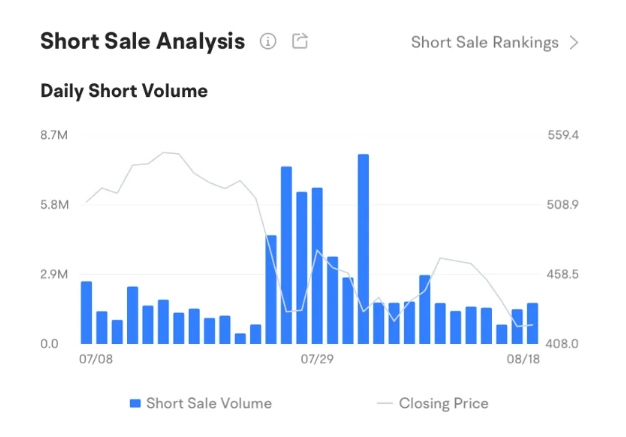
Moomoo trading app provides short sell analysis to help traders and investors to identify the long and short sentiment. Investors who plan to short sale can find stocks with a high short-selling ratio and investment opportunities.
This presentation is for informational and educational use only and is not a recommendation or endorsement of any particular investment or investment strategy. Investment information provided in this content is general in nature, strictly for illustrative purposes, and may not be appropriate for all investors. Read more
Recommend
How to Trade During High Volatility (VIX > 25)
How to Day Trade Without $25,000
How to Start Day Trading for Beginners

Swing Trading Basics: Strategies & How It Works
How to Practice Day Trading (Day Trading Simulator Guide)
Intraday Trading Basics: How to Start & Benefits
ETF Tax Refund Guide: Understand Your Investment Returns
Stock Trading: A Beginner's Guide
How to Start Investing: A Beginner's Guide
How to Invest in Gold: Learn the Basics
Ethereum ETFs: How To Trade Spot Ethereum ETFs
What Is Copy Trading
What to Consider When Shifting from Paper Trading to Actual Trading
Investing During Earnings Season
How Stock Charting Tools Can Help You
What is Thematic Investing?
What Is Social Trading
6 ETF Concerns That Investors Shouldn’t Overlook
What Is Mirror Trading?
Company Earnings and Earnings per Share What Investors Need to Know
How to Use Paper Trading to Test and Help Refine Your Trading Strategy?
How to Practice Trading Without Risking Money?
Tax Trading Strategies in a Bear Market
What Are Market Orders?
Using Volume Oscillators to Confirm Price Movements
Price-to-Earnings (P/E) Ratio
What Is Working Capital?
What Is SWOT Analysis?
Choosing a Stock Simulator to Practice Stock Trading
What Is Revenue?
What Is A Recession?
Psychological Condition of the Market
What Is Beta in the Stock Market?
On-Balance Volume (OBV): What Is It?
What Is the Money Flow Index (MFI)?
Spot Market: What Is It?
What Does It Mean to Have a Certificate of Deposit (CD)?
What Is a Bellwether?
What Is the Spot Rate?
What Is a Volatility Smile?
What Is Historical Volatility (HV)?
What is Buying on Margin?
What Is Barbell Strategy?
How to Analyse Short Sale Volume in Trading
Trading Stocks Short: Overview
What is short selling?
Will ESG Investing Be The Future Of Investing?
How to Invest in the Hong Kong Stock Exchange - What Investors Should Know
Level 2 Market Data: How Advanced Traders Can Identify Value
Swing Trading vs. Day Trading: What's the Difference?
What Is a Day Order?
What Is the National Best Bid and Offer (NBBO) in US Equities?
What is Short Covering?
How to Find A Stock's Number of Shorted Shares?
What Is Trend Analysis?
TOP 10 Day Trading Strategies for Beginners
VWAP Trading Strategy - Volume Weighted Average Price
What is Maintenance Margin?
What Is Market Depth?
What Is Short Interest?
What Is a Trailing Stop and How to Use It?
Stock Split: Stock Trading Strategies for Advanced Traders
Scalping Stock Trading: How Does It Work?
Trading as a Side Hustle: How to get started
How to Pick Stocks: Invest Smarter with Stock Screener
Is Swing Trading More Profitable than Long-Term Trading?
Trade In A Bear Market With Short Sales
How to Trade During High Volatility (VIX > 25)
How to Day Trade Without $25,000
How to Start Day Trading for Beginners
Swing Trading Basics: Strategies & How It Works
How to Practice Day Trading (Day Trading Simulator Guide)
Intraday Trading Basics: How to Start & Benefits
ETF Tax Refund Guide: Understand Your Investment Returns
Stock Trading: A Beginner's Guide
How to Start Investing: A Beginner's Guide
How to Invest in Gold: Learn the Basics
Ethereum ETFs: How To Trade Spot Ethereum ETFs
What Is Copy Trading
What to Consider When Shifting from Paper Trading to Actual Trading
Investing During Earnings Season
How Stock Charting Tools Can Help You
What is Thematic Investing?
What Is Social Trading
6 ETF Concerns That Investors Shouldn’t Overlook
What Is Mirror Trading?
Company Earnings and Earnings per Share What Investors Need to Know
How to Use Paper Trading to Test and Help Refine Your Trading Strategy?
How to Practice Trading Without Risking Money?
Tax Trading Strategies in a Bear Market
What Are Market Orders?
Using Volume Oscillators to Confirm Price Movements
Price-to-Earnings (P/E) Ratio
What Is Working Capital?
What Is SWOT Analysis?
Choosing a Stock Simulator to Practice Stock Trading
What Is Revenue?
What Is A Recession?
Psychological Condition of the Market
What Is Beta in the Stock Market?
On-Balance Volume (OBV): What Is It?
What Is the Money Flow Index (MFI)?
Spot Market: What Is It?
What Does It Mean to Have a Certificate of Deposit (CD)?
What Is a Bellwether?
What Is the Spot Rate?
What Is a Volatility Smile?
What Is Historical Volatility (HV)?
What is Buying on Margin?
What Is Barbell Strategy?
How to Analyse Short Sale Volume in Trading
Trading Stocks Short: Overview
What is short selling?
Will ESG Investing Be The Future Of Investing?
How to Invest in the Hong Kong Stock Exchange - What Investors Should Know
Level 2 Market Data: How Advanced Traders Can Identify Value
Swing Trading vs. Day Trading: What's the Difference?
What Is a Day Order?
What Is the National Best Bid and Offer (NBBO) in US Equities?
What is Short Covering?
How to Find A Stock's Number of Shorted Shares?
What Is Trend Analysis?
TOP 10 Day Trading Strategies for Beginners
VWAP Trading Strategy - Volume Weighted Average Price
What is Maintenance Margin?
What Is Market Depth?
What Is Short Interest?
What Is a Trailing Stop and How to Use It?
Stock Split: Stock Trading Strategies for Advanced Traders
Scalping Stock Trading: How Does It Work?
Trading as a Side Hustle: How to get started
How to Pick Stocks: Invest Smarter with Stock Screener
Is Swing Trading More Profitable than Long-Term Trading?
Trade In A Bear Market With Short Sales

