
Moomoo Insights
Jul 16 15:38
TSMC Earnings: AI Demand Is Stronger Than the Chip Selloff Suggests
Moomoo Insights
Sep 30 05:04
Live Take | Anthropic’s $518B Compute Bet: Who Wins From the AI Buildout?
There are many fundamental distinctions between swing and day trading, although both are considered comparable trading approaches. The frequency with which transactions are carried out is the primary distinction. Both day trading and swing trading have the potential to be profitable. However, your success will be largely determined by the amount of cash you have at your disposal, the available period, your approach to trading, and the marketplace you are trading in.
Day traders are investors who initiate and close many positions during a single trading day. On the other hand, swing traders enter into transactions that continue for many days, weeks, or even months.
Although it includes making deals for a few days, weeks, or even months, swing trading is still considered a sort of trading that takes place rapidly. Swing trading, on the other hand, tends to result in a more gradual accumulation of profits and losses than day trading does. Nevertheless, there are still opportunities for swing trading that can rapidly result in significant wins or losses.
Day trading is popular among investors searching for rewards that can be quickly compounded. The practice of buying and selling assets inside the same trading day, sometimes on many occasions during the trading day, is where the phrase "day trading" originates.
In day trading, sticking to the 1% risk guideline is the common rule of practice. According to this guideline, you should never put more than one percent of your whole portfolio at risk on a single deal.
The term "swing trading" refers to a trading method that includes making deals over a period of time that is more than a few days, weeks, or months. The objective is to secure earnings in the short- to medium-term despite market trends constantly shifting.
Day trading is a strategy that involves making many transactions over one or two trading days in order to generate as many small profits as possible from daily price swings.
Swing traders may utilize their online brokerage accounts to open positions and make trades due to the greater length of time over which they operate. They don't have to respond to a price adjustment within milliseconds; therefore, they're under considerably less pressure.
You need to use the latest tools and programs to maximize your profits from day trading. Because of the possibility that prices may shift before you can even determine whether to execute the transaction, automation is essential to have the possibility of making trading lucrative. Even with these tools, quick market reversals can result in substantial losses.
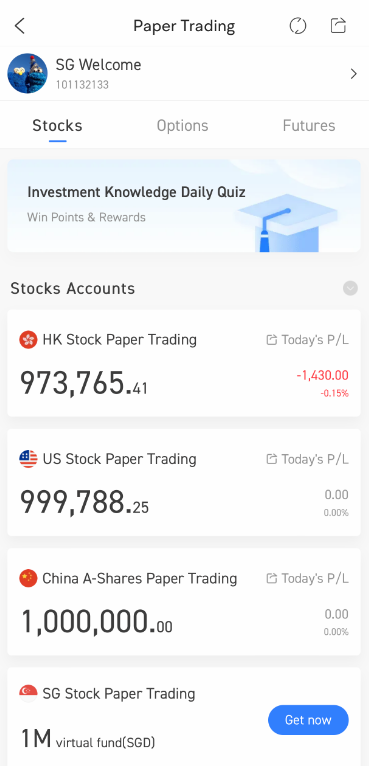
If you are new to trading, you can try the paper trading on moomoo app. The paper trading process is exactly the same as the real scenario, with real-time data, which will help you familiarize yourself with the trading rules without using real money, getting $1,000,000 virtual balance today by downloading and using moomoo paper trading! Sign up with moomoo now to practice paper trading today!
A day trader engages in business in a frenetic and exciting atmosphere, and their goal is to profit from extremely short-term price fluctuation. The typical strategy of a day trader is to complete all of their open positions before the market closes for the day, engage in a high trading volume, and work toward generating a profit via a succession of smaller deals.
When pinpointing the optimal times to enter and exit a position, a swing trader will rely on technical analysis. When trading using a swing strategy, it is common practice to maintain open positions for at least a few days to capture bigger price movements and maximize profits with a reduced number of transactions.
There is no one trading method that is superior to another; rather, each one caters to a unique set of requirements and preferences.
In order to trade successfully in various markets, one may need varying amounts of capital. Day trading demands far more time than swing trading, but being consistent requires a significant amount of experience. Day trading is the activity that more effectively caters to those who are action lovers. Swing trading could be a better option for those looking for a way to invest their money that requires less time and effort and less stress.
This presentation is for informational and educational use only and is not a recommendation or endorsement of any particular investment or investment strategy. Investment information provided in this content is general in nature, strictly for illustrative purposes, and may not be appropriate for all investors. Read more
Recommend
How to Trade During High Volatility (VIX > 25)
How to Day Trade Without $25,000
How to Start Day Trading for Beginners

Swing Trading Basics: Strategies & How It Works
How to Practice Day Trading (Day Trading Simulator Guide)
Intraday Trading Basics: How to Start & Benefits
ETF Tax Refund Guide: Understand Your Investment Returns
Stock Trading: A Beginner's Guide
How to Start Investing: A Beginner's Guide
How to Invest in Gold: Learn the Basics
Ethereum ETFs: How To Trade Spot Ethereum ETFs
What Is Copy Trading
What to Consider When Shifting from Paper Trading to Actual Trading
Investing During Earnings Season
How Stock Charting Tools Can Help You
What is Thematic Investing?
What Is Social Trading
6 ETF Concerns That Investors Shouldn’t Overlook
What Is Mirror Trading?
Company Earnings and Earnings per Share What Investors Need to Know
How to Use Paper Trading to Test and Help Refine Your Trading Strategy?
How to Practice Trading Without Risking Money?
Tax Trading Strategies in a Bear Market
What Are Market Orders?
Using Volume Oscillators to Confirm Price Movements
Price-to-Earnings (P/E) Ratio
What Is Working Capital?
What Is SWOT Analysis?
Choosing a Stock Simulator to Practice Stock Trading
What Is Revenue?
What Is A Recession?
Psychological Condition of the Market
What Is Beta in the Stock Market?
On-Balance Volume (OBV): What Is It?
What Is the Money Flow Index (MFI)?
Spot Market: What Is It?
What Does It Mean to Have a Certificate of Deposit (CD)?
What Is a Bellwether?
What Is the Spot Rate?
What Is a Volatility Smile?
What Is Historical Volatility (HV)?
What is Buying on Margin?
What Is Barbell Strategy?
How to Analyse Short Sale Volume in Trading
Trading Stocks Short: Overview
What is short selling?
Will ESG Investing Be The Future Of Investing?
How to Invest in the Hong Kong Stock Exchange - What Investors Should Know
Level 2 Market Data: How Advanced Traders Can Identify Value
Swing Trading vs. Day Trading: What's the Difference?
What Is a Day Order?
What Is the National Best Bid and Offer (NBBO) in US Equities?
What is Short Covering?
How to Find A Stock's Number of Shorted Shares?
What Is Trend Analysis?
TOP 10 Day Trading Strategies for Beginners
VWAP Trading Strategy - Volume Weighted Average Price
What is Maintenance Margin?
What Is Market Depth?
What Is Short Interest?
What Is a Trailing Stop and How to Use It?
Stock Split: Stock Trading Strategies for Advanced Traders
Scalping Stock Trading: How Does It Work?
Trading as a Side Hustle: How to get started
How to Pick Stocks: Invest Smarter with Stock Screener
Is Swing Trading More Profitable than Long-Term Trading?
Trade In A Bear Market With Short Sales
How to Trade During High Volatility (VIX > 25)
How to Day Trade Without $25,000
How to Start Day Trading for Beginners
Swing Trading Basics: Strategies & How It Works
How to Practice Day Trading (Day Trading Simulator Guide)
Intraday Trading Basics: How to Start & Benefits
ETF Tax Refund Guide: Understand Your Investment Returns
Stock Trading: A Beginner's Guide
How to Start Investing: A Beginner's Guide
How to Invest in Gold: Learn the Basics
Ethereum ETFs: How To Trade Spot Ethereum ETFs
What Is Copy Trading
What to Consider When Shifting from Paper Trading to Actual Trading
Investing During Earnings Season
How Stock Charting Tools Can Help You
What is Thematic Investing?
What Is Social Trading
6 ETF Concerns That Investors Shouldn’t Overlook
What Is Mirror Trading?
Company Earnings and Earnings per Share What Investors Need to Know
How to Use Paper Trading to Test and Help Refine Your Trading Strategy?
How to Practice Trading Without Risking Money?
Tax Trading Strategies in a Bear Market
What Are Market Orders?
Using Volume Oscillators to Confirm Price Movements
Price-to-Earnings (P/E) Ratio
What Is Working Capital?
What Is SWOT Analysis?
Choosing a Stock Simulator to Practice Stock Trading
What Is Revenue?
What Is A Recession?
Psychological Condition of the Market
What Is Beta in the Stock Market?
On-Balance Volume (OBV): What Is It?
What Is the Money Flow Index (MFI)?
Spot Market: What Is It?
What Does It Mean to Have a Certificate of Deposit (CD)?
What Is a Bellwether?
What Is the Spot Rate?
What Is a Volatility Smile?
What Is Historical Volatility (HV)?
What is Buying on Margin?
What Is Barbell Strategy?
How to Analyse Short Sale Volume in Trading
Trading Stocks Short: Overview
What is short selling?
Will ESG Investing Be The Future Of Investing?
How to Invest in the Hong Kong Stock Exchange - What Investors Should Know
Level 2 Market Data: How Advanced Traders Can Identify Value
Swing Trading vs. Day Trading: What's the Difference?
What Is a Day Order?
What Is the National Best Bid and Offer (NBBO) in US Equities?
What is Short Covering?
How to Find A Stock's Number of Shorted Shares?
What Is Trend Analysis?
TOP 10 Day Trading Strategies for Beginners
VWAP Trading Strategy - Volume Weighted Average Price
What is Maintenance Margin?
What Is Market Depth?
What Is Short Interest?
What Is a Trailing Stop and How to Use It?
Stock Split: Stock Trading Strategies for Advanced Traders
Scalping Stock Trading: How Does It Work?
Trading as a Side Hustle: How to get started
How to Pick Stocks: Invest Smarter with Stock Screener
Is Swing Trading More Profitable than Long-Term Trading?
Trade In A Bear Market With Short Sales

