
Moomoo Insights
Jul 16 15:38
TSMC Earnings: AI Demand Is Stronger Than the Chip Selloff Suggests
Moomoo Insights
Sep 30 05:04
Live Take | Anthropic’s $518B Compute Bet: Who Wins From the AI Buildout?
Embarking on stock trading can seem daunting for beginners. With a plethora of strategies, financial tools, and markets, understanding how to navigate the stock exchange is crucial to your success. This guide is designed to simplify the complexities of stock trading, providing you with a clear pathway to confidently take your first steps into the world of stock trading. We will cover the essentials—from the fundamentals of trading stocks to the various approaches you can take, including the invaluable practice of paper trading. By simulating trades without financial risk, paper trading offers a practical learning experience. Whether you aim to trade daily or invest in the long term, our guide will help you build a strong foundation for your trading journey.
Stock trading is the buying and selling of company shares or derivatives with the aim of making a profit. It occurs on exchanges where stocks are listed, like the NYSE or NASDAQ. Traders capitalize on market fluctuations; they buy stocks they believe will increase in value or sell ones they predict will decline. Success in stock trading requires research, strategy, and an understanding of market trends. While it offers the potential for significant financial gains, it also comes with risks. Trades can be executed rapidly, often within the same day (day trading), or over a longer term (swing or position trading).
Stock trading is the practice of buying and selling company shares with the goal of capitalizing on daily price movements. The essence of trading lies in the classic adage: buy low, sell high. Engaging in the stock market is not just about profit; it offers the excitement of participating in a global economic arena, the satisfaction of personal financial management, and the chance to be part of a company's success story. It's a proactive approach to wealth creation, offering opportunities for significant returns and diversification of assets. As a trader, you have the power to make informed decisions that can shape your financial landscape and help secure a more prosperous future.
Stock trading falls into active or passive categories. Active trading, which includes day, swing, and position trading, targets short to long-term market gains. Passive trading, in contrast, aims for steady, long-term growth, often through index funds. Both strategies suit varying investor profiles and risk appetites.
Day Trading is an investment strategy where individuals buy and sell stocks within the same trading day, aiming to profit from short-term price movements. This form of trading demands a high level of discipline, as traders must make rapid, informed decisions and constantly monitor the markets. Successful day traders rely on a deep understanding of market trends, technical analysis, and the ability to remain unemotional in the face of volatility. While it offers the potential for quick returns, it also bears significant risk and requires a commitment to learning and adapting strategies to market behaviors. Day trading is not for everyone, but for those with skill and resilience, it can be a lucrative endeavor.
Swing trading is a style of trading that focuses on capturing gains from stock price movements over a period that can range from a few days to several weeks. This approach is less frenetic than day trading, allowing for a more measured pace in which traders can plan and execute their strategies. It still requires a keen eye for market trends, technical analysis, and the ability to foresee potential market shifts. Patience is a virtue in swing trading, as positions might not yield immediate returns. Traders must also be resilient, as holding positions overnight involves the risk of price gaps caused by after-hours news and events. For those who prefer a balanced approach between fast-paced day trading and long-term position trading, swing trading offers a middle ground, blending thorough analysis with the excitement of trading.
Position trading stands out as a long-term investment strategy where traders maintain their hold on stocks for extended periods, ranging from months to years, based on the conviction that these stocks will appreciate in value substantially over time. This method demands a comprehensive understanding of market fundamentals and the patience to wait for the fruition of anticipated economic shifts or company growth. Unlike day or swing trading, position trading minimizes the impact of short-term volatility and market noise, focusing instead on sustained trends. It requires less constant monitoring of the market, but a strong commitment to initial research and ongoing analysis to ensure the positions held continue to align with long-term goals and market dynamics. Position traders often weather the highs and lows of market cycles with the expectation of a rewarding outcome.
As a beginner in stock trading, it's often wise to stick to the basics and opt for a diversified portfolio of low-cost index funds, which historically have proven to outperform in the long run.
However, if you're set on trading individual stocks, the process typically unfolds in 5 steps:
Dive into the stock market world by educating yourself on its fundamentals, including how it operates, the factors that influence stock prices, and the different kinds of trading strategies that exist. Familiarize yourself with the jargon, which is crucial for understanding market analysis and communications. Utilize a variety of resources such as books written by successful traders, comprehensive online courses, interactive webinars, and seminars to build a solid foundation. This foundational knowledge will not only inform your trading decisions but also help you stay grounded during the emotional rollercoaster of market ups and downs.
Before entering the market, it's essential to set clear, achievable goals. Are you looking to build a retirement fund, save for a large purchase, or generate consistent secondary income? Your objectives will shape your trading approach, risk tolerance, and the financial instruments you choose to trade with. Goal setting provides direction and helps measure progress. It also allows you to stay focused and disciplined, avoiding common pitfalls like emotional trading or overtrading, which can lead to significant losses.
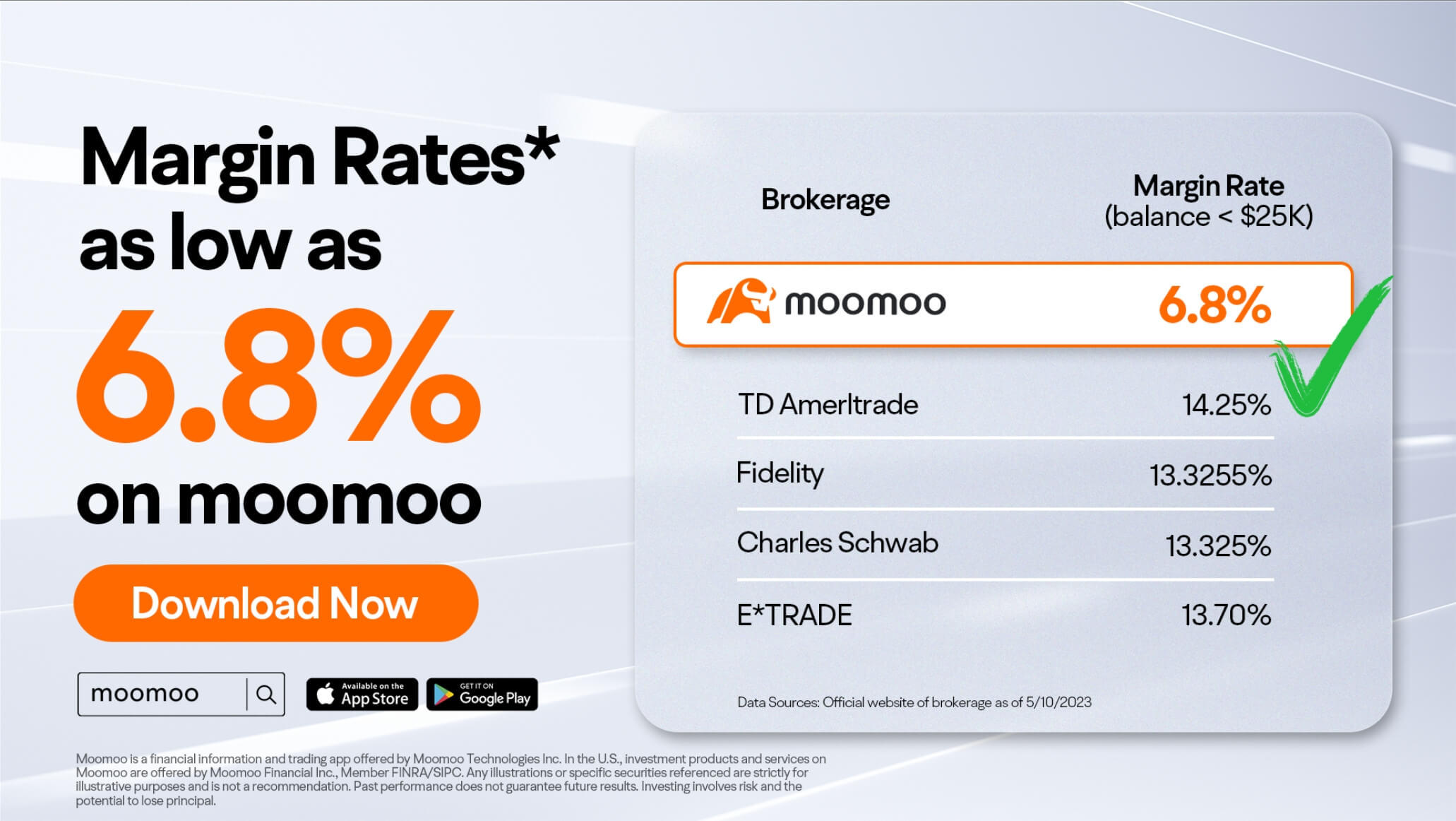
Selecting the right broker is crucial for your trading success. Evaluate their platform features, fees, and customer support quality. Ensure they align with your trading style and offer the necessary tools, whether for high-speed day trading or in-depth research for long-term investing. Access to educational materials and market data is also vital for new traders. Moomoo, with its advanced tools, competitive pricing, and comprehensive educational resources, could be an excellent choice to support your trading endeavors and help you navigate the markets effectively.
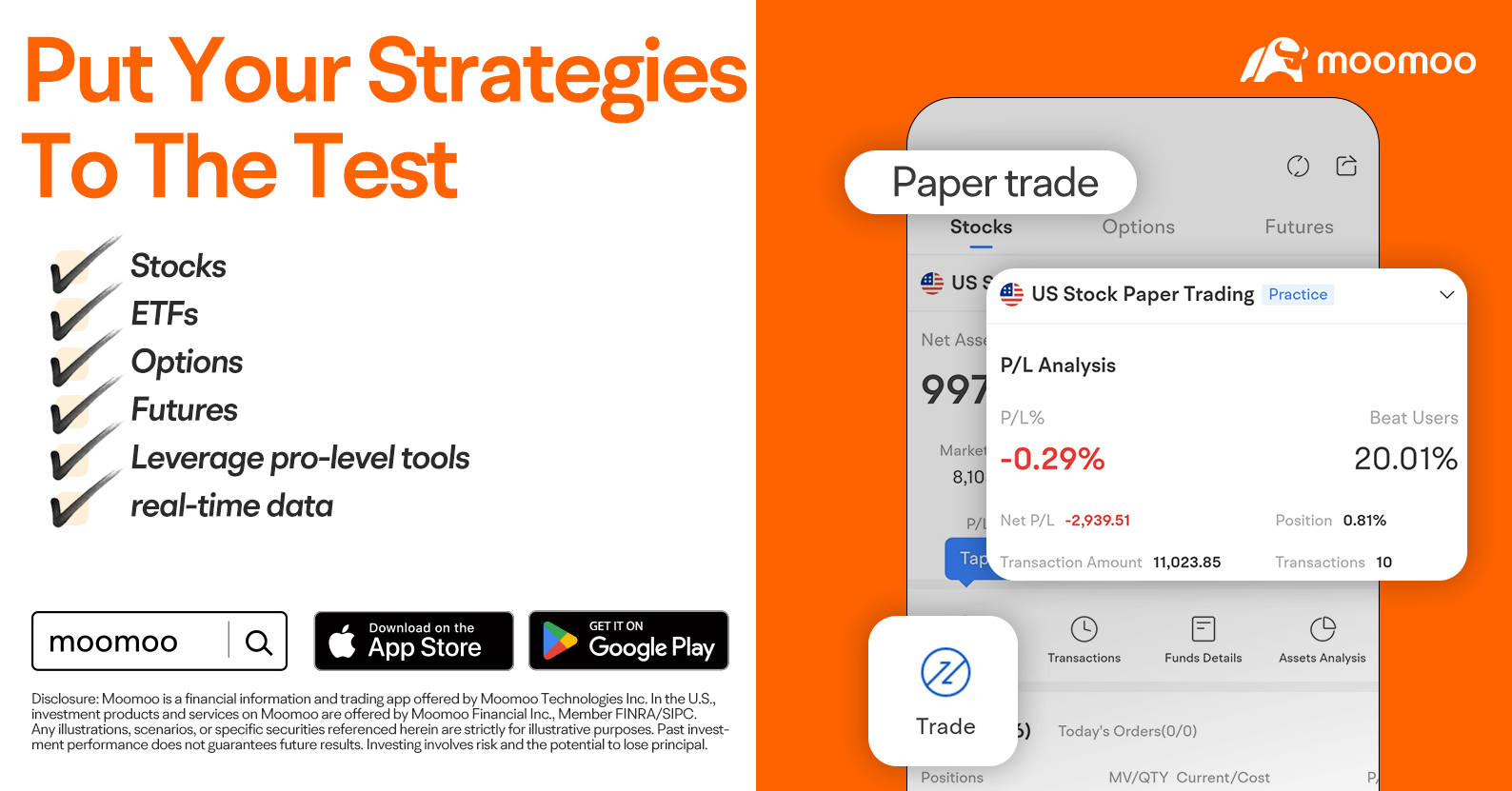
Moomoo's paper trading offers a risk-free, cost-free environment for honing your trading skills. As a beginner, you can leverage this feature to apply market theories using virtual money, mirroring real-time conditions without financial risk. It's an invaluable tool for refining strategies and getting to grips with moomoo's advanced analytical tools. Regular practice in this simulated setting builds the confidence needed for actual trading, ensuring a smooth transition to managing real investments.
Once you're educated, goal-oriented, have chosen a broker, and practiced with paper trading, you're ready to start trading with real money. Begin by funding your brokerage account, but start small. It's important to only trade with money you can afford to lose, especially in the beginning stages. As you make your first trades, keep a journal to record your decisions and outcomes, which will be a critical tool for self-assessment and strategy refinement. Gradually increase your exposure as you gain experience, knowledge, and confidence in navigating the stock market.
Implementing stop-loss orders is a risk management strategy that prompts the automatic sale of your securities when they reach a predetermined price point. This tool is crucial for limiting potential losses, ensuring you're not caught off guard by sudden market downturns. It helps enforce a disciplined approach to exit losing positions and preserve capital.
Diversification is a risk mitigation tactic that involves spreading your investments across a range of assets, sectors, and geographies. By not putting all your eggs in one basket, you reduce the impact of any single investment's poor performance on your overall portfolio health. Diversification is a cornerstone of prudent investment strategy, helping to smooth out returns over time.
Leverage involves borrowing capital to invest, potentially increasing your purchasing power and amplifying profits. However, it's a double-edged sword, as it can also amplify losses. Beginners should approach leverage with caution, fully understanding the risks and having a clear strategy for managing them. It's critical to use leverage within your risk tolerance boundaries.
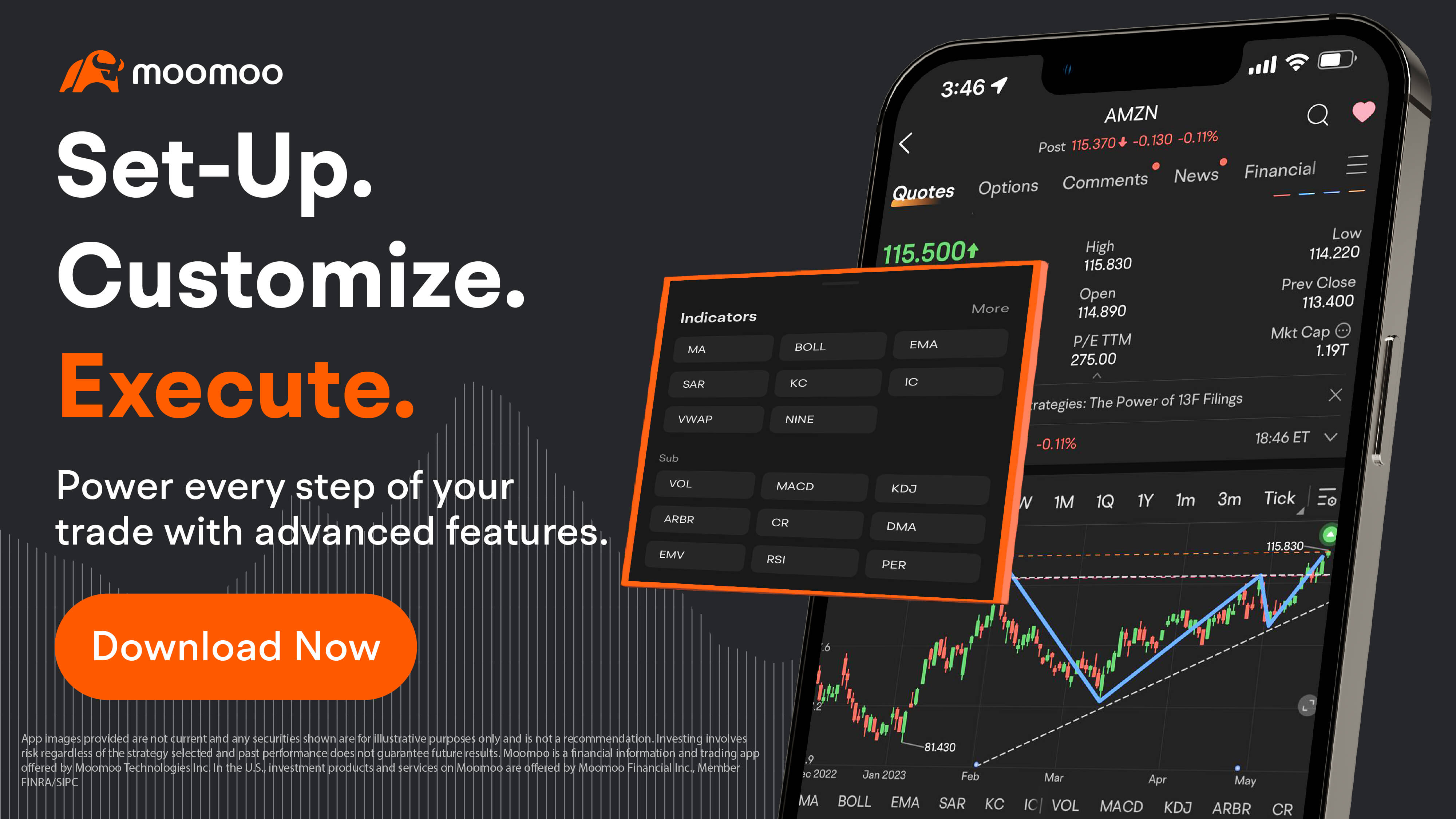
Moomoo is an intuitive and powerful trading platform for both beginner and seasoned stock traders, providing advanced tools like level 2 data for in-depth market analysis and order book visibility. Its real-time data, versatile charts, and various indicators empower informed trading decisions. The paper trading feature is perfect for honing strategies without financial risk, and with no minimum deposit, Moomoo is accessible to any investor. Educational resources and community forums support ongoing development, making it a comprehensive choice for those looking to improve their trading skills and market acumen.
A broker is an intermediary who facilitates the buying and selling of stocks. They provide the platform and tools needed for trading.
The amount needed can vary widely. Some brokers allow you to start with as little as $100, but more capital generally provides more flexibility and opportunities.
A solid approach is to start with moomoo paper trading, focus on a single stock or index, and use a simple strategy like following the trend or setting stop-loss orders.
Yes, it's possible to start trading with $100 through brokers offering fractional shares or with low initial deposit requirements.
Day trading is typically done during the stock market's open hours, which for the NYSE and NASDAQ is from 9:30 AM to 4:00 PM ET on weekdays.
This presentation is for informational and educational use only and is not a recommendation or endorsement of any particular investment or investment strategy. Investment information provided in this content is general in nature, strictly for illustrative purposes, and may not be appropriate for all investors. Read more
Recommend
How to Trade During High Volatility (VIX > 25)
How to Day Trade Without $25,000
How to Start Day Trading for Beginners

Swing Trading Basics: Strategies & How It Works
How to Practice Day Trading (Day Trading Simulator Guide)
Intraday Trading Basics: How to Start & Benefits
ETF Tax Refund Guide: Understand Your Investment Returns
Stock Trading: A Beginner's Guide
How to Start Investing: A Beginner's Guide
How to Invest in Gold: Learn the Basics
Ethereum ETFs: How To Trade Spot Ethereum ETFs
What Is Copy Trading
What to Consider When Shifting from Paper Trading to Actual Trading
Investing During Earnings Season
How Stock Charting Tools Can Help You
What is Thematic Investing?
What Is Social Trading
6 ETF Concerns That Investors Shouldn’t Overlook
What Is Mirror Trading?
Company Earnings and Earnings per Share What Investors Need to Know
How to Use Paper Trading to Test and Help Refine Your Trading Strategy?
How to Practice Trading Without Risking Money?
Tax Trading Strategies in a Bear Market
What Are Market Orders?
Using Volume Oscillators to Confirm Price Movements
Price-to-Earnings (P/E) Ratio
What Is Working Capital?
What Is SWOT Analysis?
Choosing a Stock Simulator to Practice Stock Trading
What Is Revenue?
What Is A Recession?
Psychological Condition of the Market
What Is Beta in the Stock Market?
On-Balance Volume (OBV): What Is It?
What Is the Money Flow Index (MFI)?
Spot Market: What Is It?
What Does It Mean to Have a Certificate of Deposit (CD)?
What Is a Bellwether?
What Is the Spot Rate?
What Is a Volatility Smile?
What Is Historical Volatility (HV)?
What is Buying on Margin?
What Is Barbell Strategy?
How to Analyse Short Sale Volume in Trading
Trading Stocks Short: Overview
What is short selling?
Will ESG Investing Be The Future Of Investing?
How to Invest in the Hong Kong Stock Exchange - What Investors Should Know
Level 2 Market Data: How Advanced Traders Can Identify Value
Swing Trading vs. Day Trading: What's the Difference?
What Is a Day Order?
What Is the National Best Bid and Offer (NBBO) in US Equities?
What is Short Covering?
How to Find A Stock's Number of Shorted Shares?
What Is Trend Analysis?
TOP 10 Day Trading Strategies for Beginners
VWAP Trading Strategy - Volume Weighted Average Price
What is Maintenance Margin?
What Is Market Depth?
What Is Short Interest?
What Is a Trailing Stop and How to Use It?
Stock Split: Stock Trading Strategies for Advanced Traders
Scalping Stock Trading: How Does It Work?
Trading as a Side Hustle: How to get started
How to Pick Stocks: Invest Smarter with Stock Screener
Is Swing Trading More Profitable than Long-Term Trading?
Trade In A Bear Market With Short Sales
How to Trade During High Volatility (VIX > 25)
How to Day Trade Without $25,000
How to Start Day Trading for Beginners
Swing Trading Basics: Strategies & How It Works
How to Practice Day Trading (Day Trading Simulator Guide)
Intraday Trading Basics: How to Start & Benefits
ETF Tax Refund Guide: Understand Your Investment Returns
Stock Trading: A Beginner's Guide
How to Start Investing: A Beginner's Guide
How to Invest in Gold: Learn the Basics
Ethereum ETFs: How To Trade Spot Ethereum ETFs
What Is Copy Trading
What to Consider When Shifting from Paper Trading to Actual Trading
Investing During Earnings Season
How Stock Charting Tools Can Help You
What is Thematic Investing?
What Is Social Trading
6 ETF Concerns That Investors Shouldn’t Overlook
What Is Mirror Trading?
Company Earnings and Earnings per Share What Investors Need to Know
How to Use Paper Trading to Test and Help Refine Your Trading Strategy?
How to Practice Trading Without Risking Money?
Tax Trading Strategies in a Bear Market
What Are Market Orders?
Using Volume Oscillators to Confirm Price Movements
Price-to-Earnings (P/E) Ratio
What Is Working Capital?
What Is SWOT Analysis?
Choosing a Stock Simulator to Practice Stock Trading
What Is Revenue?
What Is A Recession?
Psychological Condition of the Market
What Is Beta in the Stock Market?
On-Balance Volume (OBV): What Is It?
What Is the Money Flow Index (MFI)?
Spot Market: What Is It?
What Does It Mean to Have a Certificate of Deposit (CD)?
What Is a Bellwether?
What Is the Spot Rate?
What Is a Volatility Smile?
What Is Historical Volatility (HV)?
What is Buying on Margin?
What Is Barbell Strategy?
How to Analyse Short Sale Volume in Trading
Trading Stocks Short: Overview
What is short selling?
Will ESG Investing Be The Future Of Investing?
How to Invest in the Hong Kong Stock Exchange - What Investors Should Know
Level 2 Market Data: How Advanced Traders Can Identify Value
Swing Trading vs. Day Trading: What's the Difference?
What Is a Day Order?
What Is the National Best Bid and Offer (NBBO) in US Equities?
What is Short Covering?
How to Find A Stock's Number of Shorted Shares?
What Is Trend Analysis?
TOP 10 Day Trading Strategies for Beginners
VWAP Trading Strategy - Volume Weighted Average Price
What is Maintenance Margin?
What Is Market Depth?
What Is Short Interest?
What Is a Trailing Stop and How to Use It?
Stock Split: Stock Trading Strategies for Advanced Traders
Scalping Stock Trading: How Does It Work?
Trading as a Side Hustle: How to get started
How to Pick Stocks: Invest Smarter with Stock Screener
Is Swing Trading More Profitable than Long-Term Trading?
Trade In A Bear Market With Short Sales

