
Moomoo Insights
Jul 16 15:38
TSMC Earnings: AI Demand Is Stronger Than the Chip Selloff Suggests
Moomoo Insights
Sep 30 05:04
Live Take | Anthropic’s $518B Compute Bet: Who Wins From the AI Buildout?
Mirror trading is a type of trade selection most often used in foreign exchange (Forex) markets. It is a method that enables investors to mimic the trades of seasoned forex investors and then execute identical transactions in their own accounts. It is a strategy that can be found in forex trading. Mirror trading was at first exclusively offered to institutional customers, but it has subsequently been made accessible to regular investors via a variety of different channels. Since its debut in the middle to late 2000s, mirror trading has served as an inspiration for various trading tactics that are analogous to it, including copy trading and social trading.
Because of its automated nature, it may assist investors in avoiding making trading choices influenced by their emotions. Mirror traders in the foreign exchange markets often use the trading platform provided by a brokerage to investigate the history and specifics of a variety of trading methods.
After researching on the performance characteristics, the trader selects an algorithmic strategy from available options. This decision takes into account the trader's investment goals, their level of comfort with risk, the amount of investment capital available, and the assets they wish to invest in. For the sake of illustration, a trader who is only willing to take on a little risk can decide to copy a trading method with a limited potential for loss. When strategy creators make trades, those deals are replicated in the accounts of mirror traders using automated software that runs 24 hours a day, five days a week, aiming to produce returns comparable to the actual trades.
Analyzing the data points utilized to generate the transaction is how mirror trading can function. Using this method can help remove the element of emotion from the decision-making process. Lack of emotional self-control is a primary factor contributing to many people's failure to establish successful trading careers.
Trading is a significant investment of both time and effort. Because of the rapid pace at which everything in the stock market may and does change, well-informed trading may only be possible with consistent market analysis. Mirror trading helps to remove a part of this variable, enabling traders to concentrate only on the aspects of the market in which they excel.
Before putting up numerous trading methods for inexperienced traders to copy and paste, the marketplaces and brokerage companies that provide the service of mirror trading undergo testing of such techniques.
You may trade on your own using the software known as a Mirror Trader rather than working with a Master Trader. However, this does have the potential for downsides since it may increase the likelihood of making bad choices and suffering financial losses. It is essential to remember that mirrored transactions will include not only positive trades, but also prospective trades that have a chance of hitting losses.
When traders engage in mirror trading, it indicates they do not have control over the trades being carried out. Hence, it is difficult to know whether or not we can trust their positions because it indicates that the algorithm is being utilized to carry them out. It's possible that some people won't mind if other people sit in the driver's seat while they use their codes, but others won't be too thrilled about it.
Mirror trading is one approach for certain novice traders to get their feet wet in real trading. But it also has potential risks since it may increase the likelihood of making bad choices and suffering financial losses.
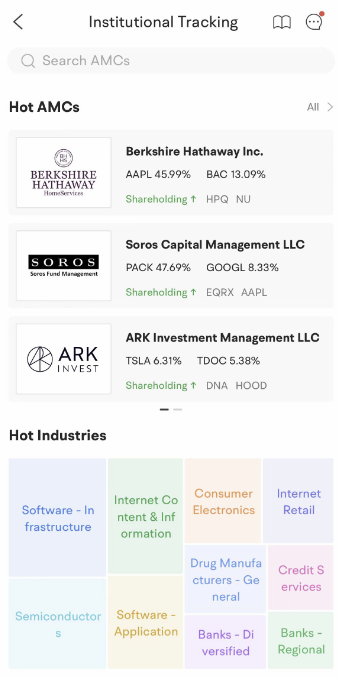
Moomoo stock trading app can provide traders with a collection of position reports from large institutions, providing them with quick access to insightful information, such as Warren Buffett's Berkshire Hathaway Inc. , Tiger Global, High Tide Capital, etc. Sign up and download the moomoo app today to access the visualized holdings and portfolios from institutional funds to help develop your trading strategies.
*Note, this is not related to mirror trading. These are required quarterly position reports that have been provided to the SEC.
What are the negative aspects of mirror trading?
1. Wrong trades also get mirrored 2. No active control
This presentation is for informational and educational use only and is not a recommendation or endorsement of any particular investment or investment strategy. Investment information provided in this content is general in nature, strictly for illustrative purposes, and may not be appropriate for all investors. Read more
Recommend
How to Trade During High Volatility (VIX > 25)
How to Day Trade Without $25,000
How to Start Day Trading for Beginners

Swing Trading Basics: Strategies & How It Works
How to Practice Day Trading (Day Trading Simulator Guide)
Intraday Trading Basics: How to Start & Benefits
ETF Tax Refund Guide: Understand Your Investment Returns
Stock Trading: A Beginner's Guide
How to Start Investing: A Beginner's Guide
How to Invest in Gold: Learn the Basics
Ethereum ETFs: How To Trade Spot Ethereum ETFs
What Is Copy Trading
What to Consider When Shifting from Paper Trading to Actual Trading
Investing During Earnings Season
How Stock Charting Tools Can Help You
What is Thematic Investing?
What Is Social Trading
6 ETF Concerns That Investors Shouldn’t Overlook
What Is Mirror Trading?
Company Earnings and Earnings per Share What Investors Need to Know
How to Use Paper Trading to Test and Help Refine Your Trading Strategy?
How to Practice Trading Without Risking Money?
Tax Trading Strategies in a Bear Market
What Are Market Orders?
Using Volume Oscillators to Confirm Price Movements
Price-to-Earnings (P/E) Ratio
What Is Working Capital?
What Is SWOT Analysis?
Choosing a Stock Simulator to Practice Stock Trading
What Is Revenue?
What Is A Recession?
Psychological Condition of the Market
What Is Beta in the Stock Market?
On-Balance Volume (OBV): What Is It?
What Is the Money Flow Index (MFI)?
Spot Market: What Is It?
What Does It Mean to Have a Certificate of Deposit (CD)?
What Is a Bellwether?
What Is the Spot Rate?
What Is a Volatility Smile?
What Is Historical Volatility (HV)?
What is Buying on Margin?
What Is Barbell Strategy?
How to Analyse Short Sale Volume in Trading
Trading Stocks Short: Overview
What is short selling?
Will ESG Investing Be The Future Of Investing?
How to Invest in the Hong Kong Stock Exchange - What Investors Should Know
Level 2 Market Data: How Advanced Traders Can Identify Value
Swing Trading vs. Day Trading: What's the Difference?
What Is a Day Order?
What Is the National Best Bid and Offer (NBBO) in US Equities?
What is Short Covering?
How to Find A Stock's Number of Shorted Shares?
What Is Trend Analysis?
TOP 10 Day Trading Strategies for Beginners
VWAP Trading Strategy - Volume Weighted Average Price
What is Maintenance Margin?
What Is Market Depth?
What Is Short Interest?
What Is a Trailing Stop and How to Use It?
Stock Split: Stock Trading Strategies for Advanced Traders
Scalping Stock Trading: How Does It Work?
Trading as a Side Hustle: How to get started
How to Pick Stocks: Invest Smarter with Stock Screener
Is Swing Trading More Profitable than Long-Term Trading?
Trade In A Bear Market With Short Sales
How to Trade During High Volatility (VIX > 25)
How to Day Trade Without $25,000
How to Start Day Trading for Beginners
Swing Trading Basics: Strategies & How It Works
How to Practice Day Trading (Day Trading Simulator Guide)
Intraday Trading Basics: How to Start & Benefits
ETF Tax Refund Guide: Understand Your Investment Returns
Stock Trading: A Beginner's Guide
How to Start Investing: A Beginner's Guide
How to Invest in Gold: Learn the Basics
Ethereum ETFs: How To Trade Spot Ethereum ETFs
What Is Copy Trading
What to Consider When Shifting from Paper Trading to Actual Trading
Investing During Earnings Season
How Stock Charting Tools Can Help You
What is Thematic Investing?
What Is Social Trading
6 ETF Concerns That Investors Shouldn’t Overlook
What Is Mirror Trading?
Company Earnings and Earnings per Share What Investors Need to Know
How to Use Paper Trading to Test and Help Refine Your Trading Strategy?
How to Practice Trading Without Risking Money?
Tax Trading Strategies in a Bear Market
What Are Market Orders?
Using Volume Oscillators to Confirm Price Movements
Price-to-Earnings (P/E) Ratio
What Is Working Capital?
What Is SWOT Analysis?
Choosing a Stock Simulator to Practice Stock Trading
What Is Revenue?
What Is A Recession?
Psychological Condition of the Market
What Is Beta in the Stock Market?
On-Balance Volume (OBV): What Is It?
What Is the Money Flow Index (MFI)?
Spot Market: What Is It?
What Does It Mean to Have a Certificate of Deposit (CD)?
What Is a Bellwether?
What Is the Spot Rate?
What Is a Volatility Smile?
What Is Historical Volatility (HV)?
What is Buying on Margin?
What Is Barbell Strategy?
How to Analyse Short Sale Volume in Trading
Trading Stocks Short: Overview
What is short selling?
Will ESG Investing Be The Future Of Investing?
How to Invest in the Hong Kong Stock Exchange - What Investors Should Know
Level 2 Market Data: How Advanced Traders Can Identify Value
Swing Trading vs. Day Trading: What's the Difference?
What Is a Day Order?
What Is the National Best Bid and Offer (NBBO) in US Equities?
What is Short Covering?
How to Find A Stock's Number of Shorted Shares?
What Is Trend Analysis?
TOP 10 Day Trading Strategies for Beginners
VWAP Trading Strategy - Volume Weighted Average Price
What is Maintenance Margin?
What Is Market Depth?
What Is Short Interest?
What Is a Trailing Stop and How to Use It?
Stock Split: Stock Trading Strategies for Advanced Traders
Scalping Stock Trading: How Does It Work?
Trading as a Side Hustle: How to get started
How to Pick Stocks: Invest Smarter with Stock Screener
Is Swing Trading More Profitable than Long-Term Trading?
Trade In A Bear Market With Short Sales

