
Moomoo Insights
Jul 16 15:38
TSMC Earnings: AI Demand Is Stronger Than the Chip Selloff Suggests
Moomoo Insights
Sep 30 05:04
Live Take | Anthropic’s $518B Compute Bet: Who Wins From the AI Buildout?
Scalping is a day trading style that many professional traders use. It is one of the shortest trading cycles among other forms of trading. Since it involves quick entry and exit to skim off small profits, it is called scalping trading. The traders who adopt this trading style are known as scalpers. The scalpers aim to make big profits through small trades.
Here's a brief overview of how scalping works.
Scalpers enter a limit order and buy a specific stock at a particular price.
Automatic execution of trade occurs once the price falls to limit order.
Traders observe the positive movement in the stock price
Trader closes the trade as soon as the stock price moves up
Scalpers believe in making big profits by making small moves. They don't want to take risks in a desire to make big profits. To ensure less risk, scalpers set tight trading windows for the time frame and price movement.
Indeed scalping may help prevent you from losing. At the same time, you may lose an opportunity to gain big. Scalpers don't wait to get more profit. Instead, they prefer exiting the trade once they achieve the desired profit. Likewise, they don't wait for a positive change once the stock hits the target loss level and gets out of trading.
Scalpers prefer technical analysis to fundamental analysis to examine past price movements of a stock. They take help from indicators and charts to identify all the trading events. A good analysis helps them assess when they should enter or exit the market.
Scalpers use real-time charts to observe the day's trading prices and stock's price action. After that, they take help from known patterns and indicators to forecast the stock movement in the next few minutes. Ultimately, they create low and high trading points for entry and exit.
On the other hand, fundamental analysis involves ratio calculations with the help of a company's financial statements. The calculated ratios help traders assess how much they should invest. Moreover, it allows traders to evaluate a company and manage risks accordingly.
Scalpers may trade on any event or news that changes a company's worth. They might scalp trades based on the short-term changes in fundamental ratios. On the other hand, most traders focus on charts and trading indicators. However, these charts have a drawback. Since they indicate past prices, they could lose their value over time.
The time horizon is a factor that decides the worth of a position. It tells us how long a position is held. A position with a higher time horizon has less value. Therefore, trading indicators and technical analysis work better for short-term Scalping.
They analyze market situations and make quick decisions. Additionally, they also decide profit targets and timing for each trade. However, the introduction of biases in discretionary scalping poses a risk. Emotions may lead to bad trading.
They use computer programs and artificial intelligence to automate scalping. Computer programs help them take advantage of every trading opportunity without waiting for them to assess the market. Systematic trading doesn't rely on humans. That's why it is an unbiased scalp trading strategy.
Scalp trading and day trading are similar. Both make several trades in a day. However, there still exist some differences.
For instance,
A day trader uses a timeframe of 1-2 hours, and a scalp trader uses a timeline of 5sec -1 min.
The scalp trader has a larger account size than a day trader's account (average account size).
Scalp traders do quick trading. On the other hand, day traders trade in quick successions but at an average speed.
Scalp traders rely on experience. They understand the stock market's movement. On the other hand, a day trend makes trading decisions based on technical analysis.
Scalpers plan trades with the help of one-minute charts or short time frames. Additionally, they need to be dedicated, efficient and disciplined to scalp deals. Scalp trading is not for those who take time to make decisions. This is a trading strategy for very experienced traders with access to the necessary systems and not for the majority of traders.
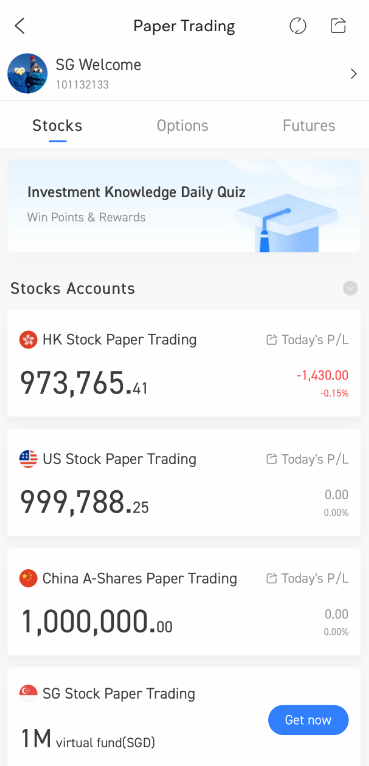
If you want to practice your trading strategies, you can try the paper trading on moomoo app. The paper trading process is exactly the same as the real scenario, with real-time stocks or options data, which will help you familiarize yourself with the trading rules without using real money, getting $1,000,000 virtual balance today by downloading and using moomoo paper trading! Sign up your moomoo now to practice paper trading today!
This presentation is for informational and educational use only and is not a recommendation or endorsement of any particular investment or investment strategy. Investment information provided in this content is general in nature, strictly for illustrative purposes, and may not be appropriate for all investors. Read more
Recommend
How to Trade During High Volatility (VIX > 25)
How to Day Trade Without $25,000
How to Start Day Trading for Beginners

Swing Trading Basics: Strategies & How It Works
How to Practice Day Trading (Day Trading Simulator Guide)
Intraday Trading Basics: How to Start & Benefits
ETF Tax Refund Guide: Understand Your Investment Returns
Stock Trading: A Beginner's Guide
How to Start Investing: A Beginner's Guide
How to Invest in Gold: Learn the Basics
Ethereum ETFs: How To Trade Spot Ethereum ETFs
What Is Copy Trading
What to Consider When Shifting from Paper Trading to Actual Trading
Investing During Earnings Season
How Stock Charting Tools Can Help You
What is Thematic Investing?
What Is Social Trading
6 ETF Concerns That Investors Shouldn’t Overlook
What Is Mirror Trading?
Company Earnings and Earnings per Share What Investors Need to Know
How to Use Paper Trading to Test and Help Refine Your Trading Strategy?
How to Practice Trading Without Risking Money?
Tax Trading Strategies in a Bear Market
What Are Market Orders?
Using Volume Oscillators to Confirm Price Movements
Price-to-Earnings (P/E) Ratio
What Is Working Capital?
What Is SWOT Analysis?
Choosing a Stock Simulator to Practice Stock Trading
What Is Revenue?
What Is A Recession?
Psychological Condition of the Market
What Is Beta in the Stock Market?
On-Balance Volume (OBV): What Is It?
What Is the Money Flow Index (MFI)?
Spot Market: What Is It?
What Does It Mean to Have a Certificate of Deposit (CD)?
What Is a Bellwether?
What Is the Spot Rate?
What Is a Volatility Smile?
What Is Historical Volatility (HV)?
What is Buying on Margin?
What Is Barbell Strategy?
How to Analyse Short Sale Volume in Trading
Trading Stocks Short: Overview
What is short selling?
Will ESG Investing Be The Future Of Investing?
How to Invest in the Hong Kong Stock Exchange - What Investors Should Know
Level 2 Market Data: How Advanced Traders Can Identify Value
Swing Trading vs. Day Trading: What's the Difference?
What Is a Day Order?
What Is the National Best Bid and Offer (NBBO) in US Equities?
What is Short Covering?
How to Find A Stock's Number of Shorted Shares?
What Is Trend Analysis?
TOP 10 Day Trading Strategies for Beginners
VWAP Trading Strategy - Volume Weighted Average Price
What is Maintenance Margin?
What Is Market Depth?
What Is Short Interest?
What Is a Trailing Stop and How to Use It?
Stock Split: Stock Trading Strategies for Advanced Traders
Scalping Stock Trading: How Does It Work?
Trading as a Side Hustle: How to get started
How to Pick Stocks: Invest Smarter with Stock Screener
Is Swing Trading More Profitable than Long-Term Trading?
Trade In A Bear Market With Short Sales
How to Trade During High Volatility (VIX > 25)
How to Day Trade Without $25,000
How to Start Day Trading for Beginners
Swing Trading Basics: Strategies & How It Works
How to Practice Day Trading (Day Trading Simulator Guide)
Intraday Trading Basics: How to Start & Benefits
ETF Tax Refund Guide: Understand Your Investment Returns
Stock Trading: A Beginner's Guide
How to Start Investing: A Beginner's Guide
How to Invest in Gold: Learn the Basics
Ethereum ETFs: How To Trade Spot Ethereum ETFs
What Is Copy Trading
What to Consider When Shifting from Paper Trading to Actual Trading
Investing During Earnings Season
How Stock Charting Tools Can Help You
What is Thematic Investing?
What Is Social Trading
6 ETF Concerns That Investors Shouldn’t Overlook
What Is Mirror Trading?
Company Earnings and Earnings per Share What Investors Need to Know
How to Use Paper Trading to Test and Help Refine Your Trading Strategy?
How to Practice Trading Without Risking Money?
Tax Trading Strategies in a Bear Market
What Are Market Orders?
Using Volume Oscillators to Confirm Price Movements
Price-to-Earnings (P/E) Ratio
What Is Working Capital?
What Is SWOT Analysis?
Choosing a Stock Simulator to Practice Stock Trading
What Is Revenue?
What Is A Recession?
Psychological Condition of the Market
What Is Beta in the Stock Market?
On-Balance Volume (OBV): What Is It?
What Is the Money Flow Index (MFI)?
Spot Market: What Is It?
What Does It Mean to Have a Certificate of Deposit (CD)?
What Is a Bellwether?
What Is the Spot Rate?
What Is a Volatility Smile?
What Is Historical Volatility (HV)?
What is Buying on Margin?
What Is Barbell Strategy?
How to Analyse Short Sale Volume in Trading
Trading Stocks Short: Overview
What is short selling?
Will ESG Investing Be The Future Of Investing?
How to Invest in the Hong Kong Stock Exchange - What Investors Should Know
Level 2 Market Data: How Advanced Traders Can Identify Value
Swing Trading vs. Day Trading: What's the Difference?
What Is a Day Order?
What Is the National Best Bid and Offer (NBBO) in US Equities?
What is Short Covering?
How to Find A Stock's Number of Shorted Shares?
What Is Trend Analysis?
TOP 10 Day Trading Strategies for Beginners
VWAP Trading Strategy - Volume Weighted Average Price
What is Maintenance Margin?
What Is Market Depth?
What Is Short Interest?
What Is a Trailing Stop and How to Use It?
Stock Split: Stock Trading Strategies for Advanced Traders
Scalping Stock Trading: How Does It Work?
Trading as a Side Hustle: How to get started
How to Pick Stocks: Invest Smarter with Stock Screener
Is Swing Trading More Profitable than Long-Term Trading?
Trade In A Bear Market With Short Sales

