The Wheel Strategy: An Income Generating Options Strategy
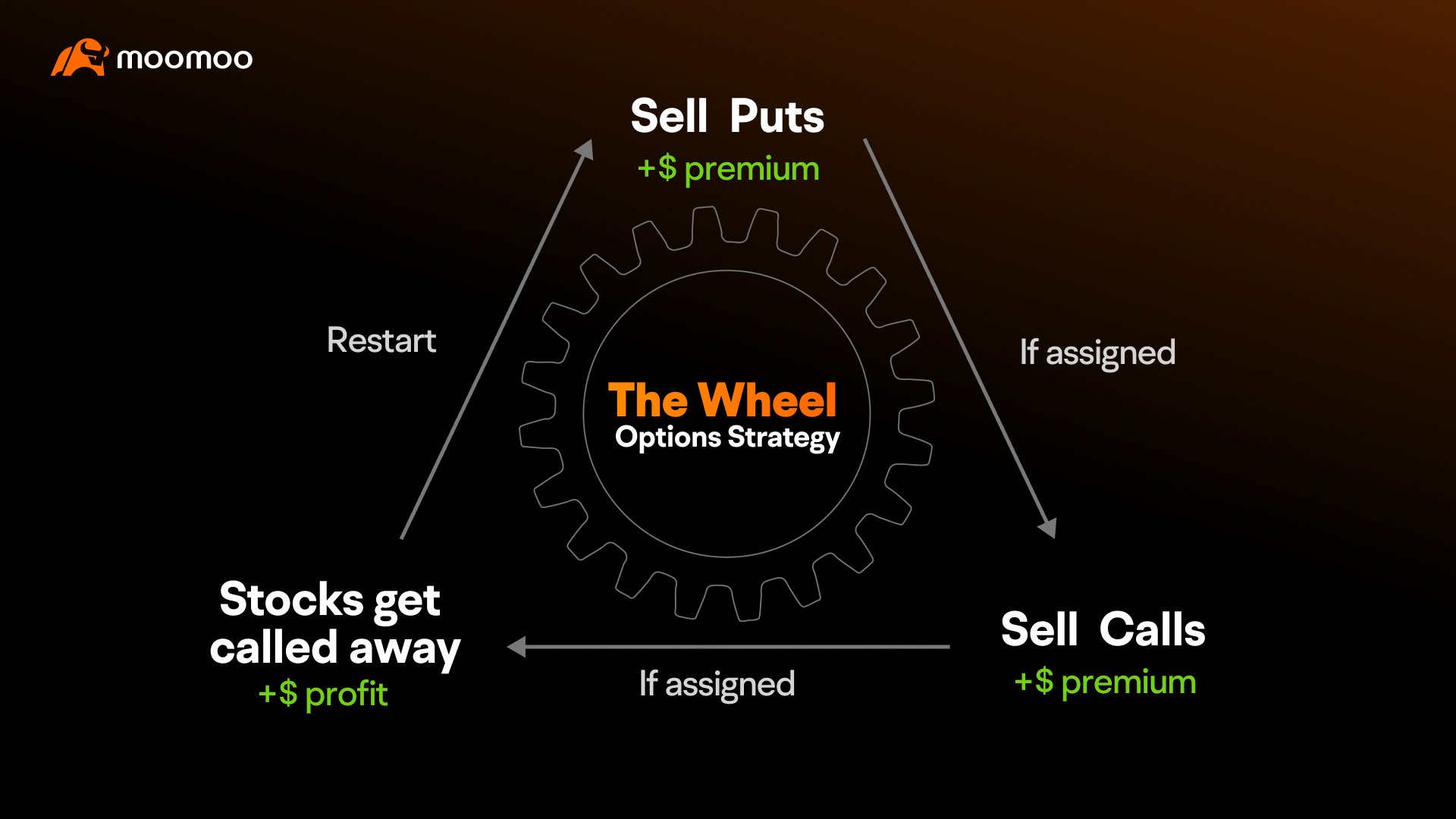
The Wheel Strategy is a systematic options trading approach that some investors use to generate recurring income while acquiring stocks at a potential discount. By following a structured three-step process—selling cash-secured puts, acquiring shares (if assigned), and selling covered calls—investors can potentially create a cycle of premium collection while managing stock ownership.
This strategy is particularly attractive to long-term investors who want to generate passive income while maintaining exposure to stocks or ETFs.
Let’s break down how it works.
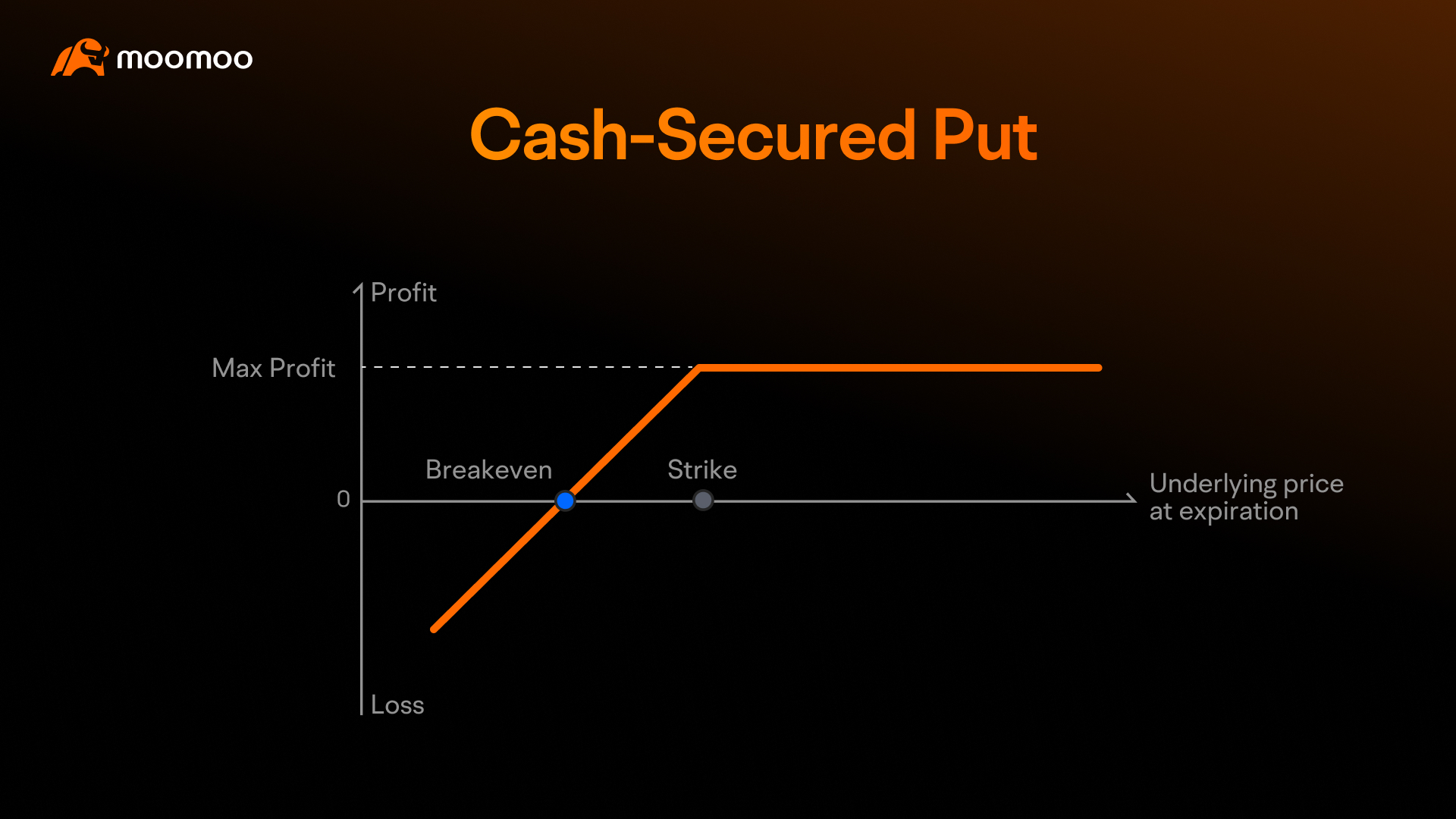
1. Step 1: Selling a Cash-Secured Put
The strategy begins with selling a cash-secured put on a stock you’d like to own. By doing so, you agree to buy 100 shares at the selected strike price if the option is assigned.
Choosing the Right Strike Price
One of the most important decisions when selling a put is selecting the strike price. This determines the price at which the investor is obligated to buy the stock if assigned.
At-the-Money (ATM) Put: This option has a strike price close to the current stock price. It provides a higher premium but has a higher chance of assignment. Investors who are willing to accept potential assignment while collecting higher premium income may consider this choice.
Out-of-the-Money (OTM) Put: This option has a strike price below the current stock price. It provides a lower premium but also has a lower chance of assignment unless the stock price declines. This may appeal to investors looking to generate premium income and potentially acquire shares at a lower effective price.
Selecting the Expiration Date
The expiration date affects the premium received and the likelihood of assignment.
Short-Term Expiration (1-2 weeks): Offers a lower premium but allows for faster reinvestment in new trades. This is sometimes preferred by active traders who want to repeat the cycle quickly.
Long-Term Expiration (1+ month): Provides a higher premium but ties up capital for a longer period. Investors who don’t mind waiting may find this appealing.
What Happens at Expiration?
At expiration, there are two possible outcomes:
If the stock price remains above the strike price, the option expires worthless, and the investor keeps the premium as profit. Since no shares are assigned, they can immediately sell another put to continue earning income.
If the stock price drops below the strike price, the investor is assigned 100 shares at that price. However, because they collected the premium upfront, their effective purchase price is actually lower than the strike price. At this point, they now own the stock and move on to the next step in the Wheel Strategy - selling covered calls to generate additional income while holding the stock.
Key Consideration: Ensure you are comfortable owning 100 shares at the selected strike price before selling the put.
2. Step 2: Owning the Stock (If Assigned)
If the put option is exercised, the investor now owns 100 shares at the strike price. At this stage, they have two choices:
Sell the shares immediately for a profit or loss, depending on market conditions.
Sell a covered call to generate additional income while holding the stock.
For investors following the Wheel Strategy, the preferred approach is to sell a covered call, which brings us to the next step.
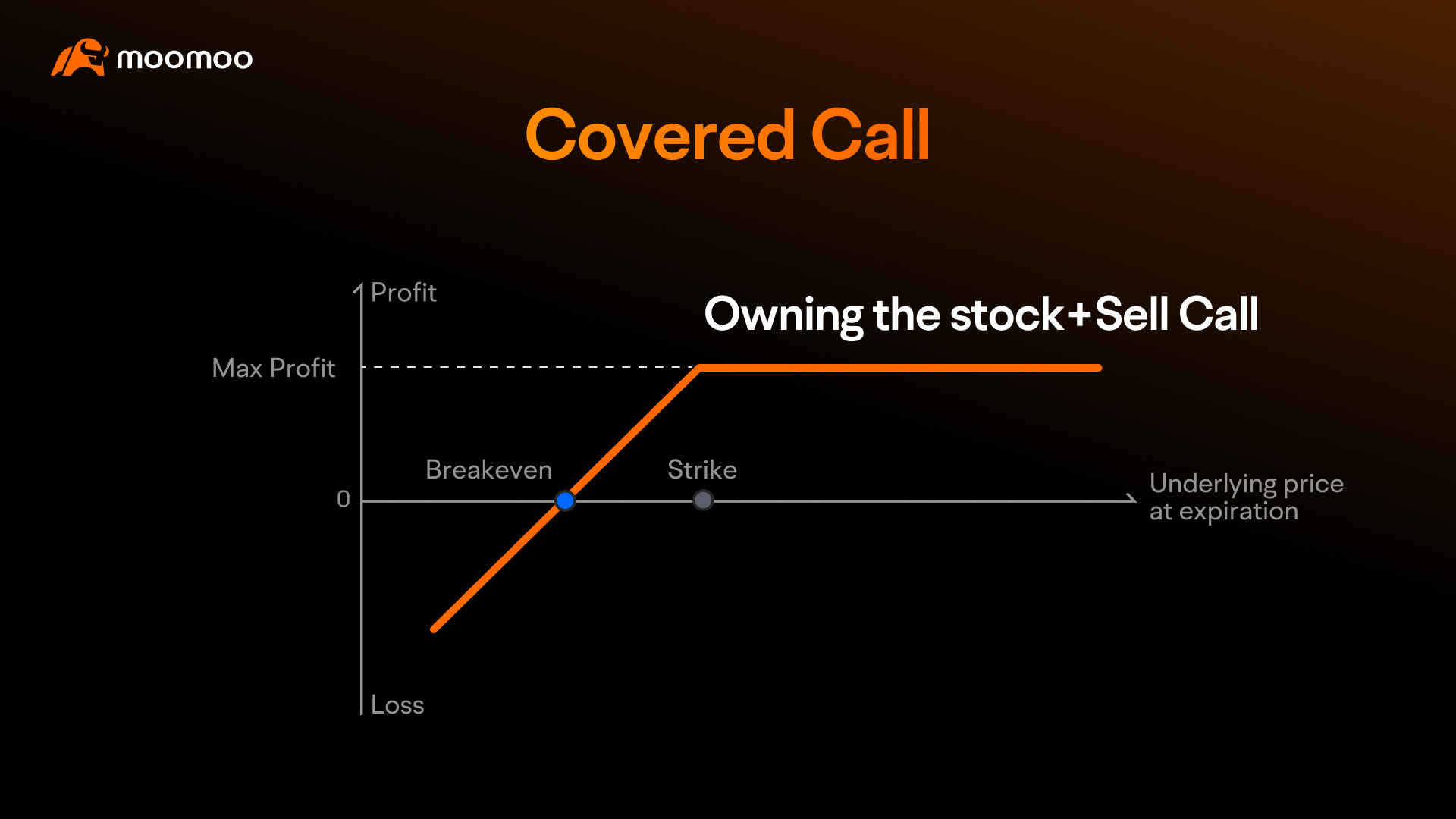
3. Step 3: Selling a Covered Call
Once the investor owns the stock, they can sell a covered call to generate income while holding it. This means they agree to sell the shares at a certain price if the call is exercised. In return, they receive a premium.
Selling a covered call provides two benefits: premium income and a structured exit strategy if the stock price rises. However, it’s important to carefully choose the strike price and expiration date.
Choosing the Right Strike Price
At-the-Money (ATM) Call: Provides a higher premium, but has a higher chance of assignment. This can be attractive for investors who are ready to sell the stock if assigned.
Out-of-the-Money (OTM) Call: Offers a lower premium, but has a lower chance of assignment. Investors who prefer to generate income while reducing the likelihood of selling their shares may choose this strategy.
Selecting the Expiration Date
Similar to selling puts, the expiration date affects the premium and investment timeline:
Short-Term Expiration (1-2 weeks): Provides a lower premium, but allows for faster reinvestment in new trades.
Long-Term Expiration (1+ month): Offers a higher premium, but ties up capital for a longer period.
What Happens at Expiration?
If the stock stays below the call strike price, the option expires worthless, and the investor keeps the premium while retaining the shares. They can then sell another call to continue generating income.
If the stock price rises above the strike price, the investor’s shares are sold at the agreed price. They still keep the premium and any gains from stock appreciation up to the strike price, completing the cycle.
4. Example: Applying the Wheel Strategy
Let’s walk through a hypothetical example with XYZ Corp to see the strategy in action.
Step 1: Selling a Cash-Secured Put
Stock Price: $105
Strike Price: $100
Expiration: 2 weeks
Premium Collected: $3 per share ($300 total for 1 contract)
Outcome 1: Put Expires Worthless
Stock stays above $100, so the investor keeps the $300 premium.
Return = Premium Collected / Capital at Risk
Return Calculation: $300 / $10,000 = 3% in 2 weeks
If the investor repeats this trade with similar conditions, they continue earning income.
Outcome 2: Put Gets Assigned
Stock drops below $100, so the investor must buy 100 shares at $100.
Effective cost per share: $100 - $3 = $97 cost basis
The investor now owns 100 shares at an adjusted cost basis of $97 per share, which serves as their new breakeven price.
Step 2: Selling a Covered Call
Now that the investor owns 100 shares, they sell a covered call:
Stock Price: $105
Strike Price: $110
Expiration: 2 weeks
Premium Collected: $2 per share ($200 total for 1 contract)
Outcome 1: Call Expires Worthless
Stock stays below $110, so the investor keeps the $200 premium.
Return Calculation: $200 / $9,700 = 2.06% in 2 weeks
The investor can continue generating premium income by selling another covered call.
Outcome 2: Call Gets Assigned
Stock rises above $110 at expiration, so the investor is required to sell their shares at $110 per share.
Total Profit Calculation:
Capital Gain: $13 per share ($1,300 total)
Call Premium Collected: $200
Total Profit: $1,500
Return Calculation: $1,500 / $9,700 = 15.46%
After selling the stock, the investor can restart the Wheel by selling another cash-secured put to potentially repurchase shares at a lower price.
5. Pros and Cons of the Wheel Strategy
Pros:
Generates Consistent Income – The strategy involves continuously collecting premiums from selling options potentially, creating a steady income stream.
Acquires Stocks at a Discount – Selling cash-secured puts allows investors to buy stocks at a lower effective price compared to buying them outright due to the premium received.
Structured Exit Strategy – Selling covered calls can encourage a disciplined approach to selling shares if assigned, locking in gains up to the strike price but caps further appreciation.
Works Well in Neutral or Moderately Bullish Markets – The strategy benefits from stable or rising stock prices, as it allows investors to collect premiums and potentially sell shares at a gain.
Lower Risk Than Uncovered Options – Since both the put and call options are secured by cash or stock, there’s no risk of unlimited losses, unlike naked options selling.
Cons:
Capital Intensive – Investors need sufficient capital to secure puts and hold 100-share lots, which can limit diversification.
Limited Upside Potential – If the stock price surges significantly, covered calls cap potential profits, as shares must be sold at the strike price.
Assignment Risk – Investors must be prepared to buy 100 shares per contract if the put is assigned, which could be problematic if the stock declines significantly.
Not Ideal in Bearish Markets – If the stock price keeps dropping, the investor may be stuck holding shares at a loss or selling covered calls at lower strike prices.
Requires Active Management – The strategy involves continuously rolling options and making decisions on strike prices and expirations, which requires time and effort.
Stock Selection is Crucial – Although this is a structured strategy, investors still need to choose the right stocks. If a poor-quality stock is selected, the investor may end up holding a losing position.
Strike Price Selection Matters – Investors must carefully choose the right strike price when selling options. This decision can be based on different approaches, such as technical analysis (volatility, support/resistance levels) or fundamental analysis (intrinsic value, company outlook). The key is to align the strike price with their risk tolerance and strategy objectives.
6. Conclusion
The Wheel Strategy is a structured and approach that some investors use to generate recurring income while potentially acquiring stocks at a potential discount. By utilizing the three-part strategy—selling cash-secured puts, acquiring shares if assigned, and selling covered calls—investors can potentially create a cycle of premium collection and stock ownership management.
While this strategy works best in neutral or moderately bullish markets, it requires careful planning and active management to select appropriate strike prices and expiration dates. Investors should always assess their risk tolerance and ensure they are comfortable owning 100 shares of the underlying stock before executing the strategy.
Disclaimer
Options trading entails significant risk and is not appropriate for all customers. It is important that investors read Characteristics and Risks of Standardized Options before engaging in any options trading strategies. Opening new options positions close to or on their expiration date comes with substantial risk of losses for reasons that include potential volatility of the underlying security and limited time to expiration. Options transactions are often complex and may involve the potential of losing the entire investment in a relatively short period of time. Certain complex options strategies carry additional risk, including the potential for losses that may exceed the original investment amount. Positions may also be subject to margin requirements, early assignment, or liquidity constraints. Supporting documentation for any claims, if applicable, will be furnished upon request.Moomoo Technologies Inc., Moomoo Financial Inc., Moomoo Financial Singapore Pte. Ltd., Moomoo Securities Australia Limited and Moomoo Financial Canada Inc., and Moomoo Securities Malaysia Sdn. Bhd.are affiliated companies.
Options trading subject to eligibility requirements. Strategies available will depend on options level approved. Margin trading entails greater risk, including, but not limited to, risk of loss and incurrence of margin interest debt, and is not suitable for all investors. Please assess your financial circumstances and risk tolerance before trading on margin. Rolling involves closing an existing position and realizing gains or losses, while also opening a new position. Rolling options doesn’t ensure a profit or guarantee against a loss. You may also end up compounding your losses. By rolling out, the duration is extended, which can also increase risks as there’s more time for the underlying security’s price to move unfavorably.
Moomoo will automatically liquidate the options upon expiration only in cases where the account meets margin requirements, and it is important to verify that this applies to your account. Liquidation is not guaranteed, and investors should monitor their positions closely
This presentation is for informational and educational use only and is not a recommendation or endorsement of any particular investment or investment strategy. Investment information provided in this content is general in nature, strictly for illustrative purposes, and may not be appropriate for all investors. It is provided without respect to individual investors’ financial sophistication, financial situation, investment objectives, investing time horizon, or risk tolerance. You should consider the appropriateness of this information having regard to your relevant personal circumstances before making any investment decisions. Past investment performance does not indicate or guarantee future success. Returns will vary, and all investments carry risks, including loss of principal. Moomoo makes no representation or warranty as to its adequacy, completeness, accuracy or timeliness for any particular purpose of the above content.
Moomoo is a financial information and trading app offered by Moomoo Technologies Inc.
In the U.S., investment products and services available through the moomoo app are offered by Moomoo Financial Inc., a broker-dealer registered with the U.S. Securities and Exchange Commission (SEC) and a member of Financial Industry Regulatory Authority (FINRA)/Securities Investor Protection Corporation (SIPC).
In Australia, financial products and services available through the moomoo app are provided by Moomoo Securities Australia Limited, an Australian Financial Services Licensee (AFSL No. 224663) regulated by the Australian Securities and Investment Commission (ASIC). Please read and understand our Financial Services Guide, Terms and Conditions, Privacy Policy, Options PDS, Target Market Determination and other disclosure documents which are available on our website https://www.moomoo.com/au.
In Canada, order-execution only services available through the moomoo app are provided by Moomoo Financial Canada Inc., regulated by the Canadian Investment Regulatory Organization (CIRO).
In Malaysia, investment products and services available through the moomoo app are offered through Moomoo Securities Malaysia Sdn. Bhd.("Moomoo MY") regulated by the Securities Commission of Malaysia (SC). Moomoo Securities Malaysia Sdn. Bhd.is a Capital Markets Services Licence (License No. eCMSL/A0397/2024) holder. This advertisement has not been reviewed by the SC.
This presentation is for informational and educational use only and is not a recommendation or endorsement of any particular investment or investment strategy. Investment information provided in this content is general in nature, strictly for illustrative purposes, and may not be appropriate for all investors. Read more