
Moomoo Insights
Jul 16 15:38
TSMC Earnings: AI Demand Is Stronger Than the Chip Selloff Suggests
Moomoo Insights
Sep 30 05:04
Live Take | Anthropic’s $518B Compute Bet: Who Wins From the AI Buildout?
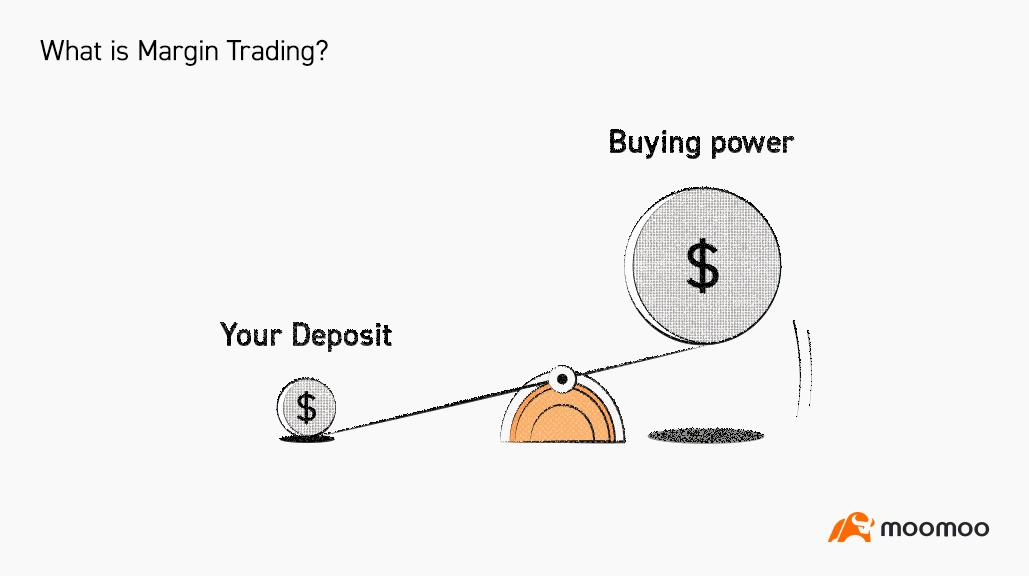
Margin trading is a powerful tool that can amplify an investor's potential returns, but it also comes with significant risks. In its simplest form, margin trading allows investors to borrow funds from a broker to trade more securities than they could with their own capital alone.
This guide provides an overview of margin trading, its mechanics, potential benefits, and risks.
Margin and margin trading are key concepts in investing and trading, particularly in the context of stocks, options, or other financial instruments. Margin refers to the amount of money an investor borrows from a brokerage firm to buy securities, such as stocks. It is essentially a loan that allows an investor to leverage their own funds to make larger investments.
Margin trading is the practice of borrowing money from a broker to trade financial assets. It allows investors to buy more securities than they could with their own funds alone, amplifying both potential returns and risks, due to the potential for increased losses.
There are several types of margin that investors should be aware of when trading on margin. Each type plays a different role in margin trading and helps define how much an investor can borrow or how much equity they need to maintain. Here are the key types of margin:
Minimum margin refers to the smallest amount of equity that an investor must have in their margin account in order to initiate or maintain a margin position. This amount is determined by the broker and may vary depending on the type of security, the broker's policies, or regulatory requirements.
This is the minimum amount of money or equity that an investor must deposit to open a margin position. It is typically expressed as a percentage of the total value of the trade.
For example, if an investor wants to buy $10,000 worth of stock and the broker requires a 50% minimum initial margin, the investor must deposit at least $5,000 of their own funds; the remaining $5,000 can be borrowed from the broker.
This is the minimum amount of equity an investor must maintain in their margin account after opening a position. It ensures that there is enough equity to cover potential losses. If the value of the investor's position drops too much, and their equity falls below the maintenance margin, the broker will issue a margin call.
For example, the FINRA minimum maintenance margin is 25% (Note: A broker's maintenance margin must be at least 25%) and the value of the investor’s position falls, they must ensure that their equity stays above this 25% threshold to meet FINRA's requirement or the broker's requirement if higher. If it drops below, they must deposit additional funds to meet the minimum margin requirement.
Another alternative for obtaining cash to meet the requirement is to exit other positions in your account to meet the required minimum.
Margin trading allows investors to borrow money from a broker to purchase securities by essentially using a loan to buy more investments than they could solely with their own cash. Here's how it works:
Open a margin account: Investors open a margin account with a broker, depositing an initial margin (typically a percentage of the total investment) to borrow funds.
Buy on margin: Investors can use both their funds and borrow money to purchase securities. For example, to buy $10,000 worth of stock, if an investor only has $5,000 of their own money, they can borrow the additional $5,000 from the broker.
Maintenance margin: Investors must maintain a certain equity level in their account (e.g., 25%). If the value of their securities drops too much, a margin call may occur.
Margin call: If the equity falls below the required margin, the broker demands more funds or the sale of securities to restore the account balance.
Interest on borrowed funds: Investors pay interest on borrowed funds (the margin rate), which can add up, especially for long-term positions.
Close positions: Investors can buy or sell (to close) their position in the securities. If they made a profit, they can repay the loan and keep the difference; if they incurred a loss, they must still repay the full loan.
Margin interest rates are the interest rates that investors pay on money they borrow from a broker to buy investments or execute trades.
Margin interest rates vary by brokerage firm and the amount of the loan. Interest is calculated daily on the amount borrowed and posted to the account monthly. To calculate it, you can multiply the amount borrowed by the interest rate, then divide that number by the number of days in a year.
Let’s say an investor wants to buy 100 shares of a stock priced at $100 per share.
The total cost of the purchase is $10,000 (100 shares x $100). The broker requires an initial margin of 50%, so the investor deposits $5,000 of their own money, and borrows $5,000 from the broker.
Price rise: If the stock price rises to $120 per share, the value of the investor’s position is now $12,000 (100 shares x $120). The investor sells the stock, repays the $5,000 loan, and keeps the remaining $7,000 (profit of $2,000).
Price decline: If the stock price falls to $80 per share, the value of the position drops to $8,000 (100 shares x $80). The investor still owes the broker $5,000. After repaying the loan, the investor is left with $3,000, resulting in a $2,000 loss. Please note calculations exclude margin interest and any commissions or fees.
A margin call is a demand from your broker to deposit more funds or sell some of your securities to restore the required minimum equity in your margin account. It occurs when the value of your investments drops, and your account equity falls below the broker's maintenance margin requirement.
This requires the investor to either deposit more funds or liquidate assets, and failure to meet the margin call can result in the broker selling your securities. The process highlights the risks of margin investing, especially when market conditions lead to significant losses.
Enables you to control a larger position than you could with your own capital alone. If your investment appreciates, you can earn higher returns than if you were only using your own funds.
Using margin allows you to buy more securities than you could if you only used your own capital. This can help you diversify your portfolio and potentially reduce risk by spreading your investments across different assets.
Potentially take advantage of more market opportunities. You may be able to buy stocks, options, or other securities, possibly enhancing your ability to benefit from favorable market conditions.
Allows short selling, where you borrow securities to sell them at today's prices, with the expectation that the price will fall. This strategy can be profitable when markets or individual stocks are expected to decline but it is also very risky.
Leverage: This can magnify both profits and losses, meaning a small market movement can lead to substantial losses if the trade goes against you. The ability to leverage your investment through margin borrowing can result in much larger potential losses than if you were trading with only your own capital.
If your investment value drops and your equity falls below the respective required maintenance margin (minimum 25%), the broker will issue a margin call. You'll need to deposit more funds or sell securities to restore the equity. Failing to meet the call may lead to forced liquidation at unfavorable prices.
When borrowing on margin, you must pay interest on the amount you borrow. These interest payments can erode your profits, especially if you hold the margin loan for a long time. The longer you carry a margin loan, the more you’ll pay in interest.
Brokers have the right to liquidate your positions if they believe that the value of your account has fallen too much or if you're unable to meet a margin call. This could lead to selling investments at a loss during volatile or unfavorable market conditions.
In highly volatile or declining markets, the risk of margin calls and forced liquidation increases. A sharp drop in the value of your investments can trigger margin calls, and if you don’t have sufficient funds to cover the shortfall, the broker may sell assets, potentially at a loss.
Margin trading may be appropriate for experienced investors looking to leverage opportunities in the market, especially in bull markets, for short-term trades, or to diversify. However, it’s not suitable for everyone, particularly inexperienced investors, those with low risk tolerance, or those investing for the long term.
The risks of margin calls, high borrowing costs, and amplified losses mean that margin trading should be approached with caution, a solid understanding of the market, and careful risk management strategies.
Yes, you can make money from margin trading, but it's also possible to lose more than you invest. The SEC warns that margin accounts are riskier than cash investments and may not be suitable for everyone, as you could lose more than your initial investment.
Margin trading can increase profits if investments perform well, allowing you to earn more than with just your own money. However, it also carries the risk of losing more than you invested if the market moves against you. You may need to sell securities at a loss to repay the loan, and interest on borrowed funds can add to the cost.
Yes, margin trading is considered high-risk. Here's why:
Margin trading increases your buying power, which can lead to higher profits, but also larger losses if the market moves against you, potentially exceeding your initial investment.
If your investment value drops too much, you may be required to deposit more money or sell assets. Failing to do so could result in liquidation at a loss and leave you with a debt.
Borrowing funds incurs interest, which can add up over time, reducing profitability, especially with long-held positions.
Margin trading exposes you to the magnified impact of market fluctuations, where even small changes can significantly affect your portfolio.
And remember, it's important to approach margin trading with caution and only use it if you understand the risks involved.
Stocks bought on margin can be held for as long as you want, but you need to continue to meet the required margin maintenance levels and pay the interest on the borrowed funds; there is no set time limit, but if your account falls below the margin requirement, your broker may issue a margin call, requiring you to deposit cash or sell some of your holdings to meet the necessary equity level.
Short selling is a form of margin trading which involves borrowing to create leverage to potentially amplify returns, the key difference is that short selling involves selling borrowed shares that you don't own, aiming to profit if the stock price falls; essentially speculating on a decline in the stock price.
When short selling, there is no limit on how high a stock price could rise, so the potential loss is unlimited. Other risks include dividend risk and margin risk. This strategy is not appropriate for all investors.
This presentation is for informational and educational use only and is not a recommendation or endorsement of any particular investment or investment strategy. Investment information provided in this content is general in nature, strictly for illustrative purposes, and may not be appropriate for all investors. Read more
Recommend
How to Trade Volatility: Strategies & Tips for Success

How to File Taxes: 6 Steps for Beginners

Best AI Stock Trading Tools on moomoo Trading App

What is Algorithmic Trading | Benefits, Strategies & Future Trends
How to Diversify Your Portfolio: 6 Strategies to Consider
How to Invest in Dividend Stocks for Beginners
How to Invest in DeepSeek Stock: Easy Steps to Follow
How to Invest in Silver for Beginners
Meme Stocks: Definition, Examples, and Impact on the Market
What is an ACH Transfer: Definition, Types & Benefits
Stop-Limit Order: What it is in Stocks
How to Invest In OpenAI Stock in 2026
Fractional Shares: Definition & How to Buy
Cash Accounts: What Are They and How Do They Work
What Are International Stocks & American Stocks?
Margin Account vs Cash Account: Which is Right for You?
Volatility: Definition in Finance and How to Calculate
What is a Brokerage Account: Definition and How to Open
What Are Bitcoin ETFs and How to Trade
How to Transfer Stocks From One Broker to Another
New "T+1" Settlement Cycle | What You Need to Know
SEC Form 13F: Definition, Filling Requirements, and Examples
How to Choose a Good Online Brokerage for Stock Trading
Bitcoin Futures: What Are They and How to Invest
What Is 403(b) Plan? How Does It Work
Price Action Trading: A Guide to Understanding the Basics
Margin Trading: Strategies, Benefits, and Risks
How to Invest in Index Funds for Beginners
Pre-Market and After-Hours Trading: Definition & How It Works
What is the Stock Market: Key Concepts and Functions
Common Stock: Definition, Benefits, and vs. Preferred Stock
Stock Dividends vs. Capital Gains: What You Need to Know
What Is a Stock Split - Definitions, How It Works, & Examples
Institutional Investors: Definitions & How They Invest
How to Invest in the S&P 500 for Beginners
The Impacts of ChatGPT on the Stock Market
ETFs vs. Mutual Funds
How to Practice Trading Stocks with a Free Demo Account?
The Basics of Financial Literacy: Why You Should Care
Stocks vs. Bonds
Choosing the Best Trading Platform for You — moomoo vs. Webull vs. Robinhood
The Consumer Price Index (CPI) Explained For Investors
How to Use moomoo Paper Trading Online?
What Is the Price-to-Sales (P/S) Ratio?
What Is a Quarterly Report?
What Is the Price-to-Book (P/B) Ratio?
Margin Account Explained: Definition, Benefits, and How to Use It
What Is A 10-K?
What Is SEC Form 10-Q?
What Is Ethical Investing
What Is Earnings Season
What Is Socially Responsible Investment (SRI)?
What Is a Stop Order?
Reading the Annual Report
What Is Open Trade Equity (OTE)?
What Is Impact Investing
How to Use moomoo Paper Trading
What Is a Limit Order?
Margin Trading: How It Works, Risks and Benefits
What Is Initial Margin?
How to Invest in Stocks: From Basic to Advanced
Stock Market Courses that Seek to Empower Investment Goals
How Can You Calculate Margin Interest?
What is Intraday?
Retail Investors vs. Institutional Investors: What You Need to Know
What are Cyclical stocks?
How to Buy Stocks Online without A Broker
How to Trade Volatility: Strategies & Tips for Success
How to File Taxes: 6 Steps for Beginners
Best AI Stock Trading Tools on moomoo Trading App
What is Algorithmic Trading | Benefits, Strategies & Future Trends
How to Diversify Your Portfolio: 6 Strategies to Consider
How to Invest in Dividend Stocks for Beginners
How to Invest in DeepSeek Stock: Easy Steps to Follow
How to Invest in Silver for Beginners
Meme Stocks: Definition, Examples, and Impact on the Market
What is an ACH Transfer: Definition, Types & Benefits
Stop-Limit Order: What it is in Stocks
How to Invest In OpenAI Stock in 2026
Fractional Shares: Definition & How to Buy
Cash Accounts: What Are They and How Do They Work
What Are International Stocks & American Stocks?
Margin Account vs Cash Account: Which is Right for You?
Volatility: Definition in Finance and How to Calculate
What is a Brokerage Account: Definition and How to Open
What Are Bitcoin ETFs and How to Trade
How to Transfer Stocks From One Broker to Another
New "T+1" Settlement Cycle | What You Need to Know
SEC Form 13F: Definition, Filling Requirements, and Examples
How to Choose a Good Online Brokerage for Stock Trading
Bitcoin Futures: What Are They and How to Invest
What Is 403(b) Plan? How Does It Work
Price Action Trading: A Guide to Understanding the Basics
Margin Trading: Strategies, Benefits, and Risks
How to Invest in Index Funds for Beginners
Pre-Market and After-Hours Trading: Definition & How It Works
What is the Stock Market: Key Concepts and Functions
Common Stock: Definition, Benefits, and vs. Preferred Stock
Stock Dividends vs. Capital Gains: What You Need to Know
What Is a Stock Split - Definitions, How It Works, & Examples
Institutional Investors: Definitions & How They Invest
How to Invest in the S&P 500 for Beginners
The Impacts of ChatGPT on the Stock Market
ETFs vs. Mutual Funds
How to Practice Trading Stocks with a Free Demo Account?
The Basics of Financial Literacy: Why You Should Care
Stocks vs. Bonds
Choosing the Best Trading Platform for You — moomoo vs. Webull vs. Robinhood
The Consumer Price Index (CPI) Explained For Investors
How to Use moomoo Paper Trading Online?
What Is the Price-to-Sales (P/S) Ratio?
What Is a Quarterly Report?
What Is the Price-to-Book (P/B) Ratio?
Margin Account Explained: Definition, Benefits, and How to Use It
What Is A 10-K?
What Is SEC Form 10-Q?
What Is Ethical Investing
What Is Earnings Season
What Is Socially Responsible Investment (SRI)?
What Is a Stop Order?
Reading the Annual Report
What Is Open Trade Equity (OTE)?
What Is Impact Investing
How to Use moomoo Paper Trading
What Is a Limit Order?
Margin Trading: How It Works, Risks and Benefits
What Is Initial Margin?
How to Invest in Stocks: From Basic to Advanced
Stock Market Courses that Seek to Empower Investment Goals
How Can You Calculate Margin Interest?
What is Intraday?
Retail Investors vs. Institutional Investors: What You Need to Know
What are Cyclical stocks?
How to Buy Stocks Online without A Broker

