This strategy helps you balance hot trends with risk reduction
Key Takeaways
"Core" assets: the main allocation
-Pursuing steady returns;
-Bond ETFs and index ETFs are mainstream choices.
"Satellite" assets: supplementary allocations
-Pursuing higher returns;
-Hot stocks and thematic ETFs are mainstream choices.
Today, let's explore a simple yet effective investment strategy: the core-satellite approach.
Originating in the 1990s and popularized by financial powerhouses like Vanguard and Barclays, this strategy is designed to balance risk and reward while giving you the freedom to invest in your favorite hot stocks.
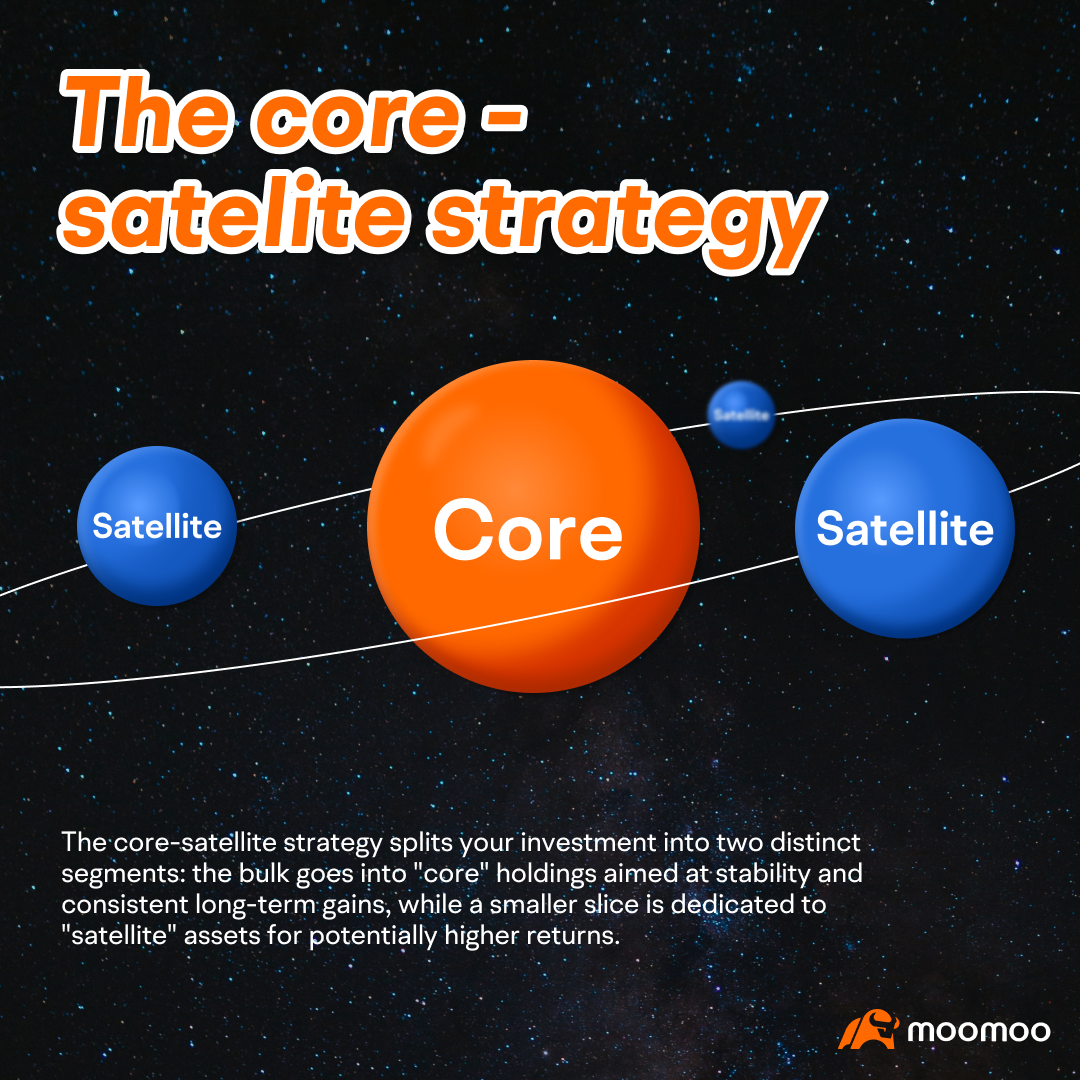
What is the "core-satellite" strategy?
Let’s dive into an example. Suppose we've built an investment portfolio like this:
80% position: $iShares Core US Aggregate Bond ETF (AGG.US)$
20% position: $NVIDIA (NVDA.US)$, $Tesla (TSLA.US)$ , $Futu Holdings Ltd (FUTU.US)$ , and $iShares Bitcoin Trust (IBIT.US)$ each 5%
This portfolio adopts a 'Core-Satellite' strategy, as it possesses the following characteristics:
80% bond ETFs serve as core assets for stability.
20% risky assets serve as satellite assets for potential higher returns.
While this strategy seems simple and easy, its impact should not be underestimated. The 'Core-Satellite' portfolio balances stability and flexibility, making it a well-rounded allocation.
Next, we'll explore how to customize your own core-satellite portfolio to suit your unique investment preferences.
How to build a core-satellite portfolio
We can refer to the guidelines below to choose our preferred assets:
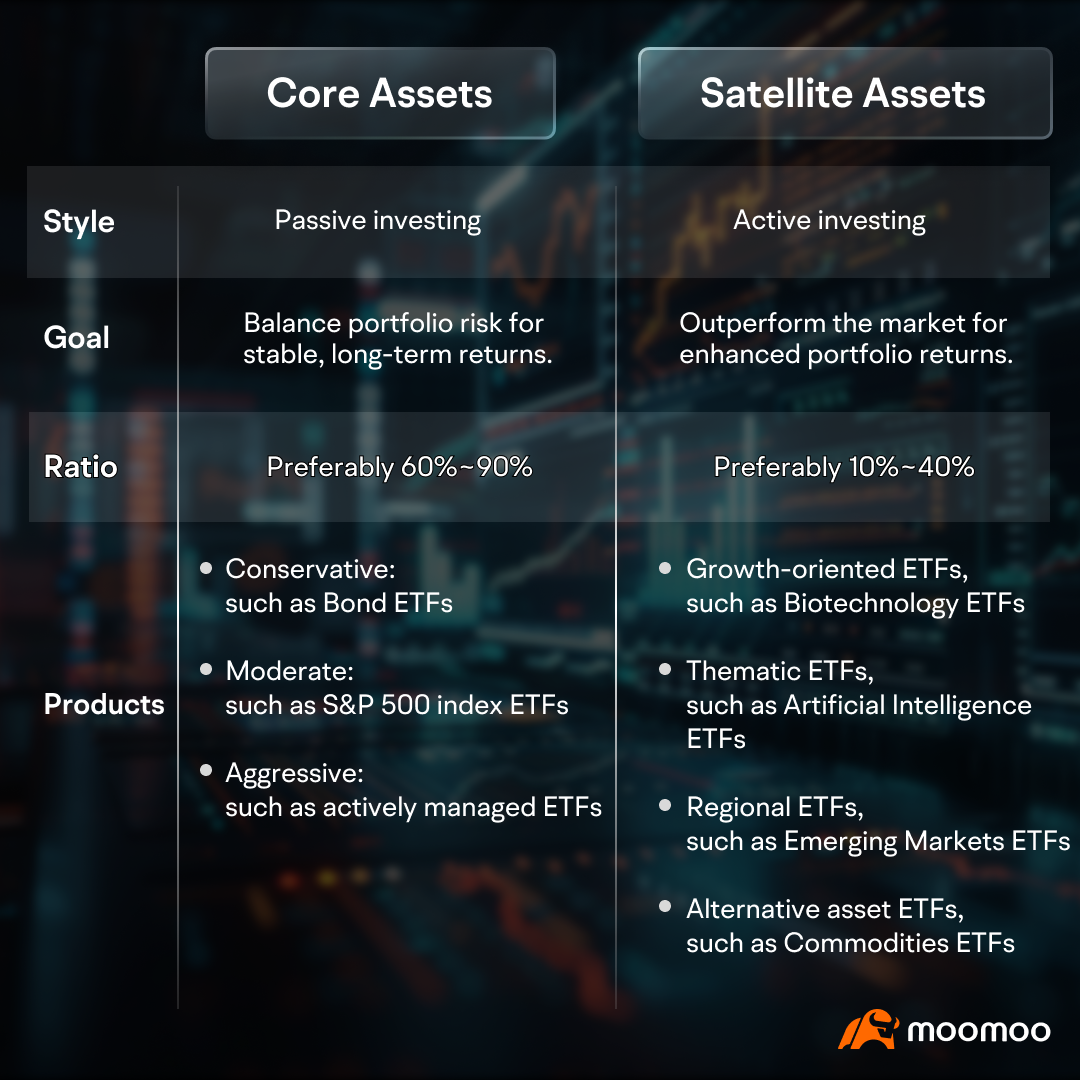
1. Core assets
When selecting core assets, one should choose those with low volatility and minimal long-term risk.
Bond ETFs are a popular choice for many, as they exhibit lower volatility and provide stable dividend income.
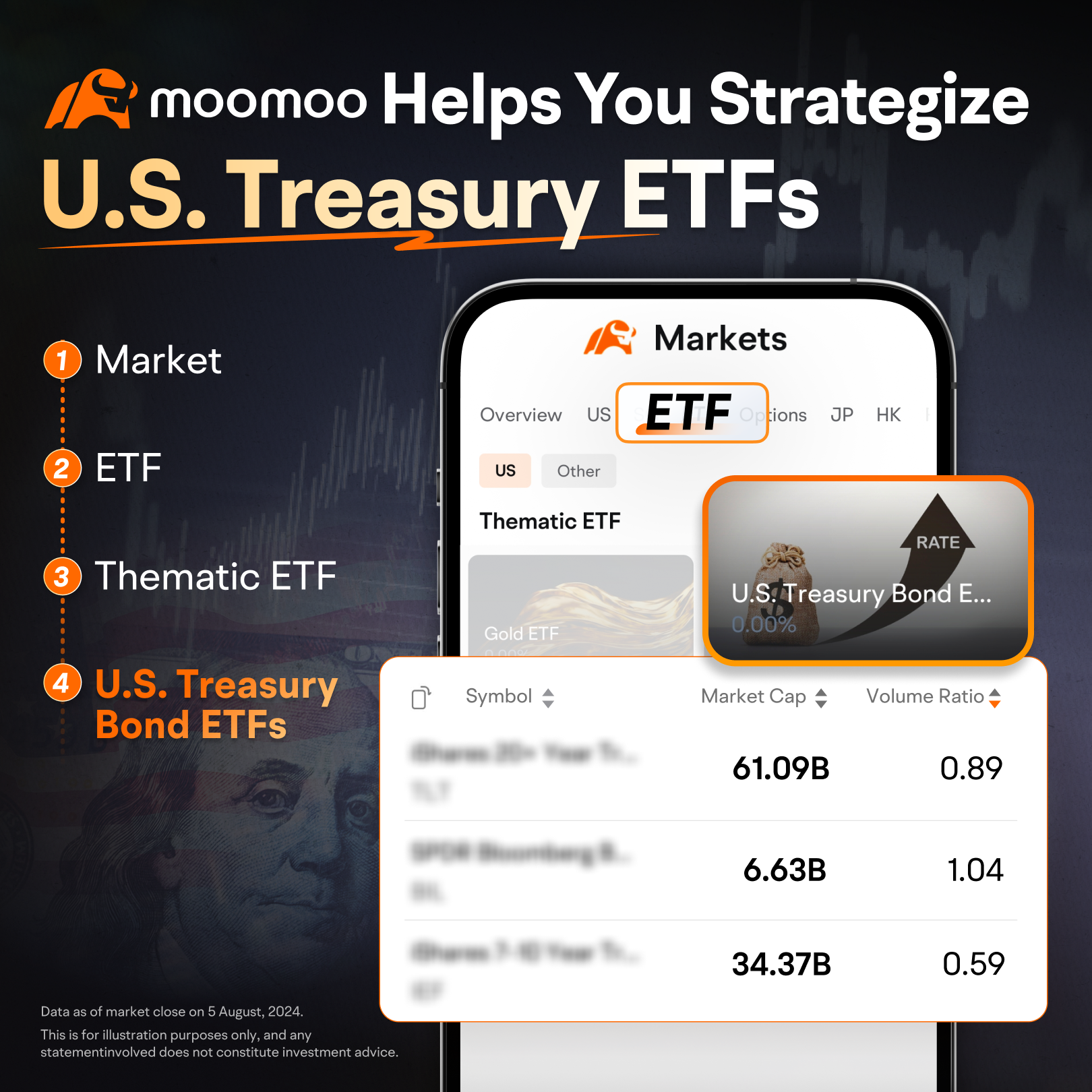
Another mainstream choice is broad-based index ETFs, as they have a long-term upward trend and exhibit less volatility than individual stocks. Over the past decade, the S&P 500 index has had a compound annual growth rate of 11%.
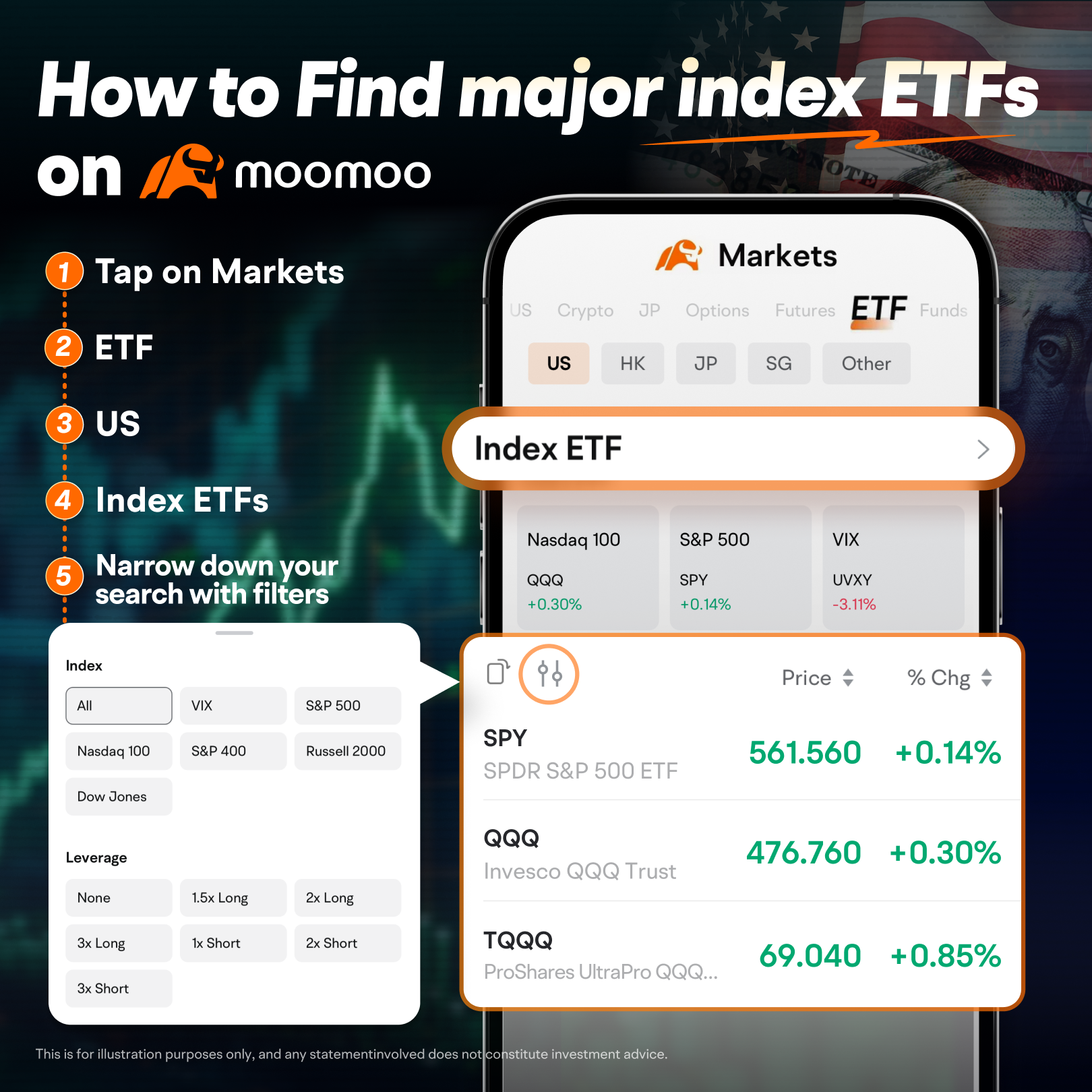
It's possible to diversify by pairing multiple core assets rather than choosing just one. For example, a portfolio could consist of 50% bond ETFs and 50% broad-based index ETFs. Investors can adjust the proportions based on their preferences.
2. Satellite assets
For satellite assets, there are many options, with some mainstream choices being:
Hot stocks: e.g. NVDA, TSLA
Thematic ETFs: e.g. AI ETFs, gold ETFs and Bitcoin ETFs (For more information and analysis on thematic ETFs, please refer to: How ETFs Can Help Capture Trending Themes)
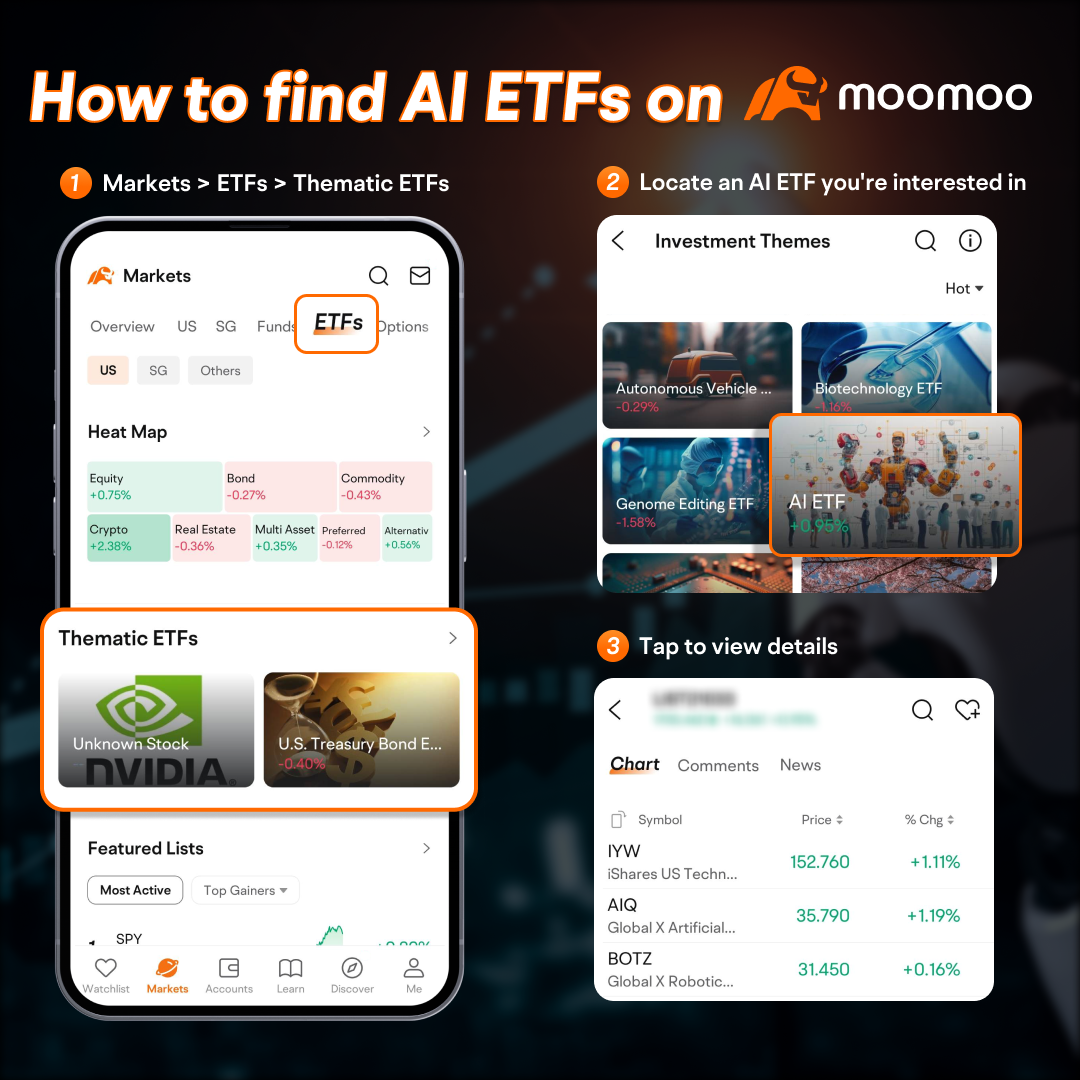
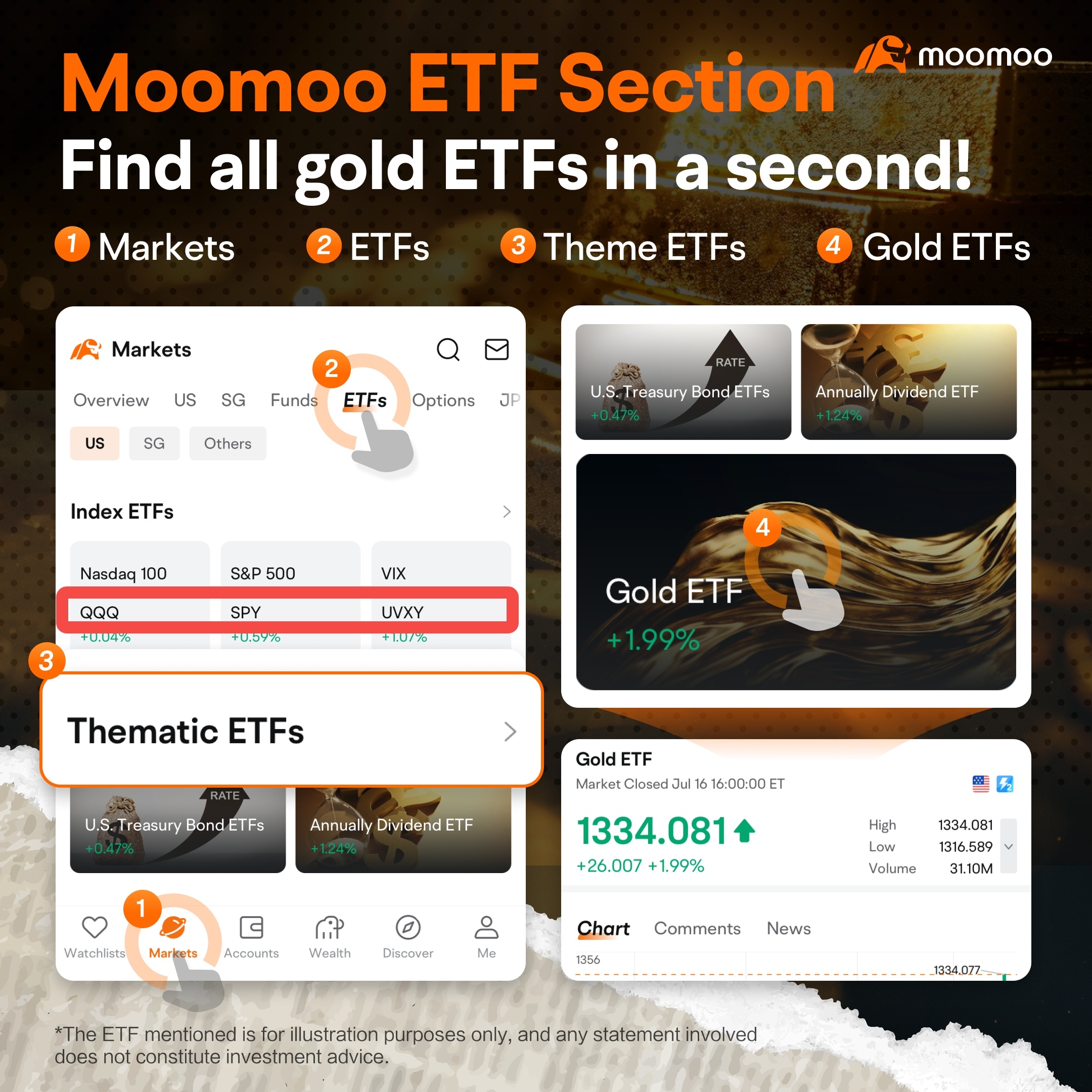
Core assets are best held steadily, while satellite assets allow for tactical shifts, highlighting one key aspect: flexibility.
Are you wondering if the strategy actually works? Let's build a mock portfolio and perform a data backtest.
Case study
1. Simulated portfolio overview
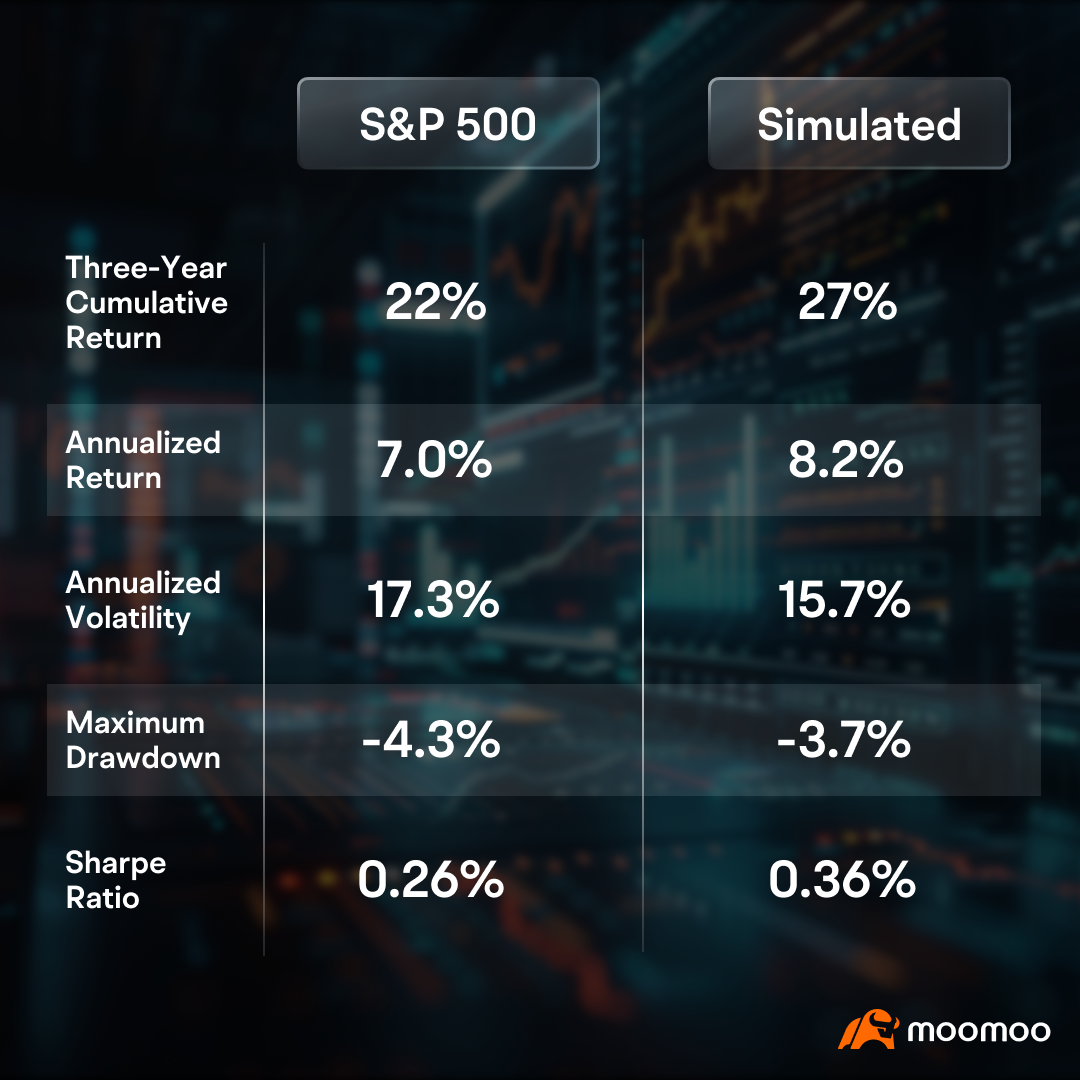
Testing Period: Conduct backtesting from April 30, 2021, to April 29, 2024, over three years.
Markets Covered: U.S.
Rebalancing: Assume a static allocation with no rebalancing during the three-year period.
Benchmark: S&P 500 Index
Core Assets: Allocate 60% to an S&P 500 index ETF.
Satellite Assets: Diversify 10% each into a gold ETF, a REIT ETF, a crude oil ETF, and an autonomous driving ETF.
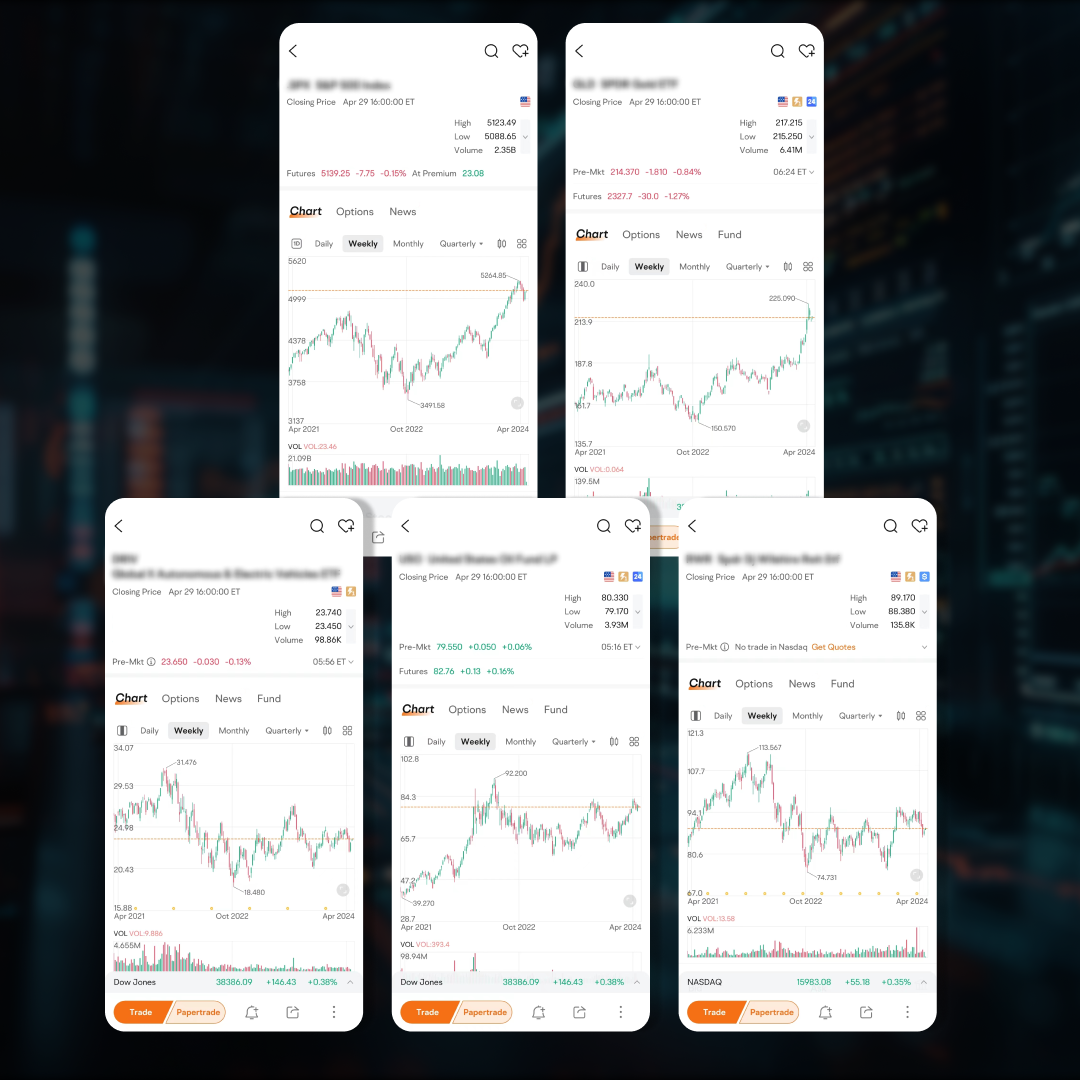
2. Backtesting results
3. Backtesting analysis
Our analysis indicates that the simulated core-satellite portfolio has delivered higher returns with lower volatility, contributing in a higher Sharpe ratio. The results suggest a favorable core-satellite strategy.
Summary
In short, core-satellite strategy is flexible and practical, making it an excellent approach for asset allocation. Additionally, ETFs are a very useful tool when constructing a core-satellite portfolio.
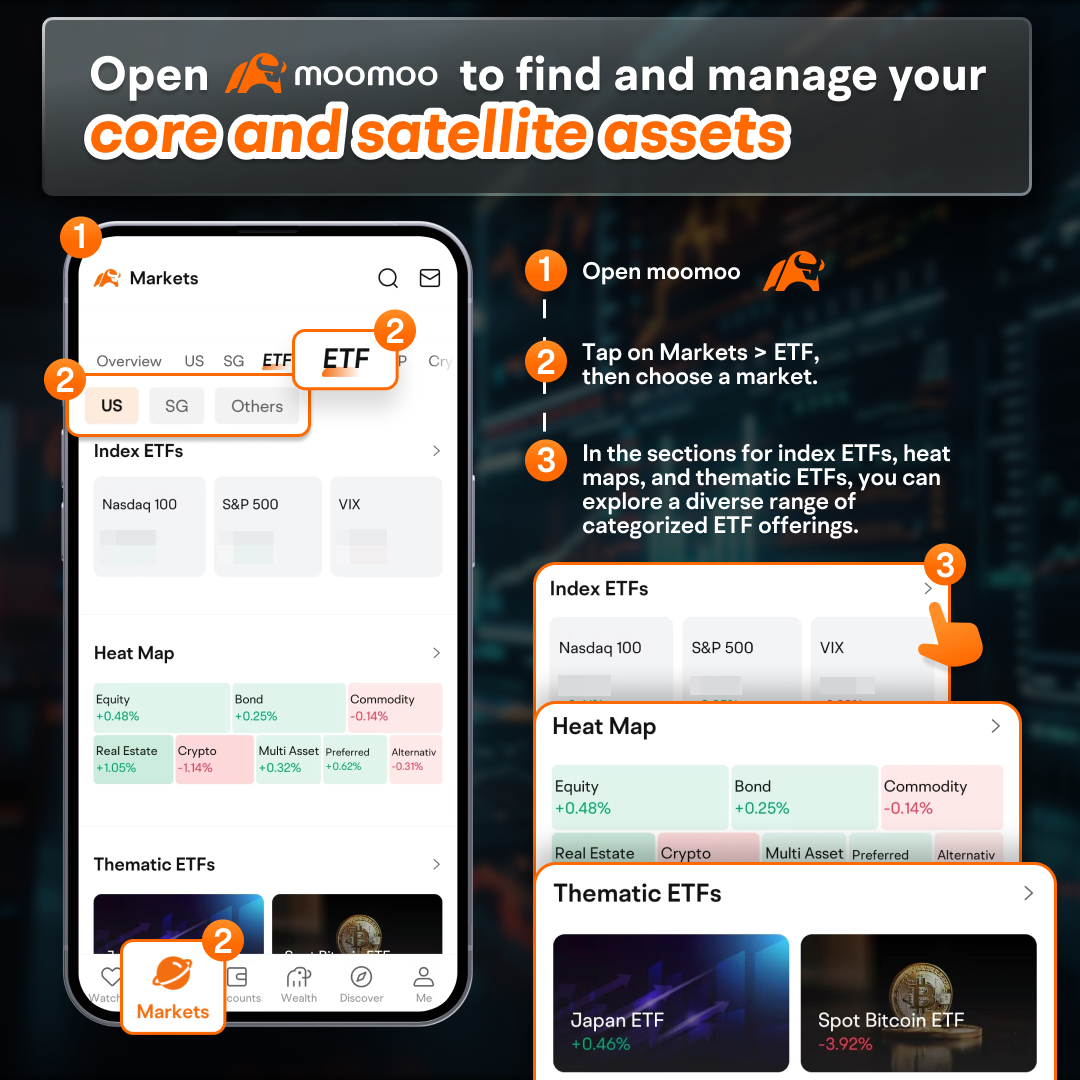
Would you like to give this strategy a go? Open moomoo to find and manage your core and satellite assets!
This presentation is for informational and educational use only and is not a recommendation or endorsement of any particular investment or investment strategy. Investment information provided in this content is general in nature, strictly for illustrative purposes, and may not be appropriate for all investors. Read more