
Moomoo Insights
Jul 16 15:38
TSMC Earnings: AI Demand Is Stronger Than the Chip Selloff Suggests
Moomoo Insights
Sep 30 05:04
Live Take | Anthropic’s $518B Compute Bet: Who Wins From the AI Buildout?
Imagine the market as a vast ocean where massive institutional investors are the giant whales and individual retail investors are the small fish swimming alongside.
With their immense resources and information, these big players likely have an edge in raking in returns. But let's be real—they also have the potential to manipulate the market.
To keep things transparent, the U.S. regulators require big institutions to open their books to the public every quarter through what's known as the 13F filings.
This means you can take a closer look at the moves of investment legends like Warren Buffett, George Soros, and Ray Dalio.
But hold on—before you start copying their homework, know that simply following their lead might not lead you to the treasure trove you expect.

Takeaways:
The SEC requires large institutions to disclose quarterly holdings, but the data is delayed and excludes short positions.
At Berkshire, Todd Combs and Ted Weschler manage part of the portfolio; not all holdings are directly from Buffett.
Simply mimicking 13F filings can be misleading, and Buffett advises against this approach.
13F filings still provide a valid approach to analyze investment gurus' actions and improve your own strategy.
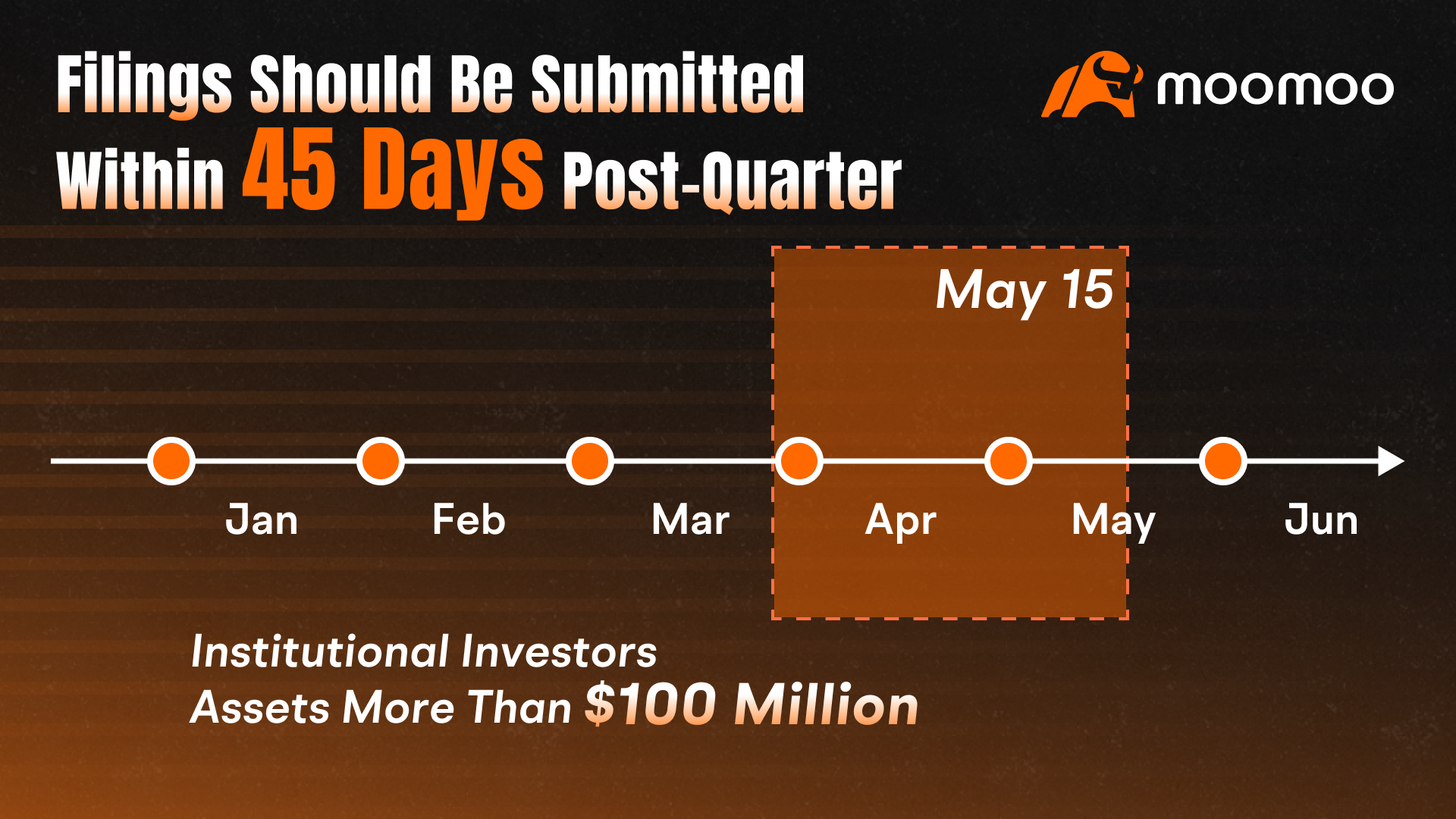
The U.S. Securities and Exchange Commission (SEC) requires institutional investors managing assets exceeding $100 million to disclose their holdings.
They have 45 days after the quarter ends to submit these details. For example, Q1 ends on March 31, you can expect disclosures by May 15, with deadlines extended for holidays.
These filings let investors peek into what the big guys did last quarter.
However, 13F filings only show long positions, meaning the stocks and call/put options they hold. Short positions are kept under wraps.
So, they don’t give the full picture, especially for hedge funds using long-short strategies. If you're trying to copy the plays of hedge fund titans like Soros or Dalio, these filings might not tell the whole story.
Plus, the data is lagging. If a firm bought a stock in January and sold it in early April, the 13F would still show it as a holding when published.
Warren Buffett's Berkshire Hathaway is renowned for its long-term, buy-and-hold strategy, which helps mitigate some of the limitations of the 13F filings.
Investors often closely watch Berkshire’s holdings. When new positions are revealed, those stocks typically see an increase.
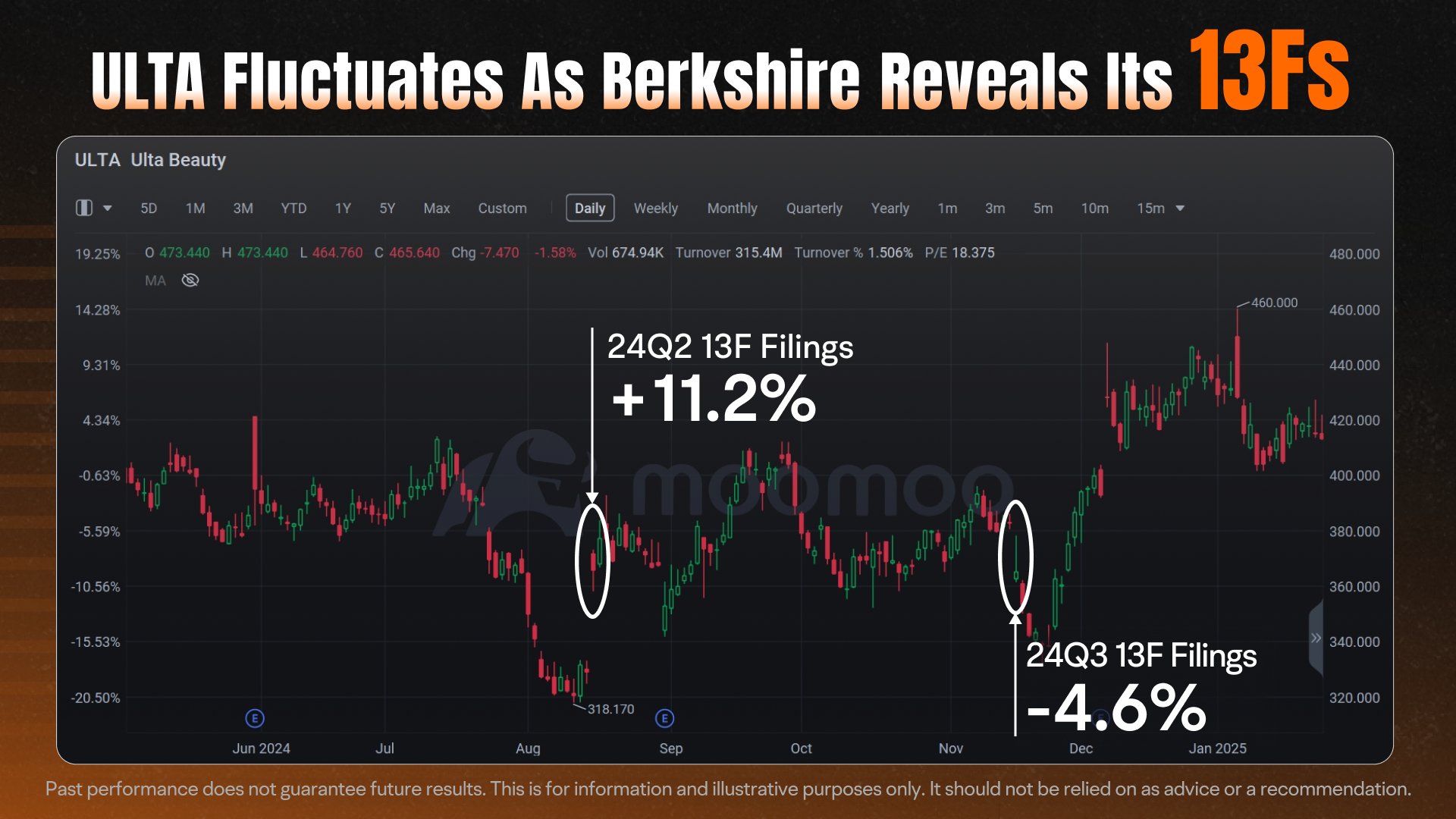
In August 2024, when Berkshire disclosed a new stake in beauty retailer ULTA, the stock jumped over 11%. However, three months later, Berkshire had largely sold off its ULTA stake, causing its stock to plummet.
If you jumped in right after the news, you'd likely be in the red. Analyzing Berkshire's 13F filings shows that this situation has occurred before.
Buffett is renowned for his long-term value investing—Coca-Cola, Bank of America, and Apple are testaments to that. His famous quote, "If you aren't willing to own a stock for ten years, don't even think about owning it for ten minutes," is gospel for value investors.
So, what's going on here?
Berkshire manages a colossal portfolio, but it’s not just Buffett behind the wheel.
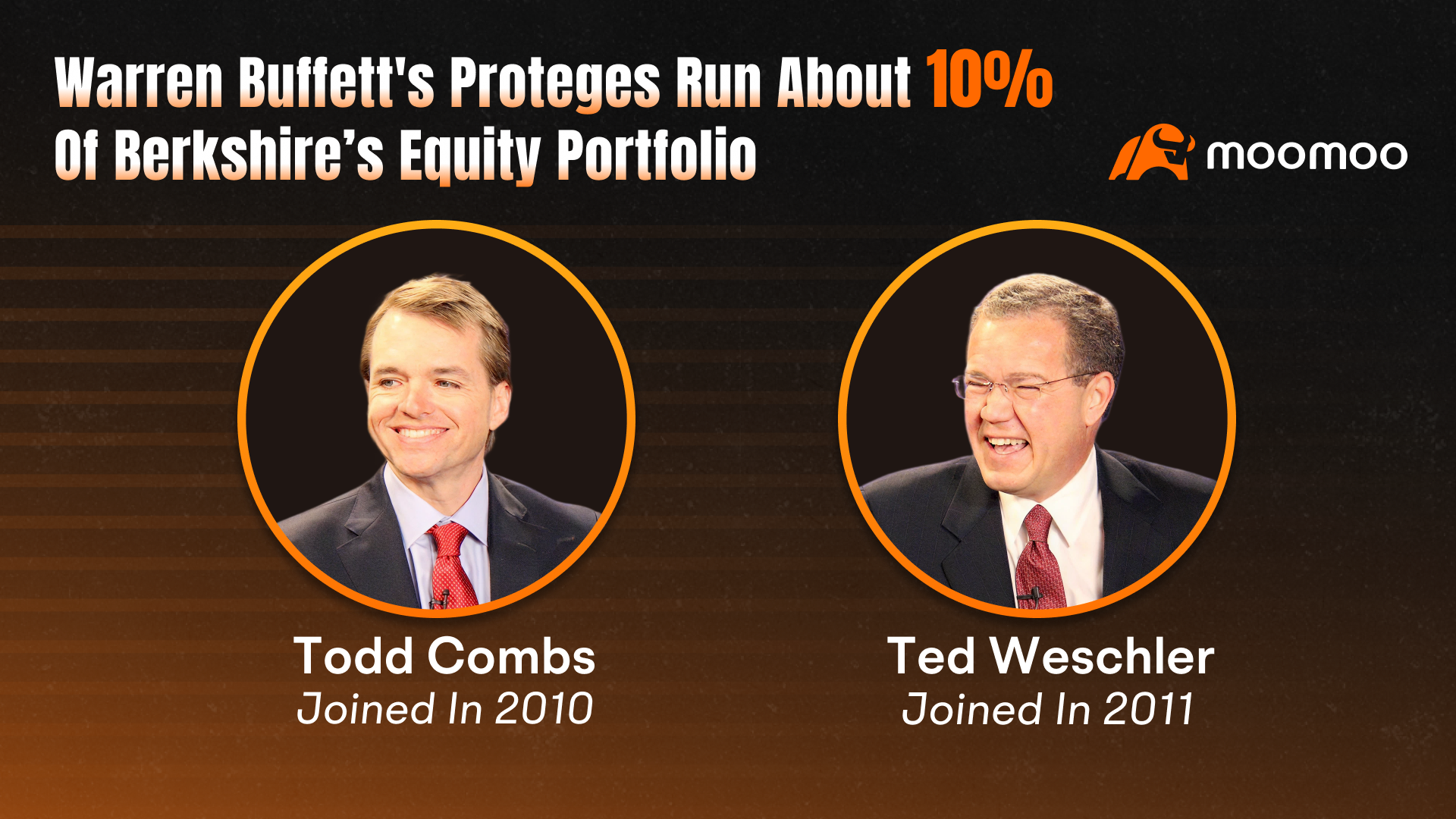
Since 2010, Todd Combs and Ted Weschler have been on board, managing about 10% of the portfolio. The rest is Buffett's domain.
They operate independently of Buffett and each other, and are believed to account for many of the smaller investments under $1 billion.
So when headlines say "Buffett buys XYZ," it might not be Buffett himself.
ULTA, involved about $270 million—a stake likely managed by Combs or Weschler.
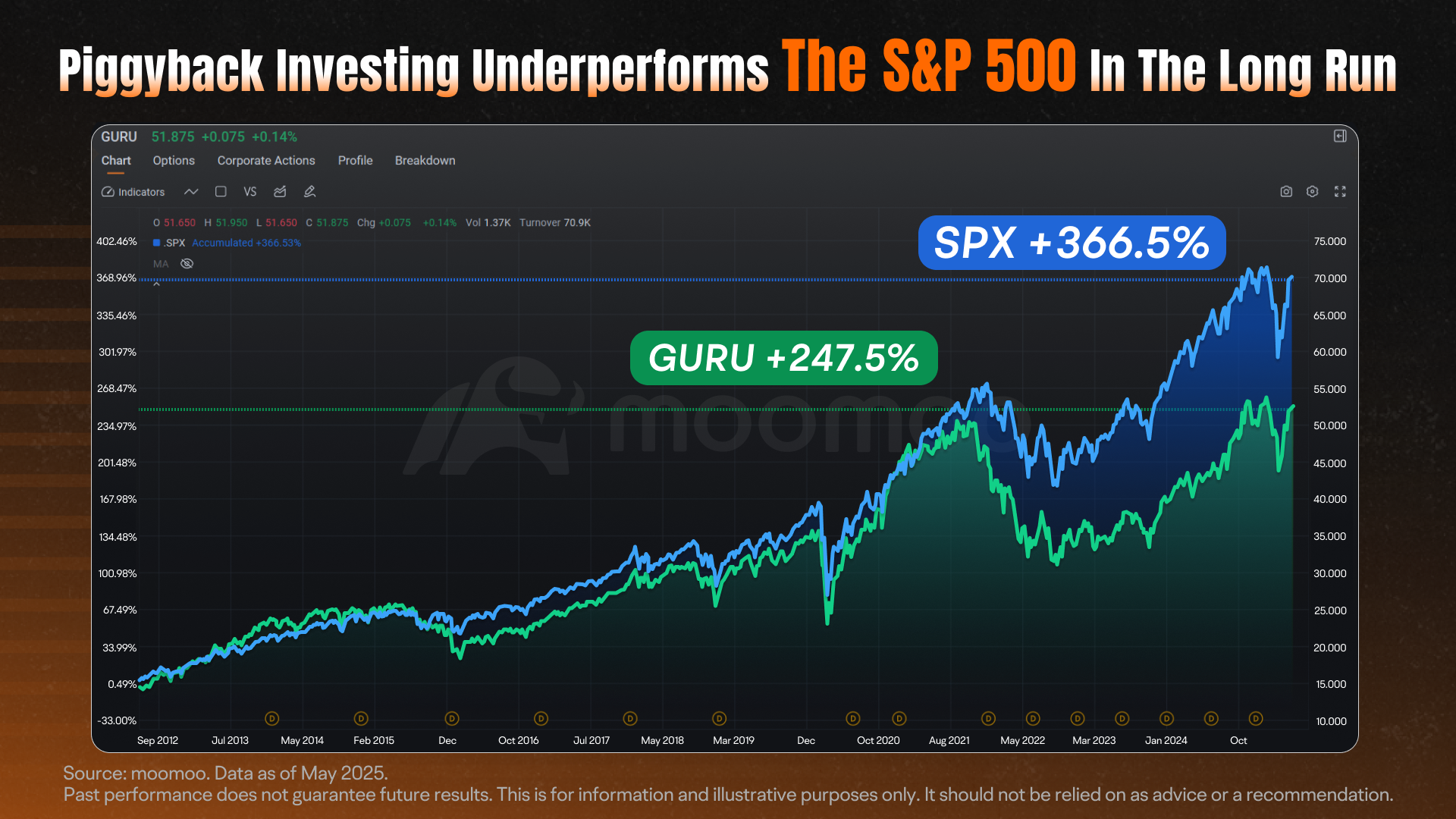
Some investors try to mirror 13F filings to build their portfolios, but this "copy-paste" strategy rarely pays off.
An ETF designed to mimic 13F filings has significantly lagged the S&P 500 since its launch in 2012.
Buffett himself has warned against this approach. "I think they’re making a big mistake by piggybacking me or 10 other people whose names appear in the paper."
"I wouldn’t ever urge them to do anything based on what we do. If they want to do what Berkshire does, then they should buy Berkshire," Buffett said.
Copying the Oracle of Omaha and other legends isn’t the golden ticket, but tracking holdings isn’t pointless either.
By understanding 13F filings, you can see how these big names navigate different market environments and use that insight to inform your strategies.
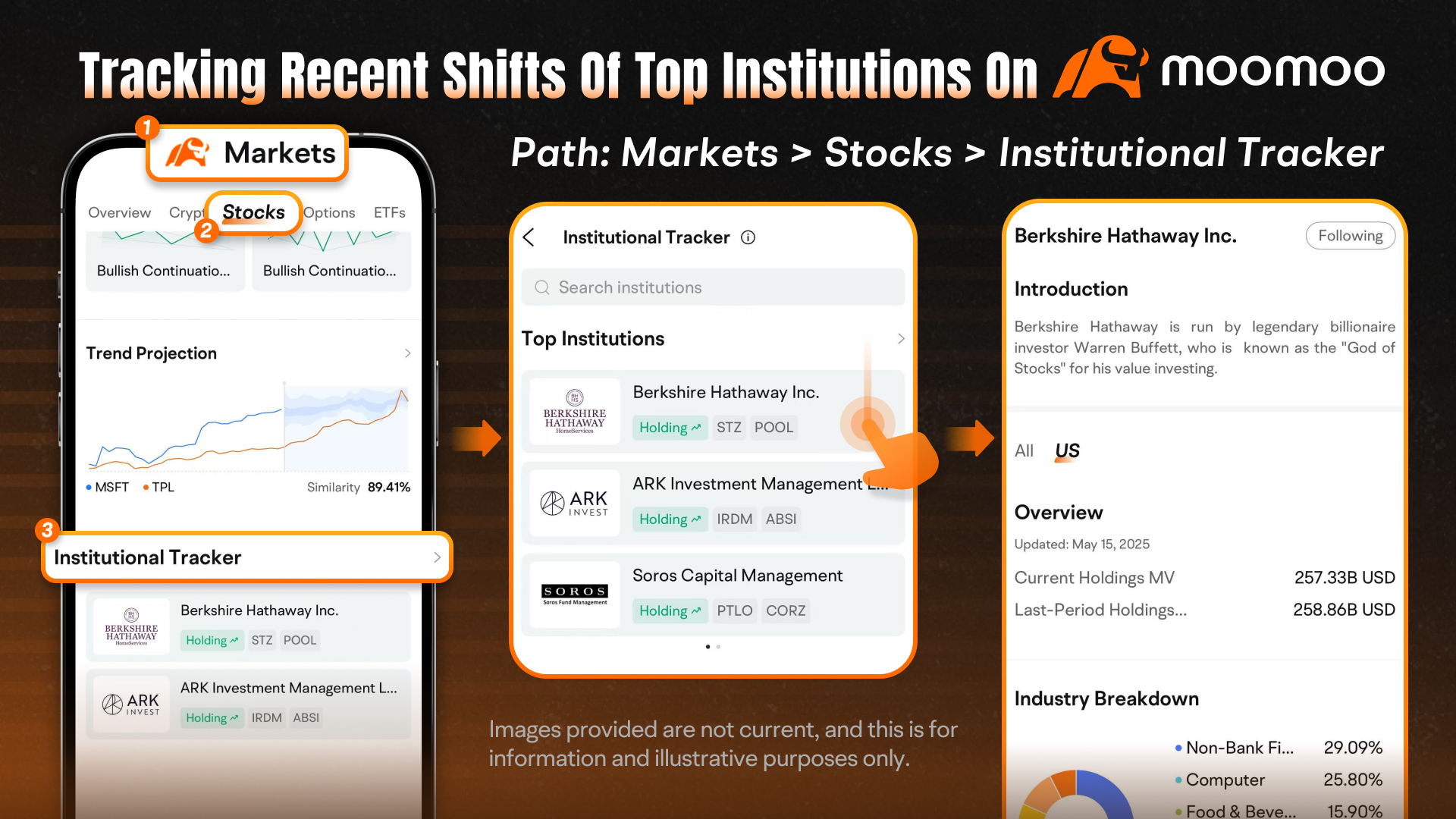
Moomoo makes it easy by organizing 13F data into a user-friendly, visual format.
Remember, learning to fish is better than just getting a fish. Use these insights to reimagine your strategy!
This presentation is for informational and educational use only and is not a recommendation or endorsement of any particular investment or investment strategy. Investment information provided in this content is general in nature, strictly for illustrative purposes, and may not be appropriate for all investors. Read more
Recommend
Why does Warren Buffett say don't piggyback on his trades?

How does nonfarm payroll impact the global market?
Unveiling Inflation: Why is Your Wallet Shrinking?

Mastering the Dollar Cycle: How to invest in a changing economy
Gold vs. Gold Miners: A Comparison
Are U.S. Treasuries still a safe haven?
Meet Dr. Copper: Understanding the Copper Market
Do Oil Price Swings Rock the Stock Market?
How Tariffs Could Impact the Copper Landscape?
Why do oil ETFs lag behind oil prices in the long run?
Why is the US dollar so powerful worldwide, and how can we tell?
A look at employment: what other indicators are there?
GDP: The Barometer of National Prosperity
Understanding Treasury Auctions: A Step-by-Step Guide
Unpacking the U.S. Debt Issue
Why is Oil Called the "Mother of All Commodities"?
How Inflation Affects the Market
How to interpret the Fed dot plot?
How to Decode Inflation: CPI, PCE, and PPI
Understanding Bessent's Fiscal Blueprint
The Rise of the Fed: Can Trump Dismiss Powell?
What's in the Fed's Toolbox?
'Oracle of Omaha' Warren Buffett:ROE>20% is preferable
'Father of value investing' Benjamin Graham: Ten Stock Selection Criteria
Strong Consumer Spending Despite Economic Slowdown: Here's Why
Analyzing the manufacturing industry may help you grasp economic trends
What is the Debt Ceiling? A Deep Dive into US Fiscal Policy
How to Preserve Your Wealth in a High Inflation Environment
How to analyze the Federal Reserve's monetary policy?
Rapidly Rising US Housing Prices: Opportunity or Risk?
How Will the US Dollar Perform in 2024? A Closer Look into the US Dollar Index
Discussing the driving forces behind rises in gold prices
Investing and Labor Market Indicators
Discover the bond market: A quick and easy guide
The Underlying Conflicts Surrounding Crude Oil Prices
Understanding the relationship between the stock market and the bond market
Understanding the US Non-Farm Payroll Data
Understanding the Federal Reserve Interest Rate Decision
Understanding the CCI
Understanding the PPI
Understanding the Retail Sales
Understanding the US Crude Oil Inventories
Understanding the Durable Goods Orders
Listen to the Fed's speakers: Hawks or doves?
Open the Fed's monetary policy toolbox
The Fed Dot Plot explained: What it says about US interest rates
How does monetary policy steer our lives and investment
What the Federal Reserve does?
Understanding the GDP
A brief history lesson on the Fed and U.S. economy
08 Carl Icahn & Icahn Enterprises
09 Seth Klarman & Baupost Group
07 Howard Marks & Oaktree Capital
01 Using 13F filings to learn from big investors
03 How to Read Form 13F
02 Identify a fund's investment strategy
04 Warren Buffett & Berkshire Hathaway
06 Ray Dalio & Bridgewater Associates
05 Bill Ackerman & Pershing Square Capital
Why does Warren Buffett say don't piggyback on his trades?
How does nonfarm payroll impact the global market?
Unveiling Inflation: Why is Your Wallet Shrinking?
Mastering the Dollar Cycle: How to invest in a changing economy
Gold vs. Gold Miners: A Comparison
Are U.S. Treasuries still a safe haven?
Meet Dr. Copper: Understanding the Copper Market
Do Oil Price Swings Rock the Stock Market?
How Tariffs Could Impact the Copper Landscape?
Why do oil ETFs lag behind oil prices in the long run?
Why is the US dollar so powerful worldwide, and how can we tell?
A look at employment: what other indicators are there?
GDP: The Barometer of National Prosperity
Understanding Treasury Auctions: A Step-by-Step Guide
Unpacking the U.S. Debt Issue
Why is Oil Called the "Mother of All Commodities"?
How Inflation Affects the Market
How to interpret the Fed dot plot?
How to Decode Inflation: CPI, PCE, and PPI
Understanding Bessent's Fiscal Blueprint
The Rise of the Fed: Can Trump Dismiss Powell?
What's in the Fed's Toolbox?
'Oracle of Omaha' Warren Buffett:ROE>20% is preferable
'Father of value investing' Benjamin Graham: Ten Stock Selection Criteria
Strong Consumer Spending Despite Economic Slowdown: Here's Why
Analyzing the manufacturing industry may help you grasp economic trends
What is the Debt Ceiling? A Deep Dive into US Fiscal Policy
How to Preserve Your Wealth in a High Inflation Environment
How to analyze the Federal Reserve's monetary policy?
Rapidly Rising US Housing Prices: Opportunity or Risk?
How Will the US Dollar Perform in 2024? A Closer Look into the US Dollar Index
Discussing the driving forces behind rises in gold prices
Investing and Labor Market Indicators
Discover the bond market: A quick and easy guide
The Underlying Conflicts Surrounding Crude Oil Prices
Understanding the relationship between the stock market and the bond market
Understanding the US Non-Farm Payroll Data
Understanding the Federal Reserve Interest Rate Decision
Understanding the CCI
Understanding the PPI
Understanding the Retail Sales
Understanding the US Crude Oil Inventories
Understanding the Durable Goods Orders
Listen to the Fed's speakers: Hawks or doves?
Open the Fed's monetary policy toolbox
The Fed Dot Plot explained: What it says about US interest rates
How does monetary policy steer our lives and investment
What the Federal Reserve does?
Understanding the GDP
A brief history lesson on the Fed and U.S. economy
08 Carl Icahn & Icahn Enterprises
09 Seth Klarman & Baupost Group
07 Howard Marks & Oaktree Capital
01 Using 13F filings to learn from big investors
03 How to Read Form 13F
02 Identify a fund's investment strategy
04 Warren Buffett & Berkshire Hathaway
06 Ray Dalio & Bridgewater Associates
05 Bill Ackerman & Pershing Square Capital

