What is an ETF (exchange traded fund)?
Key Takeaways
Many exchange-traded funds (ETFs ) are designed to track a particular market index passively. These ETFs aim to achieve the same return as the index that they track by investing in all or a representative sample of the stocks included in the index.
ETFs may help provide portfolio diversification, but it is important to understand some ETFs have a very narrow investment focus and are considered non-diversified funds.
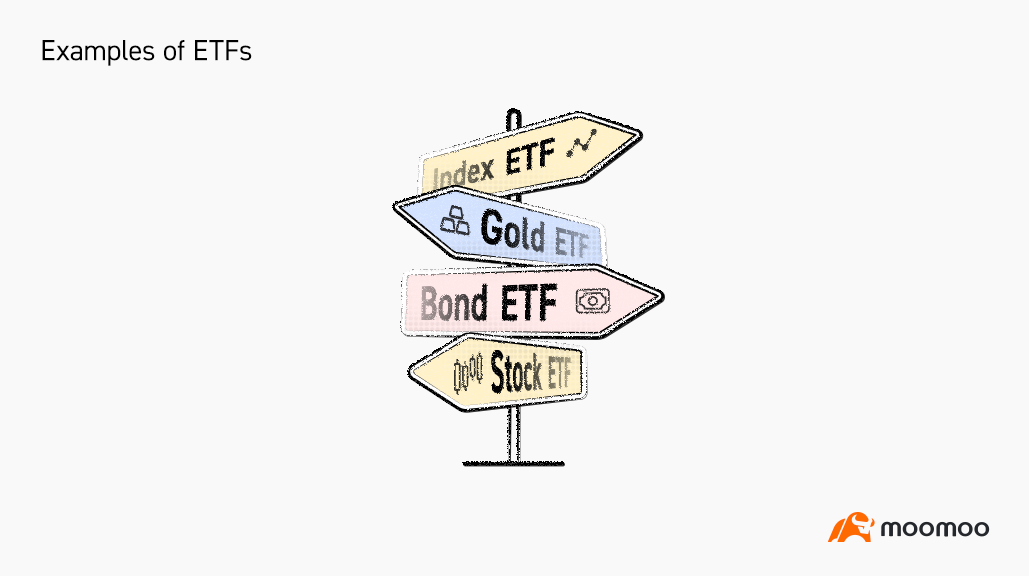
Many different types of ETFs invest in many different securities, such as but not limited to stocks, commodities, and bonds. ETFs may also invest across many different market sectors and countries.
To many novice investors and busy investors, the most difficult part may be finding a good company to invest in.
Therefore, Warren Buffett, famous for his successful career picking stocks, shared a tip for his believers. He said most investors are better off with a simpler approach that's still very effective: Invest in index funds.
In my view, for most people, the best thing to do is to own the S&P 500 index fund.-Buffett said in Berkshire Hathaway's virtual annual meeting on May 2.
So, what is an Exchange Traded Fund (ETF)?
ETFs are a type of exchange-traded product that offers investors a way to pool their money in a fund that makes investments in stocks, bonds, or other assets and, in return, receive an interest in that investment pool. ETF shares are traded on a national stock exchange and at market prices that may or may not be the same as the net asset value ("NAV") of the shares, that is, the value of the ETF's assets minus its liabilities divided by the number of shares outstanding. ETF share prices fluctuate all day as the ETF is bought and sold.
There are numerous variations, but the majority seek to track an index passively. Depending on which index the ETF is supposed to track, it will typically just buy the underlying investments of that specific index.
This means for this specific type of ETF, there is no fund manager actively trying to pick the investments, and its performance should be very similar to the index it is tracking (passive funds). For example, the S&P 500 index in the US market rose by 26.89% in 2021. So, you could assume that an ETF designed to mirror the S&P would have similar performance before factoring in fees and expenses.*
The idea is that you get a similar performance of the index, with typically lower expenses when compared to active funds, since there is no active fund manager to pay. It also gives you the diversification of the index; in our example, these 500 stocks of the S&P 500 Index.
For some investors, it might be appealing because they are immediately spreading risks due to the ETF consisting of 500 American stocks, and they don't have to buy all the stocks individually themself. It is a diversified investing alternative. Please understand that diversification is a tool used to help manage risk; it does not ensure a profit or protect against loss.
In conclusion, an ETF is a security that consists of a selection of securities (often stocks) with individual weights based on the index rules of the index the ETF is aiming to track. In general, actively managed ETFs cost more than passively managed index ETFs. Low cost may have a massive impact on the value of your investments over time.
This presentation is for informational and educational use only and is not a recommendation or endorsement of any particular investment or investment strategy. Investment information provided in this content is general in nature, strictly for illustrative purposes, and may not be appropriate for all investors. Read more
Recommend
What is an ETF (exchange traded fund)?
NVDA or NVDL? Choosing Between Stocks and 2x Leveraged Single-Stock ETFs
Looking to profit passively with ETFs in the U.S. market? Here are two key tips

Exploring Gold ETF and Selection Tips
Emerging markets set for a turnaround? How to get ahead of a potential rate cut cycle with ETFs
Afraid of NVDA's heights? Try an AI ETF!
Understanding VIX and its ETFs
This strategy helps you balance hot trends with risk reduction
Leveraged ETPs: How they could boost or bust your returns
Leveraged ETFs Made Easy: How They Work and What to Know
Understanding ETFs: A Beginner's Guide to Investing
How to Evaluate ETFs? Handy Tools Can Help you
Trading in a bear market? Understanding inverse ETFs
Investing in China: How to gain exposure with ETFs
What you should know before investing in Japan ETFs
How to navigate market uncertainty: Investing in high-dividend ETFs for potentially steady income
Crypto ETPs: What you should know before investing
Navigate bear markets with inverse ETFs
Buying China at the dip: ETFs to watch
Riding bull markets or buying the dip: How to choose your leverage ETFs
How to choose among the top 10 semiconductor ETFs amid the AI wave?
Diversify and defend: Unlocking the potential of commodity ETPs
How to choose and invest in U.S. bond ETFs
Practical Guide: Quick Tips for Filtering ETFs and Key Considerations
What are the different types of ETFs?
Trading costs and fees
Trade ETFs in 3 Easy Steps
How to Use ETF Screener on moomoo
Bonds VS Bond ETFs, Which is Suitable to Your Needs?
Investing Bitcoin with ETFs
Investing in Market Index with ETF
What is an ETF (exchange traded fund)?
NVDA or NVDL? Choosing Between Stocks and 2x Leveraged Single-Stock ETFs
Looking to profit passively with ETFs in the U.S. market? Here are two key tips
Exploring Gold ETF and Selection Tips
Emerging markets set for a turnaround? How to get ahead of a potential rate cut cycle with ETFs
Afraid of NVDA's heights? Try an AI ETF!
Understanding VIX and its ETFs
This strategy helps you balance hot trends with risk reduction
Leveraged ETPs: How they could boost or bust your returns
Leveraged ETFs Made Easy: How They Work and What to Know
Understanding ETFs: A Beginner's Guide to Investing
How to Evaluate ETFs? Handy Tools Can Help you
Trading in a bear market? Understanding inverse ETFs
Investing in China: How to gain exposure with ETFs
What you should know before investing in Japan ETFs
How to navigate market uncertainty: Investing in high-dividend ETFs for potentially steady income
Crypto ETPs: What you should know before investing
Navigate bear markets with inverse ETFs
Buying China at the dip: ETFs to watch
Riding bull markets or buying the dip: How to choose your leverage ETFs
How to choose among the top 10 semiconductor ETFs amid the AI wave?
Diversify and defend: Unlocking the potential of commodity ETPs
How to choose and invest in U.S. bond ETFs
Practical Guide: Quick Tips for Filtering ETFs and Key Considerations
What are the different types of ETFs?
Trading costs and fees
Trade ETFs in 3 Easy Steps
How to Use ETF Screener on moomoo
Bonds VS Bond ETFs, Which is Suitable to Your Needs?
Investing Bitcoin with ETFs
Investing in Market Index with ETF