Unlocking the potential of CSL: What investors need to know?
For investors seeking to build a retirement portfolio, healthcare shares—typically viewed as a defensive investment with robust growth potential—could be given due consideration.
In this article, we will take a deep dive into Australia's largest biotech company CSL Limited ( $CSL Ltd (CSL.AU)$ ).
CSL: a market darling with a storied history
CSL is an Australian-based global biotechnology company with a dynamic portfolio of lifesaving medicines, including treatments for hemophilia and immune deficiencies, vaccines for influenza prevention, and therapies for iron deficiency and nephrology.
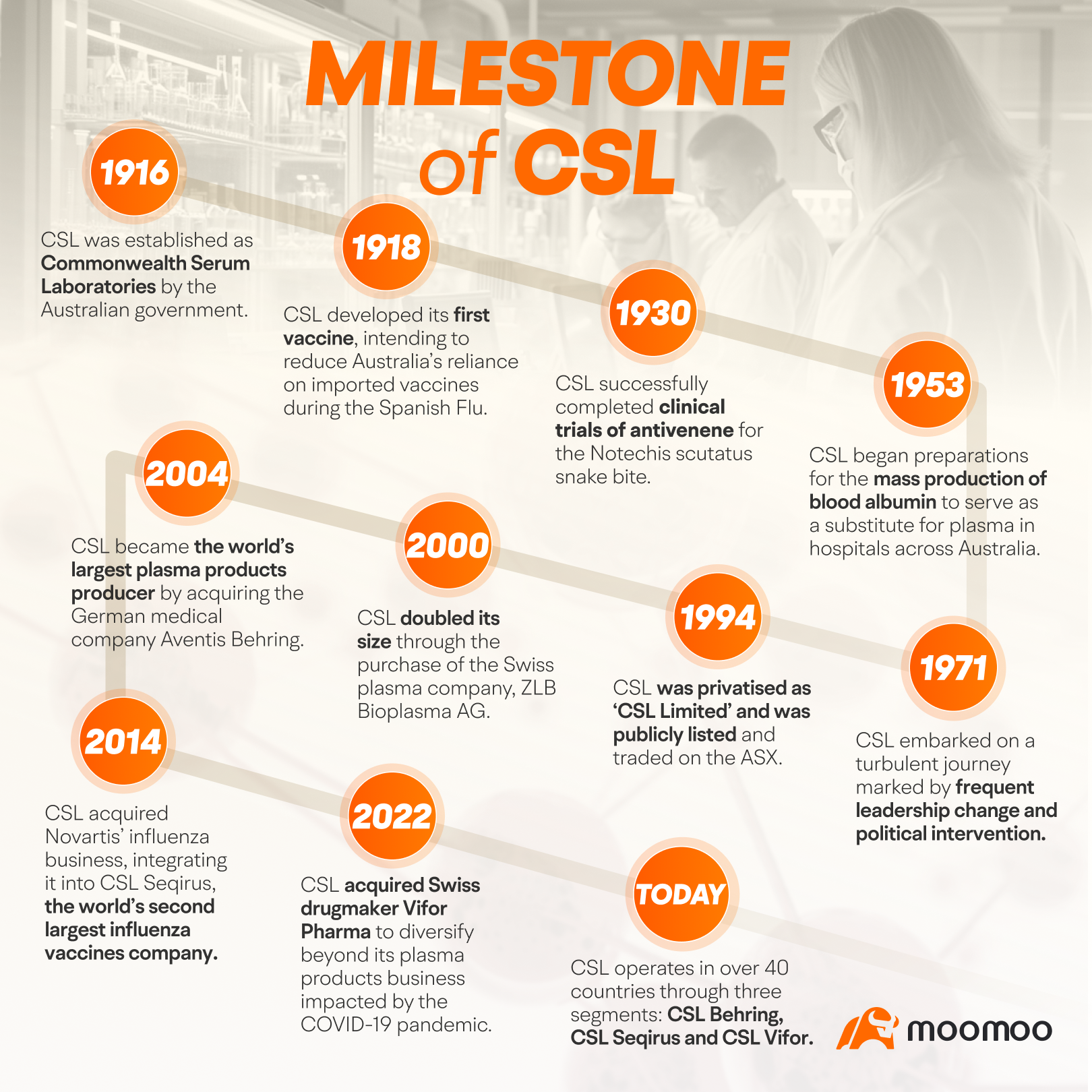
Founded in 1916, the blue-chip healthcare company made its way to the Australian Securities Exchange ( $ASX Ltd (ASX.AU)$ ) in 1994. While research and innovation fueled most of its growth before the 21st century, CSL diversified its approach by acquiring or collaborating with established partners to gain access to talent, resources and technology, resulting in rapid expansion.
Today, CSL ranks as ASX's third-largest stock, boasting a massive market capitalisation of nearly $150 billion. The company has enjoyed a storied history as a market darling, with its shares soaring over four-fold in the past decade, delivering impressive long-term returns for investors.
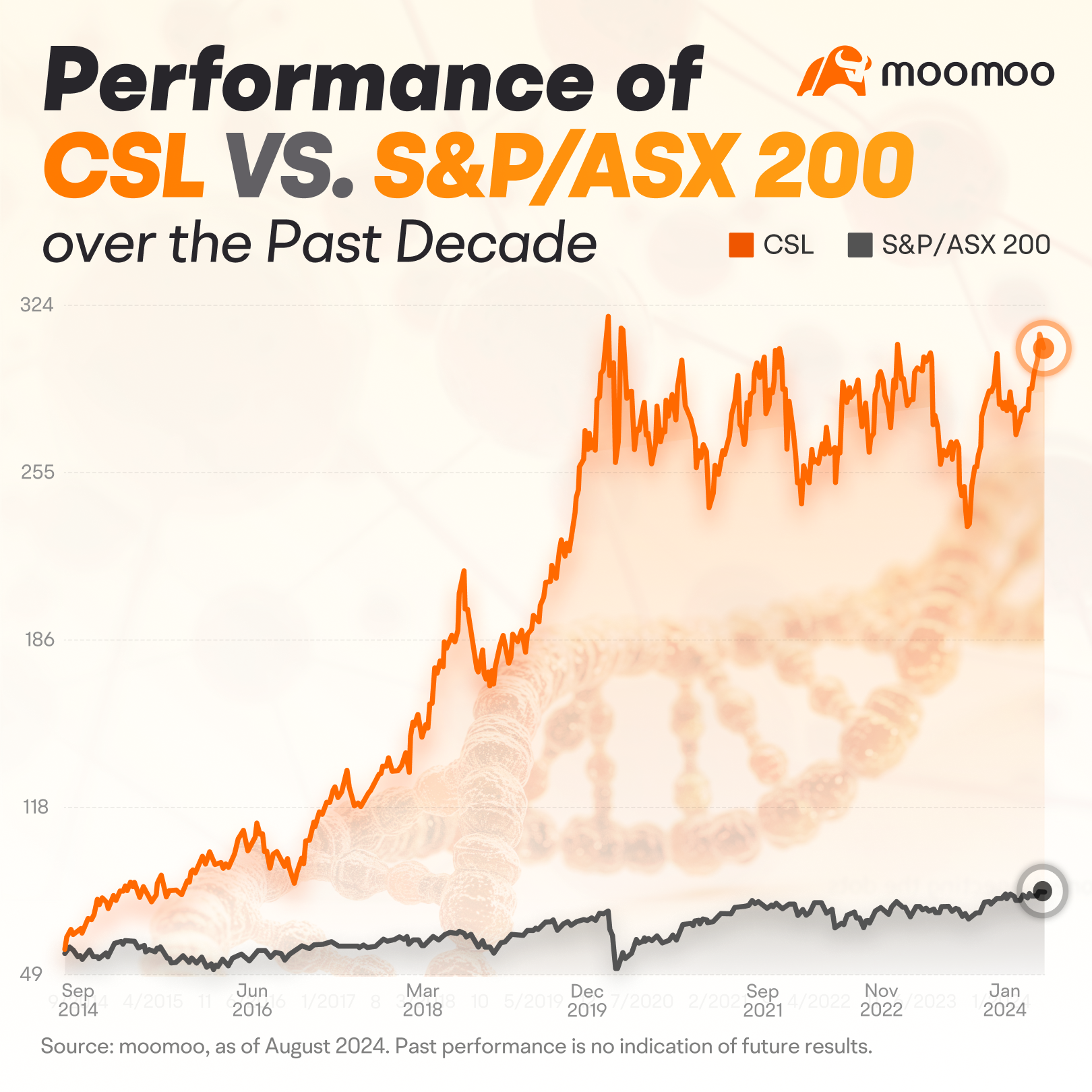
However, the company's shares have remained stagnant after the COVID-19 pandemic, which dealt a significant blow to its flagship business segment—plasma collection. Consequently, some market analysts suggest that the relative underperformance of CSL shares in recent years could present a compelling buying opportunity for investors.
Business summary
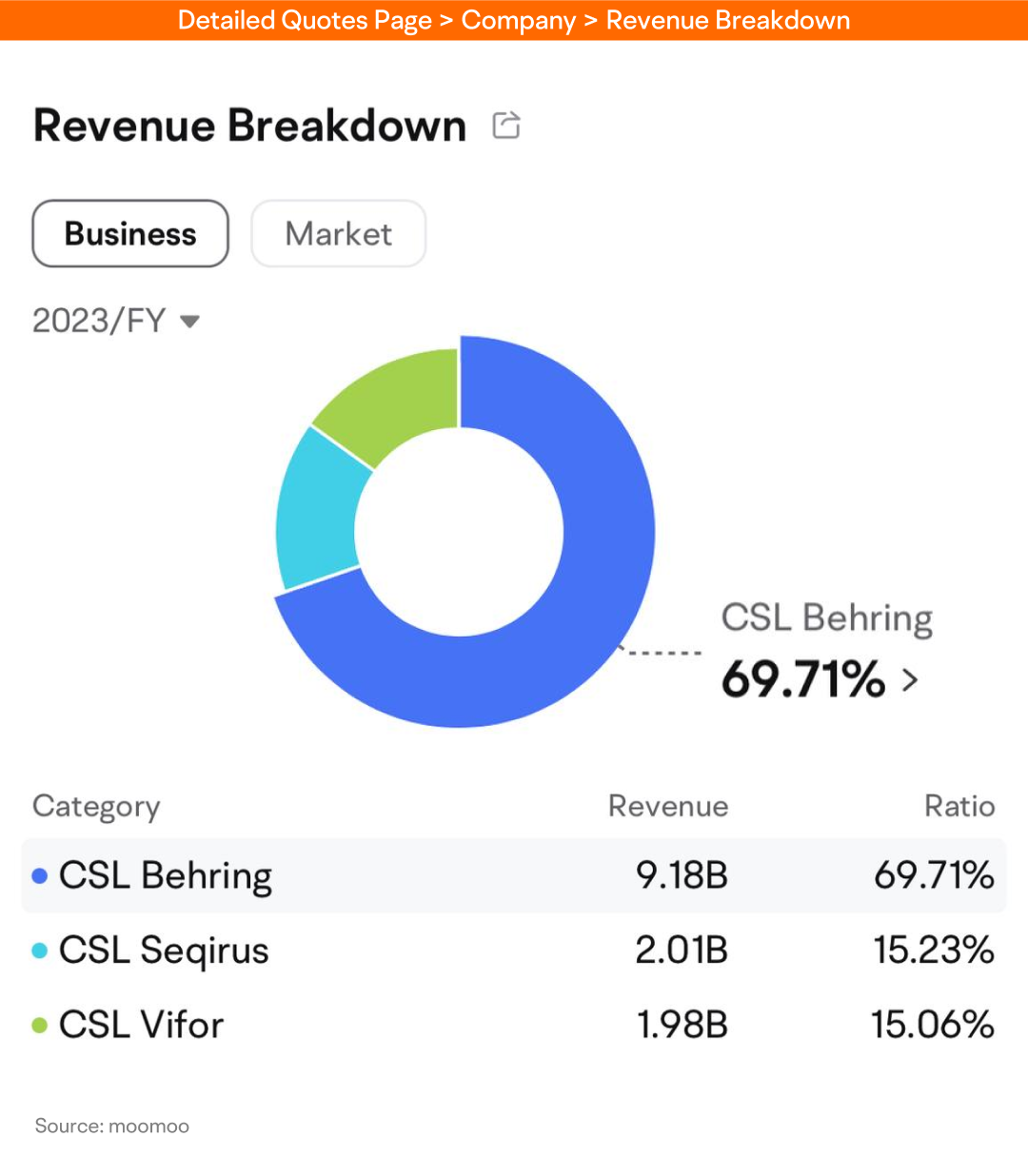
CSL operates in over 40 countries through the following segments: CSL Behring, CSL Seqirus and CSL Vifor.
● CSL Behring discovers, develops and delivers plasma products, gene therapies, and recombinants for treating rare and serious diseases. It operates one of the world's largest plasma collection networks through its subsidiary CSL Plasma.
● CSL Seqirus is one of the largest influenza vaccine providers in the world. It is a major contributor to the prevention of influenza globally and a transcontinental partner in pandemic preparedness.
● CSL Vifor is a leader in iron deficiency and nephrology. It is committed to launching the next generation of therapies as it endeavours to truly address the full spectrum of kidney disease, with a focus on dialysis and rare disease.
Investing in CSL: essential considerations for investors
Biotechnology, by its very nature, can be complex, making it challenging to evaluate the strength of CSL's economic moat. However, by focusing on key factors, investors can make informed decisions. Here are some essential considerations for investors looking to invest in CSL:
● Flagship business of CSL Behring
CSL Behring, the plasma-derived business, is CSL's flagship business, generating nearly 70% of its total revenue in the 2023 financial year.
CSL Behring operates in a concentrated industry dominated by three major players and benefits from a dominant position. The top three players in the plasma therapies market, namely CSL, Grifols, and Takeda Pharmaceuticals, possess an estimated 80% market share.
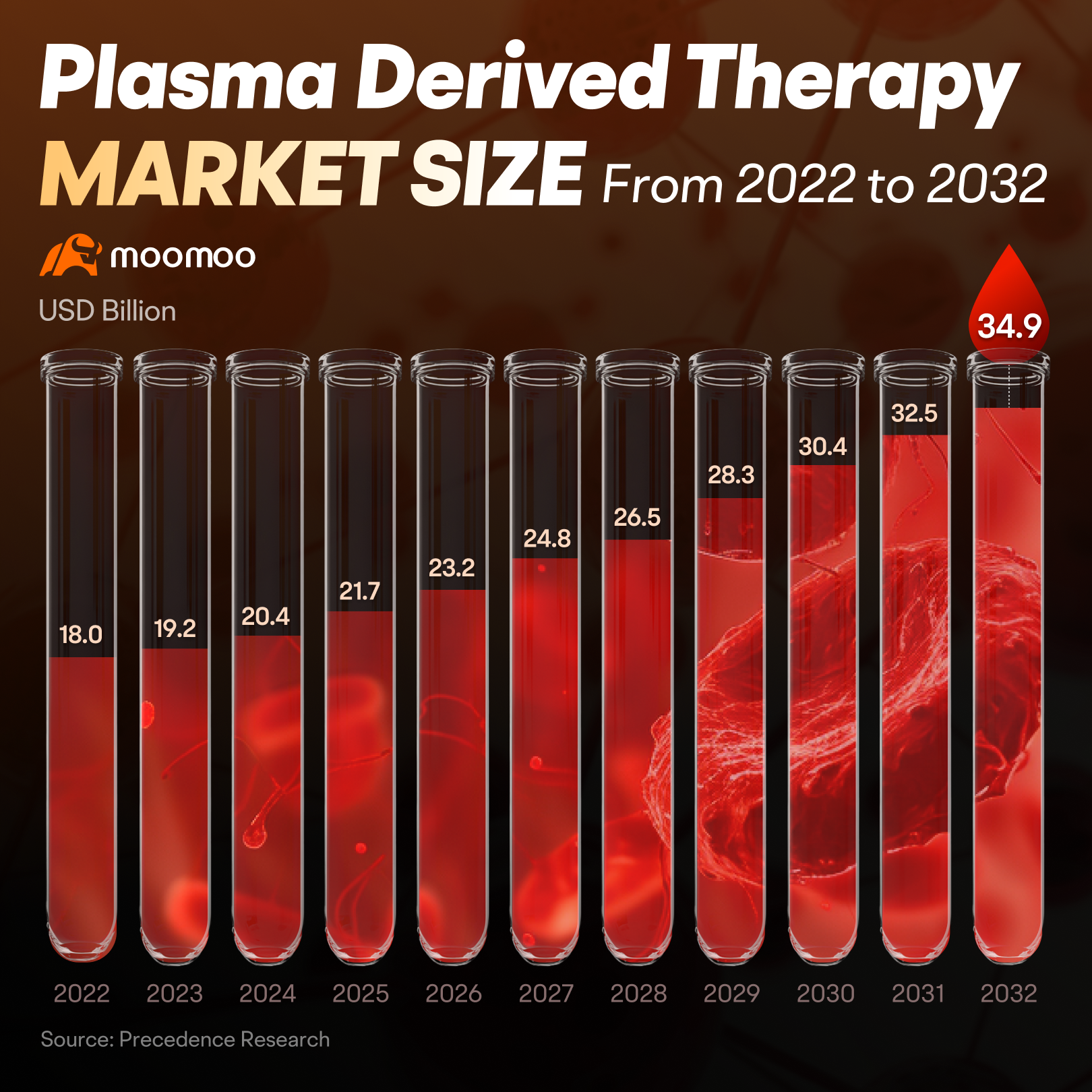
According to Precedence Research, the market for plasma-derived therapy was valued at USD 19.15 billion in 2023 and is projected to reach USD 34.91 billion by 2032, indicating a compound annual growth rate (CAGR) of 6.9% during the forecast period spanning from 2023 to 2032.
The industry has high barriers to entry, with plasma fractionation taking years to build and approve and requiring significant expertise and scale to perform cost-effectively.
To manufacture many of its lifesaving medicines for people living with rare and serious diseases, CSL Behring needs a robust supply of plasma. While CSL Behring is well-positioned in the plasma sourcing market, its gross margin is susceptible to fluctuations in plasma supply and collection costs.
Plasma is collected via donors. In the US, for example, donors receive a fee, usually starting at approximately US$50 for each donation. The fees have significantly increased after the COVID-19 pandemic, which caused a decline in plasma volumes due to lockdowns and restrictions over the past few years, resulting in a limited number of products available for sale.
● Growth potential for CSL Vifor
In August 2022, CSL acquired Swiss-based Vifor Pharma for US$11.7 billion, with the objective of diversifying its existing portfolio of influenza vaccines and plasma products. The acquisition brought a complementary product portfolio and a market-leading position in the nephrology and iron deficiency fields.
Despite being a recent acquisition, CSL has faced obstacles in achieving its goals for CSL Vifor due to certain products in Vifor's portfolio being impacted by commercial and regulatory challenges. As a result, the company has issued a warning about the dampening of its short-term growth prospects.
Investors should closely monitor the business developments of CSL Vifor, which generated US$1,011 million in sales in the first half of the 2023 financial year. It’s worth noting that the prior comparable period included only five months of revenue after acquiring Vifor Pharma in August 2022.
● Earnings growth
Earnings growth is a crucial factor that can significantly impact a company's stock price and valuation. While it’s rare for companies to grow their earnings at a compound rate of 10% per annum over a decade, CSL, in early 2024, expects to post double-digit earnings growth over the medium term.
Macquarie notes that CSL can achieve robust annual earnings growth of around 15%, driven mainly by its Behring division. The investment bank expects the division to account for about 90% of the company’s earnings increases over the next five years.
However, some CSL shareholders remain skeptical of Macquarie's estimate. Hugh Dive, the chief investment officer of Atlas Funds Management, whose fund has owned CSL shares for multiple years, said Macquarie's earnings forecasts look too optimistic. He argued that while over 10% earnings growth per year may be achievable in the short term, it’s extremely difficult over a long period.
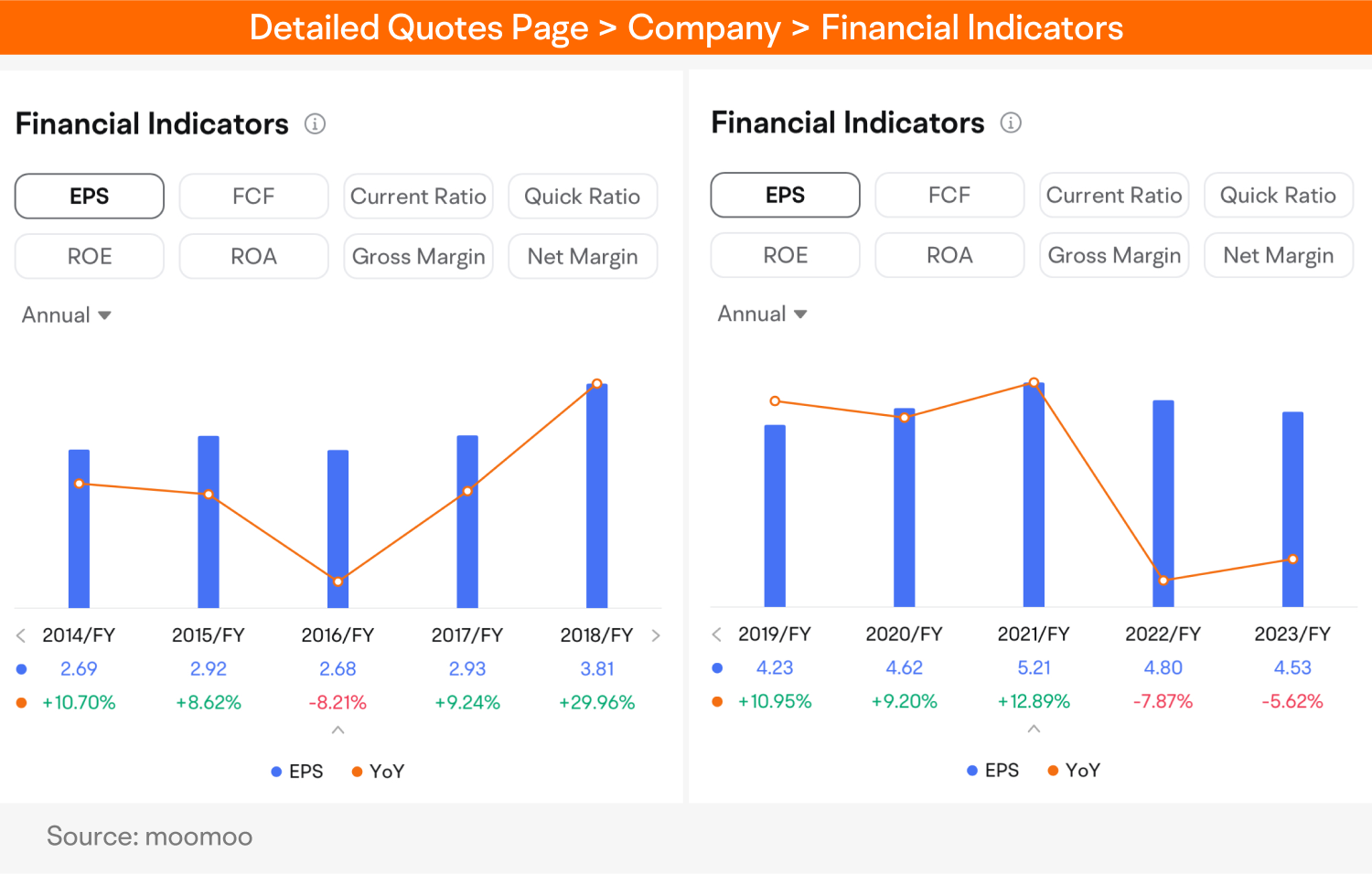
Data from moomoo shows that CSL's earnings per shares (EPS) annualised growth rate was 5.35% from the financial year 2014 to 2023, which was affected by the COVID-19 pandemic.
● Dividends
Investors typically benefit from buying shares in two ways. The first is through capital gains, which are generated from an increase in share price. The second is through dividends, which represent a portion of a company's profits paid out to shareholders.
Unlike most of the top shares on the ASX, CSL is not regarded as a generous dividend income payer. However, the company has a good track record of paying dividends.
In recent years, CSL has typically offered a dividend yield of around 1%, while the benchmark S&P/ASX 200 index was nearly 4%. Furthermore, these dividends don't usually come fully franked, further decreasing CSL's appeal to income investors.
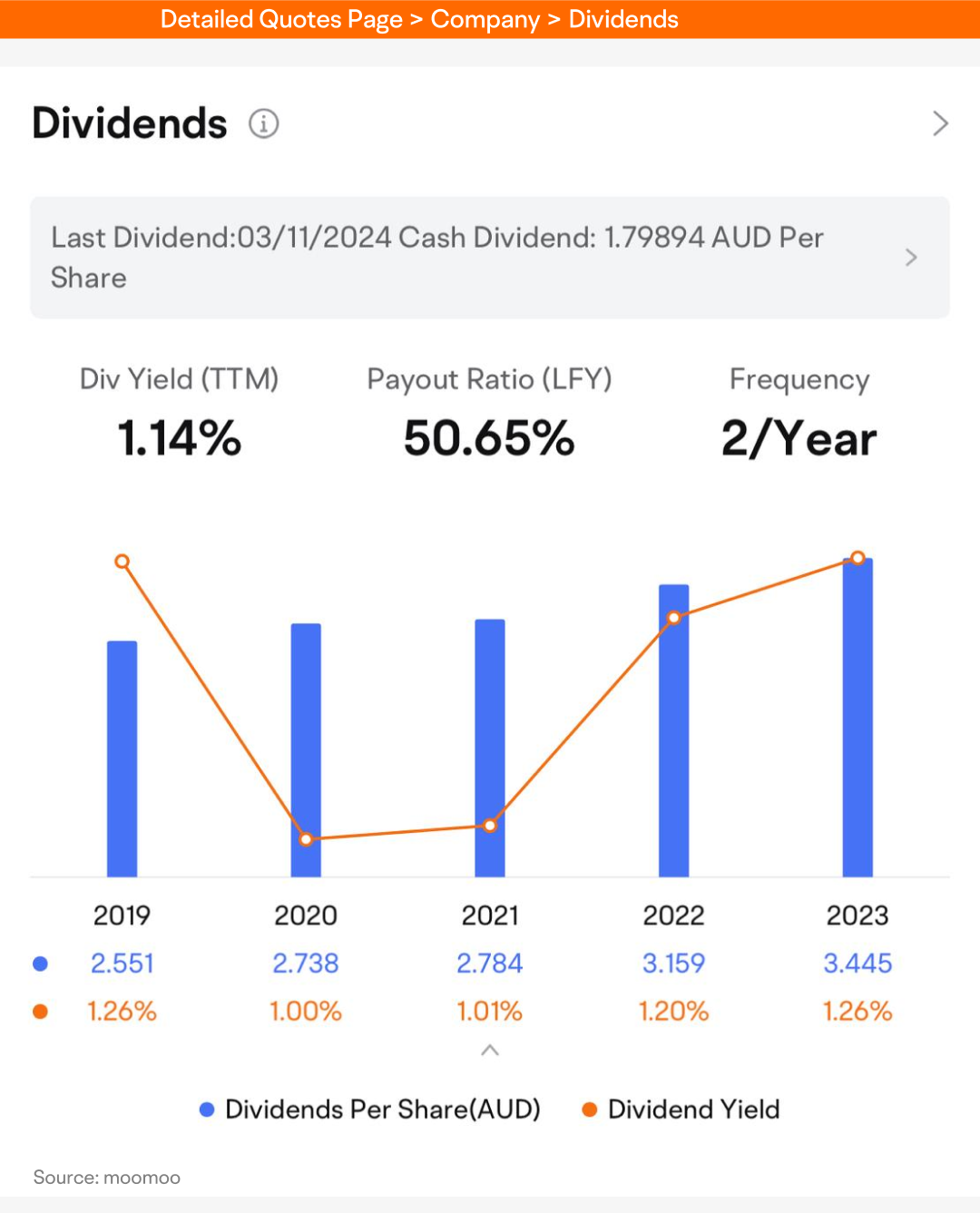
However, the relatively small dividend yield of CSL is partly due to the company's low dividend payout ratio, which was typically less than 50%. This means that the company has retained a significant portion of its profits to reinvest in business operations to drive long-term growth.
Milestone of CSL
This presentation is for informational and educational use only and is not a recommendation or endorsement of any particular investment or investment strategy. Investment information provided in this content is general in nature, strictly for illustrative purposes, and may not be appropriate for all investors. Read more