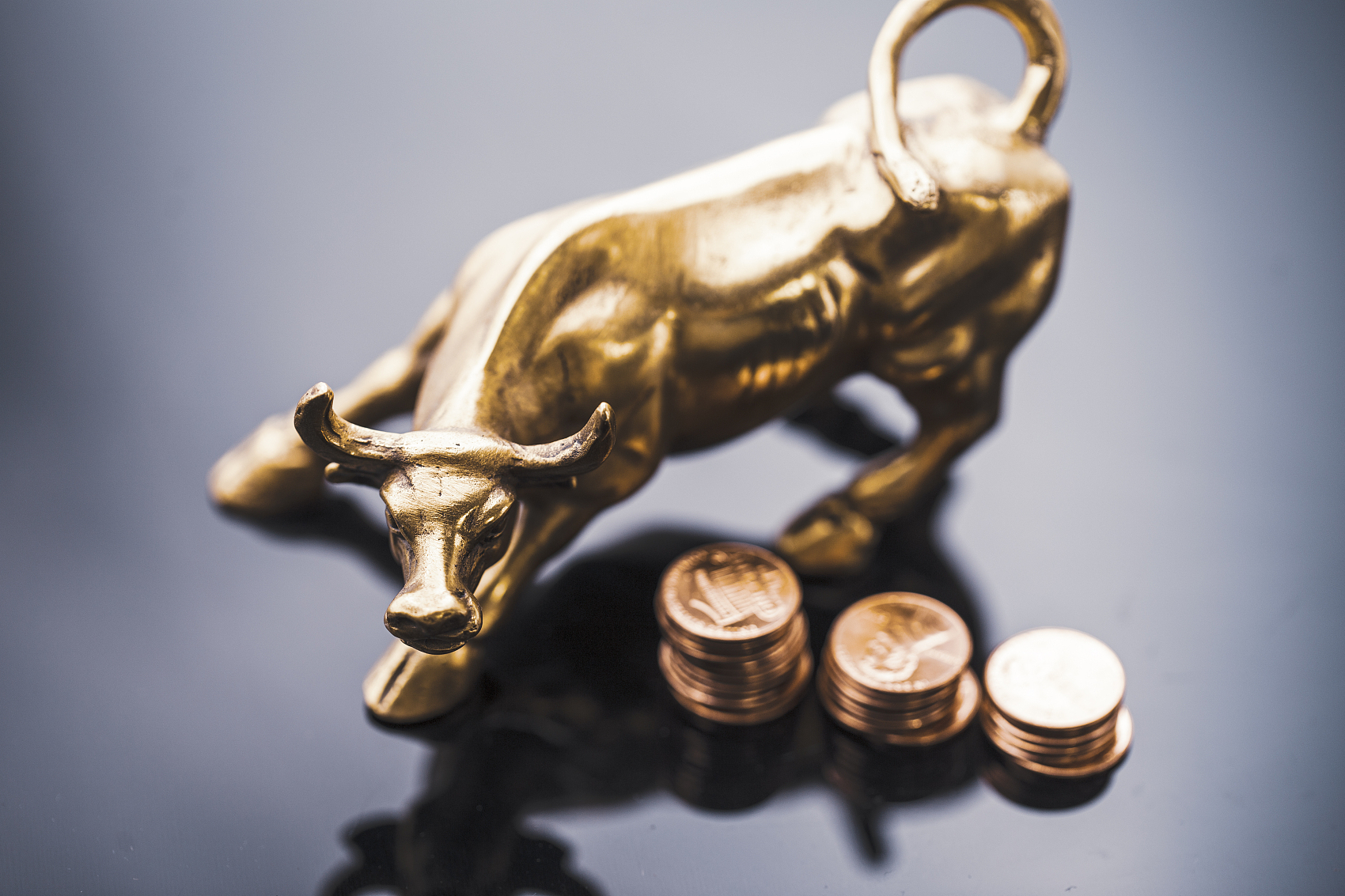
Common valuation mistakes made by beginners
Stock valuation is often considered to be something a job should be done by professions. The truth is any investor would need a certain level of valuation skill to do their own valuation.
Here are 5 common mistakes in stock valuation
1. Using a "typical" industry multiple for all industries
The simplicity of the multiple valuation approach is both an advantage and a disadvantage. Although this method allows investors to calculate an estimated stock price quickly, it also introduces the problem of simplifying complicated information into just a single value or a series of values, which ignores other factors that affect the company’s intrinsic value.
Investors should apply different valuation indicators when valuing different industries to determine appropriate target prices for the invested companies.
2. Inappropriate valuation models
There are three principal valuation methods, being:
Income-Based (i.e. Discounted Cash Flow methods);
Market-Based (i.e. Capitalization of Earnings methods);
Asset-Based (i.e. the fair market value of the businesses' net assets)
Some valuation methods would be more appropriate for certain kinds of businesses or industries than others. For example, a market-based valuation method such as theCapitalization of Earnings method assumes that the business would maintain a stable profitability and growth rate. On the other hand, discounted cash flow method allows more customized assumptions in expected income, as it involves calculating the net present value (NPV) of future cash flows.
3. Insufficiently normalizing EBITDA
Earnings before interest, taxation, depreciation, and amortization (EBITDA) is generally the most critical number upon which a market-based valuation will be predicated. However, to generate a reliable historical and forecast EBITDA, it must be normalized.
'Normalization' is the process of removing all 'extraordinary' or one-time-only transactions which are not an ordinary and recurring transaction of the business, such as government rebates and grants, sale of assets and expenditures such as Research & Development (R&D), Business Development, or other one-off outgoings such as legal settlements, etc.
4. Unrealistic Forecasts
The financial model doesn't always perform well in all businesses. In DCF valuation, our estimation result could be highly influenced by the revenue growth rate prediction andthe weighted average cost of capital (WACC). Even the simplest multiple approaches are highly affected by the peers you choose. (https://news.moomoo.com/market/548392)
If a company has experienced recently an upswing in its performance, in valuation many investors might hope for the company can maintain its current growth rate. Therefore, the estimation would generate an unrealistic result.
5. Failing to 'back up' your Primary Valuation method
To support the estimation result of your company valuation, your theory must contain a secondary valuation of the business to provide some credibility to the primary valuation.
That could be achieved with a situation analysis to estimate the company when runs into an unfavorable situation, or you could use a sensitivity analysis, which is simple testing what if the growth rate or WACC you use in your model has changed by a percentage. How much would the stock price be influenced by that percentage difference?
In summary, it’s hard for individual investors to conduct their valuation estimation since the complexity of the whole process. However, if you are considering investing in stock rather than taking the advantage of short-term movement, but investing for a longer time. Any value investors would investigate the company and plan for their investment. So that you would not just leave the market easily when the company you invested in is experiencing a hard time. With a clear target price, it would help investors especially individual investors to stay rational when they are experiencing a volatile market.
This presentation is for informational and educational use only and is not a recommendation or endorsement of any particular investment or investment strategy. Investment information provided in this content is general in nature, strictly for illustrative purposes, and may not be appropriate for all investors. Read more
Recommend

Gen Z's investment revolution
Stocks with Josh talks 2024 market moves (Part 2)
Understanding stock market seasonality

Housing's hot streak — rates, inflation, and why it persists
The biggest IPO flops in recent history
Year in review – 2023 market triumphs, trials, and trends
Student loan repayment restart — what it means for you
Procrastinators unite — unpacking the next phase of fast delivery in America
Bitcoin ETFs — everything you need to know
The economics of Super Sunday
Stocks with Josh talks 2024 market moves (Part 1)
What Are Soft, Hard, or No Landings?
Love & stocks: Navigating Valentine's Day investments
Investing across borders: Trends in Singaporean and US markets
The Short Sale Philosophy of George Soros
Contrarian Investor John Templeton
Roy Neuberger: The Art of Investing
Dividend Stocks: How to Invest?
Peter Lynch's 25 Golden Rules
Learn Value Investing with Benjamin Graham
The Investment Strategy of Philip Fisher
Jim Rogers: Invest Only in What You Have Knowledge about
Warren Buffett's TOP5 Ground Rules
How to invest in HK stocks on moomoo?
What is Enterprise Value (EV)?
Trade Like Jesse Livermore
What are the opportunities and risks with China concepts stocks?
Chinese stocks extend rally. Will it last?
Introduction to the Australian Securities Market
Common valuation mistakes made by beginners
Trading Rules in the US stock market
Introduction to the US Securities Market
What is Liquidation Value?
Key financial ratios
Trading Rules in the Australian Market
Warren Buffett: "People are the most important thing about business"
Ray Dalio raises inflation concerns over federal spending
Howard Marks: Buy the best stocks, sell the losing stocks, and avoid the worst stocks
Peter Lynch: Know what you own, and know why you own it
George Soros: Speculation is a high-stakes game
Charlie Munger: The big money is in the waiting
Warren Buffett's TOP5 Ground Rules
Jeremy Grantham: The legendary investor published "Waiting for the Last Dance"
What is the parabolic SAR?
How to customize technical indicators in moomoo?
10 Buffett quotes that teach us about investing
What is the EMA?
What is the Volume-Weighted Average Price (VWAP)?
What is the MA?
Buy the best stocks, sell the losing stocks, and avoid the worst stocks
A Millionaire's tip: Your biggest edge as an individual investor
Know what you own, and know why you own it
How to invest like Warren Buffett?
The big money is in the waiting, Charlie Munger says
Legendary investor: waiting for the last dance
Gen Z's investment revolution
Stocks with Josh talks 2024 market moves (Part 2)
Understanding stock market seasonality
Housing's hot streak — rates, inflation, and why it persists
The biggest IPO flops in recent history
Year in review – 2023 market triumphs, trials, and trends
Student loan repayment restart — what it means for you
Procrastinators unite — unpacking the next phase of fast delivery in America
Bitcoin ETFs — everything you need to know
The economics of Super Sunday
Stocks with Josh talks 2024 market moves (Part 1)
What Are Soft, Hard, or No Landings?
Love & stocks: Navigating Valentine's Day investments
Investing across borders: Trends in Singaporean and US markets
The Short Sale Philosophy of George Soros
Contrarian Investor John Templeton
Roy Neuberger: The Art of Investing
Dividend Stocks: How to Invest?
Peter Lynch's 25 Golden Rules
Learn Value Investing with Benjamin Graham
The Investment Strategy of Philip Fisher
Jim Rogers: Invest Only in What You Have Knowledge about
Warren Buffett's TOP5 Ground Rules
How to invest in HK stocks on moomoo?
What is Enterprise Value (EV)?
Trade Like Jesse Livermore
What are the opportunities and risks with China concepts stocks?
Chinese stocks extend rally. Will it last?
Introduction to the Australian Securities Market
Common valuation mistakes made by beginners
Trading Rules in the US stock market
Introduction to the US Securities Market
What is Liquidation Value?
Key financial ratios
Trading Rules in the Australian Market
Warren Buffett: "People are the most important thing about business"
Ray Dalio raises inflation concerns over federal spending
Howard Marks: Buy the best stocks, sell the losing stocks, and avoid the worst stocks
Peter Lynch: Know what you own, and know why you own it
George Soros: Speculation is a high-stakes game
Charlie Munger: The big money is in the waiting
Warren Buffett's TOP5 Ground Rules
Jeremy Grantham: The legendary investor published "Waiting for the Last Dance"
What is the parabolic SAR?
How to customize technical indicators in moomoo?
10 Buffett quotes that teach us about investing
What is the EMA?
What is the Volume-Weighted Average Price (VWAP)?
What is the MA?
Buy the best stocks, sell the losing stocks, and avoid the worst stocks
A Millionaire's tip: Your biggest edge as an individual investor
Know what you own, and know why you own it
How to invest like Warren Buffett?
The big money is in the waiting, Charlie Munger says
Legendary investor: waiting for the last dance