ETF Options Trading: Strategies, Risks & Opportunities
Exchange-Traded Fund (ETF) options offer traders a powerful tool to capitalize on market movements, hedge portfolios, and generate income. This guide breaks down ETF trading strategies, risks, and opportunities, as well as how to get started with a powerful trading platform like moomoo, helping you navigate this dynamic market.
Key takeaways
ETF options provide exposure to diversified assets with lower capital requirements.
Common strategies like covered calls and protective puts balance risk and reward.
Risks involve market fluctuations, time decay (theta), and liquidity challenges that can affect pricing and execution.
Understanding tax implications is essential for maximizing after-tax returns.
Moomoo offers a powerful platform for starting ETF options trading, with low fees and advanced features.
What Are ETF Options?
ETF options are derivative contracts that grant the right (but not the obligation) to buy (call) or sell (put) shares of an ETF at a predetermined price by a set expiration date, allowing exposure to a basket of securities in a single trade with standardized terms and clearing through regulated exchanges. The value of these options is tied to the price of the underlying ETF.
How ETF Options Differ from Stock and Index Options?
Diversification: While stock options are linked to individual companies and index options are based on market indices, ETF options are tied to ETFs — funds that track a basket of securities. This structure allows ETF options to combine the diversification of an index with the tradability of a stock.
Liquidity & Pricing: Index options are cash-settled, while ETF options deliver physical shares. ETFs often have narrower bid-ask spreads than individual stocks.
Accessibility: ETFs like SPY trade at lower share prices than indexes, enabling smaller capital deployment.
Why Trade ETF Options?
Leverage and Flexibility
Amplifying returns with less capital: ETF options control a larger position with a fraction of the capital required to buy the underlying shares outright, increasing return potential relative to investment. For example, a $500 SPY call option controls ~$50,000 in assets.
Customizing risk exposure: Options allow traders to define maximum potential losses, adjust exposure to market moves, and tailor strategies to bullish, bearish, or neutral market outlooks.
Diversification and Risk Management
Mitigating risk through multiple underlying assets: Since ETFs hold diversified portfolios, ETF options can provide risk exposure across sectors or asset classes, reducing reliance on any single stock.
Hedging strategies using ETF options: Investors can buy protective puts to guard against declines in their ETF holdings or write covered calls to generate additional income.
Common ETF Options Strategies for Traders
Covered Call Strategy
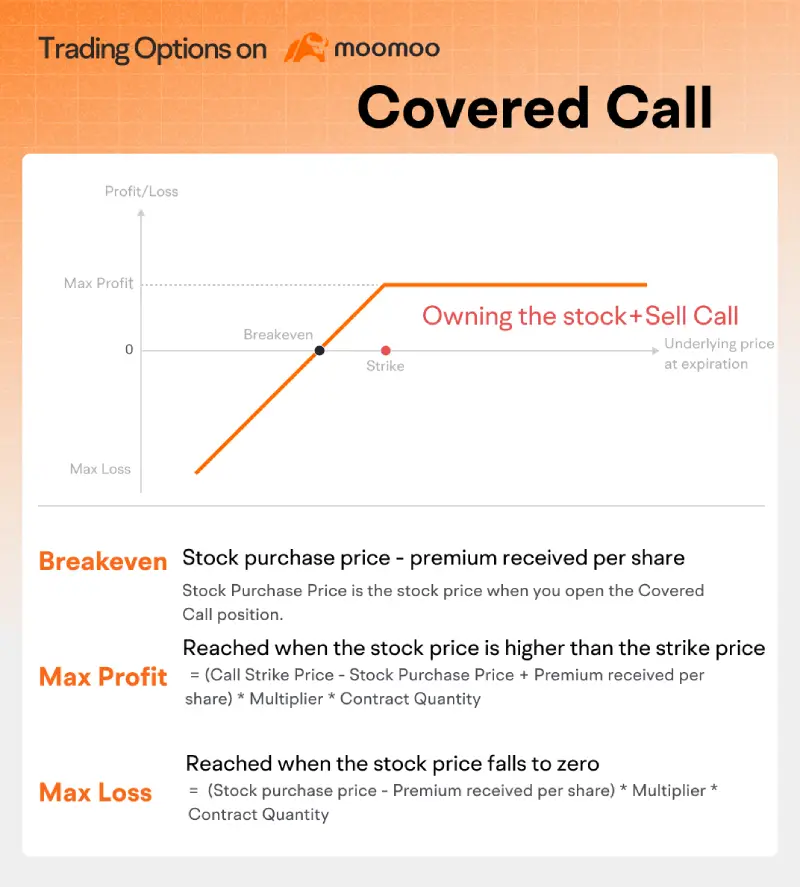
A covered call strategy involves selling call options on an owned ETF position to generate additional income from premium collection while potentially capping upside gains, most suitable in neutral to moderately bullish markets to enhance returns.
Benefits & Risks:
Benefits: Earns premium income, reduces cost basis of ETF.
Risks: If the ETF price rises above the strike price, the trader may miss out on additional upside.
Learn more about the covered call option strategy >>
Protective Put Strategy
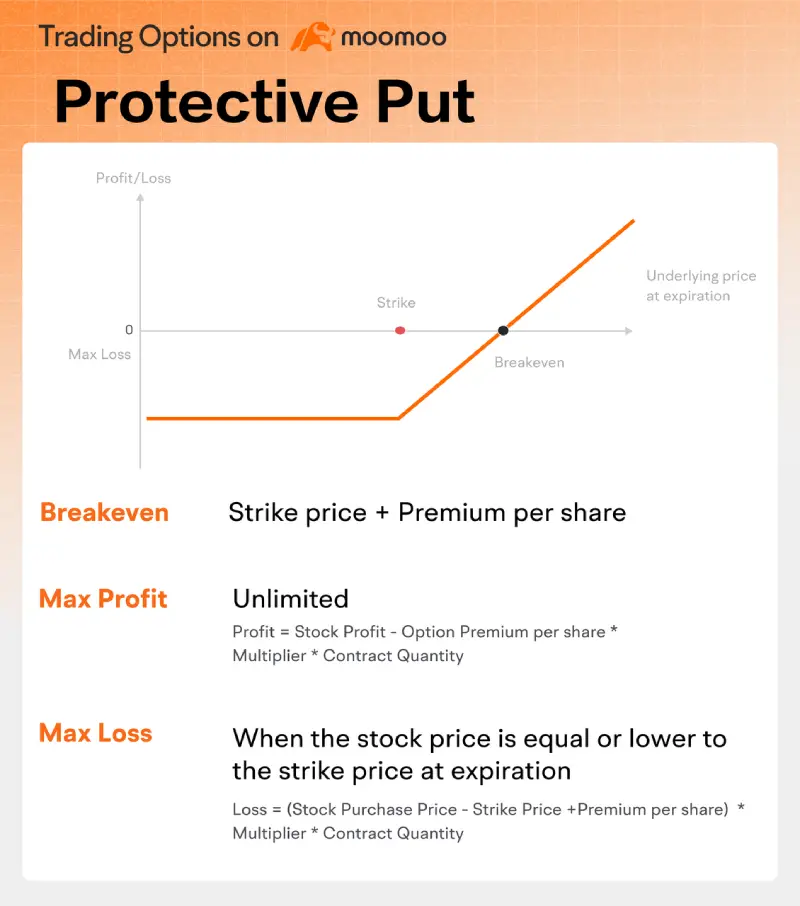
The protective put strategy involves buying put options on an ETF you already own to protect against significant downward price movement. It’s often used when you want to protect a position but still participate in upside potential.
Benefits & Risks
Benefits: Provides downside protection while allowing upside potential.
Risks: The cost of the put premium can reduce overall returns.
Iron Condor
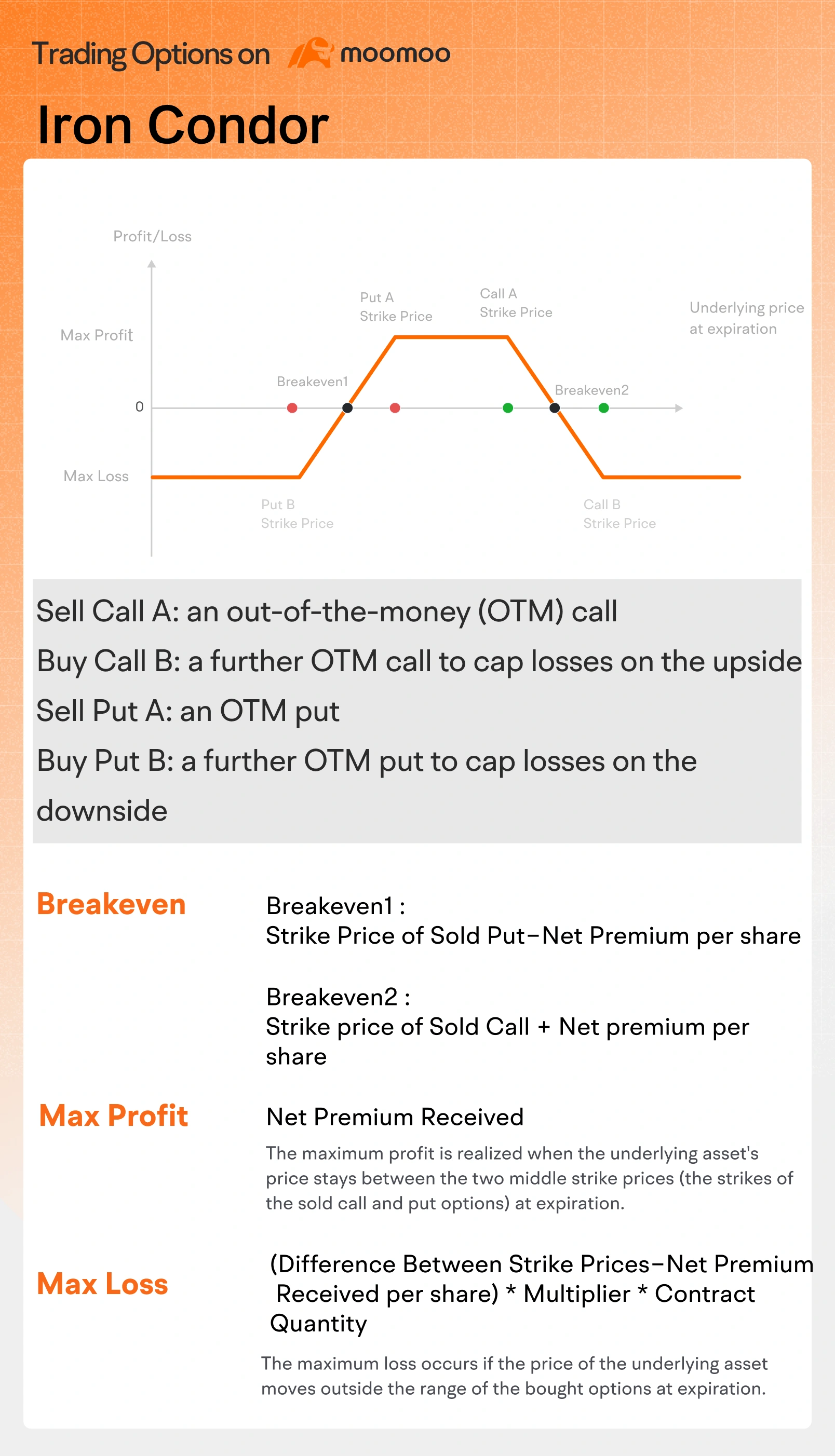
This is a more advanced strategy where the trader sells an out-of-the-money put, buys a further out-of-the-money put, sells an out-of-the-money call, and buys a further out-of-the-money call. The goal is to profit from minimal movement in the ETF price. It's best used when the trader believes the ETF will remain within a certain range by expiration.
Benefits & Risks
Benefits: Limited risk and potential to generate consistent income in flat markets.
Risks: If the ETF price moves sharply in either direction, the losses can be significant.
Straddle Strategy
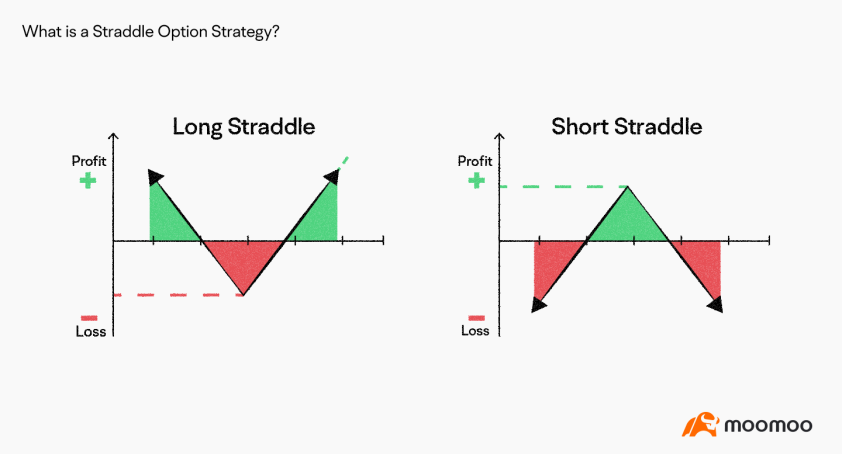
A straddle involves buying both a call and a put option on the same ETF with the same strike price and expiration. It’s used to profit from large price movements, regardless of direction. It is useful when you expect high volatility but are uncertain about the direction of the price movement.
Benefits & Risks:
Benefits: Potential for large profits if the ETF moves significantly in either direction.
Risks: Can result in a total loss of premium if the price stays relatively stable.
Risks and Challenges of ETF Options
Market Risk and Volatility
Understanding the impact of market fluctuations on ETF options: Even diversified ETFs can be impacted by market downturns, economic shifts, and sudden volatility spikes.
Time Decay (Theta) and Its Impact
Options lose value as they near expiration, so traders must account for time decay when planning strategies.
Liquidity Risk
How low liquidity can affect ETF options pricing: Options on less-traded ETFs may have wider bid-ask spreads, making entry and exit costly.
Avoiding Slippage in Low-Volume ETFs: Stick to ETFs with high trading volume and active options markets to minimize slippage.
Popular ETFs for Options Trading
SPDR S&P 500 ETF (SPY)
$SPDR S&P 500 ETF (SPY.US)$ SPY is one of the most liquid ETFs, making it a favorite among options traders. It tracks large-cap U.S. stocks, offering high liquidity, tight spreads, and high volatility, making it a favorite for both hedging and speculative options trades.
Invesco QQQ Trust (QQQ)
$Invesco QQQ Trust (QQQ.US)$ QQQ tracks the Nasdaq-100, focusing on tech-heavy growth stocks. Its volatility offers opportunities for traders looking to profit from sharp price movements, and its liquidity is ideal for quick trades.
iShares Russell 2000 ETF (IWM)
$iShares Russell 2000 ETF (IWM.US)$ IWM tracks the small-cap Russell 2000 index, providing traders with exposure to smaller, more volatile companies. This can be a good option for those seeking higher risk and reward potential - for active traders.
How to Start Trading ETF Options on moomoo?
Why choose moomoo to trade ETF options?
Moomoo Canada provides a user-friendly platform for ETF options trading with features including real-time market data, AI-powered analysis, powerful trading tools, latest options news, and educational resources. It allows you to trade options on any device, including mobile and desktop, so you can start investing anywhere, anytime. What's more, moomoo Canada offers low contract fees for options trading, and its sleek interface, fast execution, and mobile-desktop flexibility make trading smooth and stress-free for all users.

Key features of moomoo:
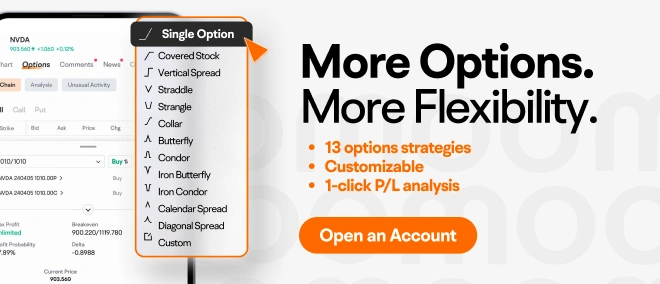
13 Options strategies: moomoo provides 13 options strategies to help you invest smarter in various market conditions.
Options chain: Providing traders with a quick and comprehensive overview of all available option contracts for a specific underlying asset.
Volatility analysis: It offers advanced volatility analysis tools that provide deeper insights into the implied volatility of options, helping you assess whether options are relatively cheap or expensive.
Options screener: You can quickly filter and identify options contracts that meet specific criteria or investment strategies with moomoo.
Unusual options activity: Monitoring for unusual option activity can tell you that institutional investors or informed traders are taking significant positions, which might indicate an upcoming price movement in the underlying asset.
P/L analysis: Profit and Loss (P/L) analysis tool enables you to visualize potential outcomes of an options strategy across various underlying asset prices and timeframes, helping you make smarter decisions.
Paper trading options: If you are new to trading options, you can paper trade options with moomoo to improve your trading skills first.
Moomoo empowers ETF options traders with a powerful, accessible, and cost-effective platform featuring advanced analytical tools, comprehensive option strategies, educational support, and more. You can start trying moomoo today for smarter trading decisions.
How to trade ETF options with moomoo?
Step 1:Create an account with moomoo
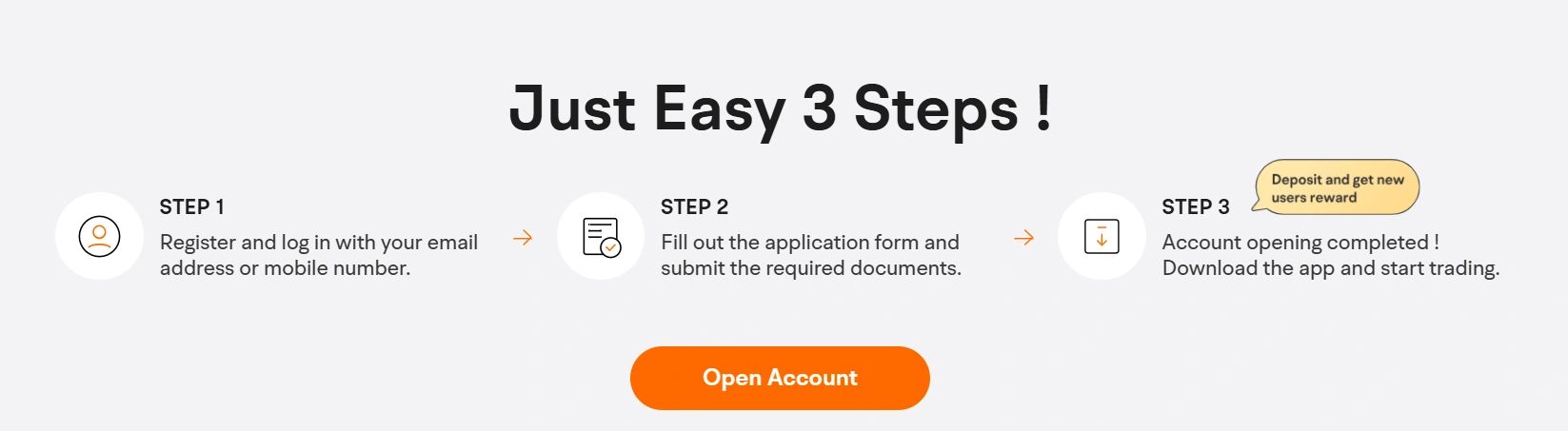
If you don't have an account, you can easily open one in just 3 steps with moomoo. Firstly, you can register with your email address or mobile number, and then submit the application form and other documents.
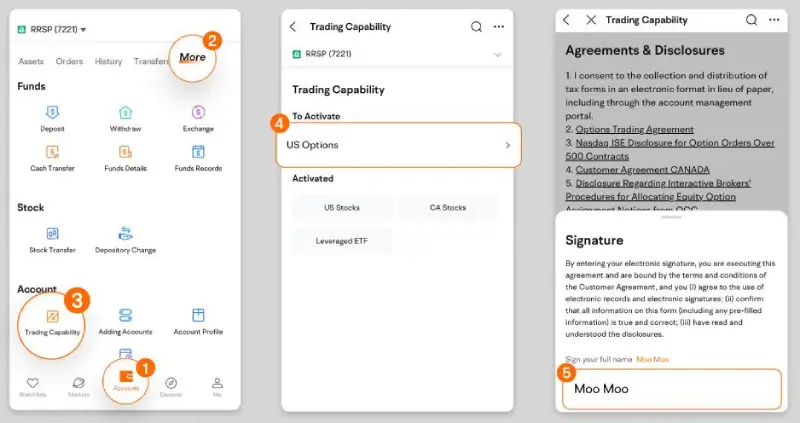
Step 2:Activate your options trading permissions
After opening a moomoo account, you need to activate your options trading permissions.
Here's how: Accounts > More > Trading Capability > US Options > Signature
If your account or user profile doesn't meet the activation requirements for options trading, you might need to fill out a relevant questionnaire.
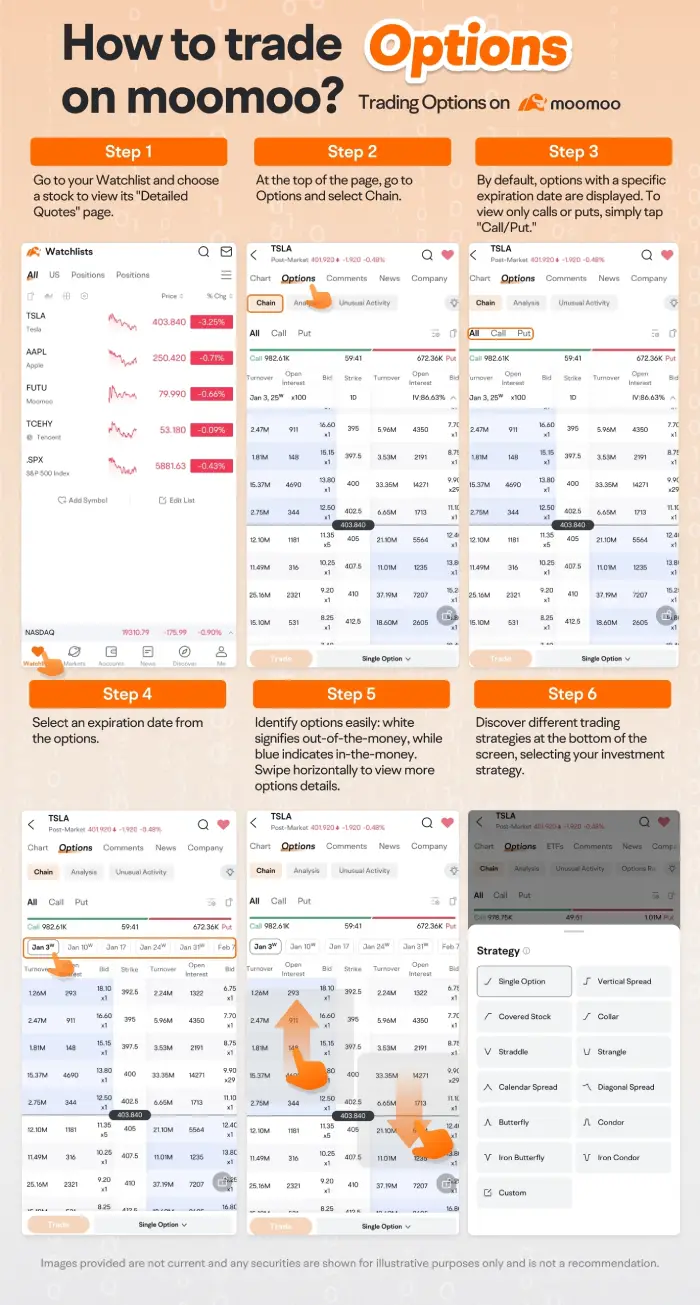
Step 3:Select ETF options to trade
Once you've activated your options trading permissions, you can start trading ETF options on moomoo Canada. It offers a user-friendly interface and a range of easy-to-use tools to help you strategize your trades.
H2: Tax Implications of ETF Options
How ETF Options Are Taxed
Gains from ETF options are typically considered short-term if held less than one year, taxed at ordinary income rates; long-term capital gains apply if held longer.
Option premiums received or paid affect the cost basis and gains treatment, with complex rules depending on the option type and outcome. Premiums received from selling options are generally taxed as short-term gains, regardless of holding period.
Strategies to Minimize Taxes on ETF Options
For tax-efficient trading, you can consider holding positions for more than a year, using tax-advantaged accounts, and strategically timing trades to offset gains. Moreover, you can also consult with tax professionals for tailored planning based on individual circumstances.
FAQs about ETF options
Are options ETFs a good investment?
Yes, ETF options can be valuable for experienced traders seeking flexibility, leverage, and hedging tools, but they carry higher complexity and risk. For beginners, starting with low-cost, transparent ETFs (avoiding leverage/ROC) is prudent.
Are ETF options safer than stock options?
ETF options generally carry diversified risk due to underlying baskets, which may reduce volatility risk compared to single stock options, but they are not inherently "safe" due to ETF diversification; market and volatility risks remain.
Can I exercise ETF options to own the underlying shares?
Yes, if you hold an option until expiration, you can exercise it and take ownership of the underlying ETF shares, depending on whether it’s a call or put option. Exercising a call option results in the physical delivery of the underlying ETF shares, allowing owners to convert options into holdings.
What’s the minimum capital needed to trade ETF options?
The minimum capital varies depending on the broker, option premium, the specific ETF, and the strategy you’re using. ETF options require less capital than buying shares outright, making them accessible to various investor sizes. Regarding the broker, for example, moomoo offers competitive fees and allows traders to begin with a relatively small initial deposit.
This presentation is for informational and educational use only and is not a recommendation or endorsement of any particular investment or investment strategy. Investment information provided in this content is general in nature, strictly for illustrative purposes, and may not be appropriate for all investors. Read more