Covered Call and Covered Put Options Strategies
Covered calls and covered puts are valuable strategies for Canadian options traders looking to boost returns or manage risk alongside their equity holdings. When used appropriately, these strategies can help investors earn additional income, through premiums, whether or not the options are ultimately exercised.
Here's how it works: By selling options linked to a stock you already own or have shorted, you collect a premium upfront. This premium serves as compensation for taking on certain obligations, such as agreeing to sell or buy the stock at a predetermined price. It also provides a cushion against potential market volatility.
These strategies may appeal to two types of investors:
Investors preparing to sell: If you're holding a stock and are comfortable parting with it at a specific price, a covered call allows you to earn a premium while potentially realizing gains if the stock appreciates and gets called away.
Investors managing a short position: Covered puts involve selling put options on a stock you’ve already shorted. This approach can reduce some of the downside risk by offsetting potential losses with the income earned from the premiums.
What is a covered call?
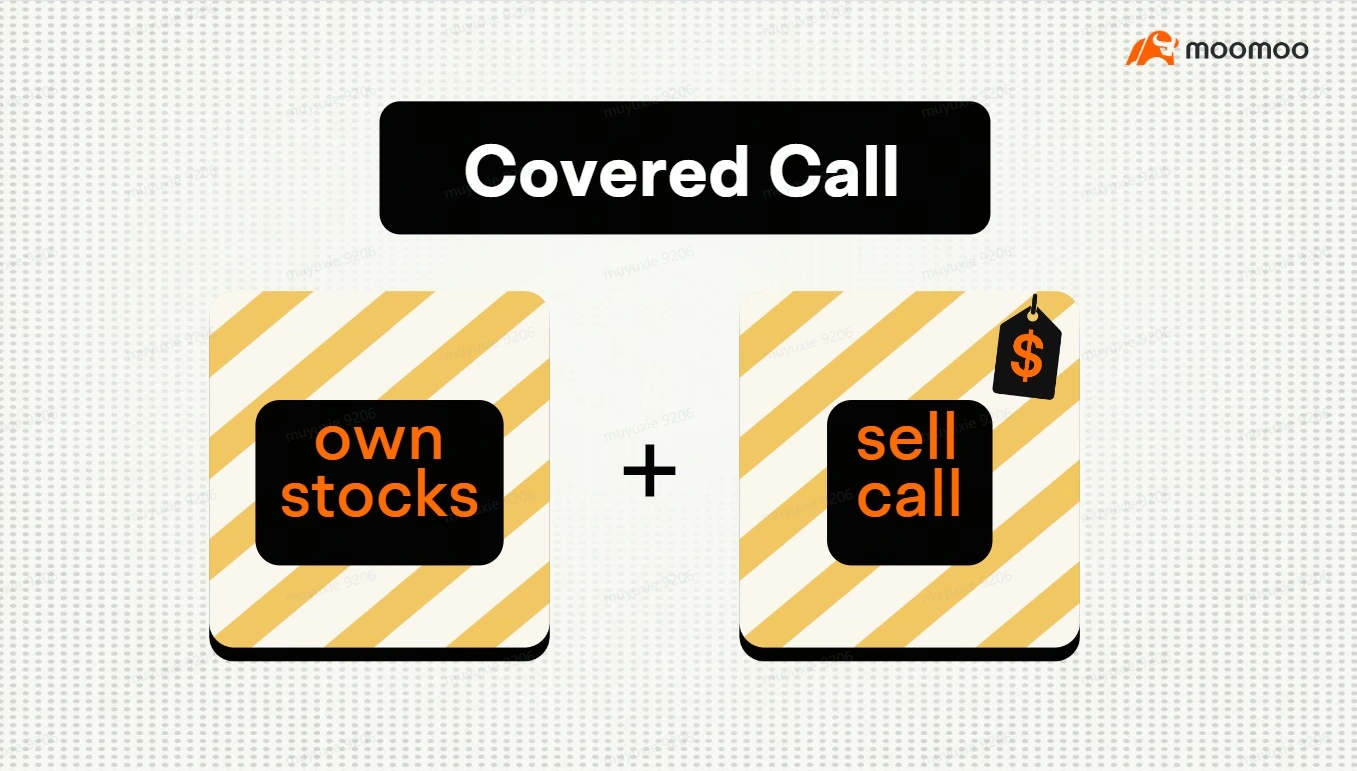
A covered call is a straightforward options trading strategy where you sell a call option for each 100 shares of a stock you already own. It's a popular way to generate additional income from your existing equity position and is available through most major Canadian options trading platform.
This strategy works by trading off some of the potential upside of your stock in return for an immediate cash premium. Selling a call option on its own can be risky, since you're obligated to sell the stock if it rises sharply, but holding the underlying shares helps protect against those risks, effectively capping your maximum loss while creating an opportunity for steady income.
When the option reaches its expiration date, there are two possible outcomes:
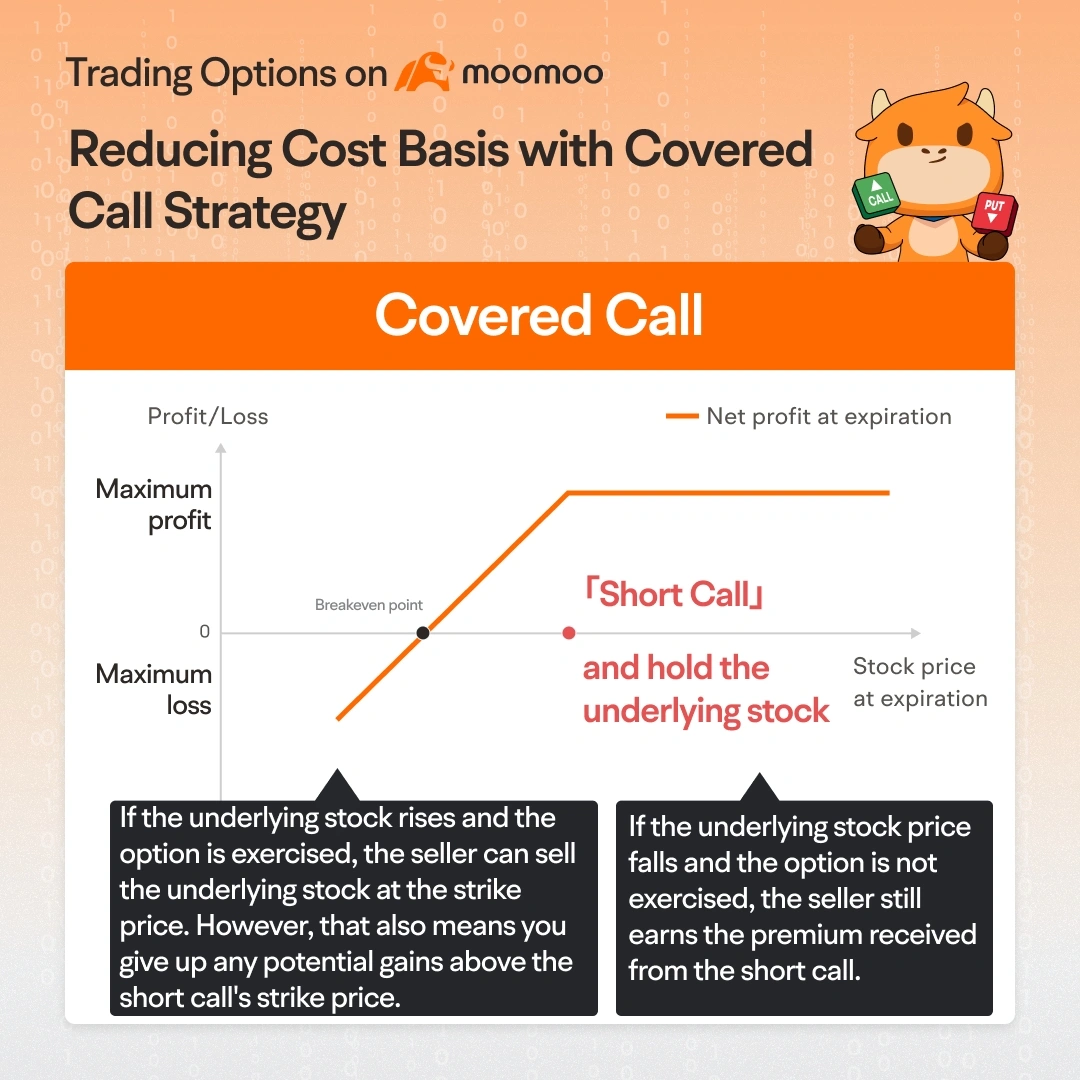
If the stock closes above the strike price, the buyer of the option can exercise it, purchasing your shares at the agreed-upon price. You still keep the premium you received when selling the option.
If the stock closes below the strike price, the option expires worthless, and you retain both the premium and your shares.
When to use and when to avoid covered calls?
Covered calls work best when the stock you're holding is expected to remain relatively stable or show modest gains over time. In this type of market environment, you can consistently collect option premiums without risking significant upside or downside movement. This makes the strategy attractive for investors aiming to enhance returns on stocks they’re willing to hold or sell at a set price.
On the other hand, covered calls may not be ideal if the stock is highly volatile. If the share price surges well beyond the strike price, you’ll have to sell your stock at that lower strike price and miss out on potential profits. Conversely, if the stock declines sharply, the premium you received offers only limited downside protection, and you could incur a substantial loss on your holdings.
Example of a covered call option strategy
Let’s run through an example to see how covered calls work.
Suppose you purchase 100 shares of a company called XYZ at $50 per share, investing $5,000 in total. You believe the stock price might rise modestly but not exceed $55 in the near term. To generate extra income, you sell one call option contract (which covers 100 shares) with a strike price of $55, expiring in six months, and receive a premium of $4 per share, or $400 total.
If XYZ’s stock price stays below $55 by expiration, the call option will likely expire worthless. You keep your 100 shares and the $400 premium as profit, effectively reducing your cost basis to $46 per share ($50 - $4).
If the stock price rises above $55, the option buyer may exercise the call, requiring you to sell your shares at $55 each. You still keep the $400 premium, so your effective sale price is $59 per share ($55 + $4), locking in a profit but capping your upside beyond $55.
If the stock price falls below $50, your loss on the stock is partially offset by the $400 premium received, cushioning the downside.
This strategy is best suited for investors who expect little to moderate price appreciation and want to earn income while holding the stock. It limits potential gains if the stock surges but provides some downside protection through the premium collected.
Potential pros and cons of covered calls
Covered calls are a popular options strategy among Canadian investors seeking to enhance income from their stock holdings.
By selling call options against these shares, investors can collect premiums that provide some income and limited downside protection.
However, like any investment strategy, covered calls come with both advantages and disadvantages that should be carefully considered before implementation.
Pros of covered calls
Generates additional income: Selling call options provides immediate income through premiums, which can enhance overall returns on stock holdings, especially in flat or mildly bullish markets.
Some downside protection: The premium received from selling the call option can offset minor declines in the stock's price, offering a cushion against losses.
Relatively easy to implement: Covered calls require owning the stock and selling call options, making it simpler than many other options strategies.
Can be executed repeatedly: If the call expires worthless, the investor retains the shares and can sell new calls repeatedly, generating consistent income over time.
Cons of covered calls
Limited potential gains in exchange for downside risk: By using a covered call strategy, you can generate a modest income. However, you must also accept the risk of any decline in the stock's value, which can result in an imbalanced risk-reward scenario.
Giving up the stock’s full upside: A key reason many investors hold a stock is the potential for long-term growth. By using a covered call, you limit that upside during the option’s life. If the stock climbs significantly, you forgo any gains above the strike price, missing out on profits you might have otherwise captured.
Capital requirement: Since the strategy requires owning 100 shares per call contract, it demands a substantial upfront investment, which may limit accessibility for some investors.
Potential tax implications: Generating income through covered calls in a non-registered account can result in taxable income. Furthermore, if your shares are sold because the option is exercised, you may also trigger a capital gains tax if the stock has appreciated since you purchased it.
What is a covered put?
A covered put is an options trading strategy that involves holding a short position in a stock (selling shares you do not own) while simultaneously selling put options on the same stock.
This approach is typically used when an investor has a neutral to slightly bearish outlook on the stock. By selling the put options, the investor collects premiums, which provide some income and partial protection against the risk of the stock price rising.
In this strategy, for every 100 shares shorted, the investor sells one put option contract. The put option obligates the investor to buy shares at the strike price if the option buyer exercises it, which can help cover the short position if the stock price falls.
The premium received from selling the put cushions against potential losses if the stock price rises, but the overall risk remains unlimited because the stock price can theoretically increase without bound, leading to potentially large losses on the short shares.
When to use and when to avoid a covered put?
A covered put strategy is best suited for investors who have a moderately bearish or neutral outlook on a stock and plan to hold a short position in that stock for an extended period.
It involves short-selling shares and simultaneously selling put options on the same stock to generate income from premiums and reduce the cost basis of the short position.
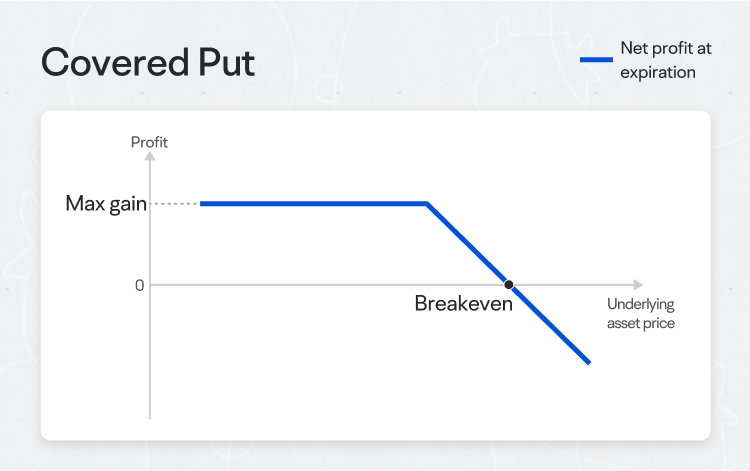
When to use a covered put?
Moderately bearish market outlook: Use covered puts when you expect the stock price to decline slightly or remain relatively flat. This allows you to profit from the short position while collecting premiums from selling puts.
Generating income on short positions: If you already hold a short stock position, selling puts can provide additional income and help offset some losses or reduce the overall cost basis of the short shares.
When to avoid a covered put?
Bullish market expectations: Avoid covered puts if you anticipate the stock price will rise significantly. Losses on the short stock position are unlimited if the stock surges, and premiums received may not offset these losses.
High volatility or uncertain market conditions: Sudden upward price spikes can lead to substantial losses, making the strategy risky in volatile markets.
Requirement for margin account and capital: The strategy requires a margin account and sufficient capital to maintain the short position and meet margin calls.
In summary, covered puts are effective when you expect a slight decline or stable prices and want to generate income on a short stock position. They should be avoided when expecting significant price increases or in highly volatile markets due to the unlimited risk associated with short selling.
Example of a covered put option strategy
Let’s run through an example to see how a covered put works.
Imagine you short 100 shares of a stock called XYZ at $55 per share because you expect the price to decline. Currently, XYZ is trading at $50.
To generate extra income and partially protect against the risk of the stock price rising, you sell one put option contract on XYZ with a strike price of $45, receiving a premium of $2 per share (total $200, since one contract covers 100 shares).
Aspect | Details |
Short Stock Position | 100 shares of XYZ shorted at $55 per share |
Current Stock Price | $50 |
Put Option Sold | 1 contract, strike price $45, premium $2 per share ($200) |
Maximum Profit | (Short sale price−Put strike)+Premium (Short sale price - Put strike) + Premium (Short sale price−Put strike)+Premium× 100 =(55−45)+2 (55 - 45) + 2 (55−45)+2× 100 = $1,200 |
Maximum Loss | Unlimited (if stock price rises sharply) |
Breakeven Point | Short sale price + premium = $55 + $2 = $57 |
Outcome if Stock > $45 at Expiration | Put expires worthless; keep premium; maintain short position |
Outcome if Stock < $45 at Expiration | Assigned; buy shares at $45; profit capped at $1,200 total |
You may also like: Can I Do Options Trading in TFSA? Check our detailed guide!
Benefits and risks of a covered put
A covered put strategy involves short-selling shares of a stock while simultaneously selling put options on the same stock. This approach is typically used when an investor has a neutral to slightly bearish outlook.
While it can be a powerful tool in the right market conditions, it also comes with notable risks that traders should fully understand.
Key benefits of a covered put option strategy
Income generation through premiums: Selling put options provides immediate income in the form of premiums. This income can help offset potential losses from the short stock position.
Partial hedge against price increases: The premium income cushions some losses if the stock price rises moderately, providing a limited buffer against adverse price movements.
Improved break-even point: The premium earned reduces the effective cost of your short position, giving you a lower break-even price and potentially increasing profitability if the stock declines.
Strategic flexibility: You have the flexibility to manage your position by adjusting the trade, for example, by rolling the put option to a later expiration date, allowing you to respond to changing market conditions.
Potential risks of a covered put option strategy
Unlimited loss potential on the short stock: If the stock price rises sharply, losses from the short stock can be substantial and are only partially offset by the put premium.
Obligation to buy at strike price: If the stock price drops below the strike price, you may be obligated to buy the shares at the strike price, even if they’re worth significantly less, increasing your exposure.
Margin requirements and costs: Covered puts require a margin account and sufficient capital to maintain the short position. Margin calls can occur if the stock price rises, forcing additional deposits or liquidation.
Complexity and monitoring: Managing a covered put requires ongoing attention to market movements and risk management due to the combination of short stock and option selling.

How to create covered call & covered put option strategies on moomoo?
If you're looking to enhance your stock portfolio or hedge against market movements, covered calls and covered puts are two widely used options strategies worth considering.
With moomoo’s intuitive platform, Canadian investors can easily set up and manage these strategies with real-time data, comprehensive tools, and low commissions.
In this section, we’ll explore why moomoo is a strong choice for options trading and walk you through how to create covered call and covered put positions step by step.
Why choose moomoo to trade options?
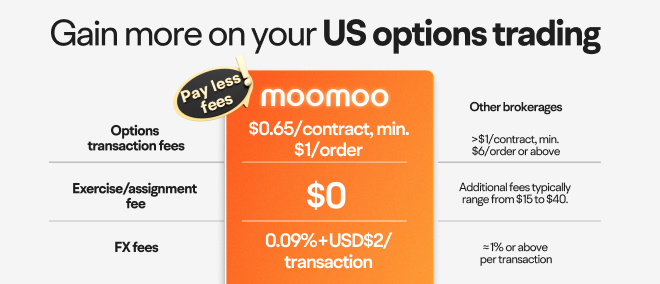
Low-cost trading: moomoo charges just $0.65 per options contract, with a $1 minimum per order, significantly more affordable than traditional banks.
Competitive currency exchange: moomoo offers one of the most attractive USD/CAD exchange rates available, with a low fee of just 0.09% plus US$2, making cross-border investing more accessible.
Free real-time level 2 data: Get access to real-time Level 2 options chain data at no cost.
Support 13 options trading strategies: With 13 built-in options strategies, including Covered Call, Vertical Spread, Straddle, Strangle, Iron Condor, Butterfly, and more.
Paper trading for practice: New to options or testing a new strategy? moomoo’s paper trading feature lets you simulate real-time trades with no financial risk.
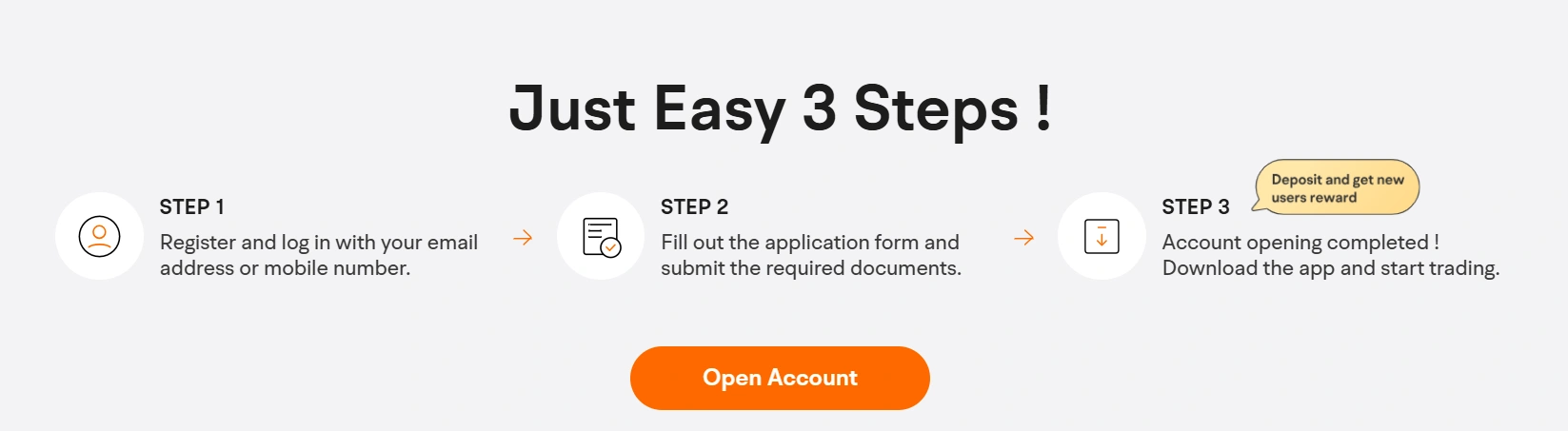
If you don't have a moomoo account yet, you can open one in just three steps!
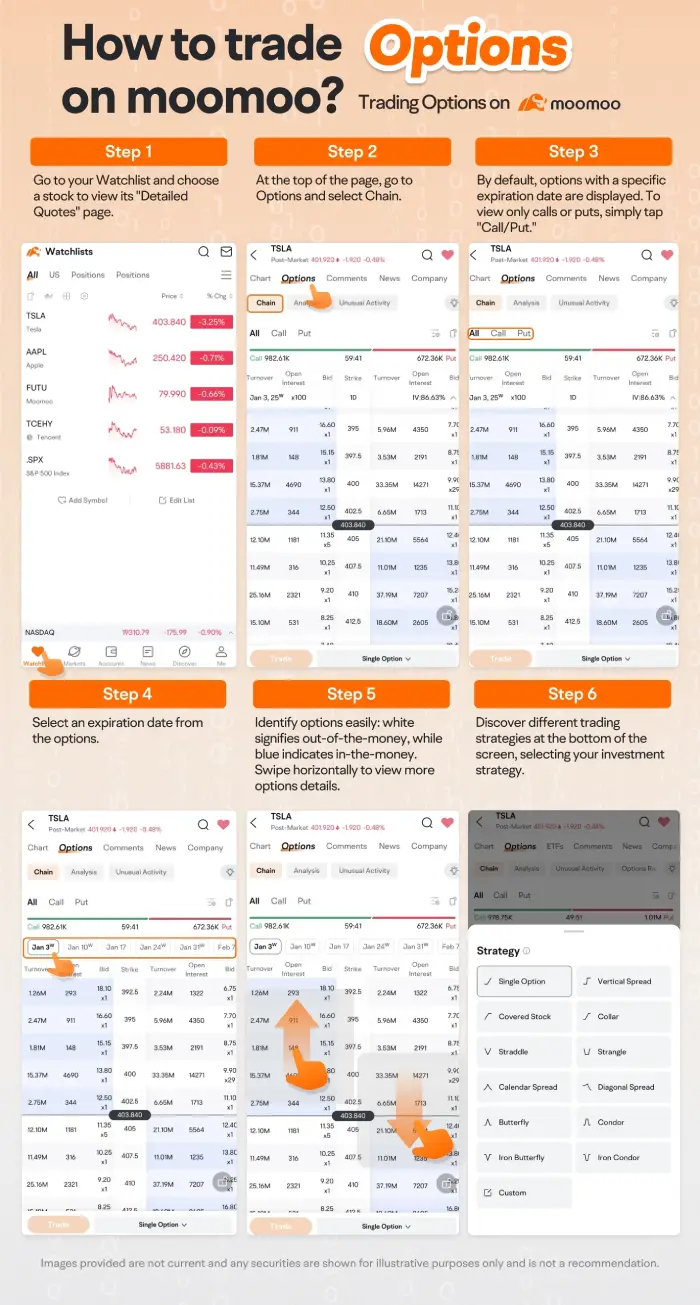
Step-by-step guide to trade options on moomoo
FAQs about covered calls & covered put option strategies
1. What's the difference between covered calls and covered puts?
Covered calls and covered puts are both options strategies designed to generate income, but they differ primarily in the underlying position and market outlook.
A covered call involves owning the underlying stock and selling call options on it, aiming to earn premium income in a neutral to bullish market while potentially selling the stock at the strike price if exercised.
In contrast, a covered put involves holding a short position in the stock and selling put options, generating premiums with a neutral to bearish outlook and potentially buying back shares if assigned.
Essentially, covered calls are used when you own the stock and expect stable or rising prices, while covered puts are used when you are short the stock and expect stable or declining prices.
2. Are covered calls a profitable strategy?
Like all trading strategies, covered calls come with no guaranteed profits. The optimal outcome occurs when the stock price increases to exactly the strike price of the call option sold—no higher.
In this scenario, the investor gains from the stock’s modest rise and keeps the entire premium as the option expires worthless. While covered calls have both pros and cons, when applied to the right stock, they can be an effective way to generate income or lower your average cost basis.
3. What’s the difference between selling a covered put and writing a covered put?
Selling a covered put and writing a covered put refer to the same strategy. Both terms describe the act of initiating a short put option while simultaneously holding a short position in the underlying stock. In options trading, "selling" and "writing" are used interchangeably—they both mean you're creating the option contract and acting as the counterparty to the buyer.
4. Can you use a covered put for hedging?
Yes, you can use a covered put for hedging. This strategy involves short-selling shares and selling put options on the same stock, which helps generate premium income that cushions potential losses on the short position.
The put option acts as a partial hedge by obligating you to buy shares at the strike price if assigned, thereby covering your short position. However, while it provides some downside protection against moderate price increases, the overall risk remains unlimited if the stock price rises sharply, so careful risk management is essential.
This presentation is for informational and educational use only and is not a recommendation or endorsement of any particular investment or investment strategy. Investment information provided in this content is general in nature, strictly for illustrative purposes, and may not be appropriate for all investors. Read more