TFSA Options Trading | Can I Do Options Trading in TFSA?
If you're a Canadian investor looking to grow your wealth tax-free, you might be wondering if options trading is allowed within a Tax-Free Savings Account (TFSA). The good news is that certain options strategies are permitted in a TFSA, offering potential for tax-free gains. However, it's essential to understand the rules and limitations to avoid unintended tax consequences.
In this article, we’ll break down everything you need to know about TFSA options trading. You’ll learn how options work in a TFSA, what strategies are allowed, and how to avoid potential tax issues. We will also show you how to trade options through the moomoo platform, with a step-by-step guide. Let’s get started!
Understanding TFSA and qualified investments
Under the Income Tax Act, qualified investments are specific types of property that can be held within registered accounts like the TFSA. These investments must meet certain criteria to ensure they are eligible for the tax advantages offered by these accounts.
Cash, guaranteed investment certificates (GICs), corporate and government bonds, equities, mutual funds, exchange-traded funds (ETFs), and some shares of small business corporations are examples of common qualifying investments. Notably, securities that are traded on a designated stock exchange, one that is formally recognized by the Canadian government, are usually accepted as qualified investments.
Options, including put and call options, are explicitly listed as qualified investments under the Income Tax Act, provided they are traded on a designated stock exchange. This means Canadian investors can hold and trade options within their TFSA without violating the rules governing qualified investments. This eligibility extends to other registered accounts as well, such as Registered Retirement Savings Plan (RRSP) and First Home Savings Account (FHSA), allowing for a broad range of investment strategies across different tax-advantaged accounts.
How options trading works?
Options trading is the practice of purchasing and selling contracts that allow, but do not require, you to buy or sell an underlying asset, typically stocks, at a fixed price (known as the strike price) within a set time frame. These contracts come in two primary forms: call options, which grant the right to purchase the asset, and put options, which grant the right to sell it. When you buy an option, you pay a premium, which is the price of the contract. This premium is influenced by factors such as the current stock price, the strike price, time until expiration, and market volatility.
Options trading works by allowing investors to speculate on the direction of stock prices or hedge their existing positions. Buyers of options (called holders) have limited risk, confined to the premium paid, since they can choose not to exercise the option if it’s not profitable. Sellers of options (called writers), on the other hand, have an obligation to buy or sell the underlying asset if the option is exercised, which can expose them to significant risk.
Many traders also close their positions by selling the options contract before expiration to realize profits or cut losses. The value of an option changes over time due to factors such as intrinsic value (how much the option is in-the-money) and time value (the potential for the option to become profitable before expiry). Common strategies include buying calls or puts, selling covered calls, and using spreads to limit risk while speculating on price movements.
Can I do options trading in TFSA?
Yes, you can do options trading in a TFSA, but with some important considerations. Options are considered qualified investments under the Income Tax Act, meaning they can legally be held and traded within a TFSA account. Many Canadian brokerages allow trading of basic options strategies (often referred to as option levels 1 and 2) inside TFSA, including buying calls and puts and writing covered calls.
However, the Canada Revenue Agency (CRA) expects TFSA trading to be for investment purposes, not as a business. If your options trading is very frequent or resembles day trading, CRA may consider it carrying on a business, which could lead to losing the TFSA’s tax-free status on those gains. Therefore, while you can trade options in your TFSA, it’s advisable to avoid excessive or highly speculative trading.
Options trading is also permitted in other registered accounts like RRSP, as well as in personal non-registered accounts, each with different tax implications. The TFSA offers the advantage that any gains from options trading are completely tax-free, even upon withdrawal, unlike non-registered accounts where gains may be taxable. This makes the TFSA an attractive vehicle for Canadian investors who want to include options in their portfolio within a tax-advantaged environment.
How to make TFSA Options Trading easily
You already know that options can amplify returns in a TFSA—where profits are completely tax-free—but the reality is that options are far more complex than stocks. Faced with different strikes, expirations, and call/put combinations, it’s hard to know which strategy fits today’s market. Even if you’ve heard of covered calls, vertical spreads, or straddles, actually building them often means selecting multiple contracts and placing orders one by one—time-consuming and error-prone. A small delay can cause legs to fill at mismatched prices, undermining the strategy. Liquidity is another worry: choose a thinly traded contract and you may struggle to exit or get stuck with poor pricing. Traditional brokers compound this with clunky interfaces and fragmented tools, making the learning curve even steeper. You need a platform that can match strategies intelligently, execute efficiently, and help you spot liquidity risks—end to end.
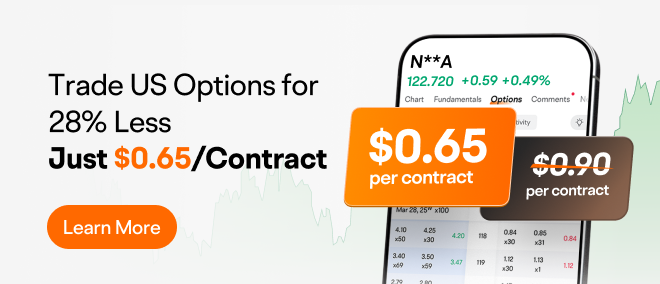
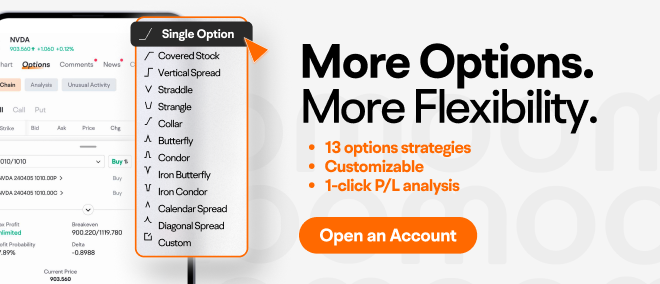
Moomoo delivers exactly that for TFSA options trading. Our Strategy Builder aligns strategies with your market outlook (bullish/bearish/neutral), target move, budget, and expiration, then clearly labels risk/reward for each recommendation so you don’t have to memorize dozens of setups. With one click, the system sends all legs simultaneously, helping multi-leg strategies fill at near-identical prices and reducing the risk of slippage or strategy failure. We support 13 strategies—from single-leg calls/puts to iron condors, iron butterflies, straddles, strangles, and more—so you can trade confidently across market regimes. Pair this with Options Rankings to screen contracts by volume, turnover, open interest, or implied volatility, and you’ll quickly zero in on the most liquid strikes where big money is active, avoiding dead zones. Before you trade, our Option Price Calculator uses the Black-Scholes model to estimate fair value, so you can gauge whether a contract is overpriced or weunderpriced. Many platforms don’t offer this level of automation: Wealthsimple supports only supports basic single-leg and two-leg strategies; Questrade’s Edge has a builder but is less smart. Moomoo makes these professional tools free.
Join moomoo now to unlock the full potential of options in your TFSA. One-click strategy building, 13 flexible strategies, liquidity-first rankings, and a Black-Scholes price calculator help you trade faster and smarter—features missing on Wealthsimple and paywalled elsewhere.
What options strategies are suitable for a TFSA?
When trading options within a TFSA in Canada, it's crucial to adhere to strategies permitted by the Canada Revenue Agency (CRA). Generally, TFSA is limited to Level 2 options trading strategies, which include:
1. Long Call: This strategy involves purchasing a call option, granting the right to buy the underlying asset at a predetermined price before the option's expiration. It's typically used when anticipating a rise in the asset's price.
2. Long Put: Here, you buy a put option, providing the right to sell the underlying asset at a set price. This approach is often employed when expecting a decline in the asset's value.
3. Covered Call: This involves holding a long position in an asset and selling a call option on the same asset. It's a strategy used to generate additional income from the asset, especially when anticipating minimal price movement.
4. Married Put: This strategy entails purchasing a put option while simultaneously owning the underlying asset. It's a protective measure against potential declines in the asset's price.
It's essential to avoid complex strategies like naked calls or puts, spreads, or straddles within a TFSA, as these can be considered high-risk and may not comply with CRA regulations. Engaging in such activities could lead the CRA to classify your TFSA as carrying on a business, resulting in potential tax implications.
Learn more: An overview of options strategies>>
Benefits of options trading in TFSA
Options trading within a TFSA offers Canadian investors unique advantages by combining the flexibility of options strategies with the tax-free growth and withdrawals that a TFSA provides. This blend can help investors enhance returns, manage risk, and diversify their portfolios more effectively than investment of US Stocks in TFSA.
However, it’s important to approach options trading in a TFSA with a clear understanding of both the benefits and the rules to avoid potential tax complications.
Here are some key benefits of options trading in TFSA:
Tax-free growth and withdrawals: Any profits earned from options trading inside a TFSA are completely tax-free, meaning you do not pay capital gains tax or income tax on gains, nor are withdrawals taxed. This allows your returns from options strategies to compound without tax drag, maximizing your investment growth over time.
Leverage with limited capital: Options let you manage a larger investment using a relatively small initial amount, known as the premium. This approach can increase your potential returns while limiting the amount of capital you need to invest upfront. This leverage can be especially powerful in a TFSA since all gains remain tax-free.
Flexibility to profit in various market conditions: Options provide the ability to profit not only when markets rise but also when they fall or remain flat. Strategies like buying puts for downside protection or writing covered calls for income generation can be executed within a TFSA, enhancing portfolio versatility.
Risk management & hedging: Options can serve as a hedge against potential losses in your portfolio. For example, buying put options can protect your holdings from a market downturn, which is valuable in a TFSA where you want to preserve your tax-advantaged capital.
Diversification of investment strategies: Incorporating options into your TFSA allows you to diversify beyond traditional stocks and ETFs. This can help balance risk and reward in your overall portfolio, leveraging different market scenarios to your advantage.

Potential risks of trading options in TFSA
While trading options in a TFSA offers attractive tax benefits, it also carries certain risks that Canadian investors need to be aware of. The key concern is that the Canada Revenue Agency (CRA) may view frequent or highly speculative options trading as carrying on a business rather than simple investing. This distinction can have serious tax consequences and may jeopardize the tax-free status of your TFSA gains.
Additionally, options trading itself involves financial risks that can lead to significant losses if not managed carefully.
Here are some potential risks of trading options in TFSA:
Risk of losing TFSA’s tax-free status
If the CRA determines that your options trading activity in a TFSA amounts to running a business—such as frequent day trading or speculative option writing—they may tax your gains as business income. This means you could face retroactive taxes, penalties, and interest, losing the primary benefit of the TFSA’s tax shelter.
High financial risk and potential losses
Options are leveraged instruments, meaning small price movements in the underlying asset can cause large swings in option values. Many options expire worthless if they are not profitable by expiration, which can lead to total loss of the premium paid. This risk is magnified in a TFSA, where losses do not generate tax deductions or credits.
Limited ability to claim losses
Unlike non-registered accounts, losses inside a TFSA cannot be claimed to offset gains or reduce taxable income. This means poor options trades can permanently reduce your TFSA contribution room and overall portfolio value without any tax relief.
Potential for CRA scrutiny
Large gains, rapid growth, or frequent trading activity in your TFSA can attract CRA attention and audits. The agency is increasingly monitoring registered accounts to ensure compliance with tax rules and may challenge aggressive trading strategies.
How to do options trading in TFSA on moomoo?
For Canadian investors looking to trade options within their TFSA, moomoo offers a user-friendly and cost-effective platform tailored to meet these needs.
Moomoo Canada allows you to trade a wide range of options in the U.S. markets directly within your TFSA, combining the benefits of tax-free growth with advanced trading tools.
In the following sections, we will explore why moomoo stands out among other brokers for options trading in a TFSA and provide a step-by-step guide to help you start trading options seamlessly on the platform.
Why choose moomoo to trade options?
Compared to other Canadian brokers, moomoo stands out as a cost-effective and feature-rich options trading platform.
moomoo | Questrade | Wealthsimple | Traditional Banks | |
Commission | $0.65/contract | $0.99/contract | $2/contract (Core) | $1.25 + $9.99 |
Exercise Fee | $0 | $24.95 | $20–$45 | Varies, often complex |
Level 1 Market Data | Free with any funding | Available | Limited | Limited |
Level 2 Market Data | Registration: Option Level 2 30-day trial | Available (paid) | Not offered | Limited |
Options Strategies & Tools | Real-time option chain, supporting 13 options trading strategies | Basic | Limited | Basic |
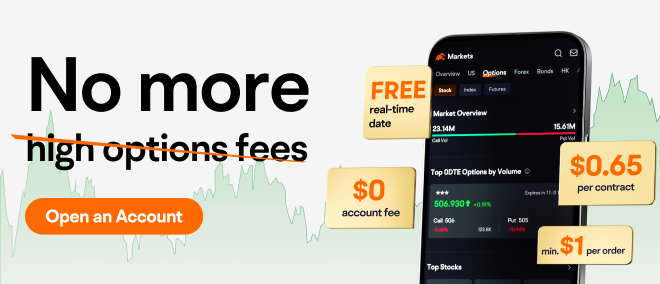
It offers one of the lowest commission rates at $0.65 per contract, with no exercise fee, making it significantly cheaper than Questrade, Wealthsimple, and traditional banks.
Moomoo also provides free Level 1 market data with any funding and enjoy free Level 2 data if you deposit, whereas competitors either offer limited access or none at all.
What really sets moomoo apart is its powerful options trading tools, including a real-time option chain and support for 13 different options strategies.
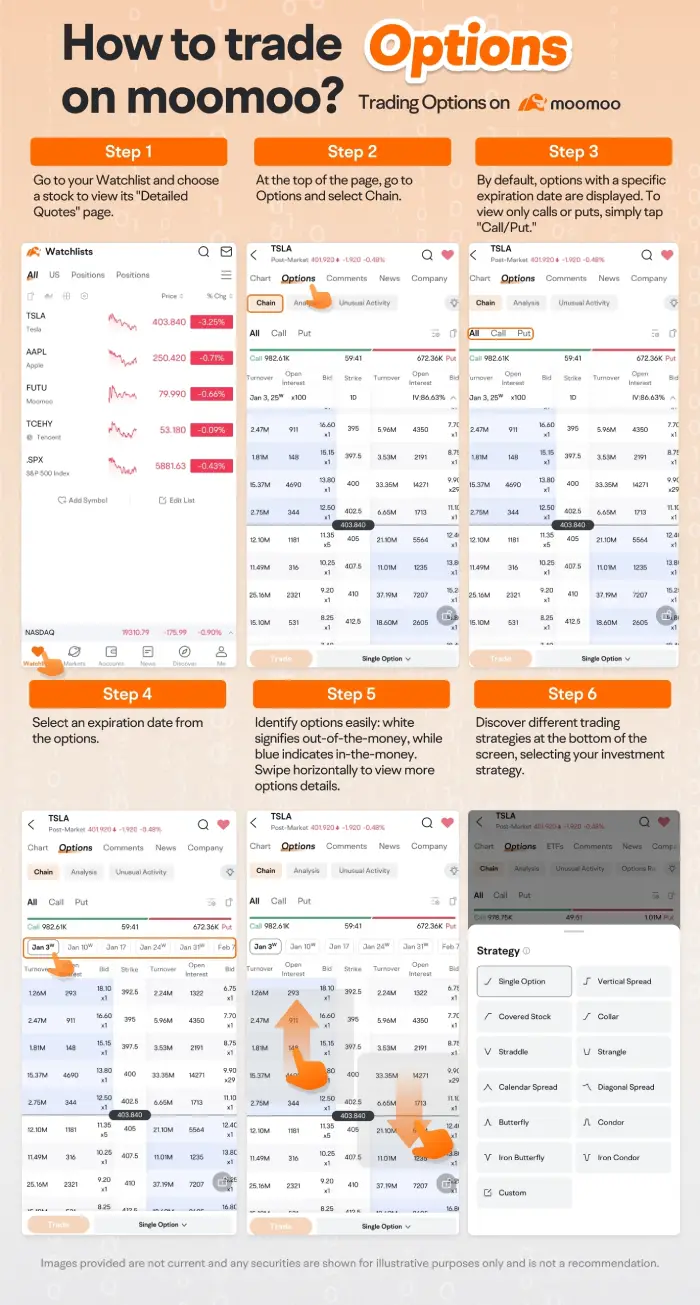
Step-by-step guide on options trading with moomoo
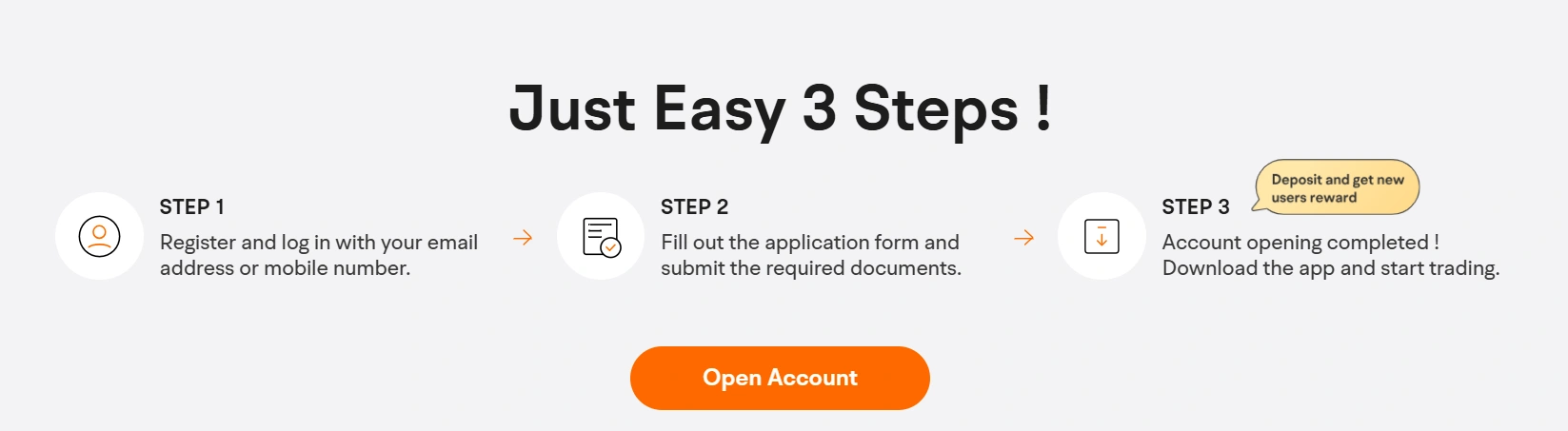
Step 1: If you want to do options trading in TFSA. The first step is opening a TFSA on moomoo. There is no account management fee for opening a TFSA at moomoo!
Step 2: Log in to your account on the moomoo app or moomoo website and then follow the specific steps in the picture below.
You may also like: Paper Trading Options in Canada: How to Do It Properly?>>
FAQs about TFSA options trading
1. Does TFSA allow day trading?
Day trading is generally not allowed in a TFSA because the Canada Revenue Agency (CRA) considers frequent, short-term trading as carrying on a business rather than simple investing.
If the CRA determines that your TFSA trading activity resembles a business—such as making many trades in a short period with the intention to generate quick profits—they may tax your gains as business income, which means you would lose the TFSA’s tax-free benefits.
There is no fixed number of trades that triggers this classification; instead, the CRA looks at multiple factors including the frequency of transactions, how long you hold securities, the time and effort you spend trading, your knowledge of the markets, and your intention behind the trades.
For example, holding securities for only a very short time or engaging in high-volume trading can raise red flags. The CRA’s goal is to prevent the TFSA from being used as a tax shelter for active day trading businesses.
2. Can I do day trading with options in my TFSA?
Engaging in day trading with options within your TFSA is not advisable and can lead to significant tax consequences. While options are considered qualified investments for a TFSA, the CRA may classify frequent trading activities, such as day trading, as carrying on a business. If this occurs, any income earned from these activities would be subject to taxation, negating the tax-free benefits of the TFSA.
3. What happens if CRA deems my TFSA trading a business?
If the CRA determines that your TFSA is engaged in carrying on a business—such as frequent day trading—the income earned within the TFSA becomes taxable. This means that profits from such activities, which are typically tax-free within a TFSA, would be subject to taxation under the Income Tax Act.
The CRA assesses various factors to make this determination, including the frequency of trades, the duration of holdings, the investor's knowledge of the markets, and the time devoted to trading activities. For instance, in a notable case, an investor's TFSA grew from $15,000 to over $617,000 in three years through frequent trading, leading the CRA to deem the activity as business income, resulting in taxation.
4. How are options taxed in Canada?
In Canada, the taxation of options depends on the nature of the transaction and the investor's intent. Generally, options trading can result in either capital gains or business income.
Capital gains treatment: For most individual investors, profits from buying and selling options are considered capital gains. Only 50% of the capital gain is taxable, which is advantageous compared to business income. For instance, if you purchase a call option for $500 and sell it for $1,500, your gain is $1,000, but only $500 is taxable.
Business income treatment: If you're frequently trading options, especially as part of a business or with significant volume, the CRA may classify your profits as business income. In this case, 100% of the gains are taxable at your marginal tax rate. Factors influencing this classification include the frequency of trades, duration of holdings, and the investor's expertise.
This presentation is for informational and educational use only and is not a recommendation or endorsement of any particular investment or investment strategy. Investment information provided in this content is general in nature, strictly for illustrative purposes, and may not be appropriate for all investors. Read more