Top 8 Investment Strategies to Navigate Market Volatility

Navigating a volatile market can be challenging, especially for Canadian investors looking to protect and grow their wealth. In early April 2025, global markets have been shaken by renewed trade tensions. Former U.S. President Donald Trump’s statements about reintroducing tariffs—particularly targeting China—have sparked uncertainty and driven sharp price swings in both U.S. and Canadian stock markets.
So, how to deal with market volatility? Don’t worry, in this article, we'll walk you through eight proven investment strategies that can help you stay on track during periods of market volatility. From diversifying your portfolio to using a dollar-cost averaging strategy, we will cover everything you should know!
What is a volatile market?
A volatile market refers to a financial market characterized by rapid and significant price fluctuations over a short period. This means that the prices of assets, such as stocks or commodities, can rise or fall sharply in a short time frame. Volatility is a common aspect of financial markets and can be influenced by various factors, including economic data releases, geopolitical events, or changes in investor sentiment.
In volatile markets, the degree of price variation is often measured using statistical metrics like standard deviation. A higher standard deviation indicates greater volatility, meaning the asset's price is more spread out over a range of values. Investors often monitor volatility to assess the risk associated with different investments. While high volatility can present opportunities for significant gains, it also increases the potential for substantial losses.
Is the stock market volatile right now?
The stock market has recently experienced significant volatility, largely due to President Trump's unpredictable trade policies.
On April 2, 2025, President Trump declared a 10% baseline tariff on all imports, with higher rates for specific countries, including a 34% tariff on Chinese goods and a 20% tariff on imports from the European Union. This announcement led to a sharp decline in global markets. The S&P 500 Index fell over 274 points or 4.88% on April 3, marking one of its largest daily point losses ever. The following day, the index dropped an additional 5.97%. Over these two days, U.S. stocks lost approximately $6.6 trillion in value, the largest two-day loss in history by a margin of $2.2 trillion.
The CBOE Volatility Index (VIX), often referred to as the "fear gauge," nearly tripled between April 2 and April 7, reflecting heightened uncertainty among investors. Despite a historic stock market rally following Trump's decision to postpone most tariffs, the VIX remained elevated, breaking above 40 for several consecutive days—a level rarely seen in recent years.
What causes market volatility?

Understanding what causes market volatility is crucial for investors to navigate and manage the risks associated with market volatility. Here are several factors contribute to market volatility:
1. Uncertainty and unpredictability: Investor uncertainty about future events, such as economic indicators or geopolitical developments, can lead to market fluctuations. President Trump's unpredictable tariff policies, for example, have significantly contributed to recent volatility by creating uncertainty about trade agreements and economic impacts.
2. Economic indicators: Changes in interest rates, inflation, and employment data can influence market volatility. These economic indicators affect borrowing costs, corporate profits, and consumer spending, leading to price swings in the stock market.
3. Geopolitical events: Political instability, trade disputes, and sudden policy changes can introduce unplanned volatility. Events like wars, terrorist attacks, or unexpected shifts in government policies can cause sudden market movements.
4. Market sentiment and liquidity: Investor emotions and speculative trading can drive market sentiment, while changes in market liquidity can amplify price movements. In less liquid markets, even small trades can lead to significant price swings.
What effect does market volatility have on your investments?
Market volatility can significantly impact your investments by increasing the potential for both gains and losses. Here are some key effects of market volatility on investments:
Risk of losses: High volatility can lead to rapid price swings, which may result in significant losses if your investments are heavily concentrated in affected sectors or equities. This risk is particularly pronounced when market conditions change unexpectedly, such as during geopolitical crises or sudden policy shifts.
Opportunities for gains: On the other hand, market volatility can also present opportunities to buy assets at lower prices, potentially leading to higher returns if the market recovers. Investors who maintain a long-term perspective and stay disciplined can capitalize on these opportunities.
Portfolio changes: Volatility can cause shifts in your portfolio's asset allocation, leading to a different investment mix than initially intended. Regular rebalancing is essential to maintain alignment with your investment goals.
Emotional decision-making: Volatile markets often stir up strong emotions, pushing investors to react hastily—like selling off assets out of fear. These snap decisions can result in realized losses and disrupt carefully planned long-term strategies. To stay on course, financial professionals recommend keeping a cool head, staying disciplined, and focusing on your long-term investment objectives, even when markets become turbulent.
Impact on investment strategies: Volatility necessitates the use of strategies like diversification, dollar-cost averaging, and hedging to mitigate risks and maximize returns. These strategies help investors navigate uncertain market conditions more effectively.
How to deal with market volatility?
Market volatility can be challenging for investors, but there are effective strategies to manage its impact and potentially capitalize on opportunities. By adopting a well-thought-out approach, you can protect your investments and navigate uncertain market conditions more confidently.
Here are eight proven investment strategies to help you deal with market volatility:
Diversify your portfolio
Diversifying your portfolio is a fundamental strategy to manage risk, especially during periods of market volatility. By spreading investments across various asset classes and sectors, you can reduce the impact of a poor-performing investment on your overall portfolio. This approach helps in mitigating losses and achieving more stable returns over time.
For Canadian investors, moomoo Canada offers a comprehensive platform to facilitate portfolio diversification. You can invest in a wide range of financial instruments, including:
US stocks: Access over 7,000 U.S. stocks, allowing you to invest in some of the world's largest companies, like Nvidia, Apple and Tesla.
Canadian stocks: Trade all stocks listed on major Canadian exchanges, providing opportunities to invest in domestic markets.
ETFs: Invest in Exchange-Traded Funds to gain exposure to various sectors, commodities, or indices, aiding in diversification. Moomoo allows Canadian investors to invest in ETFs that track the performance of the S&P 500 Index, like the Vanguard S&P 500 Index ETF (TSX: VFV).
US options: Utilize options trading to hedge against potential losses or to speculate on market movements.

Learn more: How to Buy US Stocks in Canada?>>
Invest in defensive stocks
Investing in defensive stocks can be a strategic move during market volatility. These stocks, often found in sectors like consumer staples, utilities, and health care, provide essential goods and services that remain in demand regardless of economic conditions. This stability helps them perform better during downturns compared to more volatile sectors.
Defensive stocks, particularly those that pay dividends, offer investors a steady income stream even when stock prices are not rising. However, it's crucial to be aware of the risks associated with dividend-paying stocks during market volatility, such as potential dividend cuts and financial strain on companies. Despite these risks, dividend reinvestment can help cushion portfolio losses and accelerate returns once markets recover.
Key benefits of defensive stocks:
Stability: They tend to be less volatile than other sectors, providing a safer haven during economic downturns.
Dividend income: Many defensive stocks offer high dividend yields, which can help offset capital losses.
Cash flow: These companies often generate significant cash, supporting their dividend payouts and maintaining strong balance sheets.
You may also like: Top 10 Canadian Dividend stocks to Watch 2024>>
Consider buying the dip
Market downturns often present an opportunity for long-term investors to scoop up quality stocks at lower prices. Think of it like a sale on investments you’ve had your eye on—when the market takes a hit, solid companies may trade below their usual value, offering a potential entry point for patient investors.
To take advantage of these moments, it helps to be financially prepared. That means having your essentials covered: a healthy emergency fund, contributions to your retirement accounts, and enough cash for everyday spending. Once those boxes are checked, setting aside extra cash for potential market dips can allow you to act when prices fall. Many savvy investors even keep a “watchlist” of stocks they believe in, so they’re ready to pounce when valuations become more attractive.
Keep in mind, it’s nearly impossible to time the market perfectly, and you likely won’t catch the absolute bottom. But that’s okay. Buying the dip is about recognizing long-term value, not chasing short-term perfection.
Use a dollar-cost averaging strategy
Dollar-cost averaging (DCA) is a disciplined investment strategy where you invest a fixed amount of money at regular intervals, regardless of market conditions. This approach helps mitigate the impact of market volatility by purchasing more shares when prices are low and fewer shares when prices are high, potentially lowering your average cost per share over time.
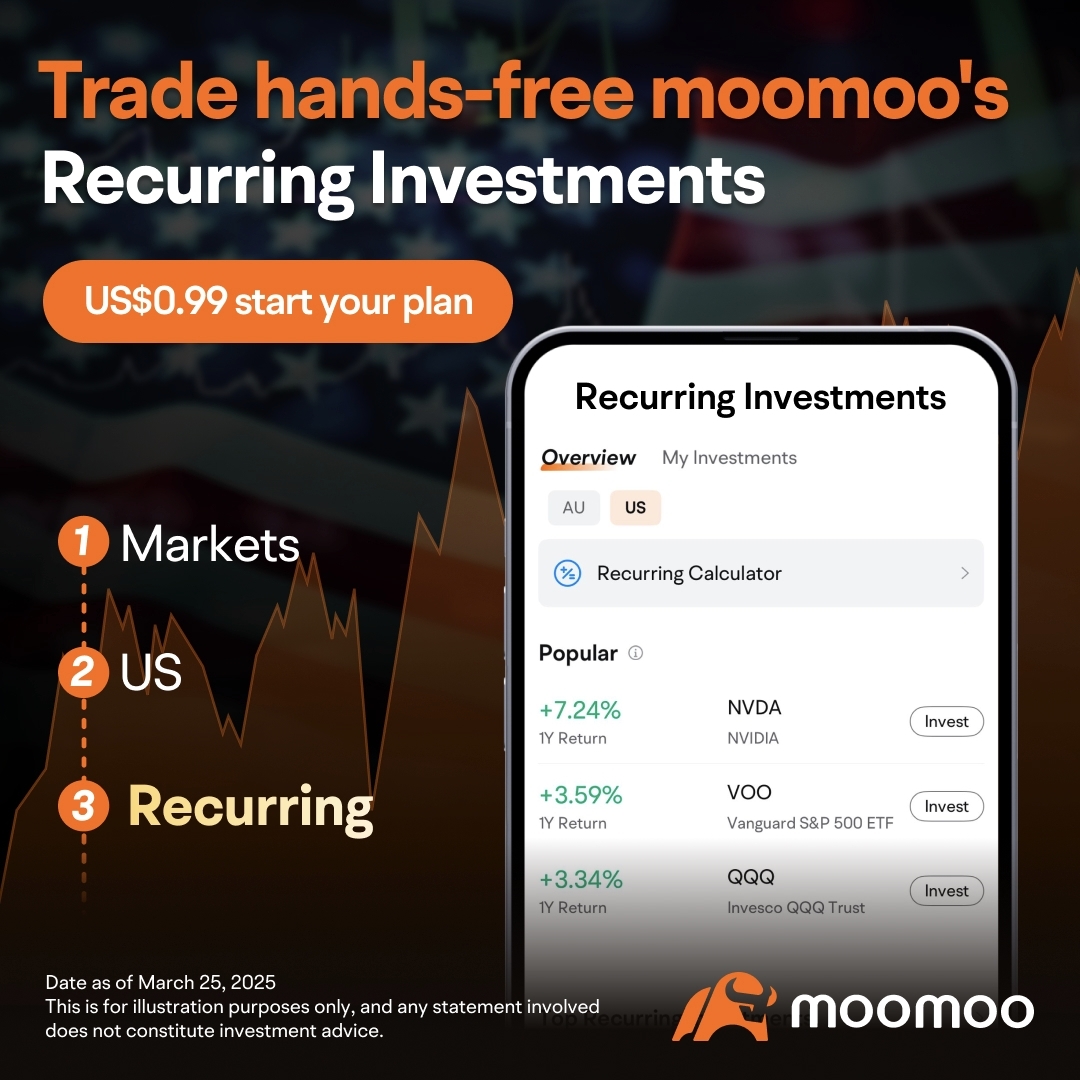
For Canadian investors, moomoo Canada offers the AutoBuy feature, enabling you to implement a DCA strategy seamlessly. With AutoBuy, you can set up recurring investments in eligible US and Canadian stocks, as well as ETFs, starting from as little as $10 CAD. You have the flexibility to choose your investment frequency—daily, weekly, biweekly, or monthly—to align with your financial goals.
AutoBuy plans can be managed through various account types, including TFSA, RRSP, and Cash accounts. You can adjust, pause, or stop your AutoBuy plan at any time, giving you full control over your investment strategy.
Consider hedging strategies (buy put options)
For long-term investors, protecting against potential losses during volatile markets is often a top priority. While setting stop-loss orders or selling off shares are common approaches, they can trigger taxable events and remove valuable assets from your portfolio. This might not align with a buy-and-hold investment strategy.
A more strategic alternative is to use protective put options. These allow you to safeguard your holdings—whether individual stocks or a broader market index like the S&P 500—without having to sell them outright. By purchasing a put option, you gain the right (though not the obligation) to sell the underlying asset at a predetermined price before the option’s expiration date, offering a buffer if the market takes a downturn.
Example of buying a put option:
Suppose you own 100 shares of a stock currently trading at $100 per share. To hedge against potential losses, you purchase a put option with a strike price of $95, expiring in one month, for a premium of $2 per share. If the stock's price drops to $85, you can exercise the put option to sell your shares at $95, limiting your loss to $7 per share ($5 from the price drop plus the $2 premium), instead of a $15 loss without the hedge. If the stock's price remains above $95, you may choose not to exercise the option, incurring only the $2 premium as the cost of protection.
Tax-loss harvesting
This strategy is most relevant for investments held in non-registered accounts, where capital gains and losses are taxable. If a stock or fund in your portfolio has declined in value, you can consider selling it to realize a capital loss—the difference between your purchase price and the sale price. That loss can then be applied to reduce capital gains in the current tax year or carried forward to offset gains in future years. This approach is often used with assets you no longer believe have strong recovery potential, rather than those you're expecting to bounce back.
Watch closely for indicators of a market rebound
Spotting a market rebound early can help investors take advantage of new growth opportunities and recover from downturns more effectively. While no single indicator can guarantee a turnaround, watching a combination of signals can improve your chances of identifying when the market is poised to recover.
Here are some key indicators to monitor:
1. Bullish Percent Index (BPI) Surges
The BPI measures the percentage of stocks in an index that are generating bullish patterns. A rise above 30% in the S&P 500 and Nasdaq 100 BPI suggests a shift towards positive momentum, indicating a possible market recovery.
2. Federal reserve policy shifts
Comments from Fed officials, like Governor Christopher Waller, about potential interest rate cuts in response to economic challenges can boost investor confidence and signal a market rebound.
3. Technical patterns: 'death cross' interpretations
While a 'death cross'—where the 50-day moving average falls below the 200-day moving average—is typically seen as bearish, historical data shows that markets often rebound in the months following this pattern.
Regularly rebalance your portfolio
Regularly rebalancing your portfolio is a crucial strategy to maintain your desired risk level and investment goals, especially during volatile market conditions like bear markets. Over time, market fluctuations can cause your asset allocation to drift away from your original plan—some investments may grow faster, while others lag behind. Rebalancing involves adjusting your holdings to bring your portfolio back in line with your target allocation.
By systematically selling assets that have become overweight and buying those that are underrepresented, you can lock in gains from stronger-performing investments and reinvest in undervalued opportunities. This disciplined approach helps prevent emotional decision-making and reduces the risk of becoming overexposed to high-risk assets during downturns.
Here are some benefits of this strategy:
Risk management: Keeps your portfolio aligned with your risk tolerance by preventing any one asset class from dominating.
Buy low, sell high: Encourages disciplined investing by selling assets that have appreciated and buying those that have declined.
Long-term growth: Helps maintain a balanced portfolio that can better withstand market volatility and capitalize on recovery phases.
How to invest in a volatile market on moomoo?
Investing during periods of market volatility requires tools that offer both reliability and advanced features. Moomoo Canada stands out as a robust platform tailored for Canadian investors seeking to navigate such turbulent times effectively.
Why choose moomoo to invest?
Trusted global presence: As a subsidiary of a NASDAQ-listed company with a market capitalization exceeding $14 billion and a user base of over 25 million worldwide.
Comprehensive investment options: Diversify your portfolio with access to U.S. and Canadian stocks, ETFs, and U.S. options, all within one platform.
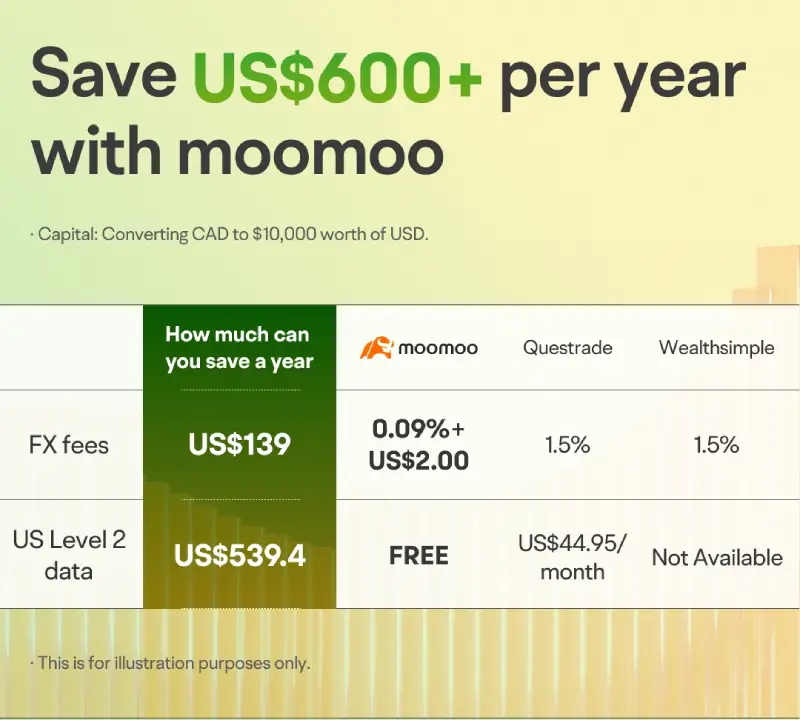
Cost-effective trading: Moomoo Canada offers competitive pricing, allowing you to trade U.S. stocks and ETFs at up to 90% lower costs compared to traditional brokers. Additionally, moomoo is one of the most affordable brokerages in Canada for trading U.S. options, providing more opportunities to hedge against market volatility.
Advanced market data: Gain an edge with free real-time Level 2 market data, offering deeper insights into market depth and price movements.
Secure and regulated: Moomoo is a member of the Canadian Investor Protection Fund (CIPF), ensuring your investments are protected up to $1 million.
Step-by-step guide to investing with moomoo Canada
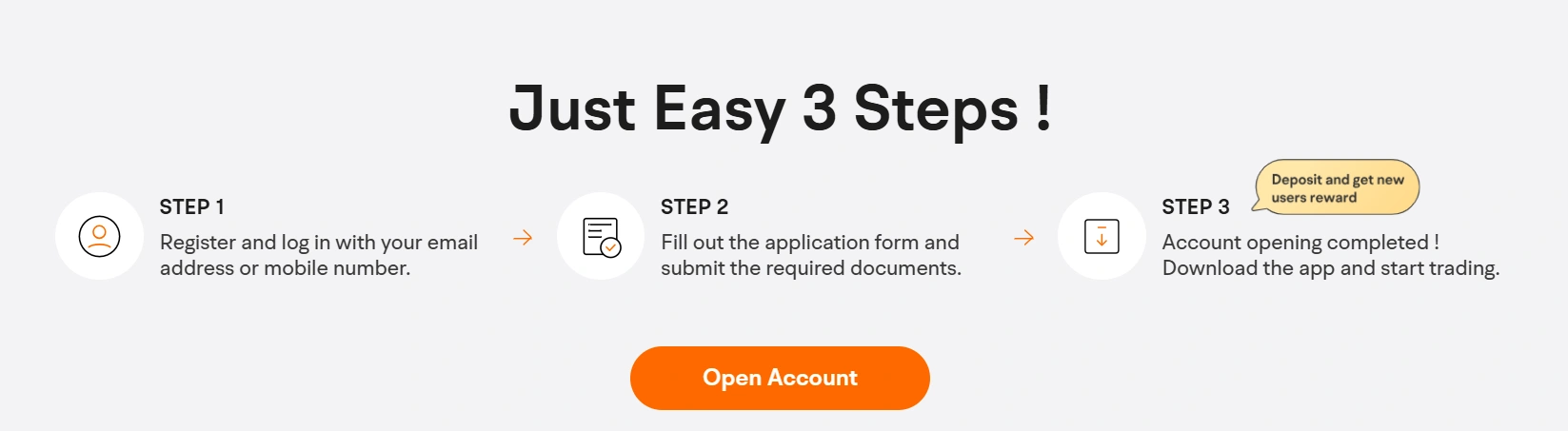
Step 1: Opening a moomoo account
If you don’t have a moomoo account, you can open one in just 3 steps.
Step 2: Funding your account
Once your account is opened, fund your account through various methods, such as electronic funds transfer (EFT), online bill payment and wire transfer.
Step 3: Researching your investments
Utilize moomoo's advanced tools, including real-time Level 2 data, stock screeners, and comprehensive charts, to analyze potential investments.
Step 4: Placing your order
Navigate to the desired stock's quote page, tap "Trade," choose "Buy" or "Sell," select your order type (market or limit), enter the quantity, and confirm the transaction.
Step 5: Monitor and adjust
Regularly review your portfolio's performance, set up alerts for price movements, and rebalance your holdings as needed to align with your investment goals.
Frequency Asked Questions
2. Which option strategy is best for a volatile market?
In volatile markets, options strategies can be instrumental in managing risk and capitalizing on significant price movements. Here are several strategies suited for such conditions: 1. Long Straddle This strategy involves purchasing both a call and a put option with the same strike price and expiration date. It's beneficial when anticipating substantial price movement in either direction. The maximum loss is limited to the total premiums paid, while potential profits are unlimited if the underlying asset moves significantly. 2. Long Strangle Similar to the straddle, the strangle involves buying a call and a put option with different strike prices but the same expiration date. This strategy is typically less expensive than a straddle and is profitable when the underlying asset experiences significant movement beyond strike prices. 3. Protective Put This involves holding a long position in an asset and purchasing a put option to guard against potential declines. It's akin to an insurance policy, limiting downside risk while maintaining upside potential. 4. Ratio Risk Reversal This strategy entails selling a put option and using the proceeds to buy multiple call options, often on an index like the S&P 500. It's advantageous when expecting a market rebound, as it allows for significant upside potential with limited initial investment.
This presentation is for informational and educational use only and is not a recommendation or endorsement of any particular investment or investment strategy. Investment information provided in this content is general in nature, strictly for illustrative purposes, and may not be appropriate for all investors. Read more