Trump Trade Underperforms Harris Trade After Fiery Presidential Debate
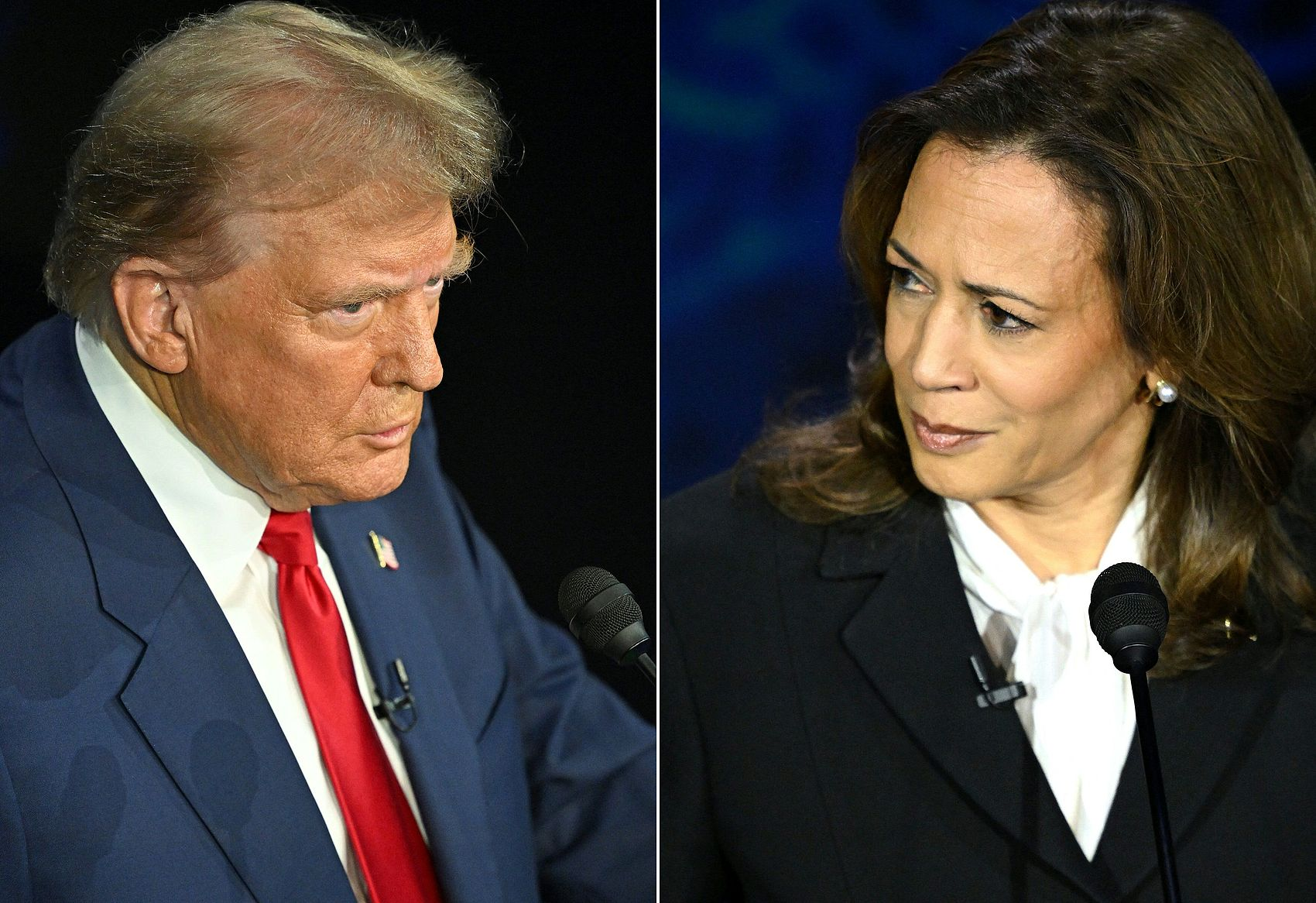
Donald Trump and Kamala Harris faced off in their first presidential debate on Tuesday night in Pennsylvania, one of the most important swing states. This initial encounter was significant for both candidates. Harris sought to win over voters who were not yet familiar with her, while Trump aimed to disrupt Harris's momentum. Facing an experienced debater like Trump, who has participated in six television debates, Harris's team left no stone unturned. They hired stand-in to mimic Trump to help Harris prepare for the debate.
Post-debate, Harris's team declared victory, while Trump also celebrated on Truth Social, calling it his "best debate ever." We saw Trump won against Biden in June debate, but who won the debate this time between Harris and Trump? Polls and the stock market reacted swiftly, seemingly providing an answer, with Harris concept stocks and Trump concept stocks showing completely different performances.
Trump vs Harris Debate: What are the effects on the stock market?
The U.S. stock market, which is already unsettled by uncertainties in the job market, interest rate decisions, and geopolitical tensions, is experiencing increased volatility due to the election. The debate covered a wide array of topics, including the economy, inflation, tariffs, immigration, abortion rights, energy policy, the Israel-Palestine conflict, and the Russia-Ukraine war. The policies advocated by each candidate could benefit different industry sectors, making this debate crucial for investors seeking more information.
Harris concept stocks strengthened after the debate
The day after the debate, Harris concept stocks, particularly those in solar and renewable energy, recorded a substantial increase. First Solar rose by over 15%, Sunrun by more than 11%, Nextracker by over 8%, and Enphase Energy closed up 5.72%.
Harris is a strong supporter of renewable energy, standing in clear opposition to Trump’s advocacy for traditional fossil fuels. During her time as Vice President, she has consistently aligned with Biden’s climate policy and dedication to clean energy, highlighting the need to advance renewable energy projects and focus on environmental justice.
Trump concept stocks roiled after the debate
Conversely, Trump concept stocks took a hit, indicating a lack of confidence in the Trump trade post-debate. Trump Media & Technology and Phunware both fell by more than 10% on Wednesday. Cryptocurrency-related stocks, which had benefited from Trump's promise to make America the "crypto capital of the planet," such as MicroStrategy and Coinbase, also saw intraday declines of over 5%. Traditional energy companies like ConocoPhillips, Occidental Petroleum, and ExxonMobil, which would benefit from Trump's policies on reducing restrictions on domestic oil production, also experienced declines.
Harris's tax increase policy vs Trump's tax cut policy: what are the effects on the US stock market?
Tax policy is a critical factor for corporations' profit margins impacting their earnings estimate and stock performance. Harris proposes to increase the top capital gains tax rate and corporate tax rate, and to intensify enforcement against the wealthy and tax evaders, aiming to fund welfare programs and reduce income inequality. Although it could potentially lead to more balanced economic growth, this may pose challenges for high-earning companies and the wealthy.
Conversely, Trump supports reducing the corporate tax rate to 15%, asserting that this would boost business investment and spur economic growth. However, this approach might increase the federal deficit and could lead to long-term economic instability.
Trump vs Harris policy proposals
Taking a close look at the statement of Trump vs Harris policies presented by both sides during the debate. Harris emphasized increasing the tax credit for small businesses tenfold to $50,000 to reduce costs for small enterprises. She also mentioned expansion of child tax credit, proposing a $6,000 tax break for newborns to help low-income families. On housing, she plans to increase the construction of middle-income-family-affordable housing by 3 million and offer a $25,000 downpayment assistance and a $10,000 tax incentives for first-time home buyers. Harris showcased excellent oratory skills, clearly expressing her viewpoints and effectively countering Trump's attacks. Post-debate, Harris even received public support from Taylor Swift.
Trump focused on imposing tariffs, promoting fossil fuel supply, and opposing illegal immigration. However, his statements lacked novelty and failed to captivate the audience. He criticized the Biden administration for causing unprecedented inflation and promised to reduce energy prices to curb inflation. Yet, the latest CPI data from August indicates that energy prices are not the primary issue driving inflation currently. Instead, it is housing costs. Harris's proposals on housing appears more appealing to voters. Moreover, Trump's strategy of raising tariffs to generate government revenue has been criticized for potentially increasing prices and driving inflation higher. When ABC moderators asked Trump about his plan to replace the Affordable Care Act, a frequent target of his criticism, he responded with vague answers and did not offer any specific plan.
Who won the presidential debate?
Did Trump lose it? Nothing is set in stone. While polls suggest that the debate has improved Harris's chances of winning and that she currently holds a lead over Trump, there are still more than 40 days until Election Day on November 5th. The 2016 election serves as a reminder that despite Hillary Clinton's consistent lead in the polls, Trump eventually was elected as US president.
U.S. Government Debt: market and economic risks in an election year
Looking ahead, whether one favors the Trump trade or the Harris trade, investors also need to keep an eye on the sustainability of U.S. government debt, an issue not addressed in the debate but important to the markets. According to the Congressional Budget Office (CBO), both Trump and Harris's policies could further widen the fiscal deficit.
As of September 12, data from the U.S. Treasury indicates that the national debt has snowballed over $35 trillion. Persistent fiscal deficits are driving up the U.S. debt to levels posing 3 potential risks to financial markets. High debt levels limit the government's ability to respond to economic downturns, making it difficult to implement additional economic stimulus measures, thereby slowing economic recovery. Additionally, increased government debt could push up bond yields, raising interest expenses and exacerbating fiscal burdens. If the market worries about the credibility of the U.S. sovereign debt, the dollar could depreciate, leading to higher import prices and inflation.
Final thoughts on Trump Trade vs Harris Trade
When investing in either Trump Trade or Harris Trade, investors should consider incorporating non-dollar-denominated assets and tangible assets like gold and commodities to hedge against potential risks. As Election Day approaches, the financial markets will remain sensitive to political developments and policy proposals from both candidates. Investors should stay informed and consider diversifying portfolios to mitigate risks associated with the ongoing fiscal challenges and geopolitical uncertainties.
This presentation is for informational and educational use only and is not a recommendation or endorsement of any particular investment or investment strategy. Investment information provided in this content is general in nature, strictly for illustrative purposes, and may not be appropriate for all investors. Read more