

Moomoo Insights
Jul 16 15:38
TSMC Earnings: AI Demand Is Stronger Than the Chip Selloff Suggests
Moomoo Insights
Sep 30 05:04
Live Take | Anthropic’s $518B Compute Bet: Who Wins From the AI Buildout?

● Scalp trading is a day trading strategy targeting quick, small profits.
● Traders using this strategy make money by adding up their small profits.
● Scalp trading doesn't work for everyone as it requires a strict exit strategy, a lot of focus, and quick decision-making.
Scalp trading, or scalping, is a day trading strategy where traders enter and exit trades within minutes or even seconds.
This trading strategy targets small returns from individual trades. Traders who use such a strategy, known as scalpers, usually open large positions multiple times and close them within a day. Normally, they will never hold positions overnight.
Examples are provided herein are for illustrative purposes only and not intended to be reflective of results any investor can expect to achieve.
Scalping is an intraday strategy with the shortest time frame, profiting off of small price changes.
It sometimes requires traders to make decisions within seconds, which demands high concentration and prompt execution.
Typically, scalpers are well-versed in technical analysis and various trading methods.
For example, momentum indicators such as MA, Bollinger Band®, MACD, and RSI are commonly used to pinpoint support and resistance levels.
After setting a profit target, usually 1% or 0.5%, scalpers tend to track stocks with the most violent intraday price moves and place orders based on Level 2 data.
In addition, scalpers look for trading opportunities by keeping tabs on news and market updates. They even bet on future events that may trigger price movements.
One of the key advantages of scalp trading is that traders are exposed to relatively lower market risks as they have short trade times.
Moreover, scalpers can leverage small price changes, making it easier to enter and exit trades.
However, scalpers need to be disciplined and stick to their trading regimen to be successful.
If traders fail to keep up with market changes, they may face major losses.
This presentation is for informational and educational use only and is not a recommendation or endorsement of any particular investment or investment strategy. Investment information provided in this content is general in nature, strictly for illustrative purposes, and may not be appropriate for all investors. Read more
Recommend
What is Net Worth?
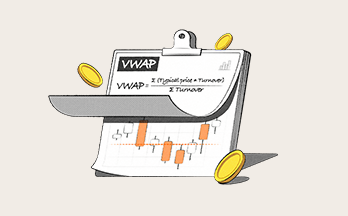
What is Volume-Weighted Average Price (VWAP)?
What is the OBV?

What is Scalp Trading?
What is the Equity Ratio?
What Is A Pattern Day Trader (PDT)?
What is the PEG Ratio?
What is a Trailing Stop Limit Order?
What are Support and Resistance?
What is a 401(k)?
What is Capitulation?
What is Net Income?
What is the Risk/Reward Ratio?
What is Short Selling?
What is the rate of change?
What is Opportunity Cost?
What is the Short Squeeze?
What is a Sunk Cost?
What is a Golden Cross?
What is a Stock Split?
What is Gross Margin?
What is a block trade?
What is the Dead Cat Bounce?
What are the Safe-haven Assets?
What is the Relative Strength Index (RSI)?
What is Return on Equity (ROE)?
What is Momentum Trading?
What are Bollinger Bands?
What is After-hour Trading?
What is the KDJ?
What Is a Dividend?
What is PE ratio?
What is a Delisting?
What is Return on Assets (ROA)?
What is a SPAC?
What is the Quick Ratio?
What is the Current Ratio?
What is Free Cash Flow to Firm(FCFF)?
What is Book Value per Share (BVPS)?
What is Margin Trading?
What is Net Worth?
What is Volume-Weighted Average Price (VWAP)?
What is the OBV?
What is Scalp Trading?
What is the Equity Ratio?
What Is A Pattern Day Trader (PDT)?
What is the PEG Ratio?
What is a Trailing Stop Limit Order?
What are Support and Resistance?
What is a 401(k)?
What is Capitulation?
What is Net Income?
What is the Risk/Reward Ratio?
What is Short Selling?
What is the rate of change?
What is Opportunity Cost?
What is the Short Squeeze?
What is a Sunk Cost?
What is a Golden Cross?
What is a Stock Split?
What is Gross Margin?
What is a block trade?
What is the Dead Cat Bounce?
What are the Safe-haven Assets?
What is the Relative Strength Index (RSI)?
What is Return on Equity (ROE)?
What is Momentum Trading?
What are Bollinger Bands?
What is After-hour Trading?
What is the KDJ?
What Is a Dividend?
What is PE ratio?
What is a Delisting?
What is Return on Assets (ROA)?
What is a SPAC?
What is the Quick Ratio?
What is the Current Ratio?
What is Free Cash Flow to Firm(FCFF)?
What is Book Value per Share (BVPS)?
What is Margin Trading?

