
Moomoo Insights
Jul 16 15:38
TSMC Earnings: AI Demand Is Stronger Than the Chip Selloff Suggests
Moomoo Insights
Sep 30 05:04
Live Take | Anthropic’s $518B Compute Bet: Who Wins From the AI Buildout?

● Sunk cost refers to costs that have already been incurred and are unrecoverable.
● Sunk costs are excluded from future decisions because the costs will be the same regardless of the outcome.
● When making investment decisions, one should avoid adding more money into investments that are struggling to take off only because one is in fear that the initial investments were all in vain.
A sunk cost refers to a cost that has already occurred and cannot be recovered.
Sunk costs are independent of any event and should not be considered when making investment or project decisions.
Only relevant costs that relate to a specific decision and will change depending on that decision should be considered.
However, many managers continue investing in projects because of the sheer size of the amounts already invested in prior periods. They do not want to "lose the investment" by curtailing a project proven not profitable and continue pouring more cash into it.
They should regard earlier investments as sunk costs and exclude them from consideration when deciding whether to continue investments.
Economic analysis ignores sunk costs because it helps prevent decision-makers from throwing good money after bad when they are stuck in an unprofitable project.
All sunk costs are considered fixed costs. However, not all fixed costs are sunk costs, as sunk costs cannot be recovered. For example, a piece of equipment can be resold or returned at a set price. Therefore, it is a fixed cost but not a sunk cost.
When making investment decisions, one should avoid adding more money into investments that are struggling to take off only because one is in fear that the initial investments were all in vain.
In the following examples, you can see how sunk costs cause people to think irrationally when making a decision.
Tom purchased a movie ticket online for $12.50 and found the movie boring when he sat in the theater. He decided to sit through the entire film because he had already bought the ticket.
Jennifer paid a $100 entry fee to join a new tutoring club. After attending four of the seven sessions, Jennifer found the tutoring sessions not helpful. Nevertheless, she decided to participate in the remaining three sessions because of the $100 entry fee.
This presentation is for informational and educational use only and is not a recommendation or endorsement of any particular investment or investment strategy. Investment information provided in this content is general in nature, strictly for illustrative purposes, and may not be appropriate for all investors. Read more
Recommend
What is Net Worth?
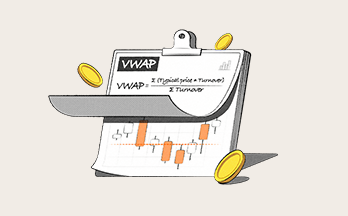
What is Volume-Weighted Average Price (VWAP)?
What is the OBV?

What is Scalp Trading?
What is the Equity Ratio?
What Is A Pattern Day Trader (PDT)?
What is the PEG Ratio?
What is a Trailing Stop Limit Order?
What are Support and Resistance?
What is a 401(k)?
What is Capitulation?
What is Net Income?
What is the Risk/Reward Ratio?
What is Short Selling?
What is the rate of change?
What is Opportunity Cost?
What is the Short Squeeze?
What is a Sunk Cost?
What is a Golden Cross?
What is a Stock Split?
What is Gross Margin?
What is a block trade?
What is the Dead Cat Bounce?
What are the Safe-haven Assets?
What is the Relative Strength Index (RSI)?
What is Return on Equity (ROE)?
What is Momentum Trading?
What are Bollinger Bands?
What is After-hour Trading?
What is the KDJ?
What Is a Dividend?
What is PE ratio?
What is a Delisting?
What is Return on Assets (ROA)?
What is a SPAC?
What is the Quick Ratio?
What is the Current Ratio?
What is Free Cash Flow to Firm(FCFF)?
What is Book Value per Share (BVPS)?
What is Margin Trading?
What is Net Worth?
What is Volume-Weighted Average Price (VWAP)?
What is the OBV?
What is Scalp Trading?
What is the Equity Ratio?
What Is A Pattern Day Trader (PDT)?
What is the PEG Ratio?
What is a Trailing Stop Limit Order?
What are Support and Resistance?
What is a 401(k)?
What is Capitulation?
What is Net Income?
What is the Risk/Reward Ratio?
What is Short Selling?
What is the rate of change?
What is Opportunity Cost?
What is the Short Squeeze?
What is a Sunk Cost?
What is a Golden Cross?
What is a Stock Split?
What is Gross Margin?
What is a block trade?
What is the Dead Cat Bounce?
What are the Safe-haven Assets?
What is the Relative Strength Index (RSI)?
What is Return on Equity (ROE)?
What is Momentum Trading?
What are Bollinger Bands?
What is After-hour Trading?
What is the KDJ?
What Is a Dividend?
What is PE ratio?
What is a Delisting?
What is Return on Assets (ROA)?
What is a SPAC?
What is the Quick Ratio?
What is the Current Ratio?
What is Free Cash Flow to Firm(FCFF)?
What is Book Value per Share (BVPS)?
What is Margin Trading?

