
Moomoo Insights
Jul 16 15:38
TSMC Earnings: AI Demand Is Stronger Than the Chip Selloff Suggests
Moomoo Insights
Sep 30 05:04
Live Take | Anthropic’s $518B Compute Bet: Who Wins From the AI Buildout?

Free cash flow to firm (FCFF) is a portion of a company's cash that could be distributed without affecting its operations
FCFF=EBIT× (1-tax rate)+Non-cash expenses-Capital Expenditure-Change in working capital
FCFF provides important insights into the value and health of a company
Free cash flow to firm (FCFF) refers to the amount of cash flow available to distribute without affecting its operations. FCFF also is a good indicator of a company's ability to pay dividends, conduct share repurchases, or pay back its debt.
A common equation for FCFF is the following:
FCFF=EBIT(1-tax rate)+Non-cash expenses-Capital Expenditure-Change in working capital
(EBIT stands for earnings before interest and taxes, is a company's net income before income tax expense and interest expenses are deducted.
Capital expenditures are funds used by a company to acquire, upgrade, and maintain physical assets such as property, plants, or equipment.
Working capital represents the difference between a company’s current assets and current liabilities.)
FCFF is one of the many benchmarks used to compare and analyze a firm's financial health. A positive FCFF value indicates that the firm has remaining cash after expenses and investments. In contrast, if the value is negative, the firm has not generated enough cash to cover its costs and investment activities.
FCFF provides an insight into the value and the health of a company that is missing from the income statement. By taking non-cash expenses, capital expenditure, and changes in working capital into account, FCFF is more transparent in showing the company's potential to produce cash and profits compared to net income.
There are two types of Free Cash Flow: Free Cash Flow to Firm (FCFF, also referred to as Unlevered Free Cash Flow) and Free Cash Flow to Equity (FCFE, also referred to as Levered Free Cash Flow).
The FCFF is the free cash flow available to all investors, both equity and debt holders. By further accounting for payment of interest on debt and net debt issued, the FCFE represents the free cash flow ultimately available for distribution only to equity holders.
A common equation for FCFE is the following:
FCFE=FCFF-Interest × (1-tax rate)+Net borrowing
This presentation is for informational and educational use only and is not a recommendation or endorsement of any particular investment or investment strategy. Investment information provided in this content is general in nature, strictly for illustrative purposes, and may not be appropriate for all investors. Read more
Recommend

What is Net Worth?
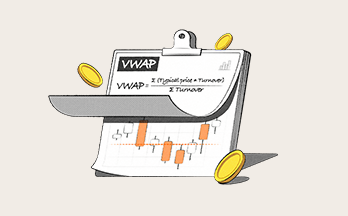
What is Volume-Weighted Average Price (VWAP)?
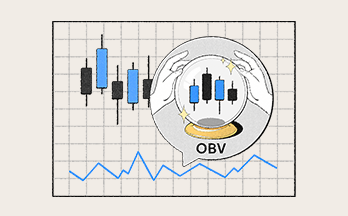
What is the OBV?

What is Scalp Trading?
What is the Equity Ratio?
What Is A Pattern Day Trader (PDT)?
What is the PEG Ratio?
What is a Trailing Stop Limit Order?
What are Support and Resistance?
What is a 401(k)?
What is Capitulation?
What is Net Income?
What is the Risk/Reward Ratio?
What is Short Selling?
What is the rate of change?
What is Opportunity Cost?
What is the Short Squeeze?
What is a Sunk Cost?
What is a Golden Cross?
What is a Stock Split?
What is Gross Margin?
What is a block trade?
What is the Dead Cat Bounce?
What are the Safe-haven Assets?
What is the Relative Strength Index (RSI)?
What is Return on Equity (ROE)?
What is Momentum Trading?
What are Bollinger Bands?
What is After-hour Trading?
What is the KDJ?
What Is a Dividend?
What is PE ratio?
What is a Delisting?
What is Return on Assets (ROA)?
What is a SPAC?
What is the Quick Ratio?
What is the Current Ratio?
What is Free Cash Flow to Firm(FCFF)?
What is Book Value per Share (BVPS)?
What is Margin Trading?
What is Net Worth?
What is Volume-Weighted Average Price (VWAP)?
What is the OBV?
What is Scalp Trading?
What is the Equity Ratio?
What Is A Pattern Day Trader (PDT)?
What is the PEG Ratio?
What is a Trailing Stop Limit Order?
What are Support and Resistance?
What is a 401(k)?
What is Capitulation?
What is Net Income?
What is the Risk/Reward Ratio?
What is Short Selling?
What is the rate of change?
What is Opportunity Cost?
What is the Short Squeeze?
What is a Sunk Cost?
What is a Golden Cross?
What is a Stock Split?
What is Gross Margin?
What is a block trade?
What is the Dead Cat Bounce?
What are the Safe-haven Assets?
What is the Relative Strength Index (RSI)?
What is Return on Equity (ROE)?
What is Momentum Trading?
What are Bollinger Bands?
What is After-hour Trading?
What is the KDJ?
What Is a Dividend?
What is PE ratio?
What is a Delisting?
What is Return on Assets (ROA)?
What is a SPAC?
What is the Quick Ratio?
What is the Current Ratio?
What is Free Cash Flow to Firm(FCFF)?
What is Book Value per Share (BVPS)?
What is Margin Trading?

