How to Buy Stock in Malaysia 2026

How to Buy Stock in Malaysia: A Guide to Start Trading
Getting started in stock trading means you have to deal with feelings like nervousness about the market and excitement over making money. New investors usually have a hard time handling psychological issues, especially the fear of losing money. To deal with these emotions successfully, you need to be patient and keep your eye on your long-term goals. Learn about the basic things you should consider to get a good start in stock trading, including the accounts you need to open.

Step 1: Set up a Brokerage Account
If you want to start trading stocks, the first thing you need to do is open a brokerage account. You also need to open a Central Depository System (CDS) account to trade stocks in Malaysia. When picking an online stock brokerage, there are two important things to think about:
What the Brokerage Offers: Check if the company provides all the products and services you need. Some brokerages are great at offering learning materials for beginners. Others give you access to stock research and tools to analyze the market. Also, think about extra features. For example, do they offer in-person help at local offices? Can you trade stocks from other countries? Or buy just a part of a share? Is the platform legal in Malaysia?
How Easy the Platform Is to Use: Please make sure the brokerage's trading platform is easy to use, especially if you plan to trade on your phone. Many big brokerages let you use fake money to try out their platforms. Test different platforms to see which one you like best.

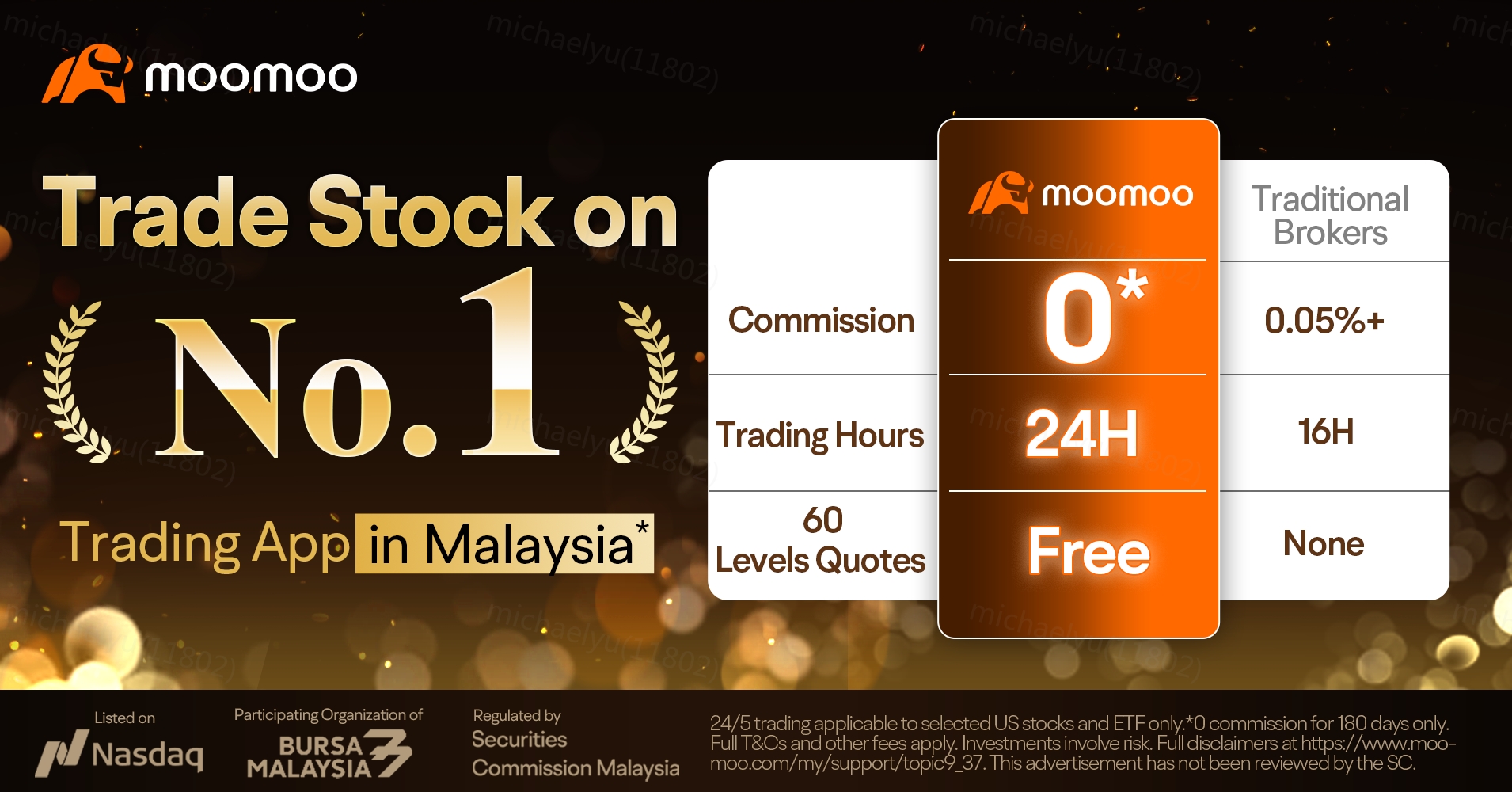
Popular online brokerages like Charles Schwab, Fidelity, and Moomoo no longer charge fees for online stock trades. However, it's important to understand the brokerage fees associated with other types of investments and services. That means you don't have to worry as much about trading fees and other costs when choosing a platform. But remember, some investments, like mutual funds and options, might still have fees. After you've decided on a brokerage, the next step is to fill out an application for a new account. Usually, it doesn't take long. You just need to provide basic info, like your driver's license number and Social Security number.
Popular online brokerages like Charles Schwab, Fidelity, and Moomoo no longer charge fees for online stock trades. However, it's important to understand the brokerage fees associated with other types of investments and services. That means you don't have to worry as much about trading fees and other costs when choosing a platform. But remember, some investments, like mutual funds and options, might still have fees. After you've decided on a brokerage, the next step is to fill out an application for a new account. Usually, it doesn't take long. You just need to provide basic info, like your driver's license number and Social Security number.
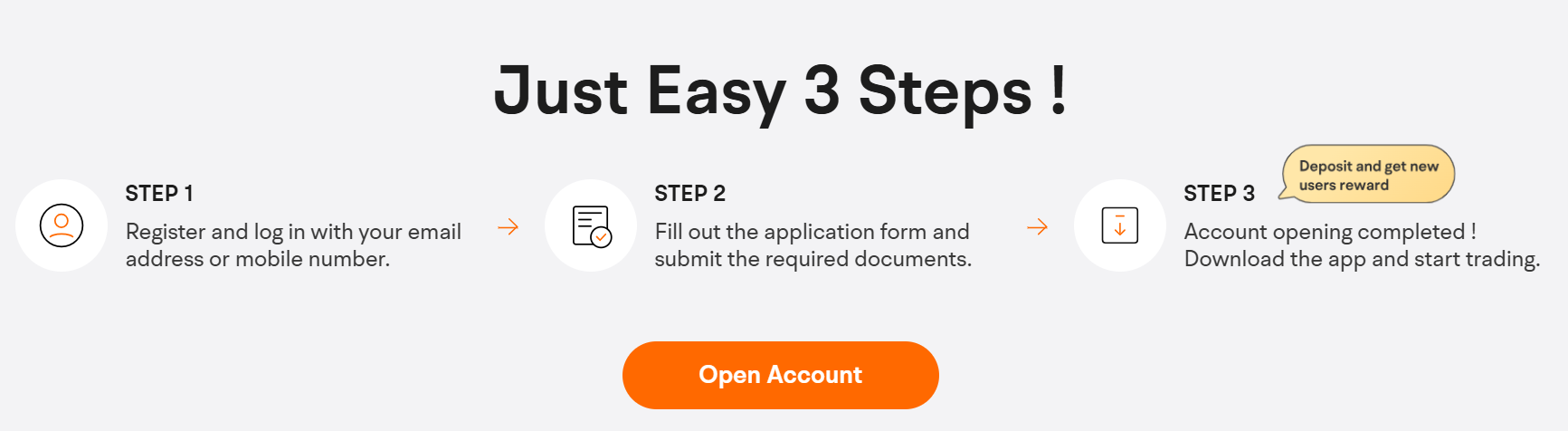
Open an Account on Moomoo with 3 Easy Steps
![]() Sign up and log in with your email or mobile number. Click here to enter!
Sign up and log in with your email or mobile number. Click here to enter!
![]() Fill out the form and submit the needed documents.
Fill out the form and submit the needed documents.
![]() Account opened! Fund it, start trading, and get your Welcome Rewards!
Account opened! Fund it, start trading, and get your Welcome Rewards!
 Sign up and log in with your email or mobile number. Click here to enter!
 Fill out the form and submit the needed documents.
 Account opened! Fund it, start trading, and get your Welcome Rewards!
Read Also: Trading App Moomoo Malaysia: Download and Guide
Step 2: Choose Which Stocks to Purchase
We won't go into detail about all the ways to research and pick stocks. But here's what you should focus on when choosing the stocks you want to buy:
Think Long-Term: Go for a buy-and-hold strategy. Pick stocks you plan to keep for a long time. Don't make quick decisions based on short-term market predictions. Day trading is best left to the experts.
Diversify Your Portfolio: Don't put all your eggs in one basket. Consider diversifying your portfolio with mutual funds and ETFs, which allow you to invest in a variety of stocks simultaneously. Instead of investing in just one or two stocks, spread your money across several. Thanks to commission-free trading, you can start building a diverse portfolio even with a small amount of money. Many brokers also let you buy fractional shares, so you can invest in multiple companies without spending a lot.
Zero commission stock investing with Moomoo Malaysia. Click here to start your investment journey!

How to Select Stocks: 10 Tips
Set Your Investment Goals: Determine what you want to achieve with your investments and assess how much risk you're willing to take.
Do Fundamental Analysis: Examine a company's basic financial health, including its financial statements, and understand its standing within the industry.
Use Stock Screeners: Employ stock-screening tools to narrow down your choices based on factors such as market capitalization and industry. Additionally, it's crucial to choose the right investment platform that offers these tools and meets your trading needs.

4. Learn Technical Indicators: Get to know important technical indicators like moving averages and the Relative Strength Index (RSI) to make better-informed decisions.
5. Spot Trends with Heatmaps: Take advantage of heatmaps to quickly and visually identify trends and popular areas in the market.
6. Focus on Competitive Edge: Give preference to companies that have long-lasting competitive advantages over their rivals.
7. Diversify Your Portfolio: Reduce risk by spreading your investments across different stocks and sectors.
8. Keep Up with the Market: Stay updated on market news, economic reports, and events that could affect stock prices.
9. Review Your Portfolio Regularly: Periodically check your investments to ensure they still match the current market situation and your goals.
10. Be Careful with Leverage: Use leverage sparingly to manage risk more effectively and avoid potential large losses.

Read More: Malaysia Stock Category: Which to Invest?
Step 3: Determine Share Quantity for Your Purchase
If you're new to stock trading, it's smart to start with paper trading. Use a stock market simulator to get your feet wet. With paper trading, you can practice buying and selling stocks using fake money. This helps you learn the ropes without risking real cash.
Or, if you're eager to start investing for real, begin with a small amount. Buying just one share is a great way to start. It lets you understand what it's like to own stocks and see how you react to market changes without much pressure. As you get more comfortable and confident in trading, you can start adding more stocks to your portfolio and diversifying your investments.
Another option for beginner investors is fractional shares. Many online brokers now offer this service. Instead of having to buy a whole share, you can invest in just a part of it. This is perfect if you want to invest in expensive stocks but don't have a lot of money. Plus, lots of brokerages have handy tools that show you how many shares you can buy with a certain amount of money. This makes it easier to plan your investments based on your budget and financial goals.
>> Want to explore more? Trade US Fractional Shares from US$5 on Moomoo Malaysia!

Read More: Top 8 Tips for Using Paper Trading for Bursa Malaysia Investors
Step 4: Select the Appropriate Order Type to Buy Stocks
To become proficient in buying stocks, you need to understand three key order types: market orders, limit orders, and stop orders.
Market orders are filled instantly at the current market price. This guarantees a quick trade, but the actual price you pay can fluctuate. They're ideal for investors who prioritize getting into the market fast rather than locking in at a specific price. However, the downside is that the final execution price might be higher or lower than what you initially anticipated.
With limit orders, you set the exact price at which you're willing to buy a stock. This gives you control over the cost, but it may take longer for the order to be filled. Limit orders are great for investors who want to avoid overpaying and value price accuracy. The catch is that if the stock never reaches your specified price, the order may never be executed.
Stop orders—including stop-loss, stop-entry, and trailing stop-loss—automatically trigger a buy or sell when a stock hits a pre-set price (the stop price). Once that stop price is reached, the stop order converts into a market order. Stop-loss orders help limit losses, stop-entry orders let you jump into a rising market, and trailing stop-loss orders adjust dynamically to lock in profits as the stock price moves in your favor. Understanding these differences helps you choose the right order type for your investment strategy.
Step 5: Execute Your Stock Order Through Your Brokerage
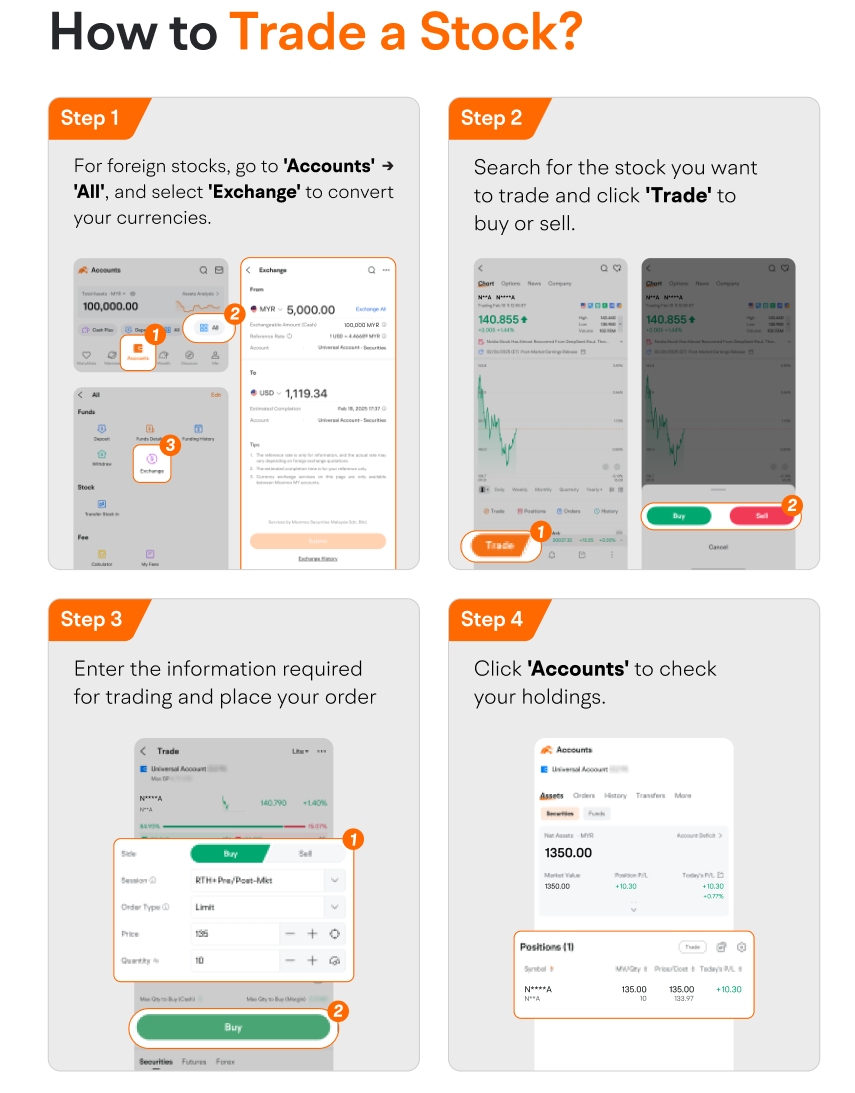
When you want to place a stock order through your brokerage, there are several steps you need to follow. First, sign in to your brokerage account and find your way to the trading section. Locate the stock you intend to buy or sell, and then pick the type of order you want to use. Market orders are popular if you need the trade done right away, while limited orders let you set a particular price for the transaction. Next, enter the number of shares you plan to trade.
You also have to set other details, such as how long the order will stay active (either just for the current trading day or until you cancel it) and any special conditions that apply. Before finalizing anything, carefully review all the order information to make sure everything is correct. Don't forget to check for any fees that might be charged for the transaction. Once you confirm the order, use the brokerage platform to track whether and when it gets filled.
Selling stocks follows a very similar process. The main difference is that you'll input the number of shares you want to sell instead of buying. It's crucial to double-check all the details before confirming the sell order to avoid mistakes. Since each brokerage has its unique platform with different features and layouts, it's a good idea to spend some time getting used to how your specific broker's system works.
Ready to invest? Moomoo Malaysia's 0 commission* stock investing awaits. Click here now to open a trading account in Malaysia!

Step 6: Construct and Refine Your Portfolio
Creating and improving an investment portfolio requires careful planning and making changes when needed. First, determine your financial goals, how much risk you're willing to take, and how long you plan to invest. Diversify your investments across different types of assets, such as stocks, bonds, and maybe other kinds of investments, depending on your risk level.
Research individual stocks, bonds, and industries thoroughly. Use tools like stock screeners to find potential investments that meet your requirements. Review and rebalance your portfolio regularly to make sure it matches your goals and can handle changes in the market. Think about how economic trends and world events might affect your investments.
When improving your portfolio, look at the fees, taxes, and trading costs. Choosing the best platforms can help you minimize these costs and maximize your returns. Cut down on unnecessary expenses to ensure you are using the most efficient and cost-effective methods for your investments. Keep up with what's happening in the market and adjust your portfolio as things change. Check your risk and return regularly and make changes as your financial situation changes. If you're not sure what to do, ask a professional for help. Remember, a good investment portfolio is always changing and needs to be checked and improved regularly.
>> Trade global stocks with 0 commission* on moomoo, don't miss out on your Welcome Rewards! 

Step 7: Assess When to Sell Stocks – and When to Hold
Deciding when to sell stocks isn't something you should rush into. You need to think it through, taking both short-term market ups and downs and your long-term financial goals into consideration.
If a company's fundamentals go south, like its earnings start dropping or the industry it's in goes through a major change, that's a good time to think about selling the stock. Also, when a stock hits the profit target you set for it, or if the reasons you bought it in the first place no longer hold, it's smart to reevaluate and potentially sell. Another reason to sell is if your portfolio has too much of one stock or one sector. When that happens, you're taking on more risks, and selling some of that over-concentrated stock can help protect your investments.

But here's the thing: don't sell just because the market's a little crazy in the short term, unless that volatility messes with the company's future. Emotional decisions are almost always bad news in investing. Stick to the rules you've set for yourself and make sure your choices line up with your investment goals.
Make it a habit to check your portfolio regularly. And if you're not sure what to do, don't hesitate to get advice from a professional. In the world of investing, patience usually pays off. Keeping your eye on the long-term price is often the secret to making money from owning stocks.
Trading Strategies
There are various trading strategies that investors can use when trading in the stock market. One common strategy is to buy and hold stocks for the long term, with the aim of earning dividends and capital appreciation. Another strategy is to trade frequently, taking advantage of short-term price movements in the market. Investors can also use technical analysis, which involves studying charts and patterns to predict future price movements. In Malaysia, investors can trade on Bursa Malaysia, which offers a range of stocks, including blue-chip stocks and smaller-cap stocks. To invest in US stocks, investors can use online trading platforms that offer access to international markets.
Trading Tools and Resources
There are various trading tools and resources available to investors in Malaysia, including online trading platforms, mobile apps, and financial news websites. Online trading platforms, such as Moomoo Malaysia, offer real-time market data, charts, and analysis tools to help investors make informed decisions. Mobile apps, such as those offered by banks and brokerages, allow investors to trade on the go and monitor their portfolios in real-time. Financial news websites, such as The Star and Bloomberg, provide up-to-date news and analysis on the stock market, helping investors stay informed about market trends and developments. To open a trading account, investors can visit the website of a registered broker or online trading platform, such as HLeBroking, and follow the registration process.
Trading Psychology
Trading psychology plays a crucial role in determining an investor's success in the stock market. Fear and greed are two common emotions that can affect an investor's decision-making, leading to impulsive buying and selling. To overcome these emotions, investors need to develop a trading plan and stick to it, avoiding emotional decisions based on short-term market fluctuations. Investors should also set clear investment goals and risk tolerance, and regularly review their portfolio to ensure it remains aligned with their objectives. In Malaysia, investors can seek guidance from financial advisors or online resources to help them develop a trading plan and manage their emotions.
Risks of Buying Stocks in Malaysia
Understanding the risks of investing in stocks is key to making smart decisions. The Malaysian stock market is volatile, which means prices can swing up and down a lot in the short term. Economic recessions, problems in specific industries, or a company doing poorly can all pose risks. Individual stocks also have their own unique risks, like changes in management or tough competition from other companies. Investing in companies listed on major indices like Bursa Malaysia can offer more stability. External factors such as political tensions around the world or new government regulations can also affect how the markets perform.
Investors should also be aware of liquidity risks—sometimes it can be hard to sell a stock quickly, especially during rough market conditions. It's important to remember that how a stock has performed in the past doesn't guarantee how it will perform in the future; the stock market is inherently unpredictable. To reduce these risks, do thorough research before investing and diversifying your portfolio by spreading your money across different types of stocks and other assets.
FAQs about Stock Trading in Malaysia
Can You Buy and Sell Stocks Without Paying Commissions?
Absolutely! Thanks to the rise of commission-free trading apps, it's now possible to buy and sell stocks without paying fees for each trade.

Can I Trade Stocks Online Without a Traditional Broker?
Yes—there are ways to buy stocks online without using a traditional broker. Some companies offer direct stock purchase plans (DSPPs) or dividend reinvestment plans (DRIPs), which let you buy shares directly from the company. Plus, modern online investment platforms provide easy-to-use interfaces for independent trading, giving you flexibility to manage your portfolio without a middleman. These options work for different investing styles and preferences. Modern online investment platforms allow you to manage your portfolio independently.
Choose an online brokerage that fits your needs (look for low fees, good tools, and reliability). It's important to choose a platform that offers comprehensive research tools and low fees.
How Do I Start Buying Stocks Online?
Here's a simple step-by-step guide:
Choose an online brokerage that fits your needs (look for low fees, good tools, and reliability).
Open an account—the process is similar to opening a bank account and may require ID verification.
Transfer money into your new brokerage account.
Pick the stocks you want to buy using the platform's search tools, then place your order.
Track your investments online through the brokerage's app or website.
How to Buy Stock in Bursa Malaysia?
Here's how to buy stocks in Bursa Malaysia with Moomoo:
Open accounts: Download the Moomoo app. Since Moomoo Securities Malaysia Sdn. Bhd. is a Capital Markets Services License holder regulated by the Securities Commission Malaysia. You can open a trading account and a Central Depository System (CDS) account through it. Provide necessary documents such as ID and fill in the application forms as required.

Deposit funds: After the account is approved, transfer funds into it according to the platform's requirements. You can use bank transfer or other supported methods to deposit funds into your Moomoo account.
Conduct research: Moomoo provides tons of information to help with your investments. Utilize the platform's features to comprehensively research the market, economy, industries, and specific companies.
Place an order: Log in to the Moomoo trading platform. Specify the number of shares and the price of the stock you want to buy, and then place the order. The order will be sent to the trading engine of Bursa Malaysia through Moomoo's system.
Confirm the transaction: Once the order is successfully matched, you will receive a transaction confirmation on the Moomoo app, which contains relevant details. You can also check the transaction status and details in your account at any time.
Read Also: Bursa Malaysia Investment Guide
What Does It Mean to Buy the Dip?
"Buy the dip" means purchasing an asset after its price has dropped in the short term. The idea is that the price drop is temporary, and the asset is likely to rebound and increase in value later. Investors who buy the dip hope to profit from the future price increase by buying at a lower price. However, it's not always profitable, as the price may continue to fall depending on various factors.
Can you buy stocks on the weekend?
Typically, major stock exchanges like the New York Stock Exchange (NYSE) and NASDAQ in the US are closed on weekends, so you can't directly buy stocks on these platforms during that time. However, there are some workarounds.
You can place buy orders on the weekend through electronic trading platforms. These orders won't be executed right away, but will be queued up to be processed when the market reopens on Monday. Just be aware that price fluctuations can occur between when you place the order and when it's executed, potentially leading to price gaps.
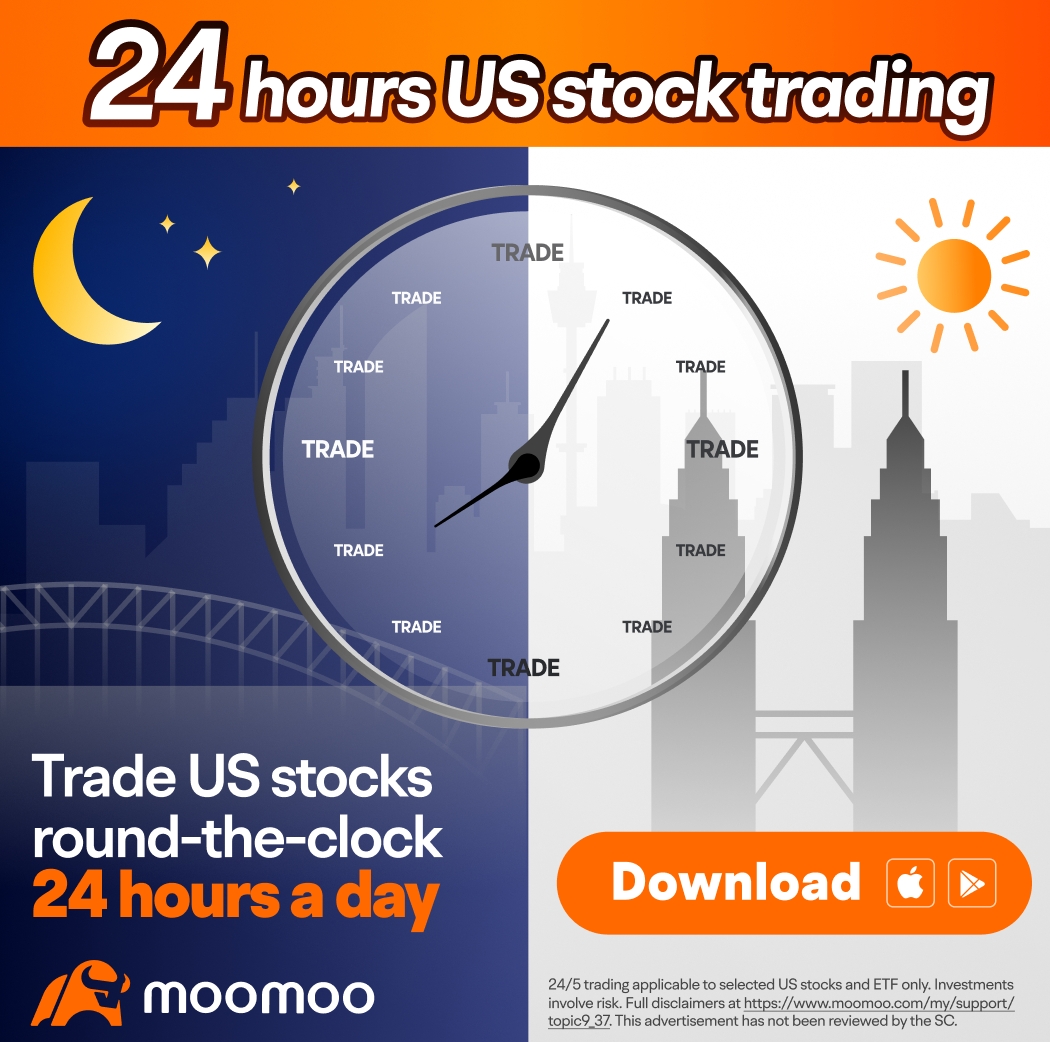
Moreover, if you're using the Moomoo Malaysia trading platform, there's an exciting option. Moomoo offers 24/5 trading for US stocks. This means that as long as the underlying stocks support night trading as well as pre-market and after-market trading, these users can trade US stocks around the clock, 5 days a week. Curious about trading time? Learn the US stock trading session.
How to Buy New IPO Stocks?
To buy new IPO stocks:
Open a brokerage account with a firm that offers IPO access (e.g., Moomoo).
Meet eligibility criteria (e.g., account balance, trading history).
Request shares through the brokerage during the IPO subscription period.
Wait for allocation; if approved, shares are added to your account on the listing day.
Looking to subscribe to IPOs? Moomoo Malaysia offers an easy one-stop solution for all IPO subscription processes. Easy IPO with Moomoo Malaysia!

Conclusion: Buying Stocks in Malaysia
In conclusion, Moomoo is a safe broker and regulated in Malaysia. Malaysian investor can secure the investment with no scams concerns for sure. Stock trading in the Malaysian stock market in 2026 requires a systematic approach. Starting with opening a brokerage account, you then navigate through crucial steps like stock selection, determining share quantities, choosing the right order type, and placing orders. Building and optimizing your portfolio is an ongoing process that demands careful consideration. Understanding when to sell and when to hold is equally vital.
Throughout this journey, being aware of the associated risks is essential. By following these steps and staying informed, you can better position yourself in the Malaysian stock market. Remember, continuous learning and prudent decision-making are key to achieving your investment goals in this dynamic financial landscape.
This presentation is for informational and educational use only and is not a recommendation or endorsement of any particular investment or investment strategy. Investment information provided in this content is general in nature, strictly for illustrative purposes, and may not be appropriate for all investors. Read more