What Is Considered Day Trading in a TFSA?

A Tax-Free Savings Account (TFSA) is a popular investment vehicle among Canadians for its tax-free investment growth. However, with the rise of online trading platforms and increased interest in day trading, many TFSA holders wonder about the implications of using their accounts for frequent trading.
Understanding the differences between investing and day trading, or capital gains vs. business income according to the Canada Revenue Agency's view will enable you to maximize the benefits of your TFSA while steering clear of potential pitfalls.
What is considered day trading in a TFSA?
The definition of day trading isn't as straightforward as it might look, especially in the eyes of Canada Revenue Agency (CRA). Generally, the CRA will look at several factors when deciding whether a taxpayer’s gains from securities transactions constitute carrying on a business. These factors include the frequency of the transactions, the duration of the holdings, the intention to acquire securities for resale at a profit, the nature and quantity of the securities and the time spent on the activity.
Frequency of transactions: The CRA examines the number of transactions within the TFSA. High-frequency trading is a strong indicator of day trading activities.
Duration of holdings: Short holding periods, where investments are bought and sold within days or weeks, can signal day trading. Short holding periods, where investments are bought and sold within days or weeks, can signal day trading, unlike longer holding periods that align with long-term investment strategies.
Use of borrowed funds: Leveraging borrowed funds for trading within a TFSA is another indicator of day trading as a source of business income. The CRA scrutinizes accounts that frequently use margin or other borrowing mechanisms.
Professional knowledge and experience: Individuals with professional knowledge or experience in trading may face higher scrutiny. The CRA considers whether the account holder's background suggests a business-like approach to trading.
Intention behind trades: Central to the CRA's assessment is the intention behind trading activities. If the primary intention is to generate short-term profits, it may be classified as business income. Documenting a long-term investment strategy can help clarify intentions.
Is day trading allowed in a TFSA?
Day trading within a TFSA is generally not aligned with its intended use for long-term savings and investment growth. If trading activities in a TFSA resemble those of a business, the income may be classified as business income and taxed accordingly.
TFSA accounts are designed to encourage Canadians to save and invest for the long term without incurring taxes on investment income and gains. Engaging in frequent trading could undermine the tax benefits and purpose of TFSA accounts.
Is a TFSA really tax-free?
When it comes to a Tax-Free Savings Account (TFSA), the term "tax-free" can be a bit misleading, especially for those considering day trading in a TFSA. While the account is designed to let Canadians grow their investments without paying taxes on gains, there's a catch. If your trading activity starts to look more like a business rather than casual investing, the Canada Revenue Agency (CRA) might classify your earnings as business income. This means you could end up paying taxes on those gains, which defeats the purpose of the TFSA's tax-free status.
TFSAs are primarily meant to encourage long-term savings and investment growth. So, while the allure of day trading might be tempting, it’s essential to remember that excessive trading can jeopardize the tax benefits you’re aiming for in your TFSA.
Can you day trade in your TFSA?
Even though there are no explicit prohibitions against day trading within a TFSA, such activity risks being interpreted by the CRA as a source of business income, potentially leading to significant tax implications.
What Can You Trade in Your TFSA?
You can invest in a variety of assets within your TFSA, including stocks, ETFs, options and so on. Each of these investment types offers unique opportunities for growth. For example, if you’re interested in stocks, you can explore more about stock investments in a TFSA here. If options trading piques your interest, check out this guide on options investment with a TFSA.
Case study of day trading
There is currently an appeal by the taxpayer of a 2023 Tax Court decision. The Vancouver-based investment adviser, opened his first TFSA at the program's inception in January 2009. Within three years, the account grew from $15,000 to over $617,000 through frequent trading of penny stocks.
In the Tax Court, the judge stated there was no doubt the taxpayer was conducting a stock-trading business within his TFSA based on his trading activity. The judge concluded that the taxpayer, a professional investor with deep knowledge and experience in the equities market, frequently traded stocks for short periods, thereby conducting a trading business within his TFSA.
You may also like: 25 Most Asked TFSA Questions for Your Tax-Free Savings Account
How to differentiate between long-term investing and day trading in TFSA?
Understanding the CRA's guidelines and maintaining trading activities that align with long-term investing principles can save you from unintended tax bills.
Here are factors to consider:
Limit the frequency of trades: Frequent trading is a key indicator of day trading. Reducing the number of transactions within your TFSA over a short period of time can help maintain its status as a long-term investment vehicle.
Extended holding periods: Holding investments for longer periods of time better aligns with the CRA's view of capital gains vs. business income.
Avoid borrowing funds: Using leverage or borrowed funds for trading is a characteristic of business-like activities. Limiting leveraged trades can help maintain your TFSA's tax-free status.
Document investment intentions: Maintain clear records of your investment strategies and intentions. Documenting a long-term investment plan can provide evidence that your activities are not intended as day trading.
Consult with a tax professional: Given the complexities of tax laws, consulting with a tax professional can provide valuable insights and help ensure compliance with regulations.
No factor is conclusive in and of itself to determine whether you're considered a day trader, which contrasts with long-term investing, where assets are held for extended periods of time to benefit from long-term appreciation (1). You can find further guidance on qualified investments by consulting the CRA's website.
(1): Canada Revenue Agency Income Tax Audit Manual - Chapter 27.1.2: Factors to consider
How to open TFSA account in Canada?
Opening a Tax-Free Savings Account (TFSA) in Canada is generally simple and can be done through most banks, credit unions, or online brokerage platforms. Before getting started, ensure you meet the following criteria:
You must be a resident of Canada
You must be at least 18 years old (or the legal age of majority in your province or territory, if higher)
You must have a valid Social Insurance Number (SIN)
Once you confirm your eligibility, you can follow these basic steps to set up your TFSA:
Step 1. Choose an online brokerage platform
Canadian investors can easily open a TFSA through an online brokerage such as moomoo Canada. This platform offers convenient access to tax-free investing along with a suite of advanced market analysis tools, making it a practical choice for managing investments efficiently.
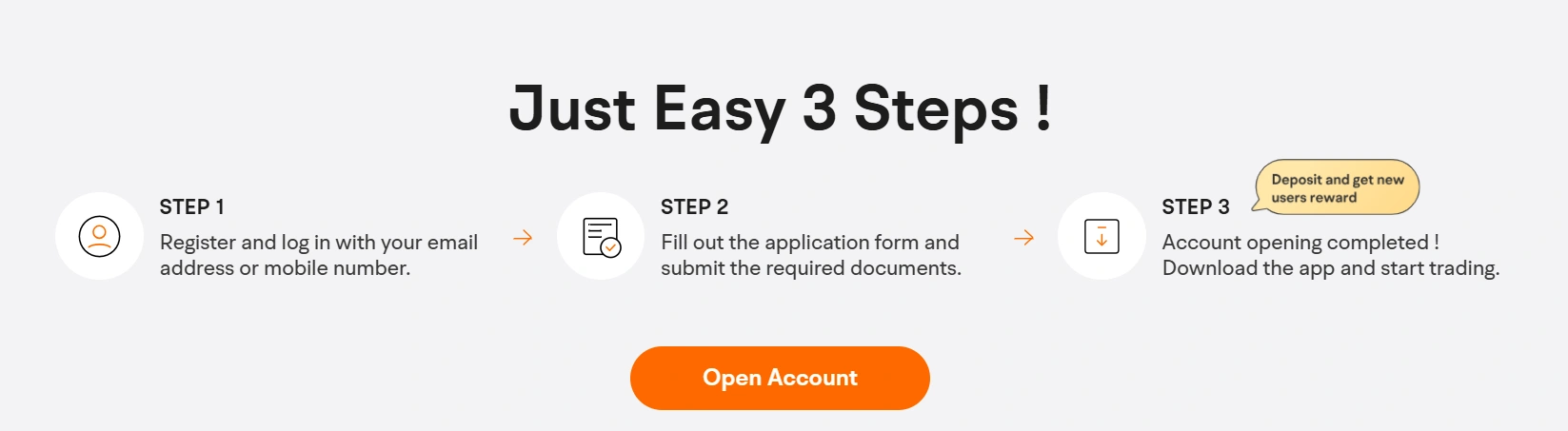
Step 2. Complete the application
Provide your personal details, such as your Social Insurance Number (SIN) and contact information. You’ll also need to review and accept the account’s terms and conditions before proceeding.
Step 3: Account approval
Once your application is approved, moomoo will handle the registration of your TFSA with the Canada Revenue Agency (CRA) on your behalf.
Step 4. Start your investment journey
Once your TFSA is open and funded, you can start investing! moomoo Canada supports users to trade Canadian stocks, US stocks, ETFs, and options!
>> Read more: Should I Put US Stocks in a TFSA or RRSP?
This presentation is for informational and educational use only and is not a recommendation or endorsement of any particular investment or investment strategy. Investment information provided in this content is general in nature, strictly for illustrative purposes, and may not be appropriate for all investors. Read more