Buy to Open vs. Buy to Close: What's the Difference in Options Trading
Key Takeaways
Think Buy to Open and Buy to Close always go together? Think again. They serve very different purposes in options trading.
Buy to Open (BTO) kicks off your trade. You’re buying a call or put to ride a price move or hedge your portfolio.
Buy to Close (BTC) is how you exit a short position. You only use it if you started by selling an option first.
Mixing them up can cost you. One wrong click and you might open when you meant to close—or worse.
Good news? Moomoo makes it easy to trade smart.
Interactive option chains
Strategy builders to plan your plays
Options trading enables investors to profit from market movements, protect their portfolios, or generate income. Two common order types in this process are Buy to Open (BTO) and Buy to Close (BTC). Buy to Open (BTO) enables traders to open a new position or add to a position in the options market by purchasing a contract.
Buy to Close (BTC) enables traders to close or reduce a short position created by selling a contract earlier. These order types serve distinct purposes—one opens or adds to a position, while the other closes or reduces risk. This article explains their functionality, differences, and application on the moomoo apps, providing clear guidance for traders in the options market.
Options Basics You Should Know Before Trading
Options Contract
An options contract is a financial instrument based on an underlying asset, such as a stock or index. It grants the buyer the right, but not the obligation, to buy or sell the asset at a fixed price, known as the strike price, by a specific date, called the expiration date.
Each contract typically controls 100 shares of the asset, enabling traders to manage a large position with less capital. Options are traded on exchanges, and their price, known as the premium, depends on the asset’s price, market volatility, and time until expiration.
Call Option
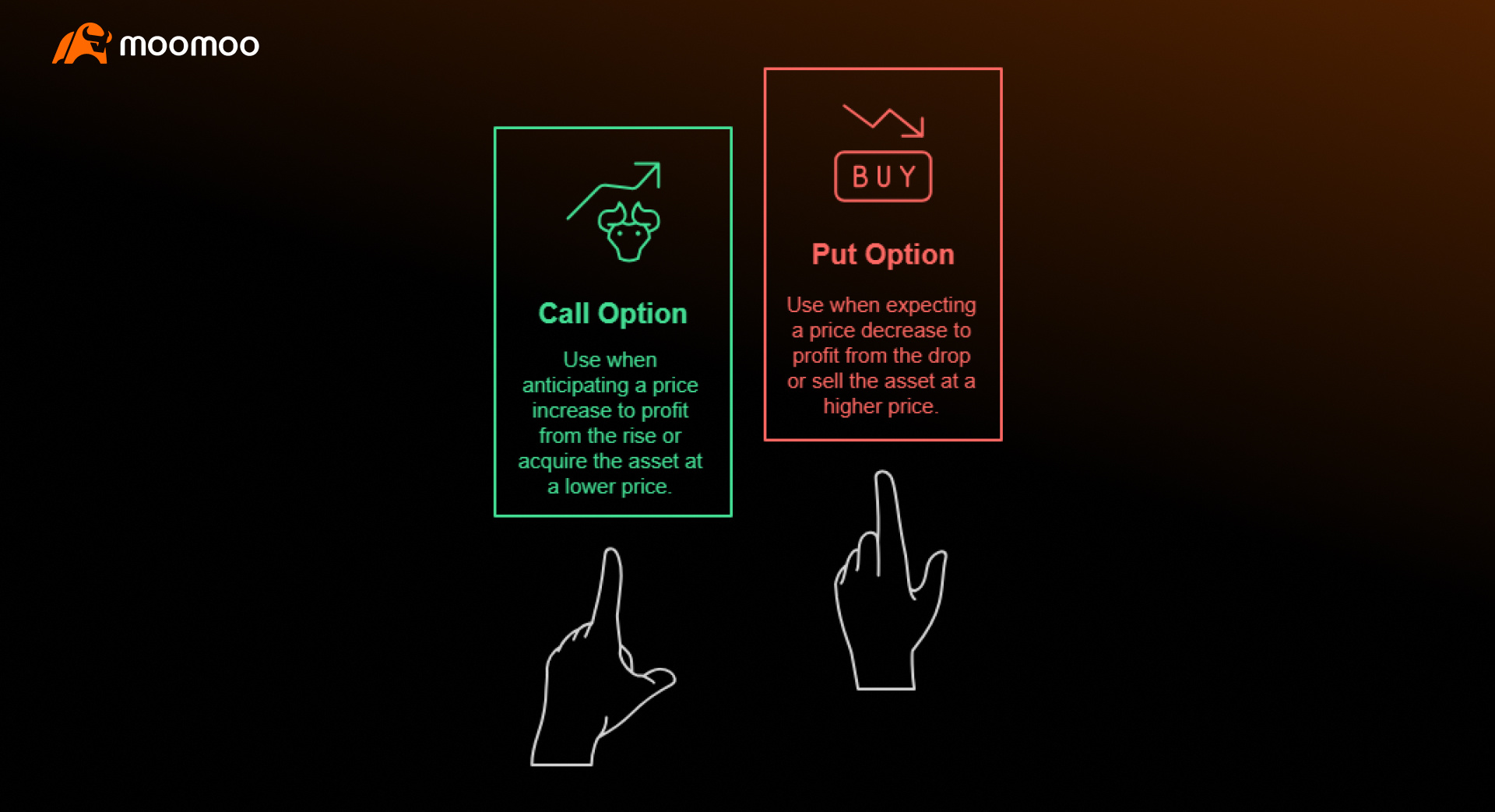
A call option allows the buyer to purchase the underlying asset at the strike price before or on the expiration date for American-style options, or only on the expiration date for European-style options. Traders purchase call options when they anticipate the asset’s price will increase, aiming to profit from the rise or acquire the asset at a lower price. The seller, or writer, must sell the asset if the buyer exercises the option. Call options are effective for speculating on price increases and can be opened or added to with a Buy to Open (BTO) order.
Put Option
A put option allows the buyer to sell the underlying asset at the strike price before or on the expiration date for American-style options, or only on the expiration date for European-style options. Traders purchase put options when they expect the asset’s price to decline, aiming to profit from the drop or sell the asset at a higher price. The seller must purchase the asset if the buyer exercises the option. Put options are useful for speculating on price declines or protecting investments and can be opened with a Buy to Open (BTO) order.
>>Learn more about options strategy: Covered Call and Covered Put Options Strategies
What is Buy to Open?
Buy to Open (BTO) is an order type used in financial markets to open a new position or add to a position by purchasing a financial instrument, such as stocks, futures, or options. This order shows the trader wants to enter the market or increase their investment by acquiring more of an asset, whether they have no position or are adding to an existing one.
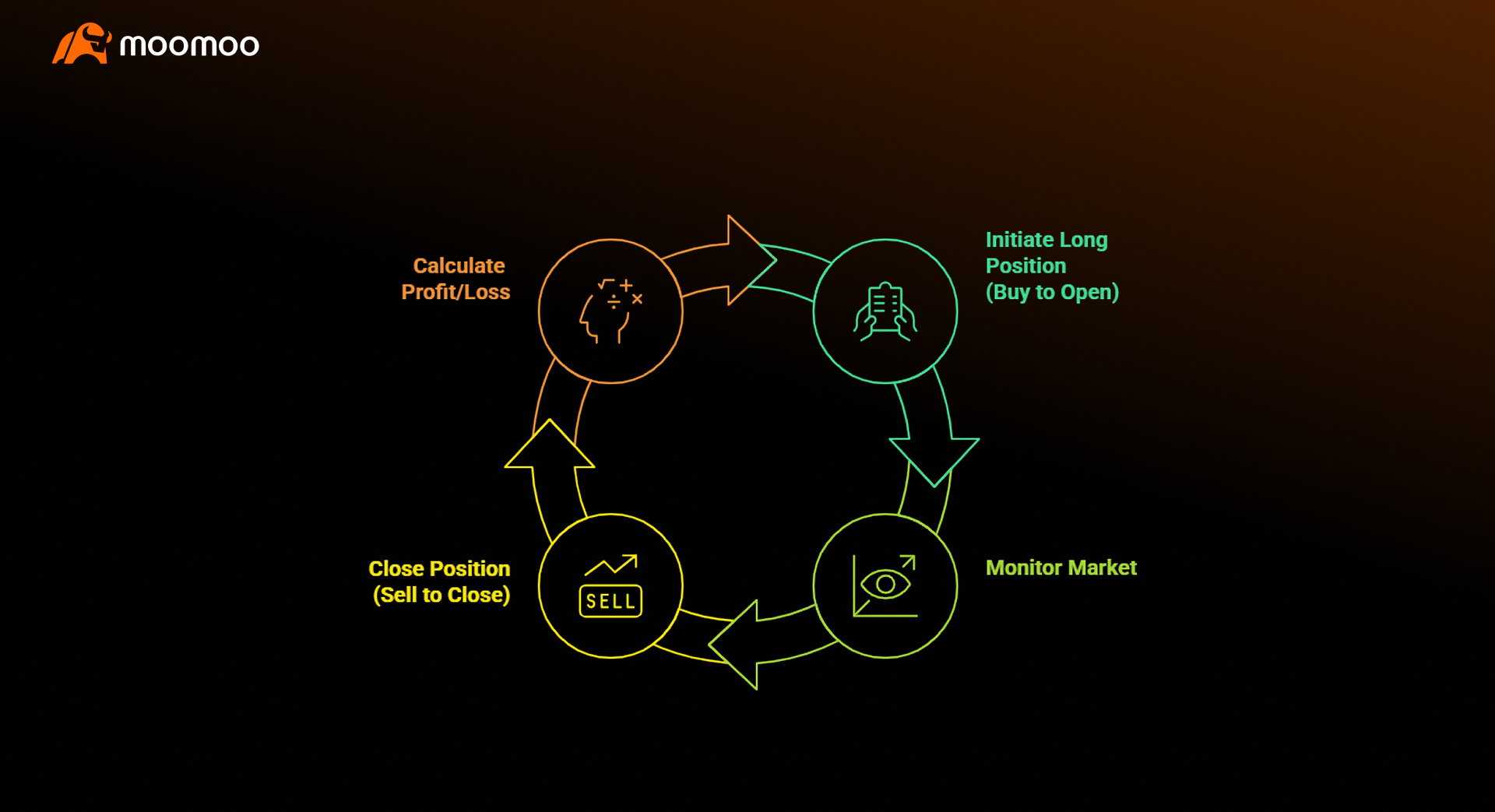
This section explains how Buy to Open (BTO) functions in options trading. A Buy to Open (BTO) order involves purchasing a call or put option to open a new position or add to a position. Traders use this to speculate on the asset’s price increasing (call options) or decreasing (put options), or to protect other investments. When traders place a Buy to Open (BTO) order, they own the option contract, with the right to exercise it or sell it later (Sell to Close (STC)) for a profit. After opening a position with Buy to Open (BTO) as the buyer, traders can close it by selling the option with a Sell to Close (STC) order.
How Does Buy to Open Work?
When traders place a Buy to Open (BTO) order for an option, they pay a premium, calculated as the price per share multiplied by 100, as each contract covers 100 shares. The premium depends on the asset’s price, market volatility, and time until expiration. For a call option, traders expect the asset’s price to rise above the strike price plus the premium before expiration, enabling a profit through selling or exercising the option. For a put option, traders expect the price to fall below the strike price minus the premium, offering similar profit opportunities.
After purchasing the option with Buy to Open (BTO), the trader owns it as the buyer. The position remains active until the trader closes it by selling the option with a Sell to Close (STC) order, exercises it, or allows it to expire. With Sell to Close (STC), traders sell the option they purchased to close the position, transitioning from buyer to seller.
Pros and Cons of Buying to Open
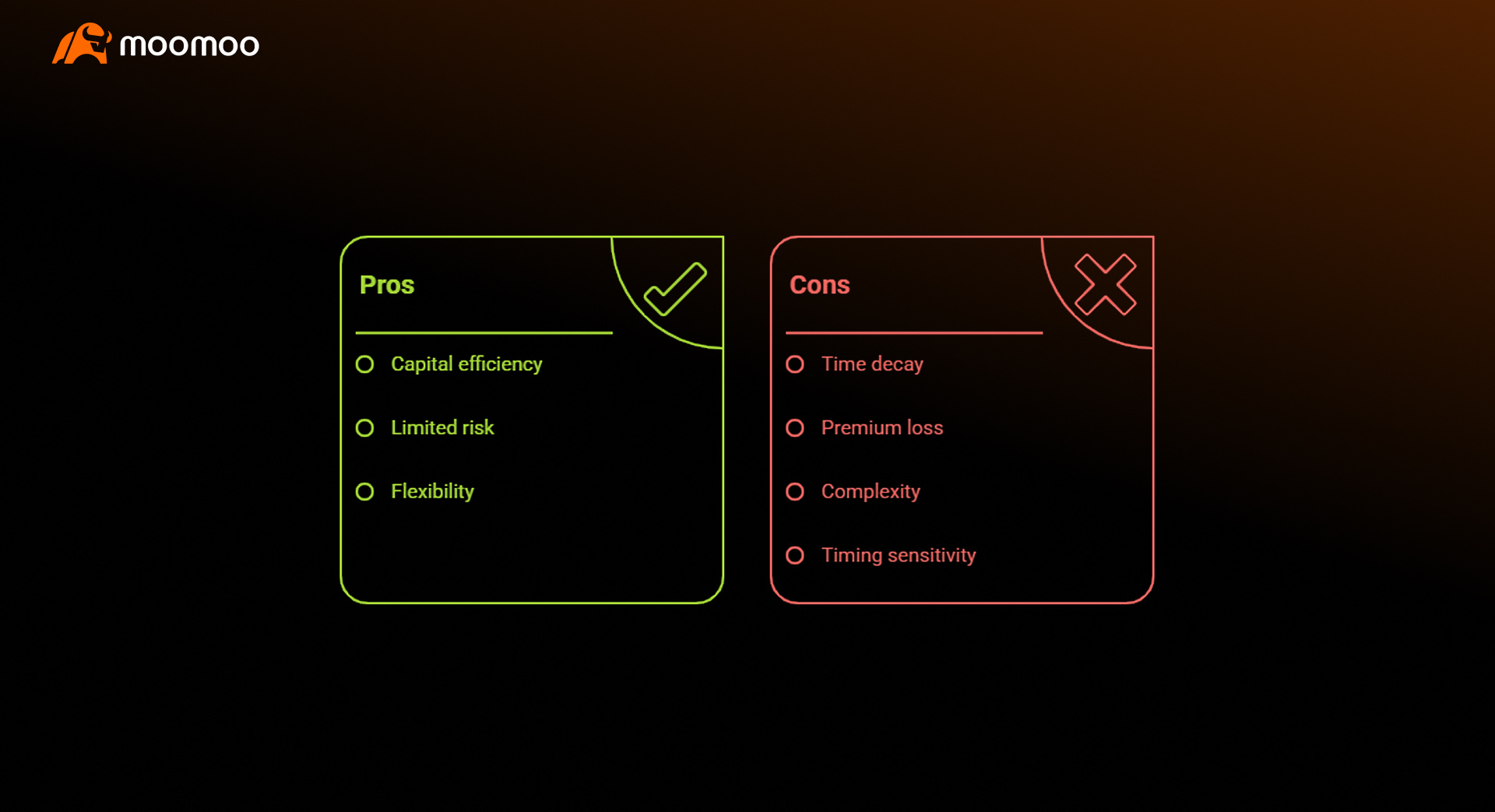
Pros:
Traders can control a large position with a small amount of capital, known as the premium, which can amplify profits if the asset’s price moves as anticipated.
The risk is limited to the premium paid, providing a clear maximum loss, which ensures predictable financial exposure.
This approach offers flexibility, enabling traders to speculate on price increases with call options, price decreases with put options, or protect owned stock from price declines.
Cons:
Options lose value over time due to time decay, particularly if the asset’s price remains stable or moves unfavorably, reducing potential profits.
The entire premium may be lost if the option expires worthless, which occurs if the price does not move beyond the strike price as required.
Options trading is complex, requiring knowledge of market dynamics and terms like delta and theta, which can influence outcomes.
Traders must time their trades carefully to avoid losing the premium to time decay.
What is an Example of a Buy to Open?
A trader sees a stock at $50 and expects it to climb to $70 in three months. With no existing options position, a Buy to Open (BTO) order is placed for a call option with a $55 strike price and a $2.50 premium, costing $250 ($2.50 × 100). If the stock hits $70, the option’s premium may rise to $15, enabling a Sell to Close (STC) order for $1,500, yielding a $1,250 profit ($1,500 - $250). If the stock stays below $55 at expiration, the option expires worthless, resulting in a $250 loss.
What is Buy to Close?
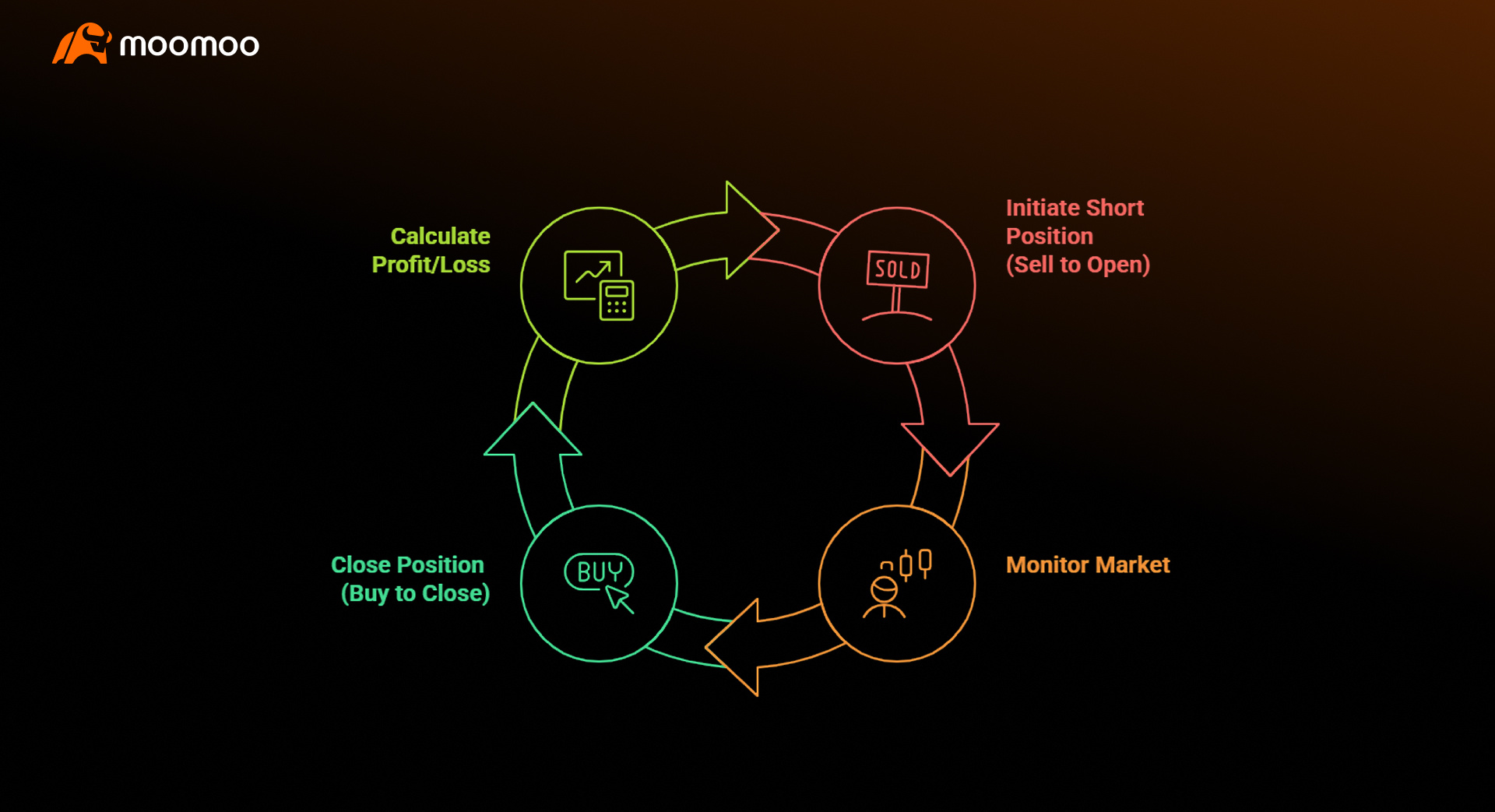
Buy to Close (BTC) is an order type used in financial markets to close or reduce a short position by purchasing a financial instrument, such as stocks, futures, or options, previously sold. A short position involves selling an asset the trader does not own, anticipating a price decline. This order enables traders to reduce or eliminate their risk by buying back some or all of the sold instruments.
This section explains how Buy to Close (BTC) functions in options trading. A Buy to Close (BTC) order involves purchasing a call or put option previously sold with a Sell to Open (STO) order, to close or reduce a short position. Traders use this only if they have a short position, which obligates them to sell (for calls) or buy (for puts) the asset if the option is exercised. With Sell to Open (STO), traders sell as the initial seller, then use Buy to Close (BTC) to purchase the option as the buyer, closing or reducing their obligation. Buy to Close (BTC) determines the trader’s profit or loss, often to manage risk, secure profits, or adapt to market changes.
How Does Buy to Close Work?
Traders create a short position by selling an option with a Sell to Open (STO) order, receiving a premium but agreeing to fulfill the contract if the buyer exercises it. A Buy to Close (BTC) order involves purchasing the same option—same asset, strike price, and expiration date—to reduce or close the position. After selling with Sell to Open (STO) as the seller, traders transition to the buyer with Buy to Close (BTC) to close or reduce the position. The profit or loss is determined by the difference between the premium received and the price paid to buy it back.
If the option’s premium decreases, traders buy it back at a lower price, generating a profit. If the premium increases, they pay more, incurring a loss.
Want to do options trading in Canada? Check our guide: What Is Options Trading and How to Trade Options in Canada?
Pros and Cons of Buying to Close
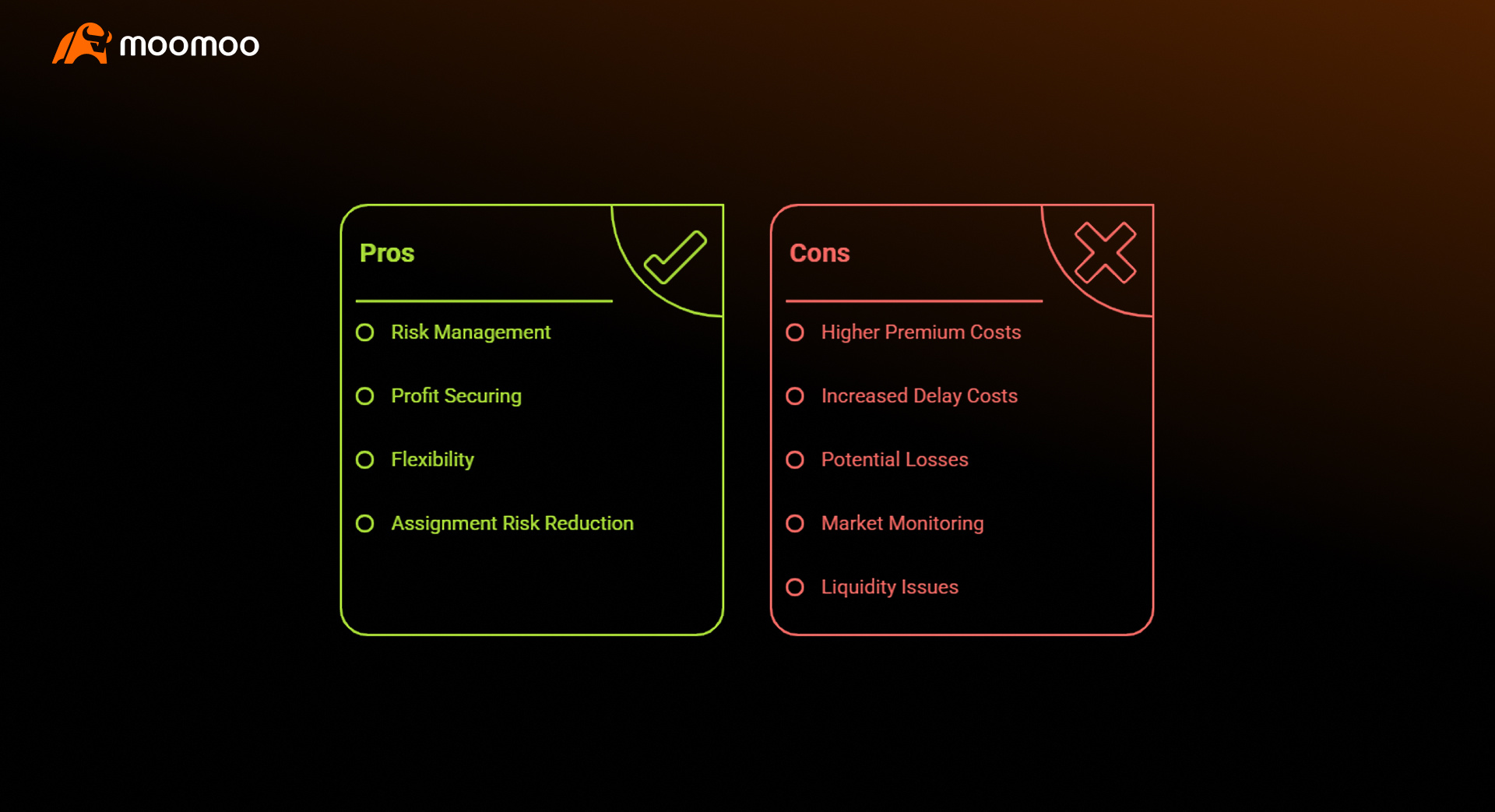
Pros:
Buy to Close (BTC) enables traders to manage risk, limiting losses if the market moves against their short position, protecting against larger financial exposure.
Traders can secure profits if the option’s premium decreases significantly, profiting from favorable price changes by buying it back at a lower cost.
This action provides flexibility, allowing traders to reduce or exit positions based on new market information or changing conditions, adapting their strategy.
Closing or reducing the short position minimizes or eliminates the risk of assignment, where traders must sell or buy the asset at an unfavorable price.
Cons:
Buying back at a higher premium can erase profits if the market moves unfavorably.
Delaying the buy-back may increase costs if the option’s value rises quickly.
Buying back at a higher premium results in losses, especially for uncovered positions, where traders lack the asset or another option to offset the obligation.
Traders must monitor the market closely to make timely Buy to Close (BTC) decisions, as price changes can occur rapidly, requiring constant vigilance.
In less liquid options markets, wider bid-ask spreads can increase costs, making it more challenging to achieve a profit.
What is an Example of a Buy to Close?
A trader expects a stock at $80 to stay below $90 for two months. Using a Sell to Open (STO) order, they sell one call option with a $90 strike price for a $3 premium, receiving $300 ($3 × 100), creating a short position. If the stock drops to $70, the option’s premium falls to $0.50, and a Buy to Close (BTC) order repurchases the option for $50 ($0.50 × 100), securing a $250 profit ($300 - $50). If the stock rises to $100, the premium may climb to $12, so repurchasing with BTC costs $1,200 ($12 × 100), resulting in a $900 loss ($1,200 - $300).
What’s the Difference Between Buy to Open and Buy to Close?
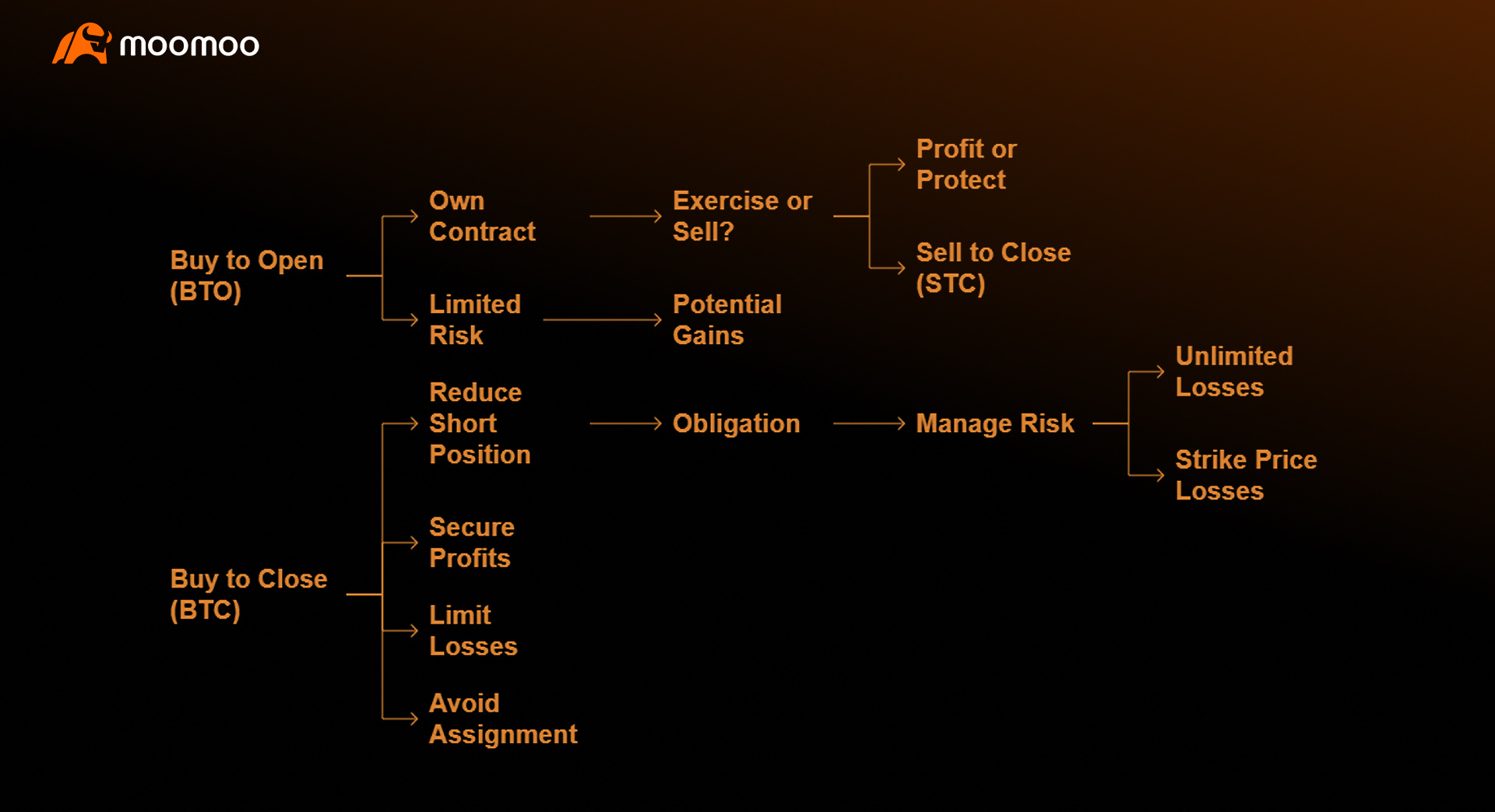
Buy to Open vs Buy to Close
Buy to Open (BTO) and Buy to Close (BTC) serve distinct purposes in options trading. Buy to Open (BTO) opens a new position or adds to a position by purchasing a call or put option. Traders own the contract, with the right to exercise or sell it with a Sell to Close (STC) order, aiming to profit from price movements or protect investments.
Buy to Close (BTC) closes or reduces a short position by purchasing an option previously sold with a Sell to Open (STO) order. Traders use this only if they have a short position, which obligates them to act if the option is exercised. This action reduces or eliminates their obligation, determining profits or losses.
Buy to Open (BTO) carries limited risk—traders can only lose the premium paid—but offers significant potential gains if the price moves favorably. Buy to Close (BTC) risks depend on the short position; call options can incur unlimited losses, and puts can lose up to the strike price. Buy to Open (BTO) is for opening or adding to a position; Buy to Close (BTC) is for managing an existing one, to secure profits, limit losses, or avoid assignment.
How to Buy to Open or Buy to Close Options with moomoo?
Moomoo Canada is a user-friendly yet powerful trading platform designed for both novice and professional traders. Its intuitive interface and advanced tools make trading options accessible and efficient. Below are some of the key features that enhance Moomoo’s options trading capabilities:
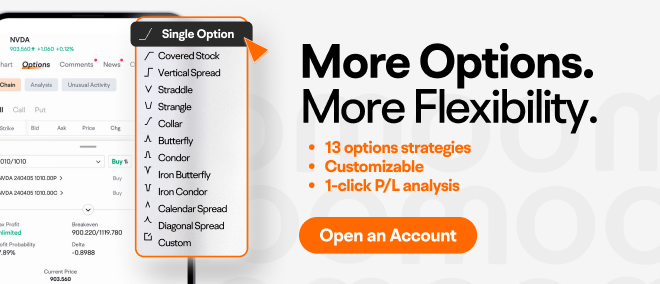
Comprehensive Options Chain with Multi-Leg Strategy Support: Moomoo’s options chain allows users to select from predefined strategies or customize their own by freely choosing legs to build tailored strategies, providing flexibility for diverse trading goals.
Strategy Builder: This feature enables users to input specific criteria, such as risk tolerance or market outlook, and with a single click, filters out all available strategies that match the provided parameters, simplifying the decision-making process.
Volatility Analysis Tools: Moomoo provides in-depth volatility metrics, including Implied Volatility (IV), Historical Volatility (HV), IV Rank, and IV Percentile, enabling traders to analyze market conditions and make informed decisions.
Beyond these offerings, Moomoo includes advanced features like charts, unusual options activity tracking, a profit/loss diagram, and more, all designed to streamline analysis and execution for options trading.
Ready to start trading options with these powerful tools? Open an account with moomoo today to explore the platform and begin your trading journey.
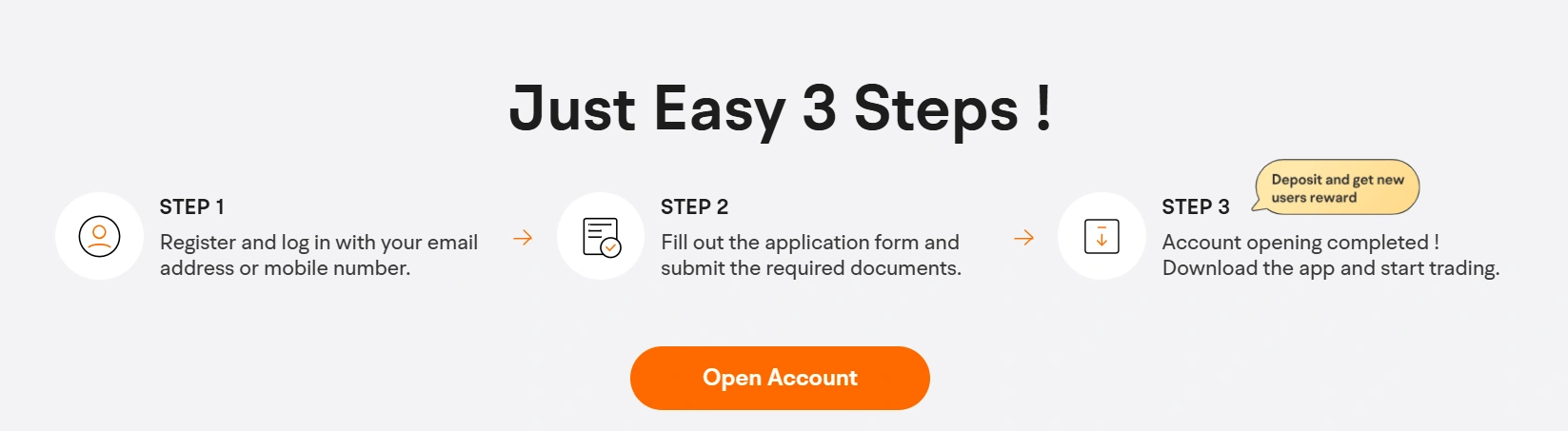
With Moomoo’s powerful and user-friendly tools, getting started with options trading—specifically placing Buy to Open (BTO) and Buy to Close (BTC) orders is straightforward and intuitive. Let’s dive into the step-by-step process to help you confidently execute these trades!
To place a Buy to Open (BTO) order:
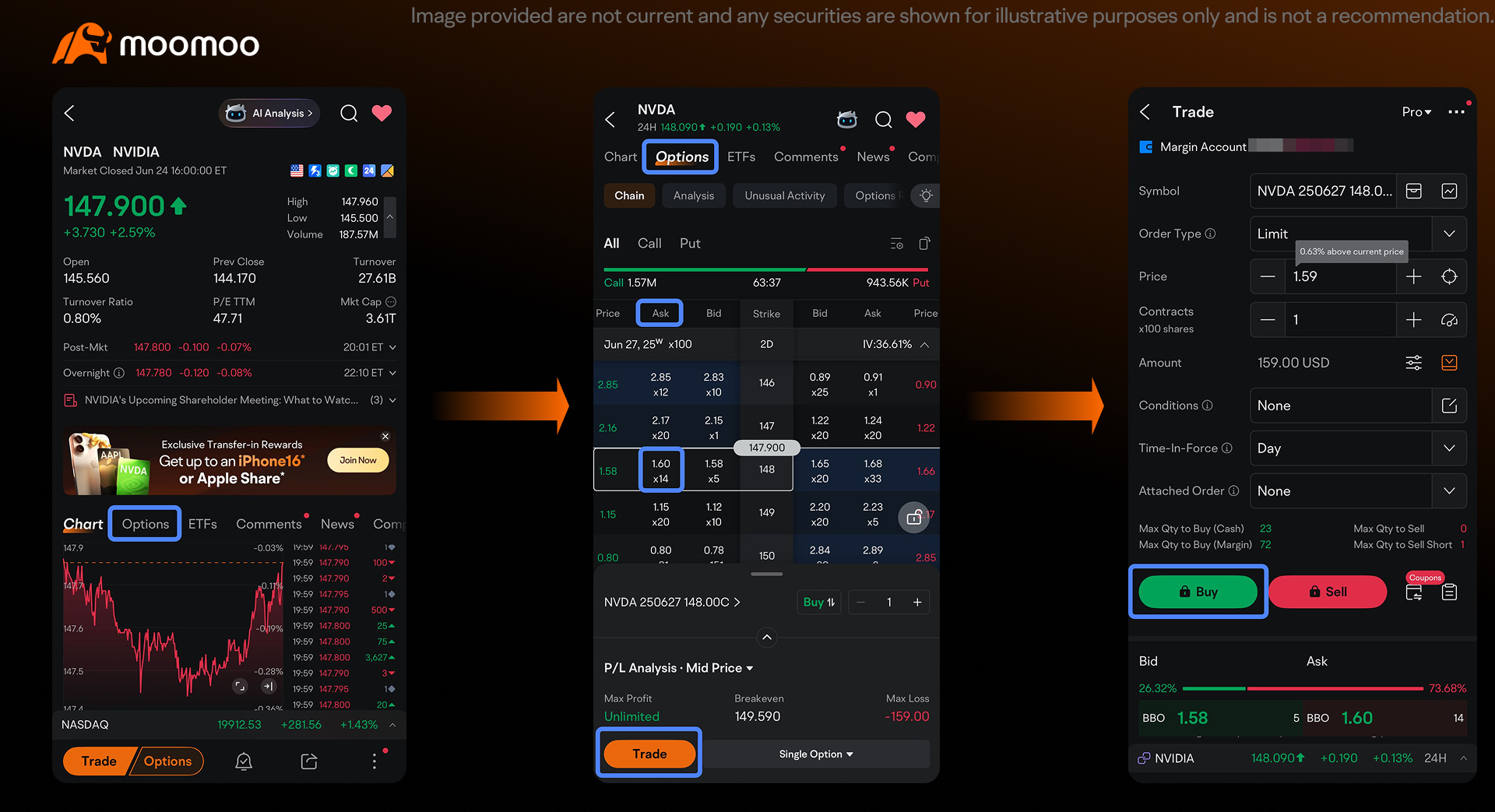
First, search for the underlying you want to trade an option with.
Then, find the options tab, click on it, and scroll down to see the option chain showing call and put options, strike prices, expiration dates, premiums, and other details.
Next, choose the option you want to buy.
Since you want to buy to open, go to the Ask column and press the premium price of the option you want to buy.
After that, an order dialog will pop up from the bottom, then press trade.
Then, an order tab will appear where you set up the order details like order type, price, and number of contracts.
Once you key in, and have checked everything is correct, click the buy button, and your order will be submitted for buy to open.
For a Buy to Close (BTC) order:
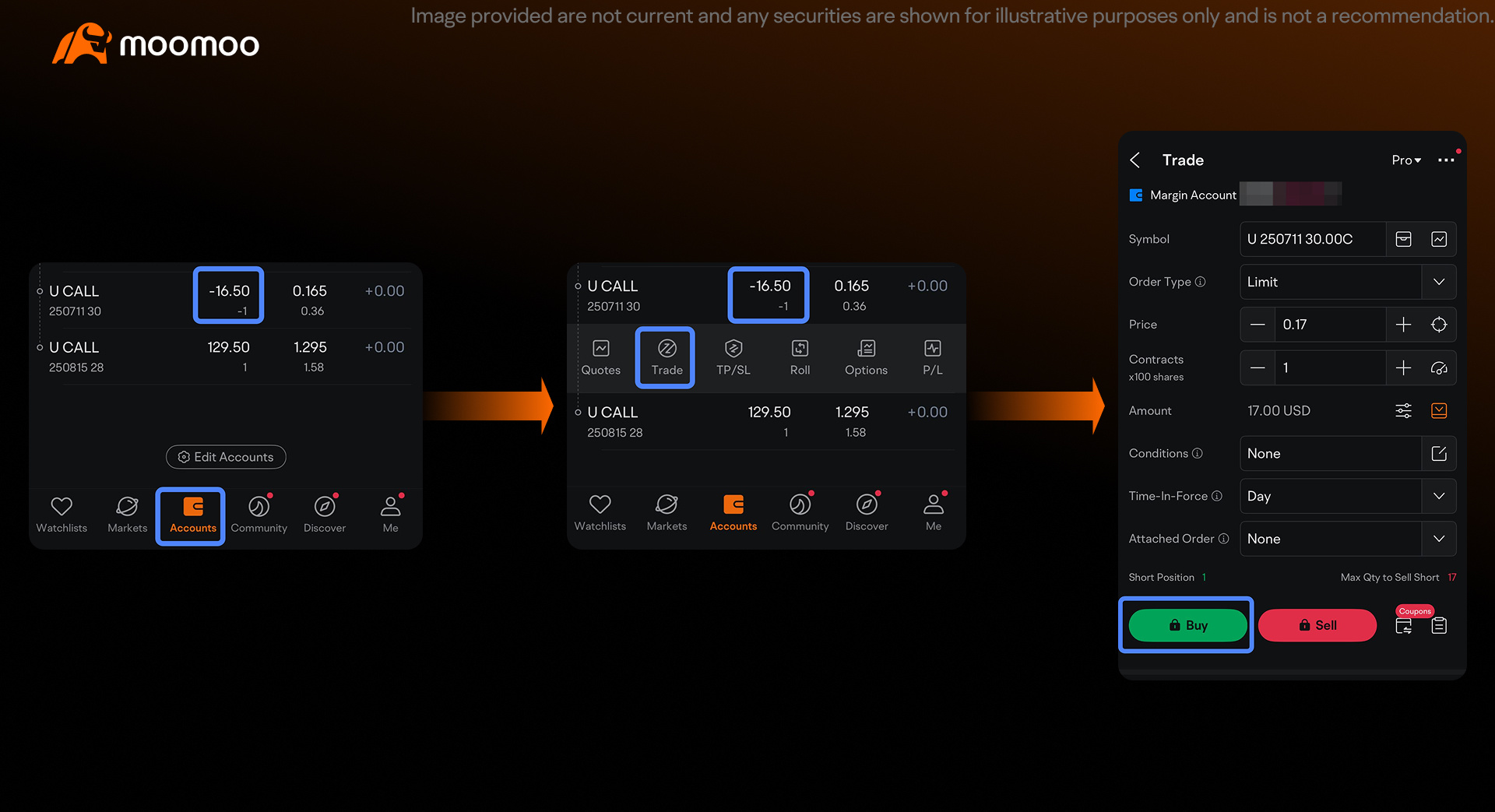
First, visit the account tab and find your existing positions.
Then, locate the short position for the option you want to close, press on it, and an action tab will pop up.
After that, press trade, and an order tab will appear for you to fill in the order details.
Once you key in, and have checked everything is correct, click the buy button, and the order will be submitted to close the short position.
Frequency Asked Questions
Is It Better to Buy Stocks at Market Open or Close?
Whether buying stocks at market open or close is better depends on the trader’s strategy and market conditions. Understanding which timing aligns with the strategy’s rules and risks helps determine the optimal choice.
When Should You Buy to Close an Option?
Buy to Close (BTC) can be used to exit a short options position based on the trader’s predefined exit criteria. This includes when the option's premium reaches a target profit level, such as a specific percentage gain, or a predetermined loss threshold to limit further risk. BTC is also appropriate based on the trader’s assessment of shifting market conditions or outlook, prompting closure to avoid adverse moves, or when the option is near expiration and in-the-money to prevent unwanted assignment.
This presentation is for informational and educational use only and is not a recommendation or endorsement of any particular investment or investment strategy. Investment information provided in this content is general in nature, strictly for illustrative purposes, and may not be appropriate for all investors. Read more