Trading with Limited Capital: Why Options Can Be More Capital Efficient Than Shares
One of the key appeals of options is leverage.
Instead of committing $10,000 to buy 100 shares at $100 each, you can pay a much smaller premium to gain comparable price exposure to the same underlying asset. If the trade works in your favour, the percentage return on that premium can be significantly higher than holding the shares directly.
However, leverage works both ways. While it can amplify gains, it can also amplify losses. Option buyers can lose the entire premium paid, and some strategies, particularly when selling options, can carry even more substantial risk.
How options improve capital efficiency
Case study: a 5 percent move, very different outcomes
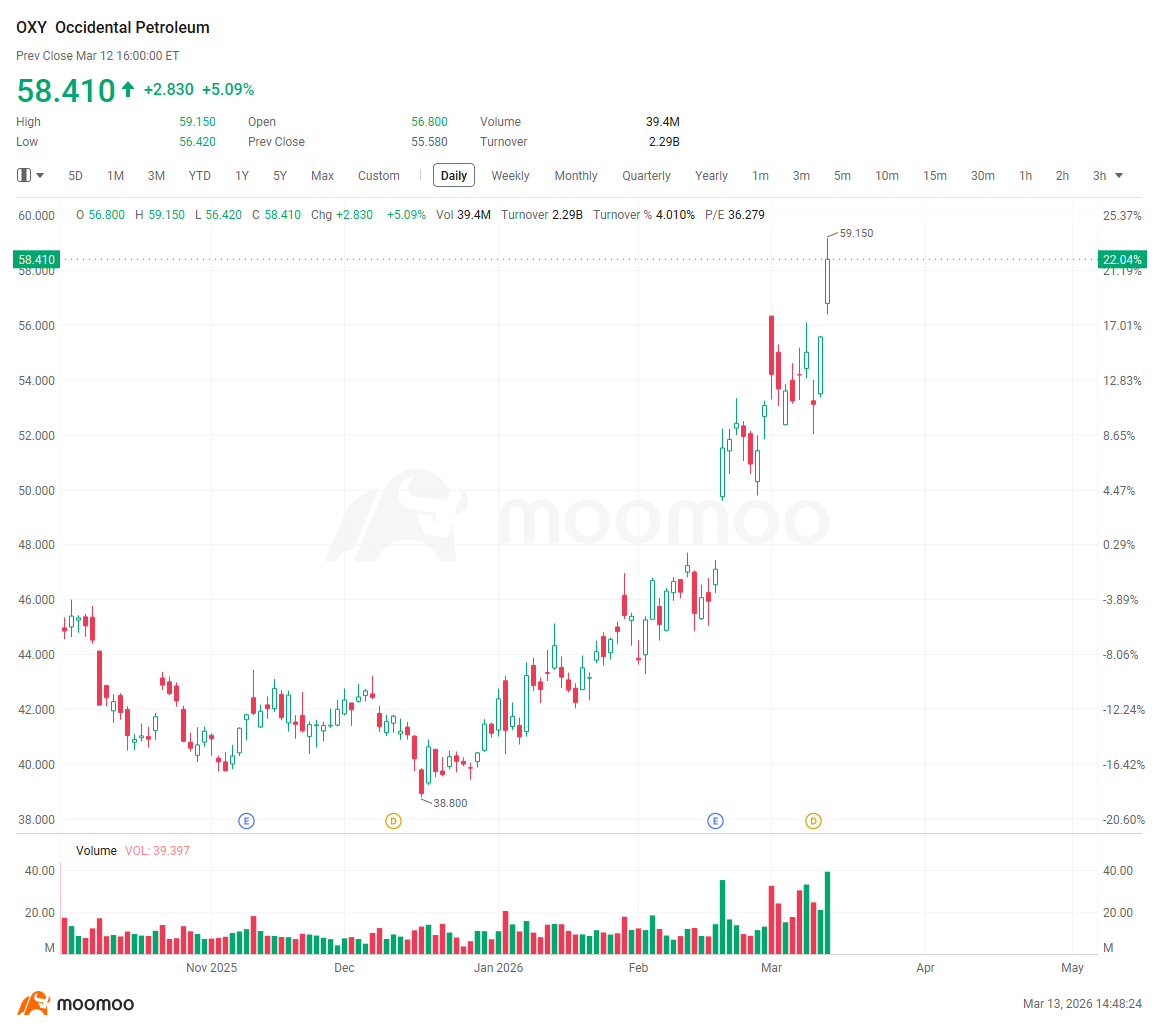
On 12 March 2026, Occidental Petroleum rose by 5 percent.
If you had purchased 100 shares the day before for around $5,558, your profit would have been roughly $285.
Now consider an alternative approach. A call option expiring that same week with a $58 strike price cost around $15 per contract, representing the same 100 shares. By the next day, the option had increased sharply in value, turning that $15 into around $89.
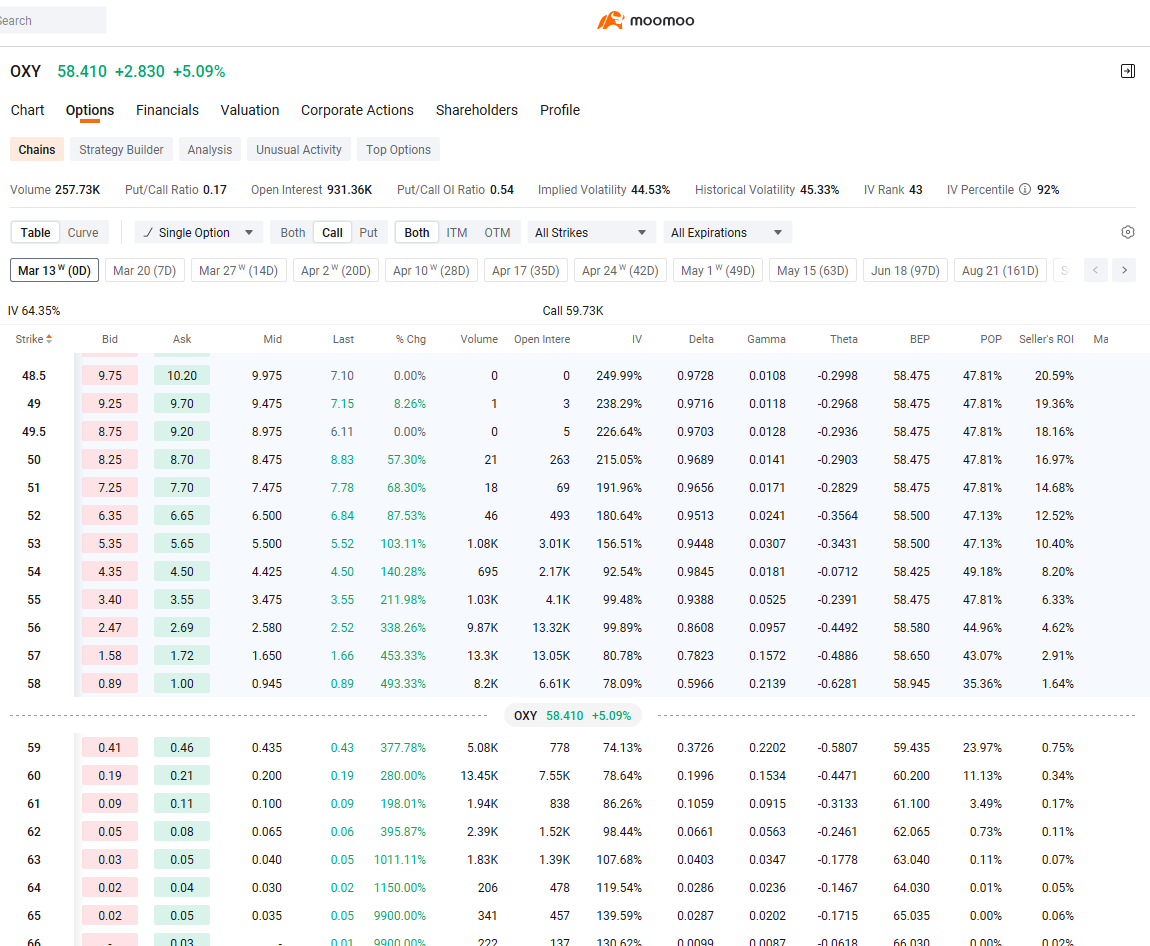
This highlights the core advantage of options. When your view is correct, you can gain similar exposure with far less capital, and the percentage return can be much higher.
Key characteristics of options trading
1. Limited loss with leveraged upside
For option buyers, the maximum loss is limited to the premium paid.
Call options offer potential upside if the share price rises, while put options can profit if the share price falls.
This is a key difference from shares. A stock that falls 50 percent needs to double to recover. With options, your downside is capped at entry, but you are still exposed to the risk of losing the full premium.
2. Trading volatility, not just direction
Shares are typically traded based on direction, either up or down.
Options allow you to trade volatility and time as well.
For example, before an earnings announcement, some traders may buy both a call and a put at the same strike price. If the share price moves significantly in either direction, the position can be profitable. In some cases, rising volatility alone can increase option prices, even before a price move occurs.
Two practical trading approaches
1. Trend-based trades
This approach works when a stock is in a clear uptrend or downtrend, supported by a catalyst such as earnings, sector momentum or macro shifts.
A common method is to:
Choose slightly out of the money options to balance risk and probability
Hold for a shorter period, typically one to two weeks
Set clear exit rules, such as taking profits after a strong move or cutting losses if the trade does not play out
Discipline is critical. Position sizing and exit planning matter just as much as the trade idea.
2. Range-bound strategies
This approach is used when you expect a stock to remain within a range and there are no major near term catalysts.
In this case, traders may sell options to collect premium. If the share price stays within the expected range, time decay works in their favour and the option loses value, allowing them to keep the premium.
Three common mistakes to avoid
1. Chasing deep out of the money options
Cheap options can be tempting, but they often have a very low probability of success.
Options with very low delta tend to expire worthless most of the time. A more balanced approach is to focus on options with a higher chance of becoming profitable and to manage position size carefully.
2. Treating options like shares
Options are not long term hold assets in the same way shares are.
They lose value over time. Even if your market view is correct, time decay can reduce or eliminate your profits.
For shorter term trades, options with 30 to 90 days to expiry can offer a better balance between time decay and leverage.
3. Ignoring implied volatility
Volatility plays a major role in option pricing.
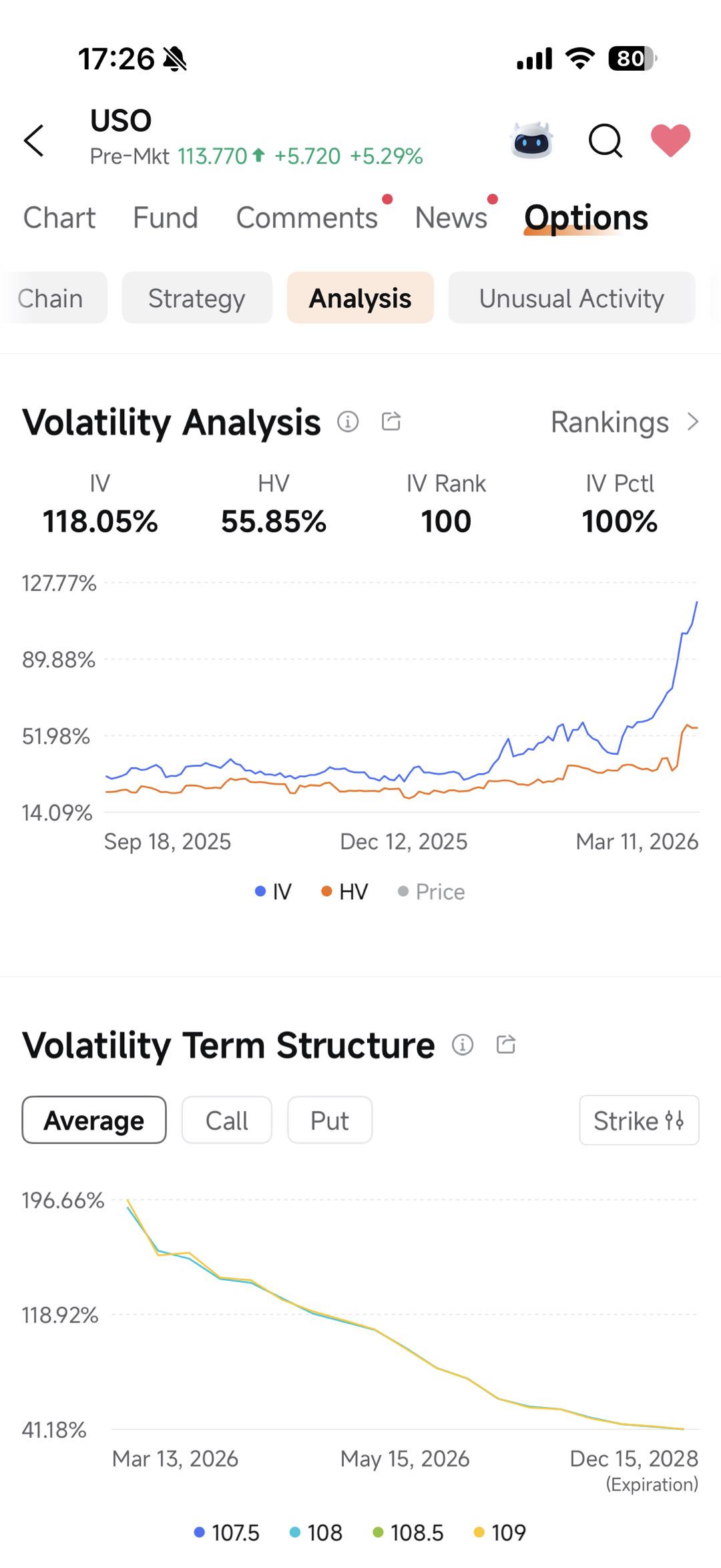
Buying options when volatility is high can lead to losses if that volatility falls, even if the share price moves in your favour. Similarly, selling options when volatility is low can expose you to risk if volatility increases.
Always consider where current volatility sits relative to its historical range before entering a trade.
Getting started: from practice to live trading
Step 1: practice with a demo account
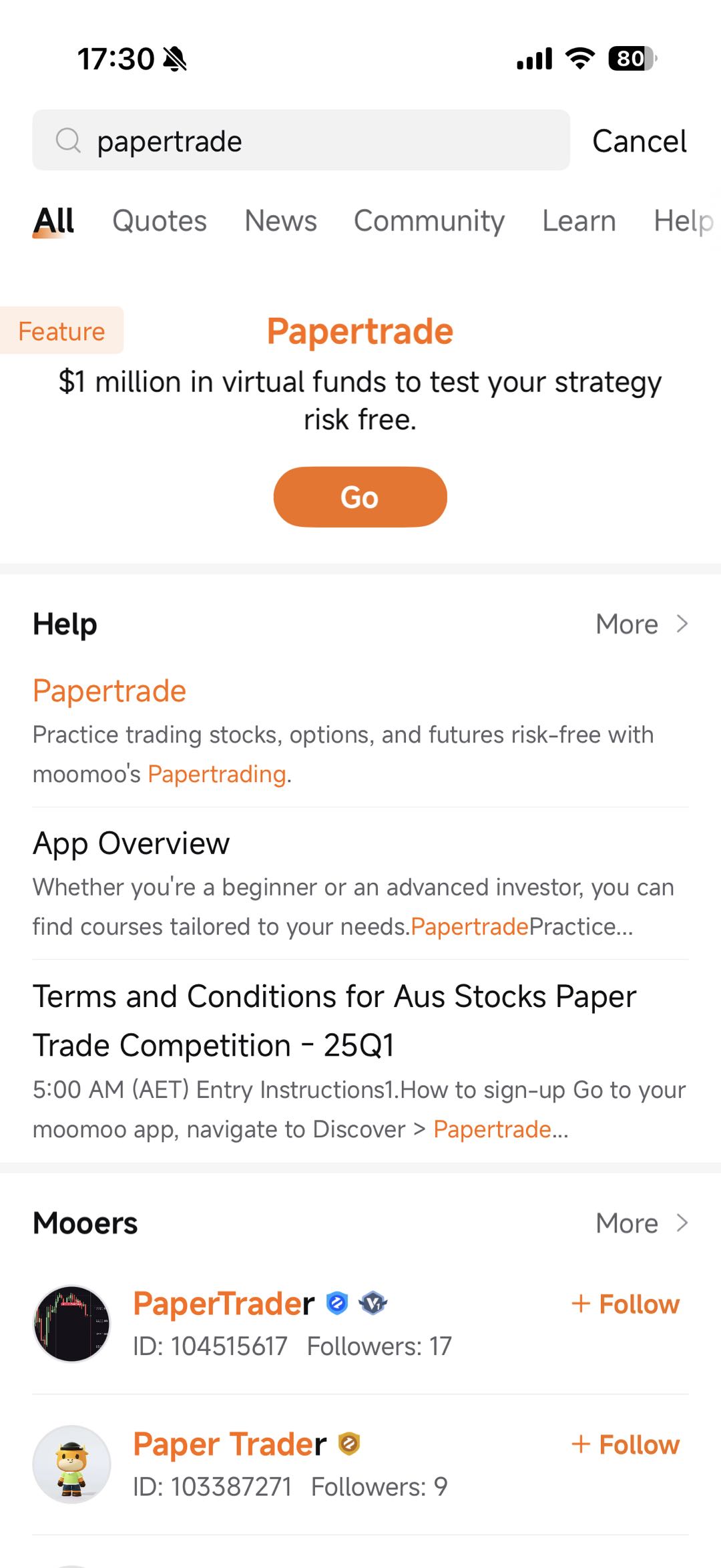
Start with paper trading to understand how options move in real time. This helps you get comfortable with price changes and the impact of time decay without risking capital.
Step 2: start small
When moving to live trading, begin with an amount you can afford to lose. Focus on liquid instruments such as major ETFs where pricing is more efficient and spreads are tighter.
Stick to simple strategies such as buying calls or puts.
Step 3: build a consistent process
Limit risk to a small portion of your account per trade
Set clear profit taking and loss cutting rules
Keep a trading journal to track decisions and outcomes
Over time, patterns in your results will help refine your approach.
Risk warning: This information is general in nature and has been prepared without considering your financial objectives, situation or needs. Consider the appropriateness of this information in light of your personal circumstances before making investment decisions. Options trading involves substantial risks and may not be suitable for all investors. Losses could potentially exceed your initial investment. Please consider our Financial Services Guide (FSG), US Options Product Disclosure Statement (PDS) and US Options Target Market Determination (TMD) available on moomoo.com/au before trading options with us.
This presentation is for informational and educational use only and is not a recommendation or endorsement of any particular investment or investment strategy. Investment information provided in this content is general in nature, strictly for illustrative purposes, and may not be appropriate for all investors. Read more