6 Best S&P 500 ETFs on the ASX for Australians 2026
In today's global investment landscape, Australian investors are increasingly turning their attention to the USharemarket. And in that market, the S&P 500 index is the most important benchmark. It includes the leading companies across a wide wide range of industries. So for Australian investors looking to make the most of the US market, but avoid the hassle of stock-picking, S&P 500 index exchange-traded funds listed on the Australian Securities Exchange offers a convenient, cost-effective solution.
This article will help investors navigate the S&P 500 Index ETFs available on the ASX, focusing on those that stand out in Australia. So investors who want the knowledge they need to make informed decisions about their portfolios by identifying best or top ETFs based on criteria such as fees, tracking accuracy, liquidity and overall performance, should read on.
How to choose the best S&P 500 ETF?
As an investor, it is crucial to make sure you're making the best choice you can, by investing in the most suitable S&P 500 Index ETF for you. You'll want the ETF that aligns with your financial objectives, level of risk tolerance, and preferred investment time frame. Below we explore what to bear in mind when selecting the best S&P 500 Index ETF available in Australia, which can assist in making a well-informed decision.
Key factors to consider
ETFs' management fees, historical performance, and asset size are all major considerations.
Fees ratio: The expense ratio is one of the most significant factors to consider when selecting the best S&P 500 ETF in Australia for you. A lower fee ratio means more of your investment returns stay in your pocket rather than going towards management fees. Look for ETFs with competitive fees to maximise your long-term returns.
Tracking error: To find the best S&P 500 index fund available in Australia, pinpoint those displaying minimal tracking errors. That metric signifies the precision with which an ETF mirrors the S&P 500's performance. A lower tracking error assures investors the ETF is a faithful representative of the index, thereby delivering anticipated returns.
Management asset scale: The size of the assets under management is another critical factor. Larger ETFs often have better liquidity and lower tracking errors due to economies of scale. Opt for the S&P 500 ETFs in Australia with substantial AUM to ensure stability and reliability.
Performance history and consistency: While past performance is not indicative of future results, a consistent performance history can provide insights into how an ETF has navigated different market conditions. Look for ETFs that have demonstrated resilience and growth over various economic cycles.
Tips: If you want to compare two or more ETFs to determine which one better aligns with your investment preferences, Moomoo's ETF Compare tool can help you easily do that. This tool supports comparison of up to six different stock symbols or ETFs across multiple dimensions, including historical performance, analyst ratings, holding styles,and dividend details.
>> Try it now!
>> Try it now!
Personalising your choice
When choosing the best exchange traded funds, it’s important to consider your personal investment profile.
Risk tolerance: If you have a higher risk tolerance, you might be more comfortable with ETFs that have slightly higher fees if they offer unique features or benefits.
Investment goals: Determine whether you’re investing for income, growth, or both. This will help you select the best S&P 500 index ETF in Australia that align with your objectives.
Investment timeframe: Long-term investors may prioritise low fees and stable performance, while short-term traders might focus on liquidity and trading flexibility.
Moomoo Australia: one-stop solution for trading ETFs!
>> Click to open an account and claim your welcome rewards!
>> Click to open an account and claim your welcome rewards!
6 best S&P 500 ETFs to buy now
Australian investors have several choices available to them when it comes to investing in the S&P 500 via ETFs. To assist investors in making a precise selection, here is a compilation of the best S&P 500 ETFs available on the ASX. These specific ETFs were chosen considering elements such as their management fees, historical performance, and the size of their assets.
Disclaimer: Past performance is not indicative of future results. All figures below are historical and provided for informational purposes only.
ASX Code | AUM | Management fee % | Dividend yield | |
iShares S&P 500 AUD ETF | IVV | $14.3 billion | 0.04% | 1.10% |
SPDR S&P 500 ETF Trust | SPY | $1.1 trillion | 0.09% | 0.95% |
BetaShares S&P 500 Equal Weight ETF | QUS | $1.36 billion | 0.29% | 2.60% |
iShares S&P 500 AUD Hedged ETF | IHVV | $4.1 billion | 0.10% | 3.99% |
BetaShares S&P 500 Yield Maximiser Fund | UMAX | $316 million | 0.79% | 5.30% |
GLOBAL X S&P 500 S&P 500 High Yield Low Volatility ETF | ZYUS | $72 million | 0.35% | 3.98% |
Source: BlackRock Australia, August 2026 | ||||
For more information, read our How to invest in the S&P 500 from Australia guide >>
iShares S&P 500 AUD ETF (IVV)
The iShares S&P 500 AUD ETF (IVV) stands out as one of the top S&P 500 ETFs for Australian investors due to its low management fee and high liquidity.
Unique selling points:
Low management fee: At just 0.04%, the IVV offers one of the lowest management fees among S&P 500 ETFs listed on the ASX, AUM has grown to approximately $14.28 billion (as of August 2026), reflecting strong investor demand.
Performance snapshot (as of August 4, 2026):
1-year return: 13.49%
3-year return (annualised): 17.68%
State Street SPDR S&P 500 ETF (SPY)
The State Street SPDR S&P 500 ETF – known by its ASX ticker SPY – is widely recognised as the original, and still one of the most established S&P 500 ETFs available to Australian investors.
Unique selling points:
Competitive expense ratio: SPY maintains an expense ratio of 0.0945%, ensuring cost-efficiency for investors despite its enormous global scale.
Long track record: With a history dating back to 1993, SPY is the oldest S&P 500 ETF, providing a proven track record across multiple market cycles. The fund's global AUM exceeds $1.1 trillion.
How to buy S&P 500 in Australia? To invest in the best S&P 500 ETF from Australia, consider using moomoo, an online trading platform that supports trading in Australian stocks, U.S. stocks, and S&P 500 ETFs. Moomoo offers low commission fees, making it an attractive option for cost-effective trading.

BetaShares S&P 500 Equal Weight ETF (QUS)
BetaShares S&P 500 Equal Weight ETF stands out for its unique equal-weighted approach, offering more balanced exposure to the S&P 500 and reducing concentration risk from mega-cap technology stocks. AUM has grown to approximately $1.36 billion (as of August 2026).
Unique selling points:
Equal weighting: Unlike traditional market-cap weighted ETFs, QUS assigns an equal weight to each constituent of the S&P 500, providing a more diversified exposure.
Regular rebalancing: The ETF is rebalanced quarterly to maintain equal weighting, which can help to capture opportunities and manage risk more effectively.
iShares S&P 500 (AUD Hedged) ETF (IHVV)
IHVV's AUD-hedged structure makes it a natural fit for investors who want full S&P 500 exposure without taking a view on the AUD-USD exchange rate. Its cost-effectiveness relative to other hedged products adds to the appeal.
Unique selling points:
Currency hedging: IHVV's main attraction is its currency hedging feature, designed to protect Australian investors from fluctuations in the AUD-USD exchange rate.
Cost effective: With a 0.1% management fee, IHVV provides a cost-effective way to gain exposure to the S&P 500 index while managing currency risk.
BetaShares S&P 500 Yield Maximiser Fund (UMAX)
UMAX provides exposure to a portfolio of S&P 500 stocks while using a covered call strategy to generate additional income from option premiums. The strategy aims to enhance income and reduce portfolio volatility, although it may limit some of the potential gains in strongly rising markets.
Unique selling points:
Dividend focus: UMAX provides a higher yield through covered call strategies over S&P 500 holdings. The 12-month distribution yield stands at 5.3% (as of July 31, 2026).
Income generation: The fund employs covered call writing to generate additional income, potentially offering a higher yield compared to traditional S&P 500 ETFs. Distributions are paid monthly.
GLOBAL X S&P 500 S&P 500 High Yield Low Volatility ETF (ZYUS)
Focusing on high-yield, low-volatility stocks from within the S&P 500, ZYUS offers a way to increase yield while managing downside risk. AUM is approximately $189 million (as of August 5, 2026).
Unique selling points:
High yield with lower volatility: ZYUS selects stocks from within the S&P 500 that combine a high dividend yield with lower price volatility – a dual advantage for income-focused investors.
Dividend growth potential: This ETF focuses on the 50 highest dividend-yielding stocks within the S&P 500 with low volatility characteristics, which can be a strong indicator of financial health and growth potential.
Are you interested in AI ETFs? Read our article: 10 Best AI ETFs to Watch in Australia 2026>>

How to buy S&P 500 index fund from Australia?
Investing in the S&P 500 from Australia offers a powerful way to diversify your portfolio by tapping into the growth potential of the largest US companies. While direct investment in the S&P 500 index is not possible, Australian investors can easily access this market through exchange-traded funds listed on the ASX or by investing in US-listed ETFs. Here’s a step-by-step guide to help you get started:
Step 1: Open and verify your account via moomoo
Sign up via the moomoo app or visit the Moomoo Australia website and complete identity verification. Ensure you comply with any necessary identification requirements.
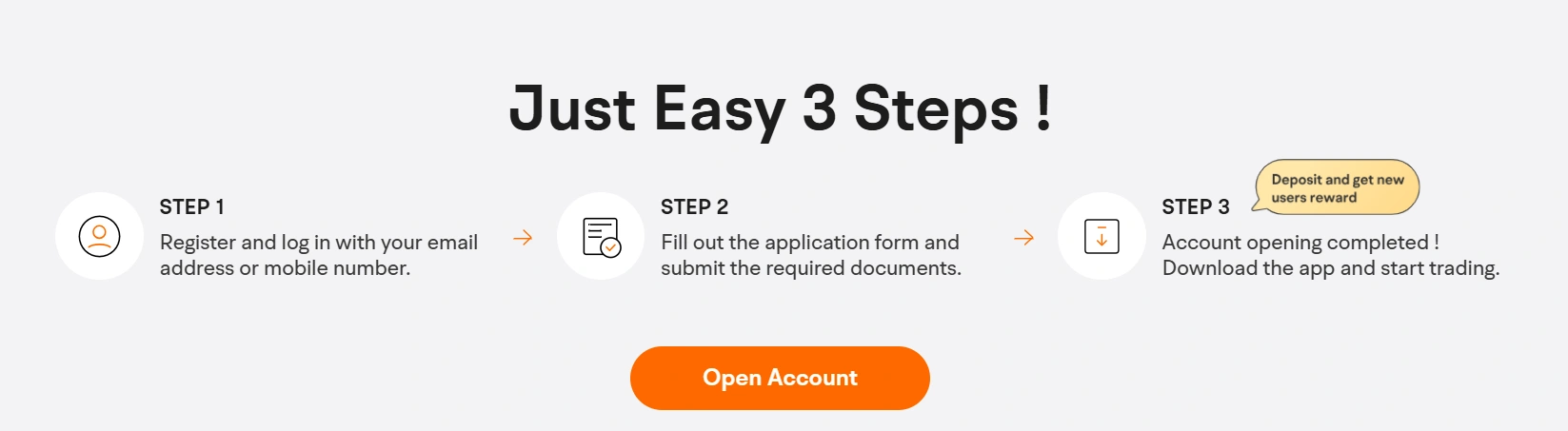
Step 2: Fund your account
Deposit funds into your account using methods like bank transfers, debit cards, or other accepted payment options.
Step 3: Research S&P 500 ETFs
Look for ETFs that track the S&P 500 Index. Australian investors can consider ASX-listed options such as those listed above. SPY is US-domiciled and is also traded on the ASX through CHESS depositary interests (CDIs).
Step 4: Place your order
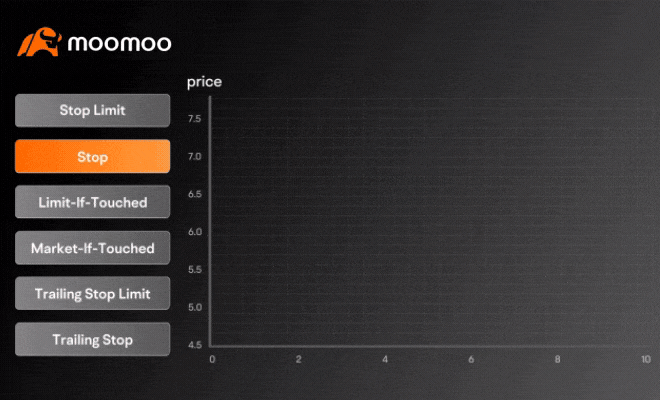
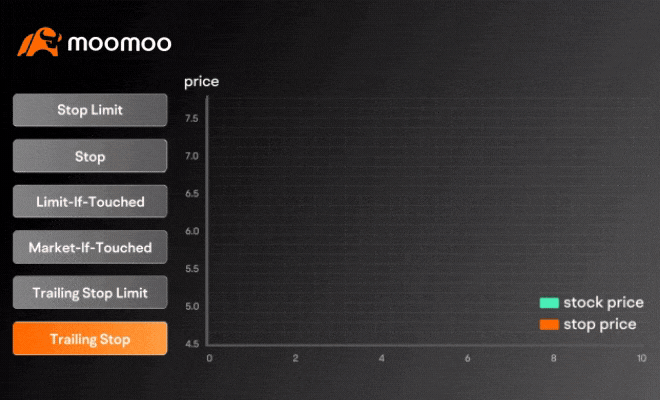
Use the platform to buy your selected ETF. Depending on your trading strategy, you can choose from market, limit, and stop orders, as well as 12 other advanced order types.
Step 5: Monitor your investment
Regularly review your portfolio to ensure it remains aligned with your investment goals. Set real-time alerts for ETF price movements and market news. AI-powered insights help you stay informed about market trends, ETF performance, and key developments that may affect your investments.
Risks and countermeasures for investing in S&P 500 index ETFs
Investing in the top S&P 500 Index ETFs offers many advantages, but is not without risk. For any investor considering adding these ETFs to their portfolio, it is critical to be aware of these potential pitfalls and understand how to manage them.
Market risk
Risk: The value of an S&P 500 Index ETF can fluctuate depending on market movements, economic conditions and geopolitical events.
Countermeasure: Diversify your portfolio with other asset classes including bonds, commodities and international equities.
Interest rate risk
Risk: Changes in interest rates can affect the performance of S&P 500 Index ETFs, especially those with high concentrations in interest-rate sensitive sectors.
Countermeasure: Monitor economic indicators and central bank policies that affect interest rates. When interest rates are expected to rise, adjust your portfolio to include defensive sectors or fixed-income investments.
Currency risk
Risk: Investing in US ETFs from Australia exposes you to currency fluctuations between the Australian and US dollars.
Countermeasure: Consider an S&P 500 ETF that offers currency hedging options or uses currency derivatives to hedge against adverse movements.
Final words on finding the best S&P 500 Index ETF
With this article summarising the top six S&P 500 ETFs on the ASX in 2026 for Australian investors, it's clear that investing in Australia's best S&P 500 ETF can offer a wealth of opportunities. From diversification and cost-effectiveness to transparency and liquidity, these ETFs offer compelling investment options for those looking to access the US market.
Staying informed is key. Read financial news and market updates regularly for the latest economic trends and market conditions. Monitor the performance of your S&P 500 ETF of choice and adjust your portfolio as necessary. Rebalance regularly to maintain your desired asset allocation and risk profile.
Before making any investment, remember that investing in the S&P 500 ETF or any financial instrument involves risk. Market volatility, geopolitical events and economic changes can all affect the performance of your investments. Conduct thorough research, understand your risk tolerance and seek professional advice when necessary.
FAQs about S&P 500 Index ETFs
1. What is the best Australian-listed ETF for the S&P 500?
Choosing the best Australian-listed ETF for the S&P 500 depends on several factors, including management fees, tracking error, asset size, and personal investment goals. Here's a comparison of some top S&P 500 ETFs available on the ASX, focusing on their performance over specific statistical time frames.
ETF | Management Fee | AUM (approx.) | Unique features |
iShares S&P 500 ETF (IVV) | 0.04% | $14.3b | Lowest fee, high liquidity, Australian-dollar hedge option |
State Street SPDR S&P 500 ETF (SPY) | 0.0945% | $1.1t (global) | Oldest S&P 500 ETF, more than 30-year track record |
BetaShares S&P 500 Equal Weight ETF (QUS) | 0.29% | $1.36b | Equal weighting, reduced mega-cap concentration |
iShares S&P 500 AUD Hedged ETF (IHVV) | 0.10% | $4.1b | Currency hedging, protects against Australian-US dollar moves |
BetaShares S&P 500 Yield Maximiser Fund (UMAX) | 0.79% | $316m | Monthly distributions, 12-month yield 5.3% |
Global X S&P 500 High Yield Low Volatility ETF (ZYUS) | 0.35% | $72m | High yield and lower volatility focus |
Data as of July-August 2026, sourced from fund issuers. Past performance is not indicative of future performance. Visit moomoo for the latest data.
2. Do S&P 500 index ETFs pay dividends?
Yes, S&P 500 index ETFs do pay dividends. These ETFs typically collect dividends from the underlying stocks in the S&P 500 index and distribute them to investors. The frequency of these distributions varies depending on the ETF issuer, but is often quarterly or semi-annually. Income-focused funds like Betashares S&P 500 Yield Maximiser Complex ETF and Global X S&P 500 High Yield Low Volatility ETF distribute more frequently.
3. Can investors invest in the S&P 500 in Australia?
Yes, investors in Australia can invest in the S&P 500 through several avenues. They can invest in exchange-traded funds that track the S&P 500, many of which are available on the ASX. Additionally, Australian investors can use online brokerage platforms such as moomoo that offer access to international markets, allowing them to buy US-listed S&P 500 ETFs or index funds directly.
4. What is the S&P 500 equivalent in Australia?
The S&P 500 equivalent in Australia is often considered to be the S&P/ASX 200. This market-capitalisation-weighted benchmark tracks the performance of the top 200 companies listed on the ASX and is widely regarded as the most representative index of the Australian equity market, similar to how the S&P 500 is viewed in the US.
This article is for informational purposes only and does not constitute financial advice. All investment involves risk. Past performance is not indicative of future
This presentation is for informational and educational use only and is not a recommendation or endorsement of any particular investment or investment strategy. Investment information provided in this content is general in nature, strictly for illustrative purposes, and may not be appropriate for all investors. Read more