Surged Over Ten Million Times Since Issuance? What is Bitcoin?
Ⅰ. Hot Bitcoin Market
Over the past decade, Bitcoin has captured the hearts and wallets of many investors.
It was worth just pennies when initially issued, but it soared to over $100,000 at its peak.
In just over a decade, it has astonishingly increased by tens of millions of times.
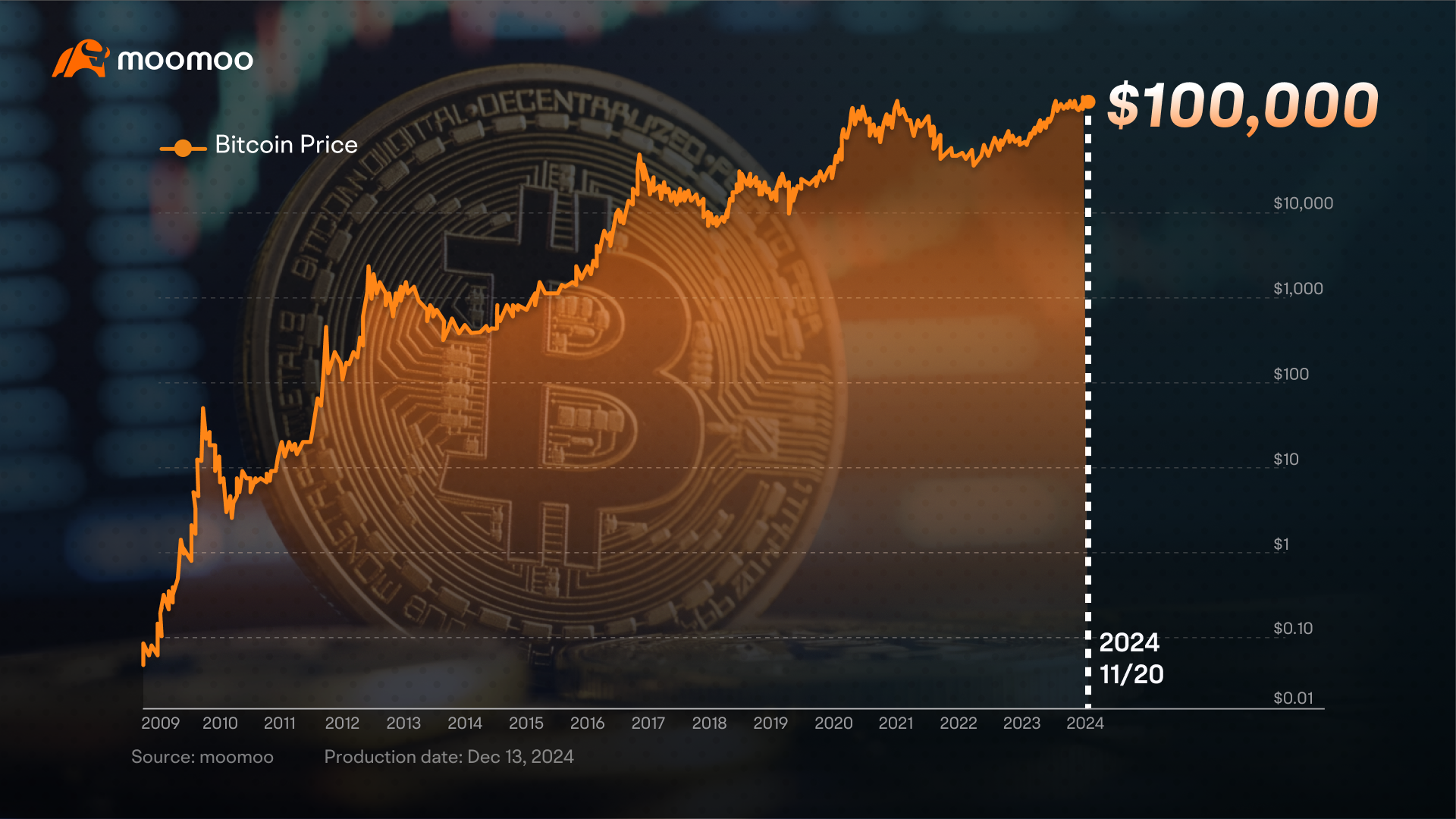
Want to track Bitcoin prices in real time? Search for BTC on moomoo to see the latest updates.
In the stock market, such returns are amazing.
If you could go back ten years, would you invest in Bitcoin?
If you answered yes, congratulations, you could be enjoying financial freedom today.
The soaring returns have attracted not only everyday investors but also celebrities and major institutions.
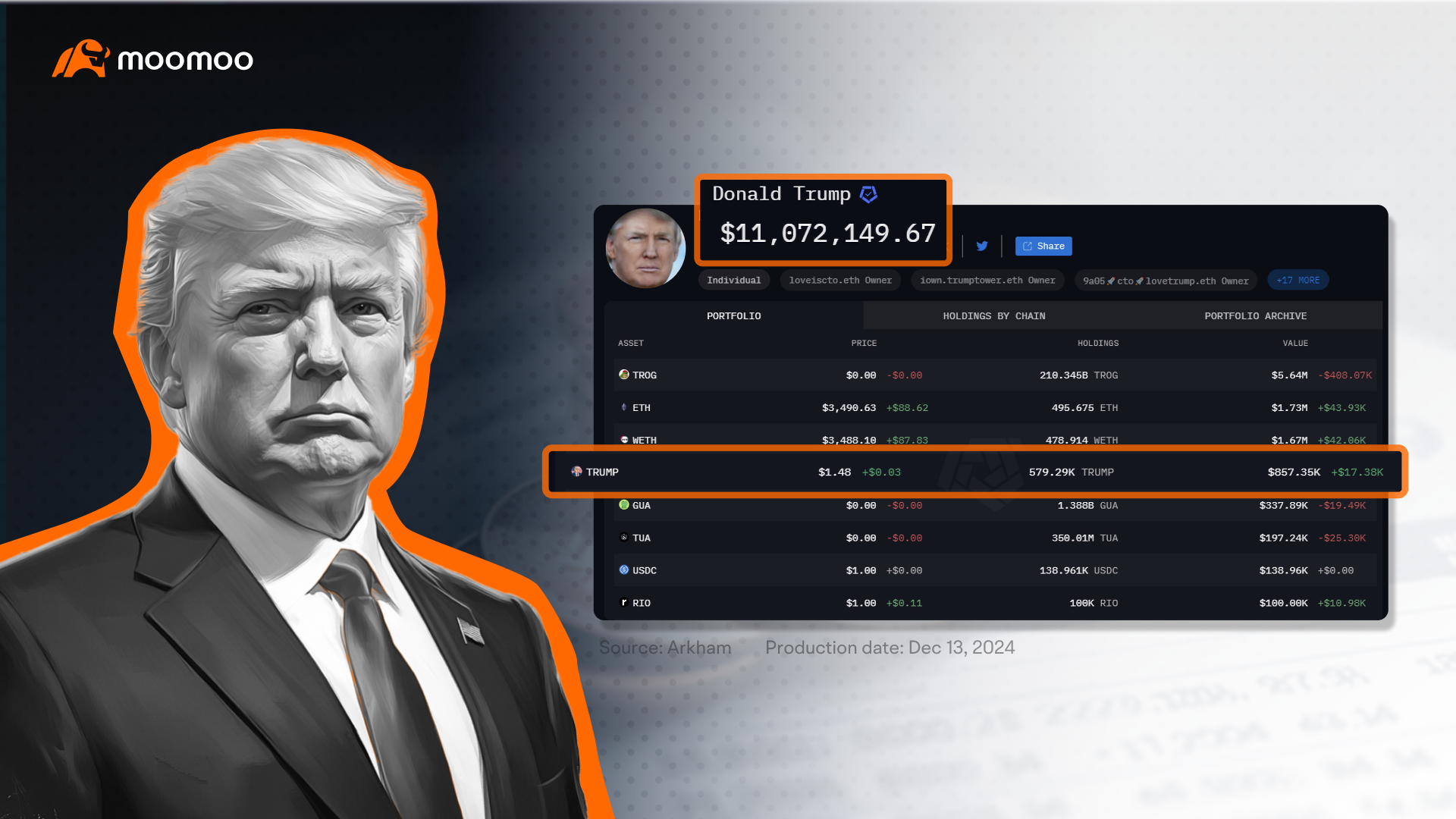
 Donald Trump publicly pledged to be a “pro-Bitcoin president”. He reportedly owns ten millions of dollars in cryptocurrency. To accumulate that amount through salary alone, he would need to work continuously for 27.5 years.
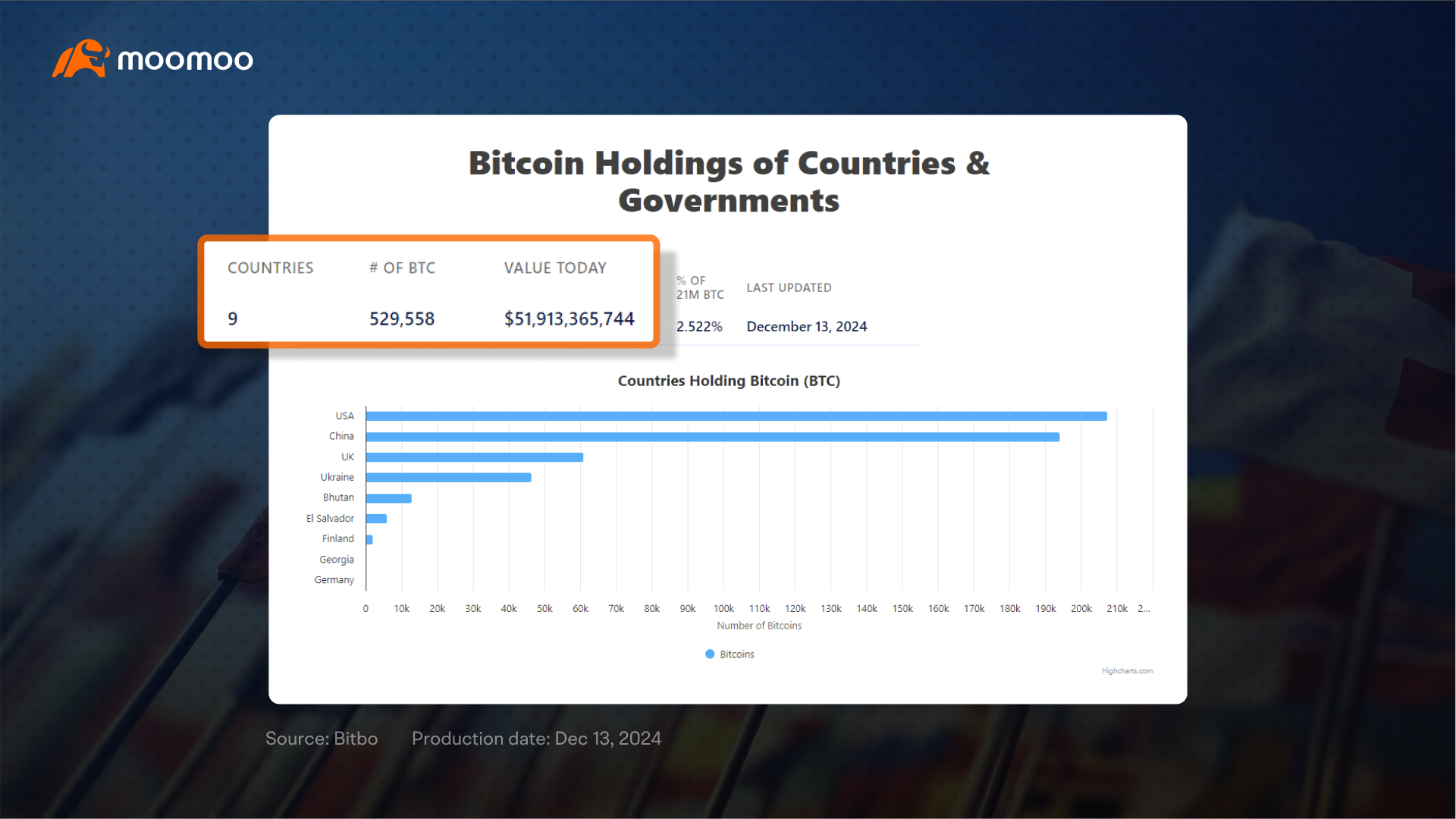
Additionally, nine countries and governments hold over $50 billion worth of Bitcoin, which, if converted to Singapore one-dollar coins, could circle the Earth 40.25 times.
Many large corporations, investment funds, and banks are actively purchasing Bitcoin or ETFs.
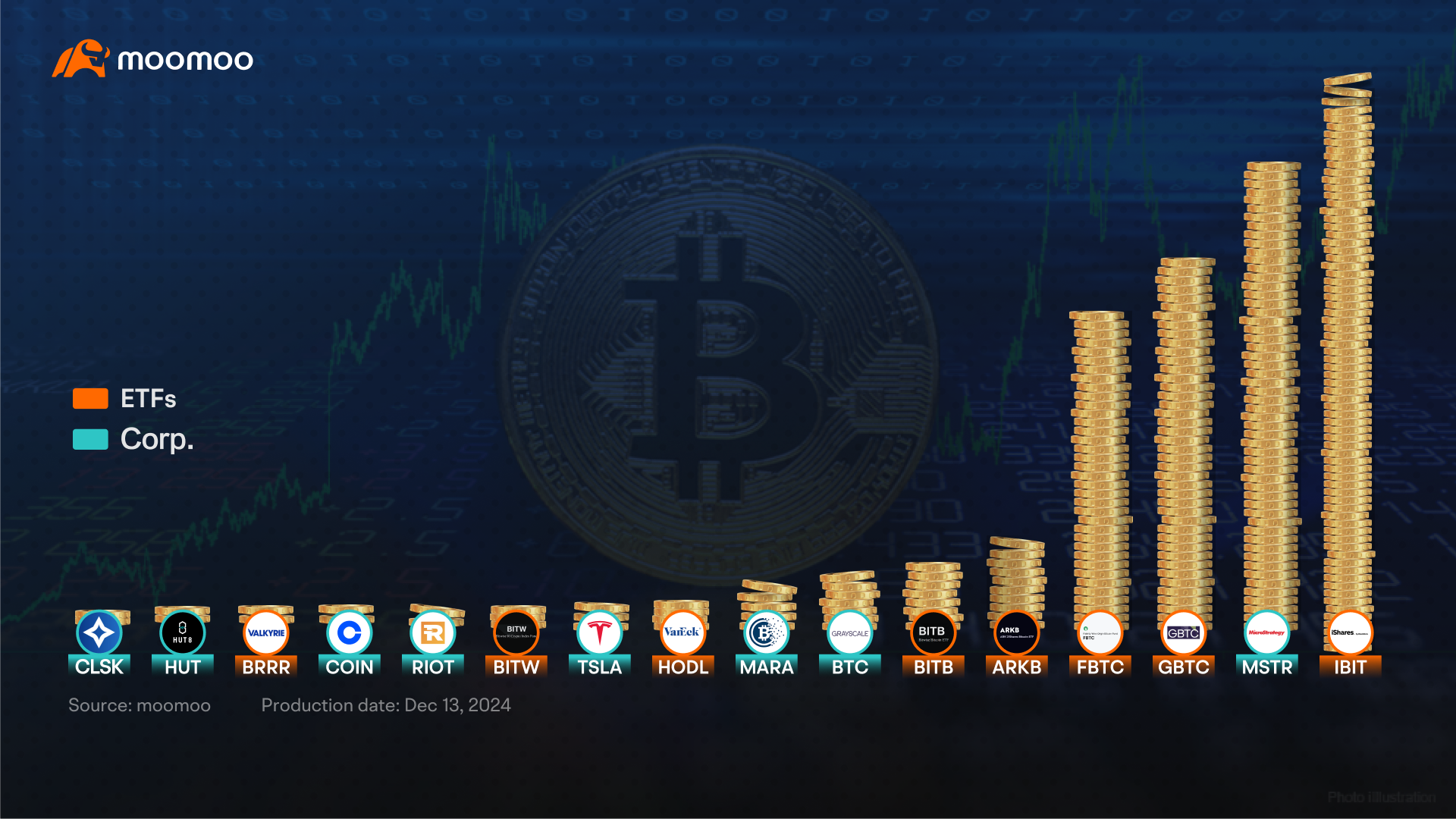
The whole market is incredibly hot and crazy.
Ⅱ. What Is Bitcoin?
So, what exactly is Bitcoin, and why is it so popular?
In simple terms, Bitcoin is a type of virtual currency that's decentralized.
Unlike traditional money, it’s not issued by a government.
Instead, it runs on something called blockchain technology, completely managed by computer programs.
In our everyday lives, we use fiat money like the Singapore Dollar, Malaysian Ringgit, US Dollar, and Chinese Yuan, all of which are issued by their respective governments.
With the internet's rise, these currencies have gradually transitioned to digital formats.
Today, most currencies are recorded digitally in their central banks.
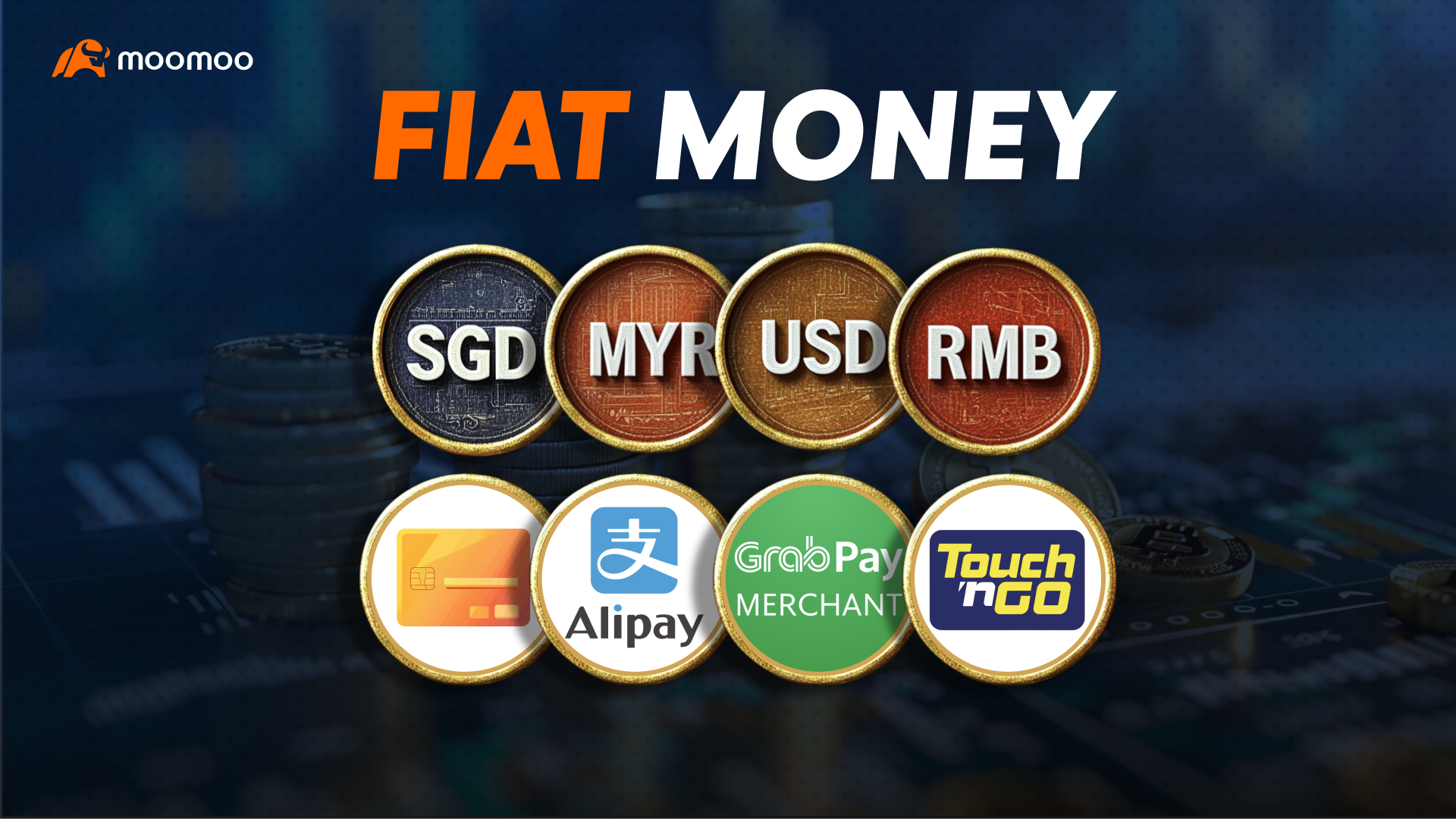
Whether it's cash in your wallet or your bank account balance, both are fundamentally fiat money.
They have no intrinsic value, only paper or numbers, but can be used to purchase real goods and services.
So, what gives them value? Ultimately, it relies on trust in the government.
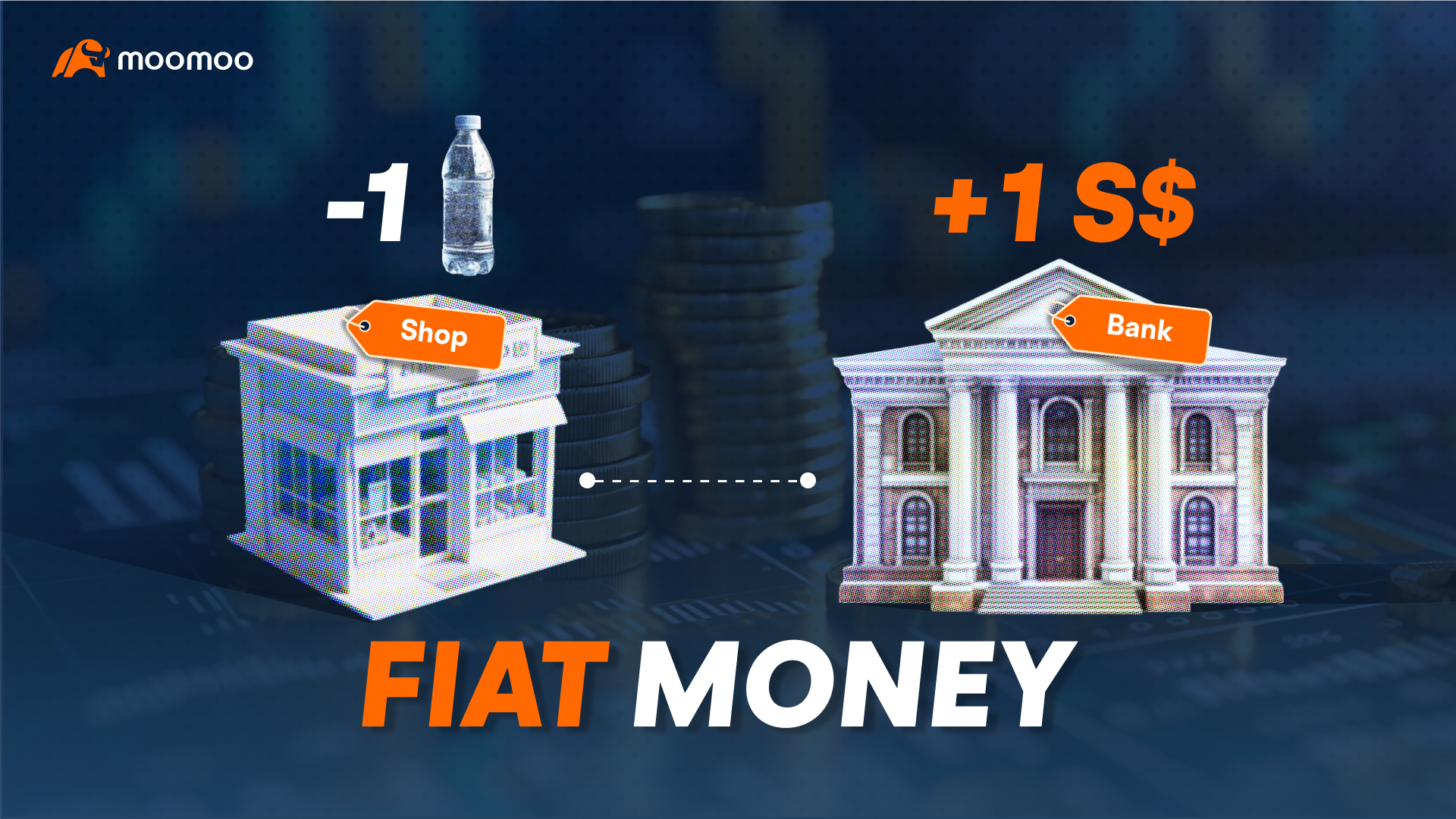
Imagine walking into a store and buying a bottle of water for 1 Singapore dollar.
Why does the shopkeeper accept that dollar?
Because he trusts it will be accepted elsewhere.
He knows he can use it to buy apples, candy, or bread, and he believes the government won’t suddenly devalue or discard it.
So, with fiat money already in place, why on earth did someone invent Bitcoin?
That's because the governments and banks we rely on may not always be trustworthy.
 For example, if the government prints too much money, what used to cost 10 Singapore Dollars for 10 bottles of water might not even buy you one.
If the banking system is hacked or malfunctions, your money could disappear without a trace.
And the worst part? If the bank freezes your account, even buying a bottle of water becomes a problem.
During the 2008 financial crisis, trust in governments and central banks plummeted.
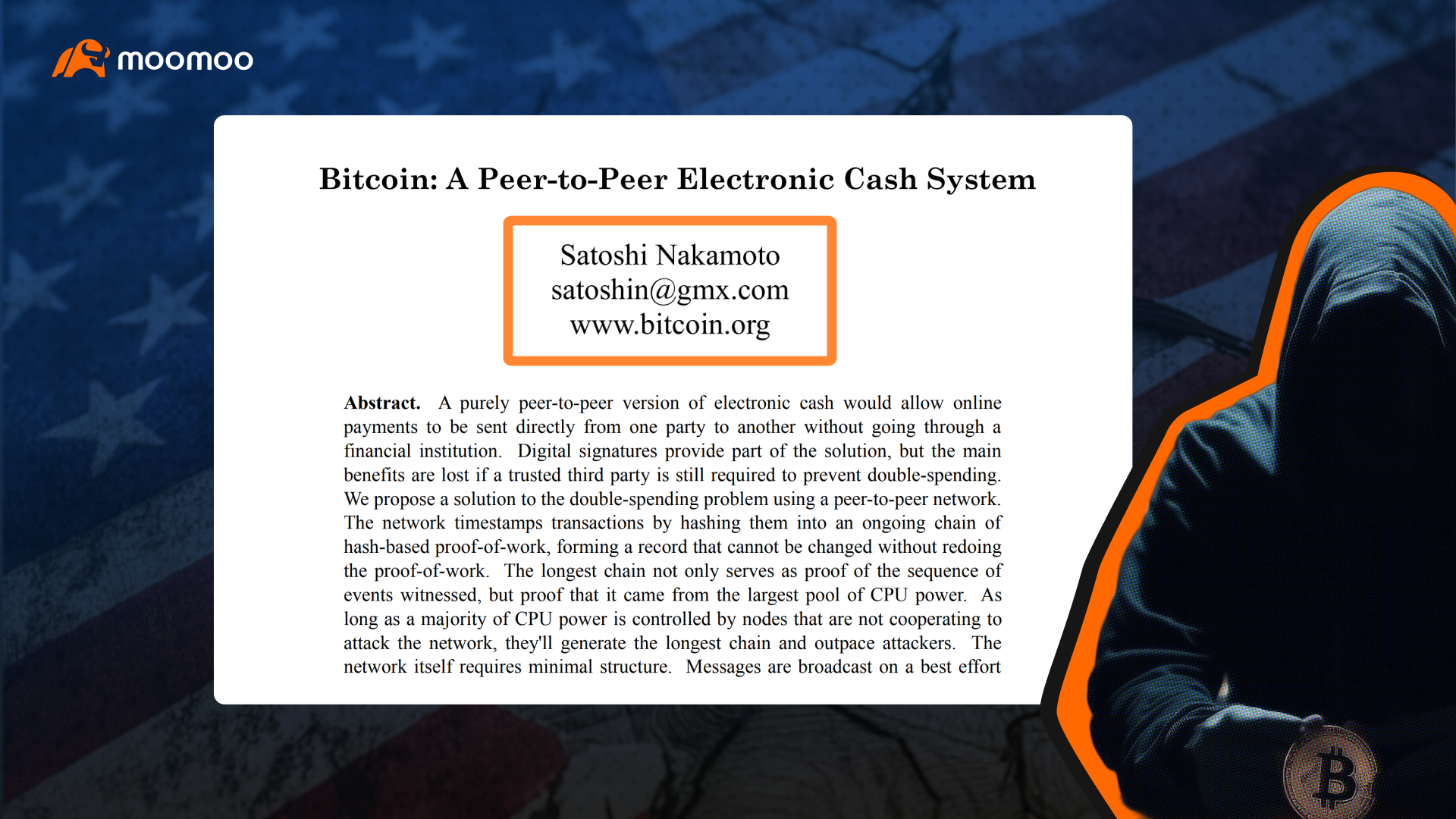
That's when Satoshi Nakamoto introduced a groundbreaking idea: a transparent, secure, decentralized currency system using blockchain technology.
And voila, Bitcoin, the world's first crypto, was born!
So, what are the differences between Bitcoin and traditional fiat money?
Fiat money is centralized and managed by governments and banks.
When you buy a bottle of water, the bank records that transaction.
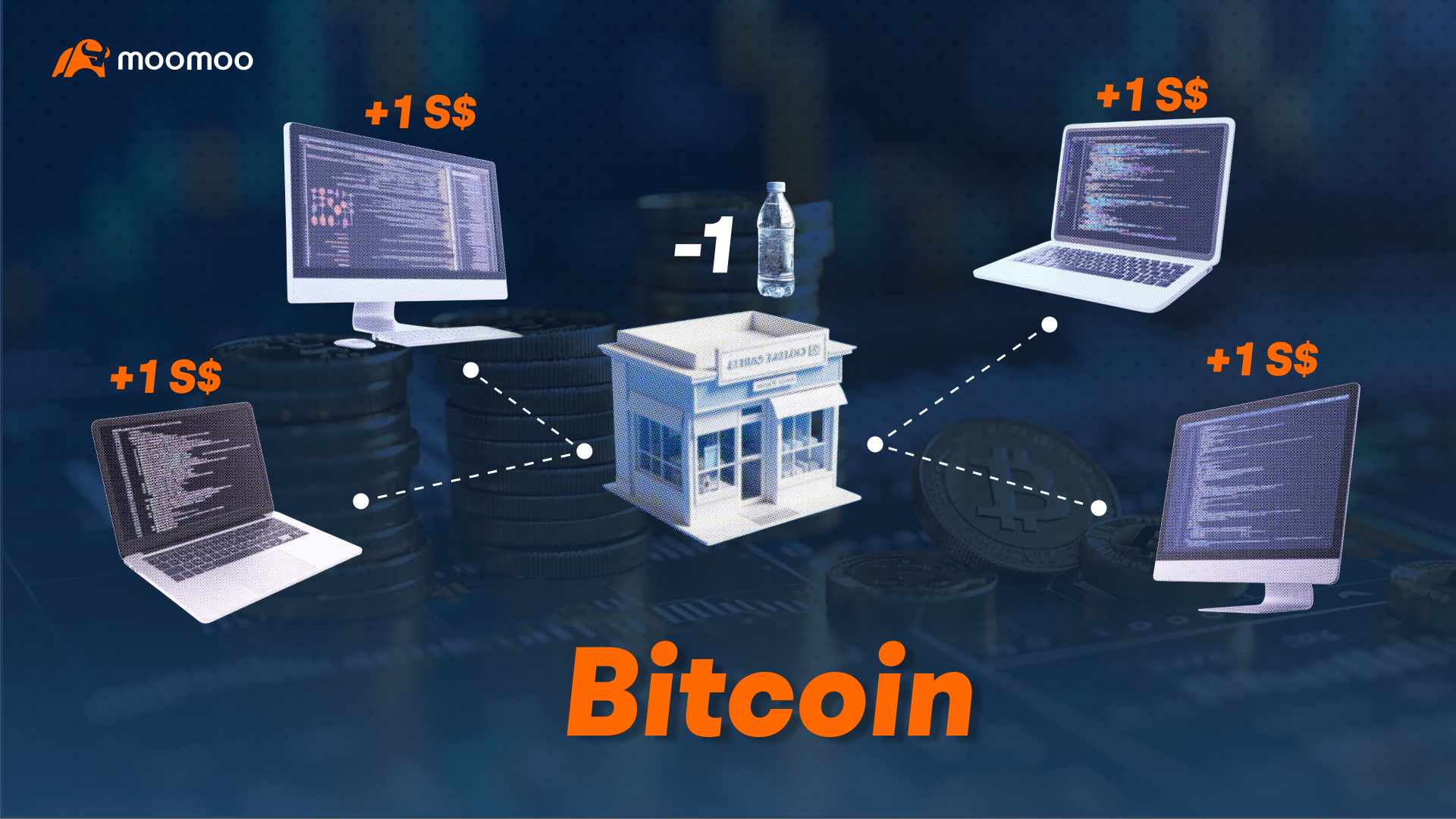
Bitcoin changes the game.
It is decentralized and maintained by thousands of computers around the world.
Think of it as a digital ledger managed by computer programs.
When a transaction occurs, the Bitcoin blockchain updates, and every computer records it.
The more computers, the more records.
The best part is that everyone can see the transactions。
But no one can alter them on their own, You can't change it, I can't change it, and not even the governments or central banks can change it.
Without relying on a middleman, people can conduct transactions with mutual trust, as everyone works together to ensure the transactions are accurate and complete.
Ⅲ. How does Bitcoin work?
So, How does Bitcoin work?
What makes it transparent, secure, and decentralized?
To understand this, we need to talk about blockchain technology, which is the foundation of Bitcoin.
It might sound complicated, but you don’t need to know all the technical details.
 Let’s break it down with an example.
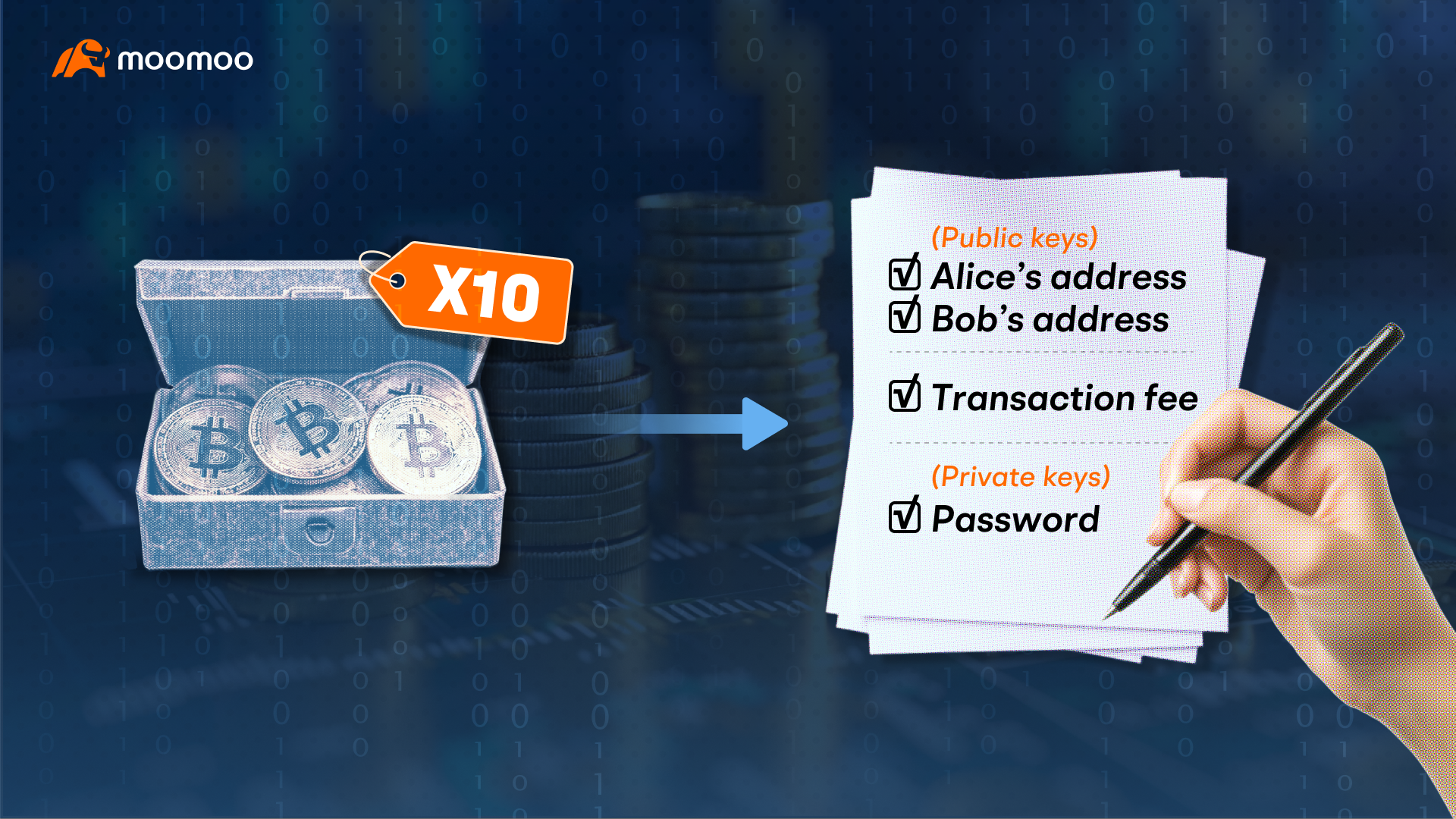
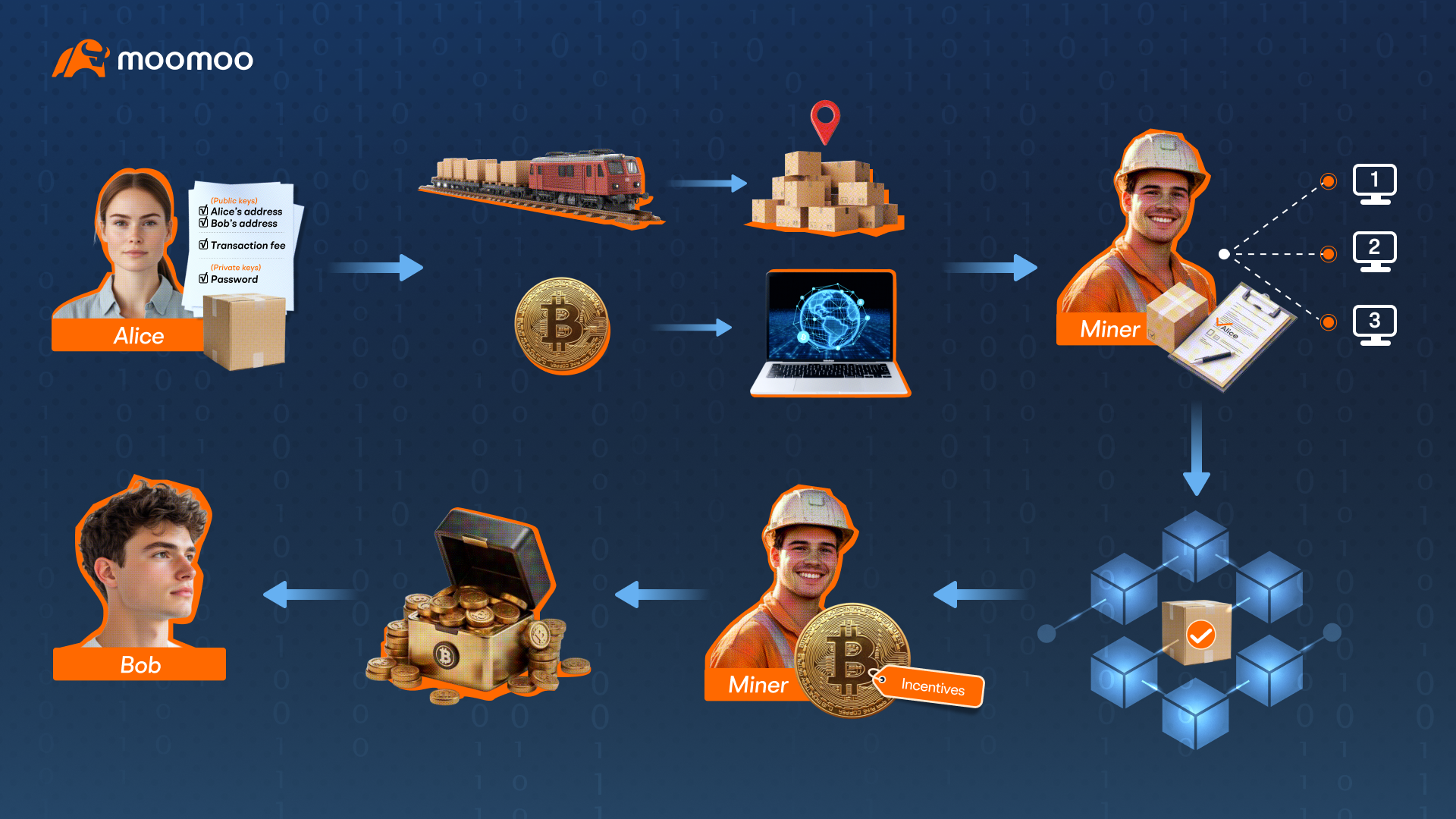
Imagine Alice wants to send Bob 10 Bitcoins. Think of it like sending a package.
First, she packs the package with 10 Bitcoins inside and writes down both her address and Bob’s address, which are known as their public keys.
Alice also needs to pay a small shipping fee, called a transaction fee.
After that, she uses her password, known as her private key, to sign the package digitally. This signature confirms that Alice approves the transaction.
Once Alice signs, the transaction is sent out to the Bitcoin network, like a package arriving at a sorting center.
but it hasn't reached the final destination yet (the transaction is not completed).
It needs to go through a series of verifications and loading processes.
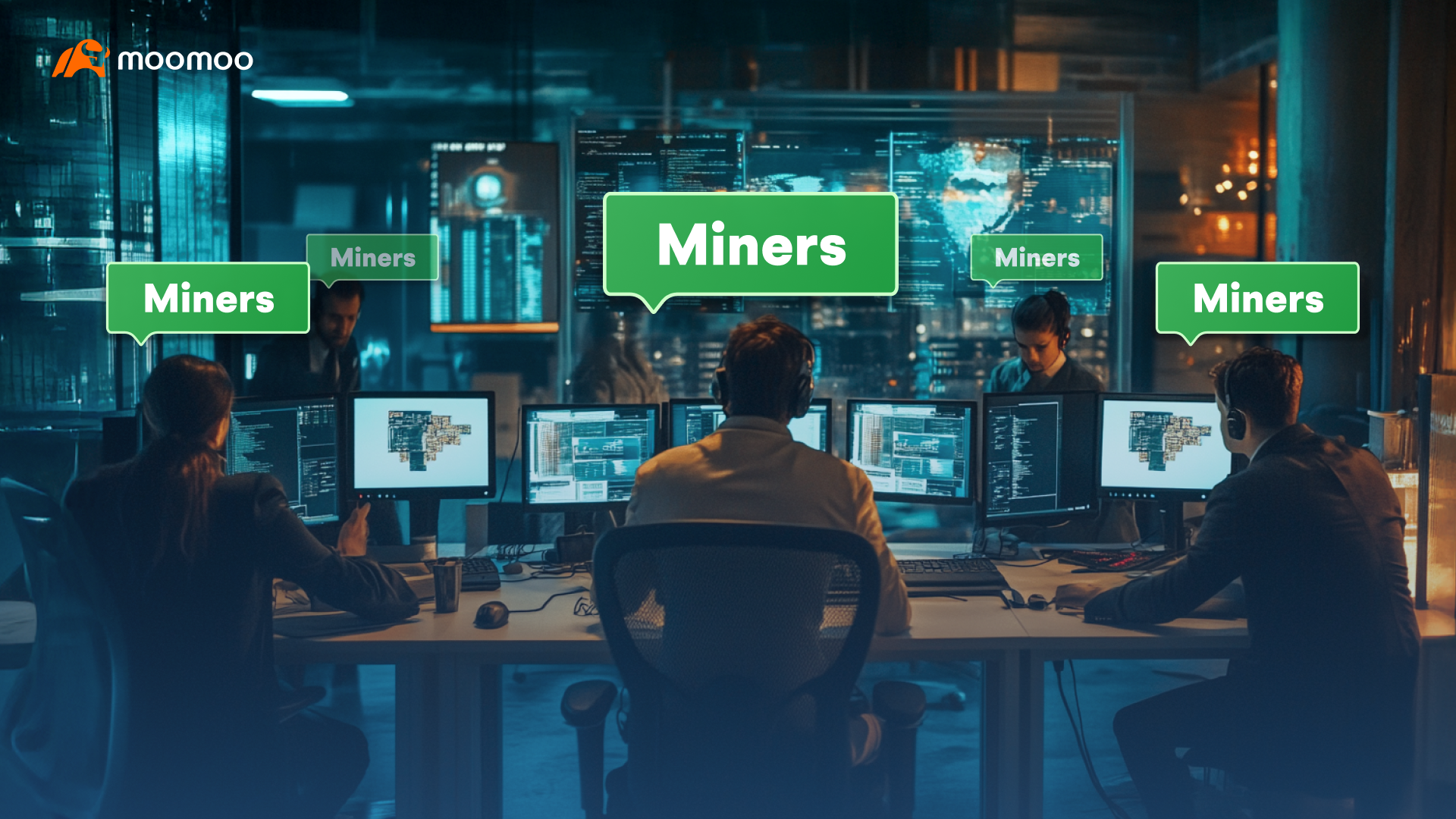
So, who does this verification? In the Bitcoin world, the verifier is called a miner.
Thus there rises a question, what does it need to become a miner? Actally, anyone with a computer can be a miner.
Let's come back to the package-delivery example to illustrate the verificaion process.
Imagine the package is transported by train, so miners are like workers at the train station who check the packages to ensure all information is correct, such as the amount of Bitcoin, the addresses of the sender and the receiver.
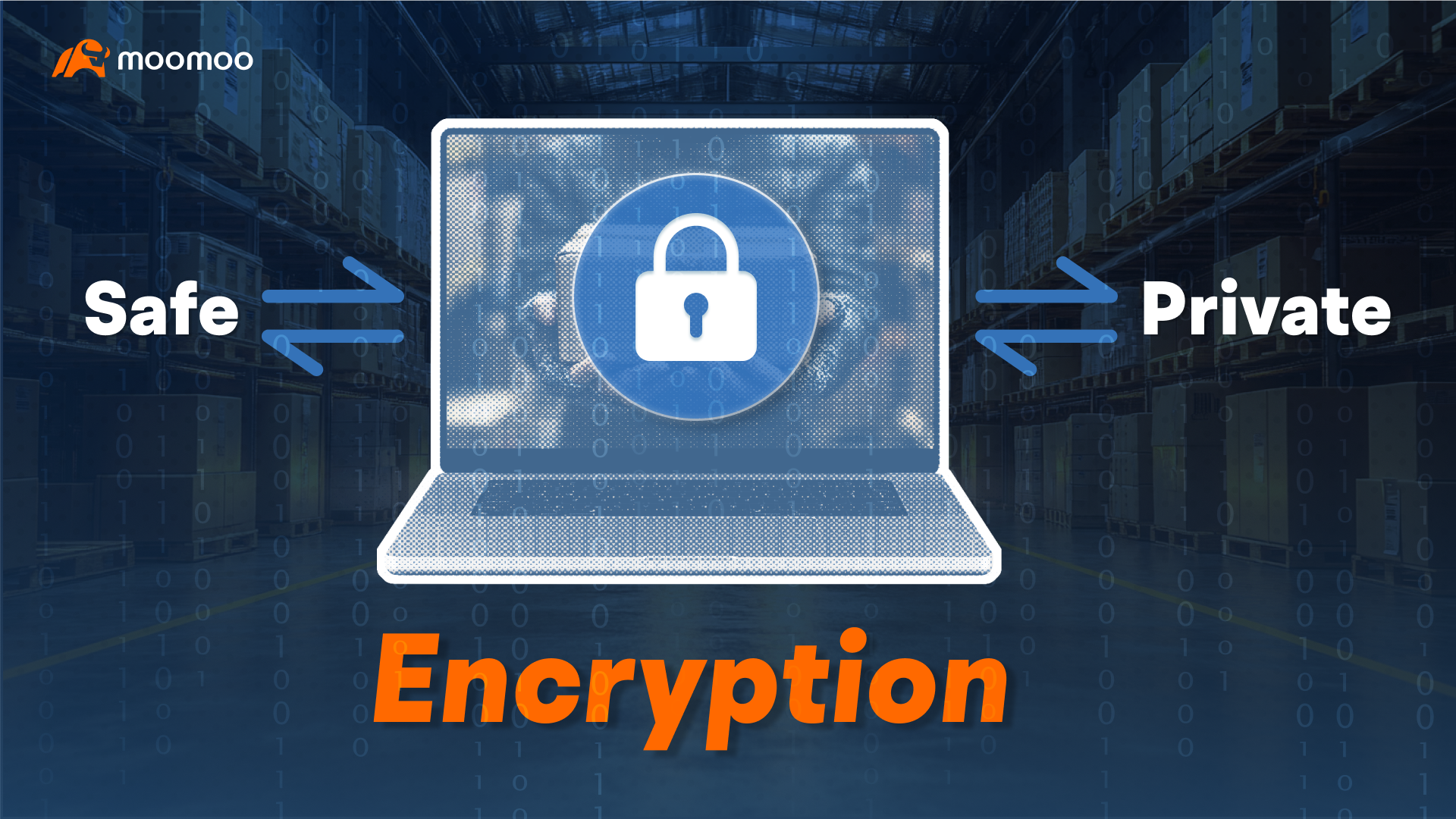
Since the signature and address are all encrypted, miners can’t see who is sending the package or whom it is for. The encryption technique keeps the transaction safe and private.
In the Bitcoin network, enormous transactions happen every minute. To manage all these transactions, Bitcoin uses a special structure called blockchain.
What is a blockchain?
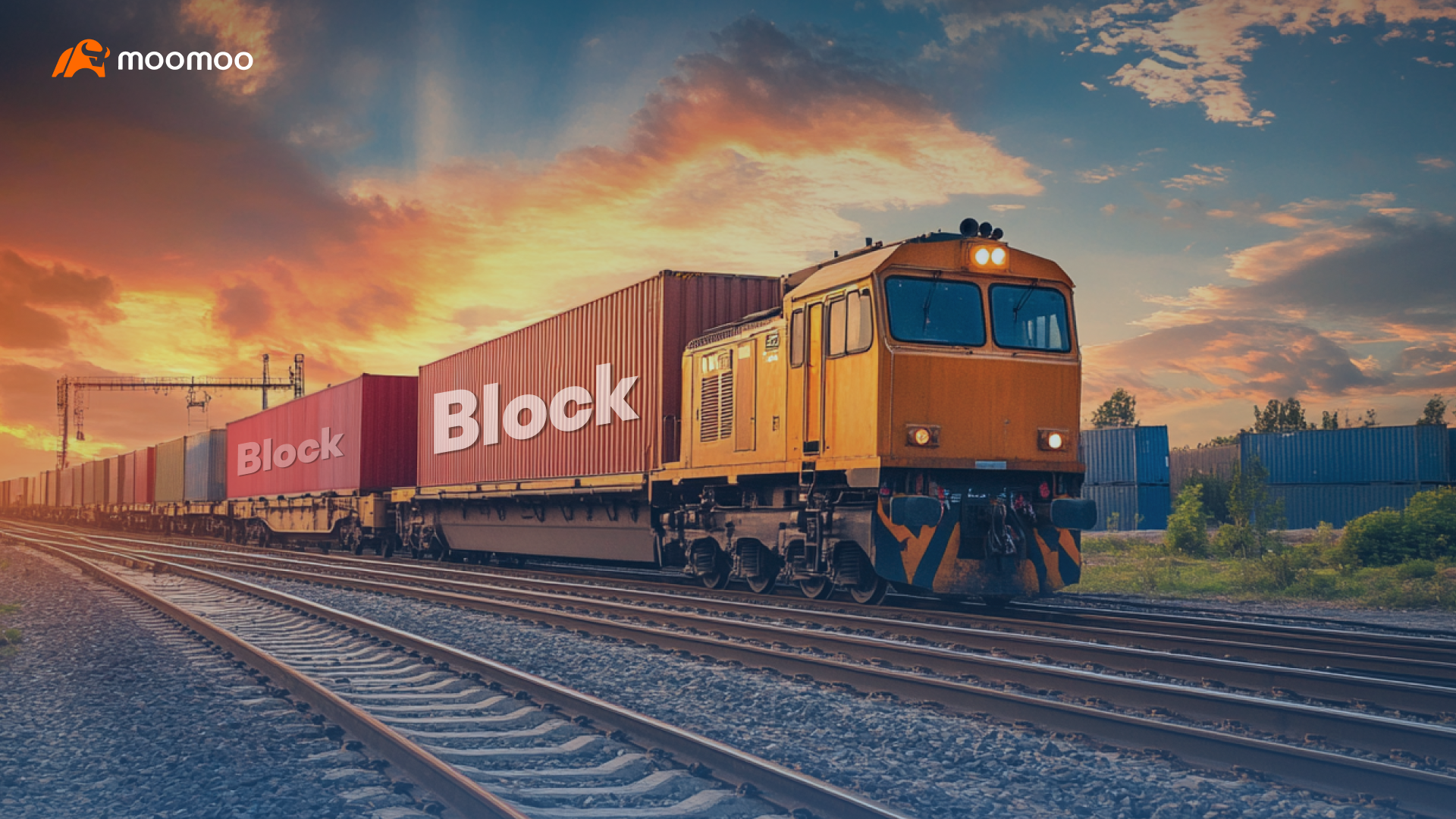
Imagine the package that contains 10 Bitcoins we've just mentioned before. The package is a "Block". And the whole train that carries all packages is the "Chain".
So a blockchain is like a train full of packages that goes from one adress to another.
Every 10 minutes, new transactions are gathered and packed into a new block.
With new blocks connecting to the chain one by one, the length of the blockchain is growing.
Only transactions successfully connected to the chain are recognized valid.
If a transaction doesn’t make it onto the train, it is invalid.
The connecting process relies on complex encryption technique to ensure that transactions remain complete and unchangeable.
If someone tried to add, remove, or alter the transactions in a block, the device would detect the tampering and prevent the tampered block from being connected to the chain.
As a result, only blocks that are not tampered can join chain, forming a secure and reliable blockchain.
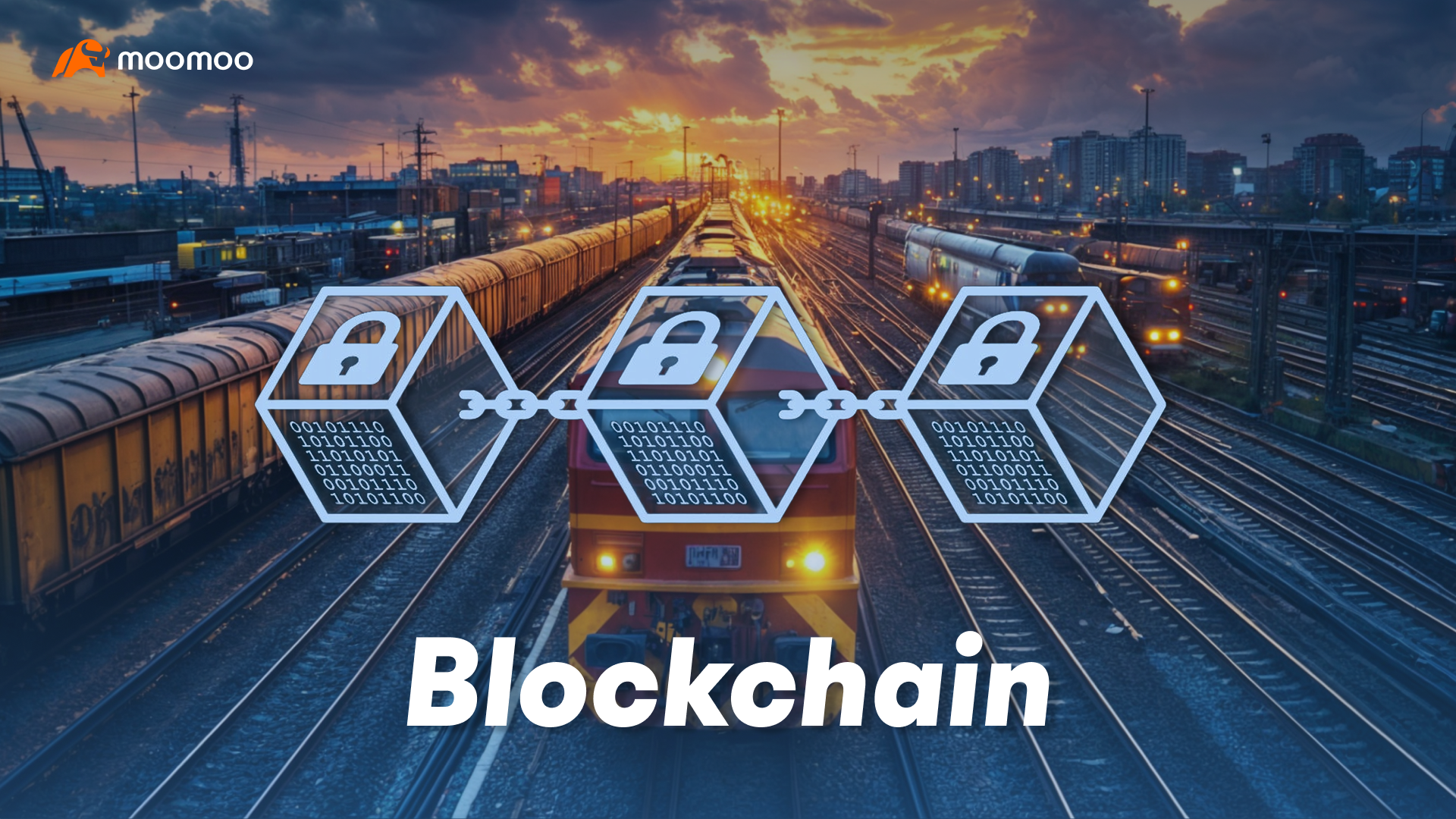
Miners have an important job: they not only need to verify that all transactions are legitimate, but they also have to package all the transactions made within a 10-minute slot into a block and link that block to the previous one.
While anyone with a computer can participate, only one miner gets the chance to complete the task.
Thus, miners have to solve a very challenging math puzzle, which was set by the Bitcoin system since the creation of Bitcoin's concept.
To solve the math puzzle, miners' computers have to perform continuous calculations, utilizing gigantic computing power and consuming enormous electricity.
The first miner to solve the puzzle earns the right to create the new block and receives a reward in the form of Bitcoin.
Above we illustrate in detail the process of mining, which is more formally referred to as the Proof-of-Work (PoW) mechanism.
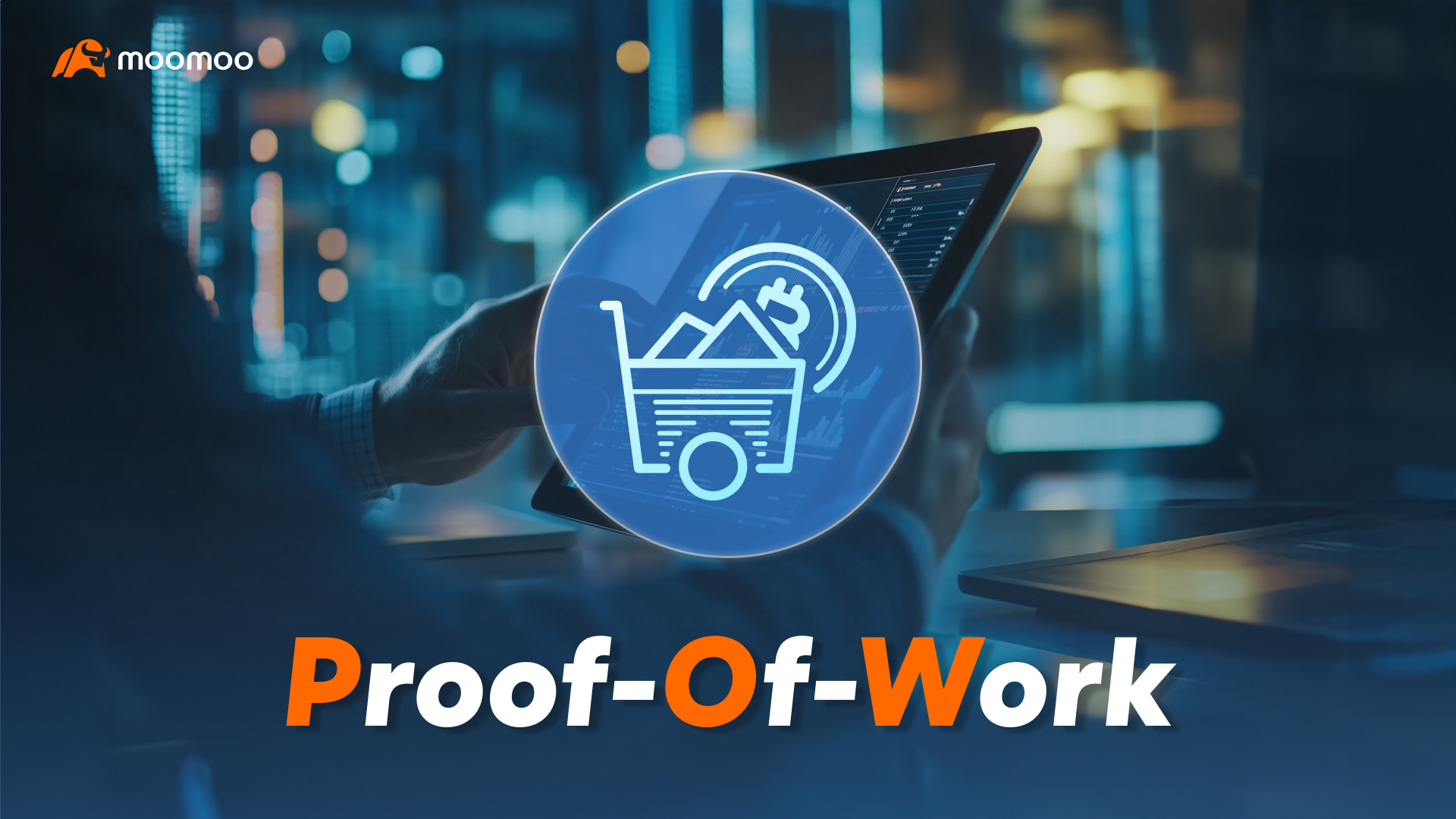
Competition among miners are fierce, its like a fight for a short-term (ten-minute) high-paying (Bitcoin reward) part-time job opportunity.
Once The first miner has successfully added a new block to the chain, it is broadcasted across the Bitcoin network.
Other miners immediately verify and back up the block, ensuring the transactions it contains are securely recorded on multiple computers.
This process keeps everyone’s records consistent and accessible.
With the completion of that block, the high-paying short-term job becomes available again, waiting for the next lucky miner to take on the next ten-minute task.
So, how much will this lucky miner be paid?
First, the transaction fee paid by users, which are usually small and often negligible.
Second, the mining reward from the Bitcoin system, which is quite significant.
Mining is the only way new Bitcoins are created.
Once mined, a Bitcoin goes into circulation and can be used as payment methods or to cover transaction fees.
Now, what is the system reward for mining one block?
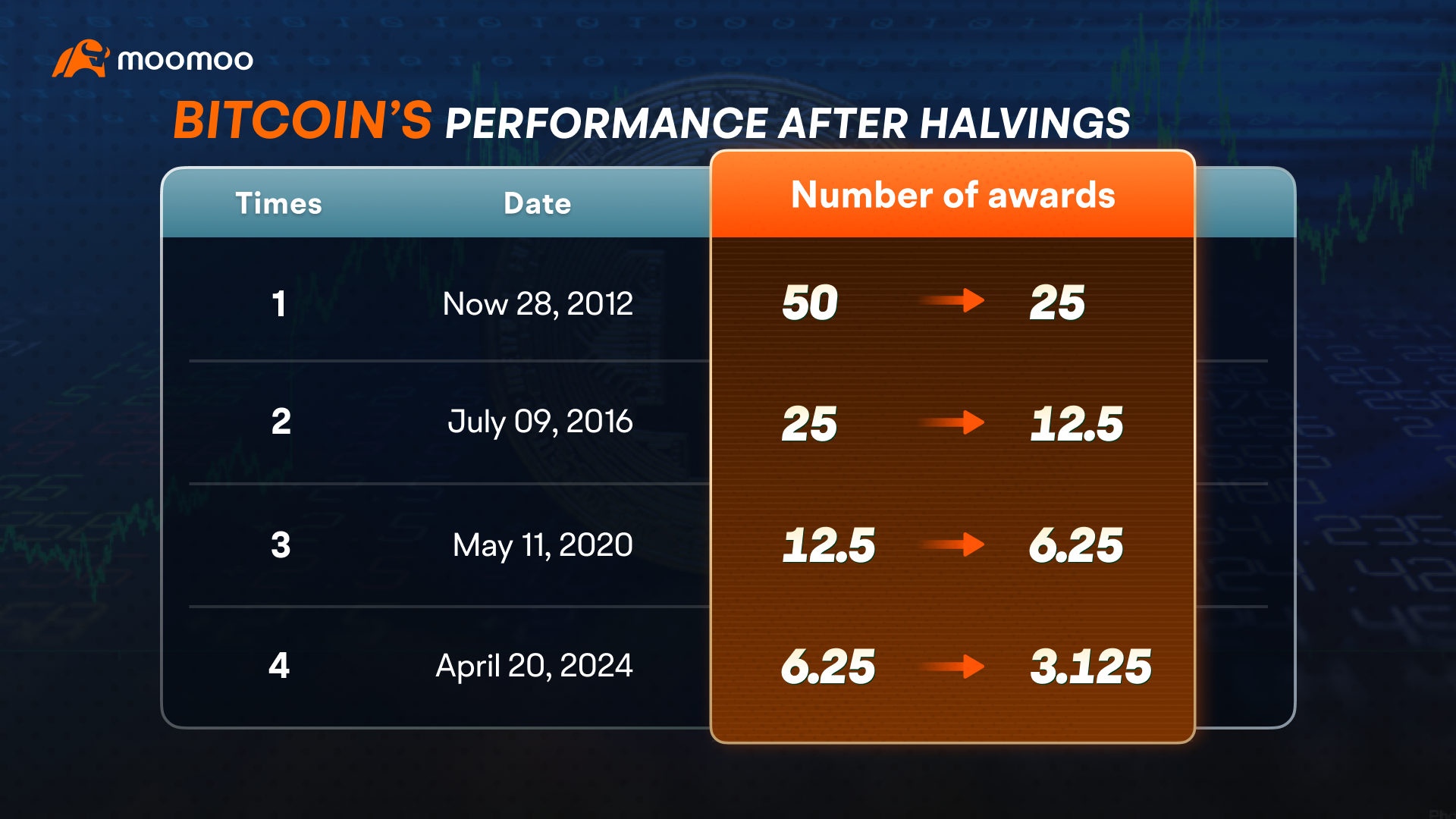
Since the very beignning of Bitcoin's creation, a rule is set unchangeable: the total amout of Bitcoins is 21 million will, and the mining reward is halved approximately every four years.
Initially, miners received 50 Bitcoins for verifying one block. By 2024, this reward decreased to 3.125 Bitcoins. Obviously, Bitcoin mining is far less rewardalbe compared to its early stage.
To date, around 18 million Bitcoins have been mined worldwide. That is to say, humans have done six-sevenths of the total mining task. There is only one-seventh Bitcoin left to be mined.
As a newcomer to Bitcoin, you likely have many questions on your mind:
 "Bitcoin seems so complicated, I just don't get it!"
"Is mining the only way to get Bitcoin?"
"It's so expensive; how can I afford it?"
"Is Bitcoin even legal, or is it some kind of scam?"
"What can I actually do with Bitcoin? Does it really have investment potential?"
Don’t worry! These questions are completely normal when you're starting out.
In the next section, we'll answer each one, turning your uncertainties into knowledge and confidence about Bitcoin.
This presentation is for informational and educational use only and is not a recommendation or endorsement of any particular investment or investment strategy. Investment information provided in this content is general in nature, strictly for illustrative purposes, and may not be appropriate for all investors. Read more