What is Volume-Weighted Average Price (VWAP)?
Key Takeaways
● Volume-Weighted Average Price(VWAP) measures the average asset price weighted by the total trading volume.
● VWAP is usually used on intraday charts.
● The current stock price is on the rise if it moves above the VWAP.
Understanding VWAP
Volume-Weighted Average Price (VWAP) is a technical analysis tool to weight the average asset price by the total trading volume.
How to calculate VWAP
The basic formula for VWAP is as follows:
VWAP = ∑ (Typical Price * Volume) / ∑ Volume
Here, Typical Price = (High Price + Low Price + Closing Price) / 3.
How to use VWAP
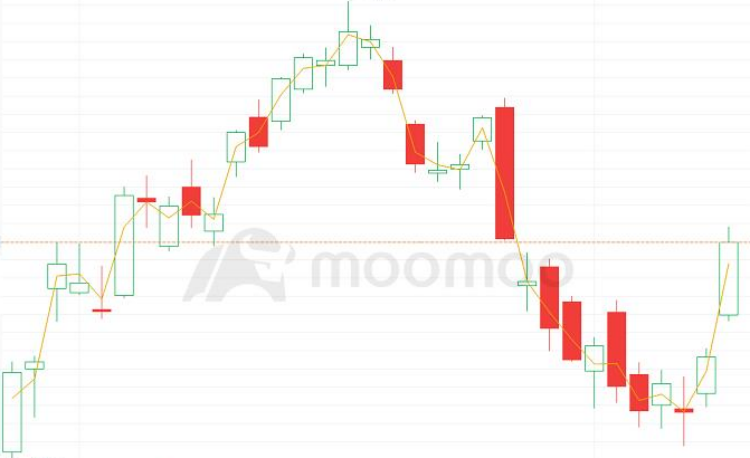
VWAP is usually used on intraday charts to ascertain the basic intraday price moves.
VWAP is similar to SMA (Simple Moving Average).
When the stock price moves above the VWAP, it sends a bullish signal, where the current stock price is on the rise.
By contrast, when the stock price falls and moves below the VWAP, it suggests that the stock is in a downtrend.
Summary
VWAP reflects the average asset price relative to the trading volume within a specific time period.
As a lagging indicator, however, VWAP is unable to predict future prices.
As a result, many investors use it to analyze intraday trading.
This presentation is for informational and educational use only and is not a recommendation or endorsement of any particular investment or investment strategy. Investment information provided in this content is general in nature, strictly for illustrative purposes, and may not be appropriate for all investors. Read more
Recommend
What is the Equity Ratio?

What is a Stock Split?

What is a Golden Cross?

What is a 401(k)?
What is Net Worth?
What is Net Income?
What is Volume-Weighted Average Price (VWAP)?
What is Opportunity Cost?
What is the KDJ?
What is After-hour Trading?
What is a Delisting?
What is the OBV?
What is the Dead Cat Bounce?
What are Support and Resistance?
What is a block trade?
What is the PEG Ratio?
What is a Trailing Stop Limit Order?
What is Scalp Trading?
What is a Share Repurchase?
What is the rate of change?
What is Return on Equity (ROE)?
What is the Relative Strength Index (RSI)?
What are Bollinger Bands?
What is Free Cash Flow to Firm(FCFF)?
What is the Quick Ratio?
What is a Sunk Cost?
What is Momentum Trading?
What are the Safe-haven Assets?
What is Gross Margin?
What is Short Selling?
What is Book Value per Share (BVPS)?
What is the Risk/Reward Ratio?
What is Margin Trading?
What is Capitulation?
What is PE ratio?
What is the Short Squeeze?
What Is a Dividend?
What is Return on Assets (ROA)?
What is a SPAC?
What is the Current Ratio?
What is the Equity Ratio?
What is a Stock Split?
What is a Golden Cross?
What is a 401(k)?
What is Net Worth?
What is Net Income?
What is Volume-Weighted Average Price (VWAP)?
What is Opportunity Cost?
What is the KDJ?
What is After-hour Trading?
What is a Delisting?
What is the OBV?
What is the Dead Cat Bounce?
What are Support and Resistance?
What is a block trade?
What is the PEG Ratio?
What is a Trailing Stop Limit Order?
What is Scalp Trading?
What is a Share Repurchase?
What is the rate of change?
What is Return on Equity (ROE)?
What is the Relative Strength Index (RSI)?
What are Bollinger Bands?
What is Free Cash Flow to Firm(FCFF)?
What is the Quick Ratio?
What is a Sunk Cost?
What is Momentum Trading?
What are the Safe-haven Assets?
What is Gross Margin?
What is Short Selling?
What is Book Value per Share (BVPS)?
What is the Risk/Reward Ratio?
What is Margin Trading?
What is Capitulation?
What is PE ratio?
What is the Short Squeeze?
What Is a Dividend?
What is Return on Assets (ROA)?
What is a SPAC?
What is the Current Ratio?