What is a 401(k)?
Key Takeaways
● A 401(k) is a retirement savings plan that is sponsored by an employer.
● Contributions to a 401(k) can be invested into various financial products, such as stocks, mutual funds and bonds.
● Not all employers match their employees' contributions.
Understanding
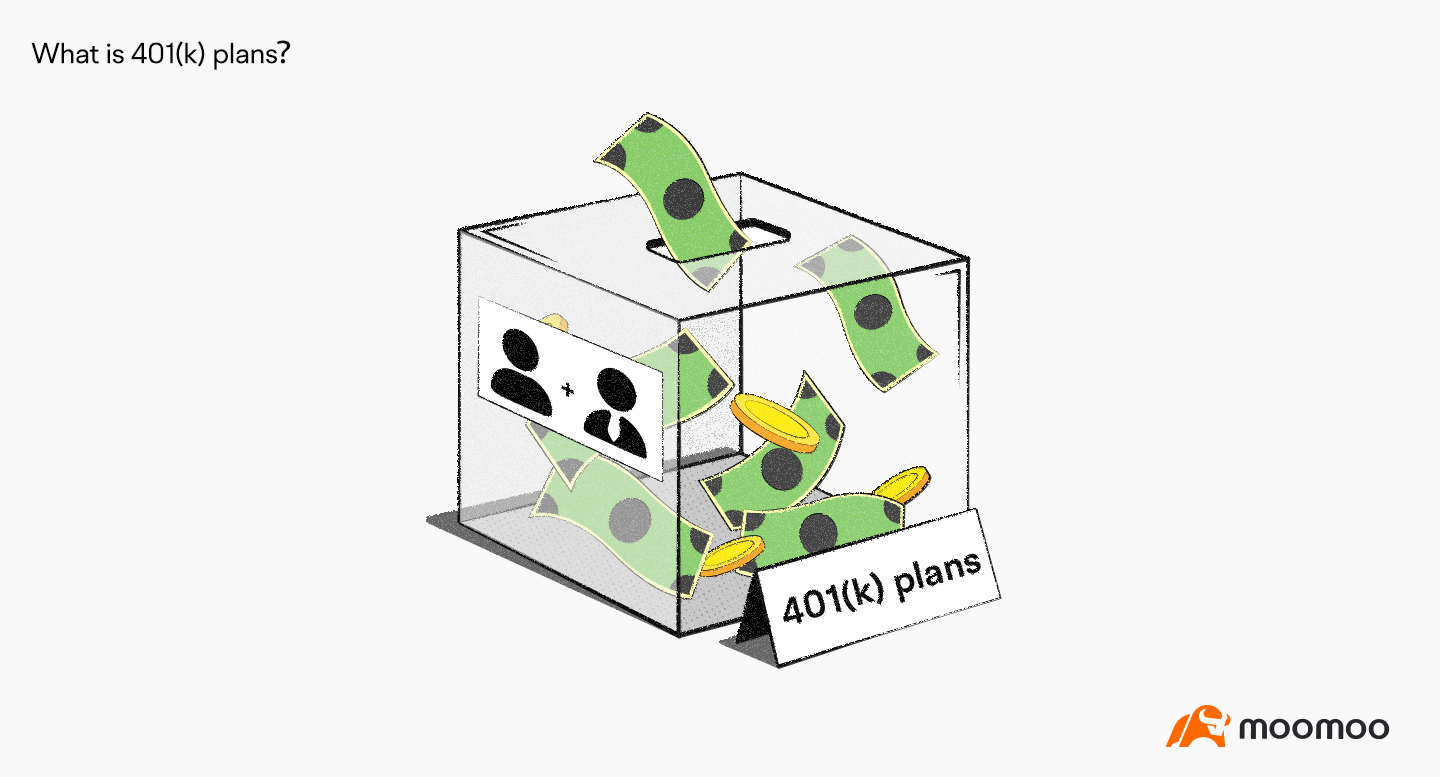
The first 401(k) plan, was created in the early 1980s in the United States. It is an employer sponsored retirement savings plan with contributions from employees and employers.
Employees who meet the employer's eligibility requirements can sign up for a 401(k) contribute a percentage of their paycheck to an investment account and their employers may match part or all of that contribution.
The money in the account then goes to investments that the employee chooses which are managed by financial institutions.
How 401(k) plans work
The money contributed can be invested into a wide range of investment alternatives, including stocks, mutual funds, annuities and bonds. Employees determine how their contributions are invested.
Not all employers match their employees' contributions. A company's financial position and management system may affect the contribution matched.
Pros and cons of a 401(k)
401(k) plans have some advantages over other retirement savings plans, including:
There are tax advantages to contributing to a 401(k). These will depend on they type of 401(k), traditional or Roth among other things. Please consult a tax advisor to find out more about how this might impact you.
Some employers allow employees to borrow funds from their 401(k), and participants can make a hardship withdrawal when needed.
But 401(k) has drawbacks, too.
Withdrawing funds from a 401(k) plan before a participant hits the retirement age can result in a hefty penalty and income tax.
Furthermore, participants have to choose from the investment products selected by their employers, and the plan can incur high management and other service fees.
This presentation is for informational and educational use only and is not a recommendation or endorsement of any particular investment or investment strategy. Investment information provided in this content is general in nature, strictly for illustrative purposes, and may not be appropriate for all investors. Read more
Recommend

What is the Equity Ratio?

What is a Stock Split?

What is a Golden Cross?

What is a 401(k)?
What is Net Worth?
What is Net Income?
What is Volume-Weighted Average Price (VWAP)?
What is Opportunity Cost?
What is the KDJ?
What is After-hour Trading?
What is a Delisting?
What is the OBV?
What is the Dead Cat Bounce?
What are Support and Resistance?
What is a block trade?
What is the PEG Ratio?
What is a Trailing Stop Limit Order?
What is Scalp Trading?
What is a Share Repurchase?
What is the rate of change?
What is Return on Equity (ROE)?
What is the Relative Strength Index (RSI)?
What are Bollinger Bands?
What is Free Cash Flow to Firm(FCFF)?
What is the Quick Ratio?
What is a Sunk Cost?
What is Momentum Trading?
What are the Safe-haven Assets?
What is Gross Margin?
What is Short Selling?
What is Book Value per Share (BVPS)?
What is the Risk/Reward Ratio?
What is Margin Trading?
What is Capitulation?
What is PE ratio?
What is the Short Squeeze?
What Is a Dividend?
What is Return on Assets (ROA)?
What is a SPAC?
What is the Current Ratio?
What is the Equity Ratio?
What is a Stock Split?
What is a Golden Cross?
What is a 401(k)?
What is Net Worth?
What is Net Income?
What is Volume-Weighted Average Price (VWAP)?
What is Opportunity Cost?
What is the KDJ?
What is After-hour Trading?
What is a Delisting?
What is the OBV?
What is the Dead Cat Bounce?
What are Support and Resistance?
What is a block trade?
What is the PEG Ratio?
What is a Trailing Stop Limit Order?
What is Scalp Trading?
What is a Share Repurchase?
What is the rate of change?
What is Return on Equity (ROE)?
What is the Relative Strength Index (RSI)?
What are Bollinger Bands?
What is Free Cash Flow to Firm(FCFF)?
What is the Quick Ratio?
What is a Sunk Cost?
What is Momentum Trading?
What are the Safe-haven Assets?
What is Gross Margin?
What is Short Selling?
What is Book Value per Share (BVPS)?
What is the Risk/Reward Ratio?
What is Margin Trading?
What is Capitulation?
What is PE ratio?
What is the Short Squeeze?
What Is a Dividend?
What is Return on Assets (ROA)?
What is a SPAC?
What is the Current Ratio?