What is Net Worth?
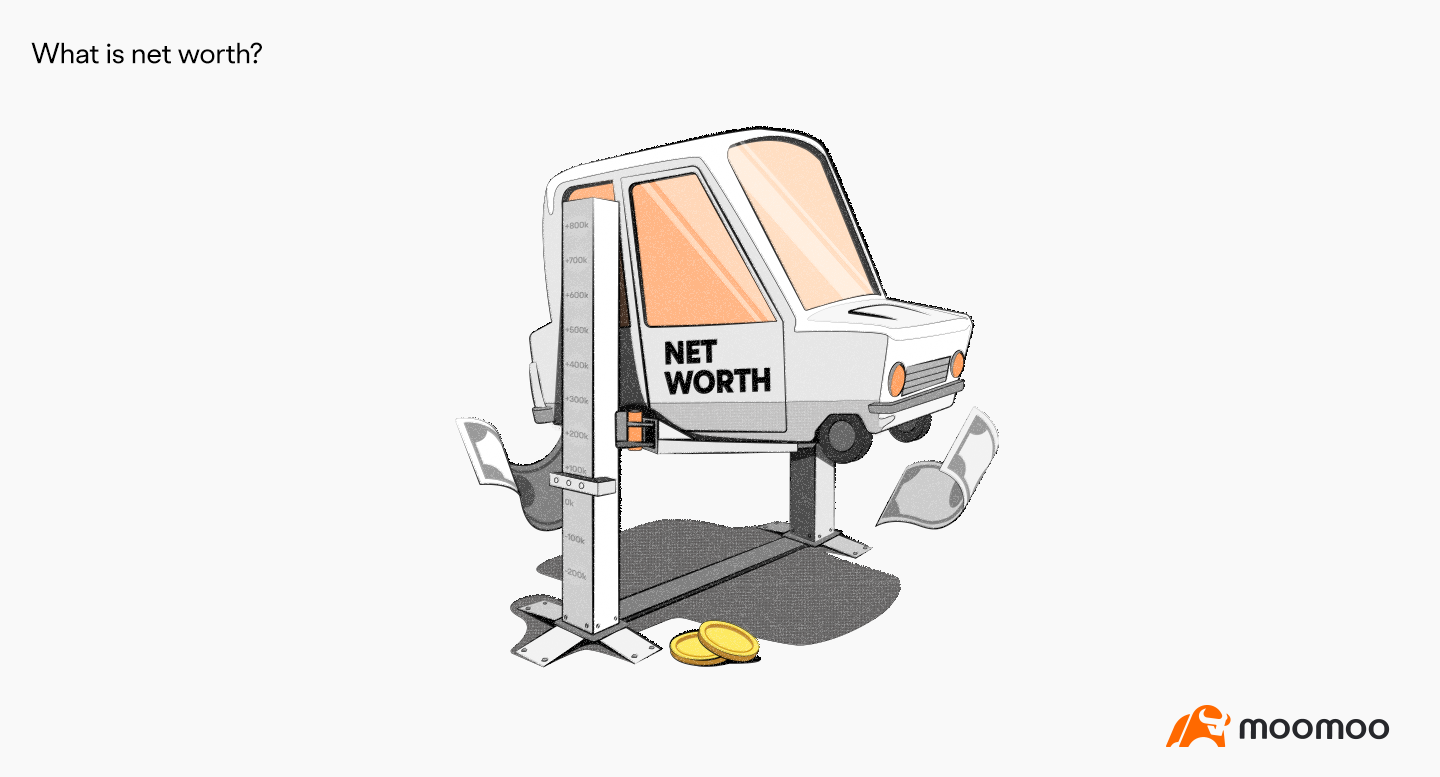
Key Takeaways
● Net worth is the true wealth of a business or individual.
● Net worth is the value of total assets minus total liabilities.
● Analyzing changes in the net worth of an investment target is necessary before investing.
Understanding
For an individual or a business, net worth is the value of all their assets minus all their liabilities, showing how much they own.
Net worth is an indicator of the financial position of an individual or business.
Calculation
Assets = Liabilities + Owner's Equity
Assets - Liabilities = Owner's Equity
Net worth is the value of a company or an individual's equity.
For example, Company A's assets include a factory building worth $1 million, a car worth $10,000, and 10 pieces of office equipment worth $1,000.
All of its liabilities are bank loans of $800,000.
Thus, Company A's net worth is $211,000.
Net worth can be either positive or negative.
If the total debts of a company or individual are more than the total assets, its net worth will be negative.
Summary
Net worth is a critical way of knowing a person's or company's true wealth. Looking only at the assets may be misleading.
Therefore, investors need to focus on the net worth of an investment target and gauge the future business performance with changes in its assets and liabilities.
This presentation is for informational and educational use only and is not a recommendation or endorsement of any particular investment or investment strategy. Investment information provided in this content is general in nature, strictly for illustrative purposes, and may not be appropriate for all investors. Read more
Recommend

What is the Equity Ratio?

What is a Stock Split?

What is a Golden Cross?

What is a 401(k)?
What is Net Worth?
What is Net Income?
What is Volume-Weighted Average Price (VWAP)?
What is Opportunity Cost?
What is the KDJ?
What is After-hour Trading?
What is a Delisting?
What is the OBV?
What is the Dead Cat Bounce?
What are Support and Resistance?
What is a block trade?
What is the PEG Ratio?
What is a Trailing Stop Limit Order?
What is Scalp Trading?
What is a Share Repurchase?
What is the rate of change?
What is Return on Equity (ROE)?
What is the Relative Strength Index (RSI)?
What are Bollinger Bands?
What is Free Cash Flow to Firm(FCFF)?
What is the Quick Ratio?
What is a Sunk Cost?
What is Momentum Trading?
What are the Safe-haven Assets?
What is Gross Margin?
What is Short Selling?
What is Book Value per Share (BVPS)?
What is the Risk/Reward Ratio?
What is Margin Trading?
What is Capitulation?
What is PE ratio?
What is the Short Squeeze?
What Is a Dividend?
What is Return on Assets (ROA)?
What is a SPAC?
What is the Current Ratio?
What is the Equity Ratio?
What is a Stock Split?
What is a Golden Cross?
What is a 401(k)?
What is Net Worth?
What is Net Income?
What is Volume-Weighted Average Price (VWAP)?
What is Opportunity Cost?
What is the KDJ?
What is After-hour Trading?
What is a Delisting?
What is the OBV?
What is the Dead Cat Bounce?
What are Support and Resistance?
What is a block trade?
What is the PEG Ratio?
What is a Trailing Stop Limit Order?
What is Scalp Trading?
What is a Share Repurchase?
What is the rate of change?
What is Return on Equity (ROE)?
What is the Relative Strength Index (RSI)?
What are Bollinger Bands?
What is Free Cash Flow to Firm(FCFF)?
What is the Quick Ratio?
What is a Sunk Cost?
What is Momentum Trading?
What are the Safe-haven Assets?
What is Gross Margin?
What is Short Selling?
What is Book Value per Share (BVPS)?
What is the Risk/Reward Ratio?
What is Margin Trading?
What is Capitulation?
What is PE ratio?
What is the Short Squeeze?
What Is a Dividend?
What is Return on Assets (ROA)?
What is a SPAC?
What is the Current Ratio?