What is Momentum Trading?
Key Takeaways
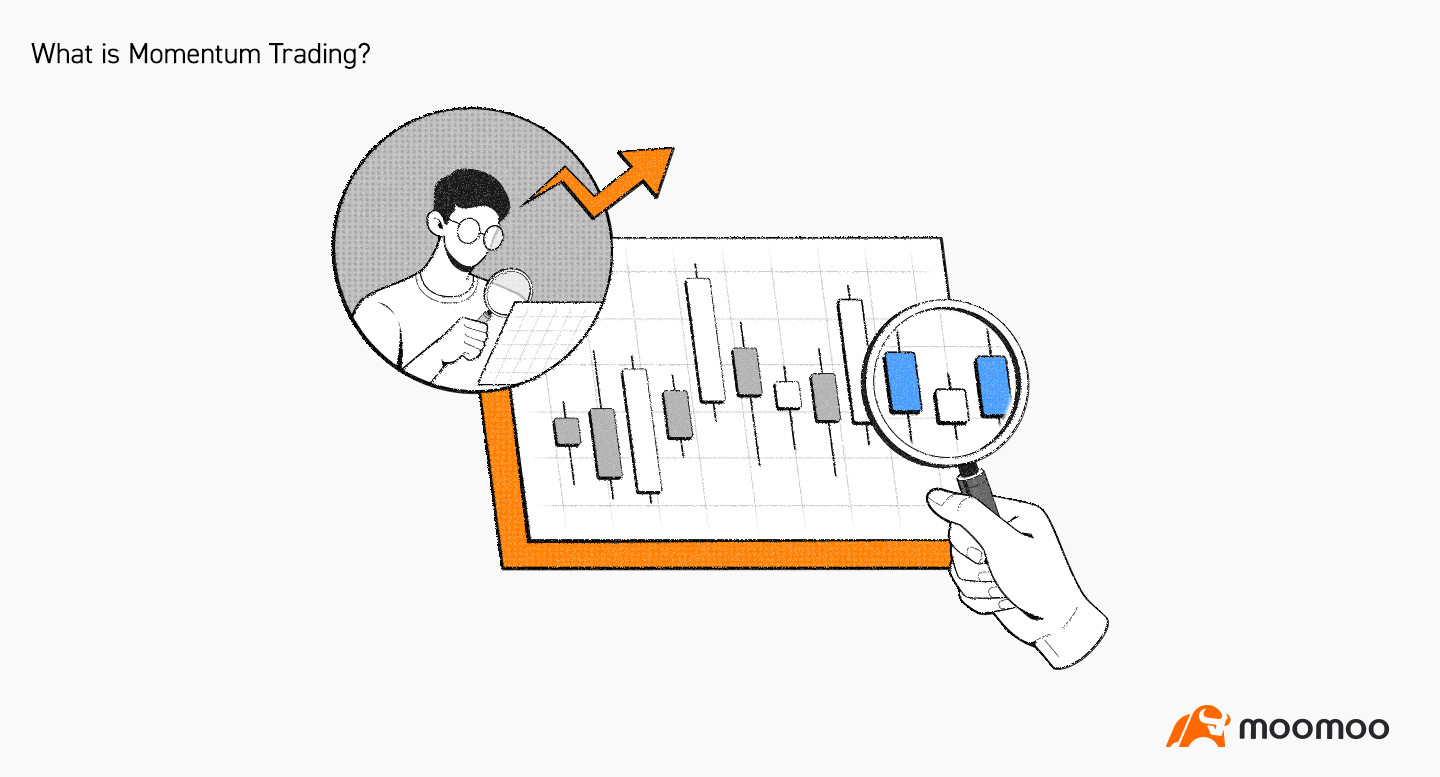
Momentum trading is based on the idea of "buying high and selling higher".
Momentum trading seeks to capitalize on the directional price trends of financial assets.
Momentum trading works better in a bull market, as investors tend to herd more.
Understanding momentum trading
Momentum trading is a strategy of buying and selling financial assets according to the recent strength of price trends.
Momentum traders seek to capitalize on the directional trends in a stock price, either upward or downward.
They open a position to take advantage of the expected price change and close the position when the trend starts losing its strength. For example, if a stock surges after reporting strong earnings, a momentum trader could acquire shares and ride the stock’s price upward.
In a word, momentum trading is all about trading with the trend.
Momentum trading is based on the idea that if there is enough force behind a price move, it will continue to move in the same direction.
When an asset reaches a higher price, it usually attracts more attention from investors, pushing the market price even higher. The price increase continues until a large number of sellers enter the market. Once enough sellers are in the market, the momentum changes direction and lowers an asset's price.
History of momentum trading
Researchers have identified persistent momentum trends in stock markets as far back as the Victorian Era (ca. the 1830s to 1900).
Richard Driehaus, often considered by many as the father of momentum trading, gained prominence by popularizing the strategy. He took the practice and made it into a strategy to run his funds. Driehaus believes more money could be earned by "buying high and selling higher" than by buying underpriced stocks and waiting for the market to re-evaluate them.
In the late 2000s, with the rapid development of computers and networking, computer-driven models made it possible for many more sub-variants of momentum trading to be deployed in the real markets.
Disadvantages of momentum trading
When appropriately executed, momentum trading could turn a high profit over a short period of time. However, like any other trading style, some risks come with momentum trading.
Momentum trading is highly time-sensitive. Traders must keep monitoring the market regularly as the price can fluctuate quite a few times a day. If the entry position is taken too late, the investment might turn out to be a loss.
Momentum trading is more suitable for a bull market where herding behaviors and price bubbles are quite common. However, in a volatile bear market, investors should be cautious, which results in a shrinking margin for profit on momentum investing.
This presentation is for informational and educational use only and is not a recommendation or endorsement of any particular investment or investment strategy. Investment information provided in this content is general in nature, strictly for illustrative purposes, and may not be appropriate for all investors. Read more
Recommend

What is the Equity Ratio?

What is a Stock Split?

What is a Golden Cross?

What is a 401(k)?
What is Net Worth?
What is Net Income?
What is Volume-Weighted Average Price (VWAP)?
What is Opportunity Cost?
What is the KDJ?
What is After-hour Trading?
What is a Delisting?
What is the OBV?
What is the Dead Cat Bounce?
What are Support and Resistance?
What is a block trade?
What is the PEG Ratio?
What is a Trailing Stop Limit Order?
What is Scalp Trading?
What is a Share Repurchase?
What is the rate of change?
What is Return on Equity (ROE)?
What is the Relative Strength Index (RSI)?
What are Bollinger Bands?
What is Free Cash Flow to Firm(FCFF)?
What is the Quick Ratio?
What is a Sunk Cost?
What is Momentum Trading?
What are the Safe-haven Assets?
What is Gross Margin?
What is Short Selling?
What is Book Value per Share (BVPS)?
What is the Risk/Reward Ratio?
What is Margin Trading?
What is Capitulation?
What is PE ratio?
What is the Short Squeeze?
What Is a Dividend?
What is Return on Assets (ROA)?
What is a SPAC?
What is the Current Ratio?
What is the Equity Ratio?
What is a Stock Split?
What is a Golden Cross?
What is a 401(k)?
What is Net Worth?
What is Net Income?
What is Volume-Weighted Average Price (VWAP)?
What is Opportunity Cost?
What is the KDJ?
What is After-hour Trading?
What is a Delisting?
What is the OBV?
What is the Dead Cat Bounce?
What are Support and Resistance?
What is a block trade?
What is the PEG Ratio?
What is a Trailing Stop Limit Order?
What is Scalp Trading?
What is a Share Repurchase?
What is the rate of change?
What is Return on Equity (ROE)?
What is the Relative Strength Index (RSI)?
What are Bollinger Bands?
What is Free Cash Flow to Firm(FCFF)?
What is the Quick Ratio?
What is a Sunk Cost?
What is Momentum Trading?
What are the Safe-haven Assets?
What is Gross Margin?
What is Short Selling?
What is Book Value per Share (BVPS)?
What is the Risk/Reward Ratio?
What is Margin Trading?
What is Capitulation?
What is PE ratio?
What is the Short Squeeze?
What Is a Dividend?
What is Return on Assets (ROA)?
What is a SPAC?
What is the Current Ratio?