Why we can expect rising interest rates – and a rising sharemarket
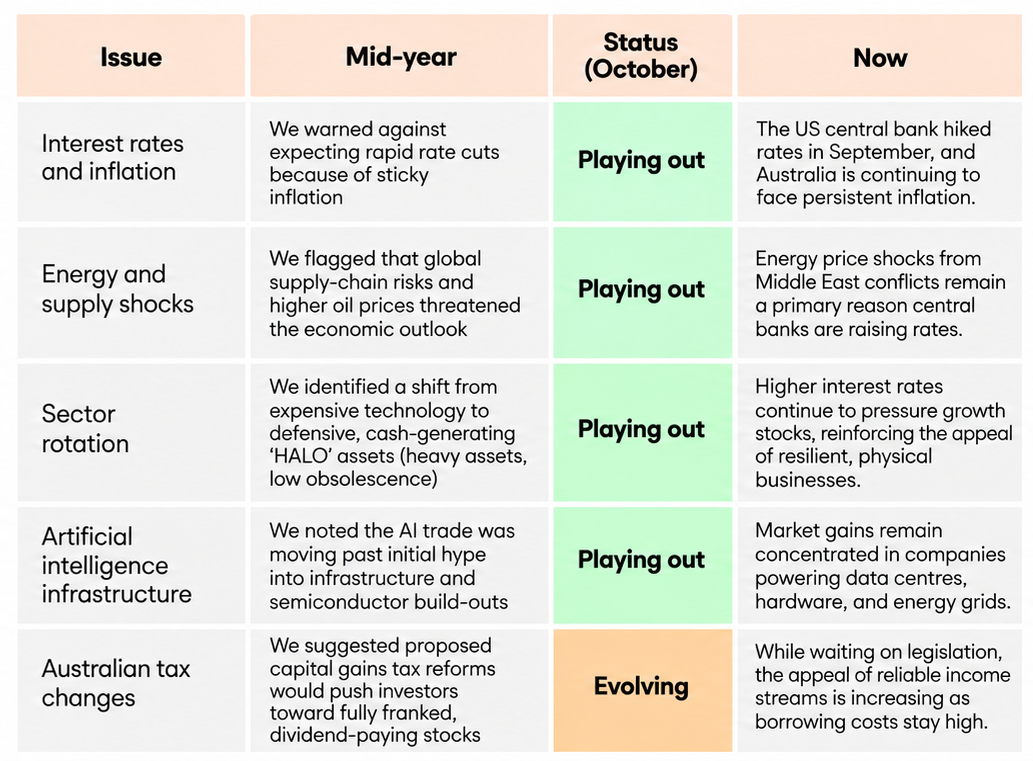
While rising interest rates often trigger market anxiety, they are quietly creating distinct trading opportunities across the Australian and US sharemarkets.
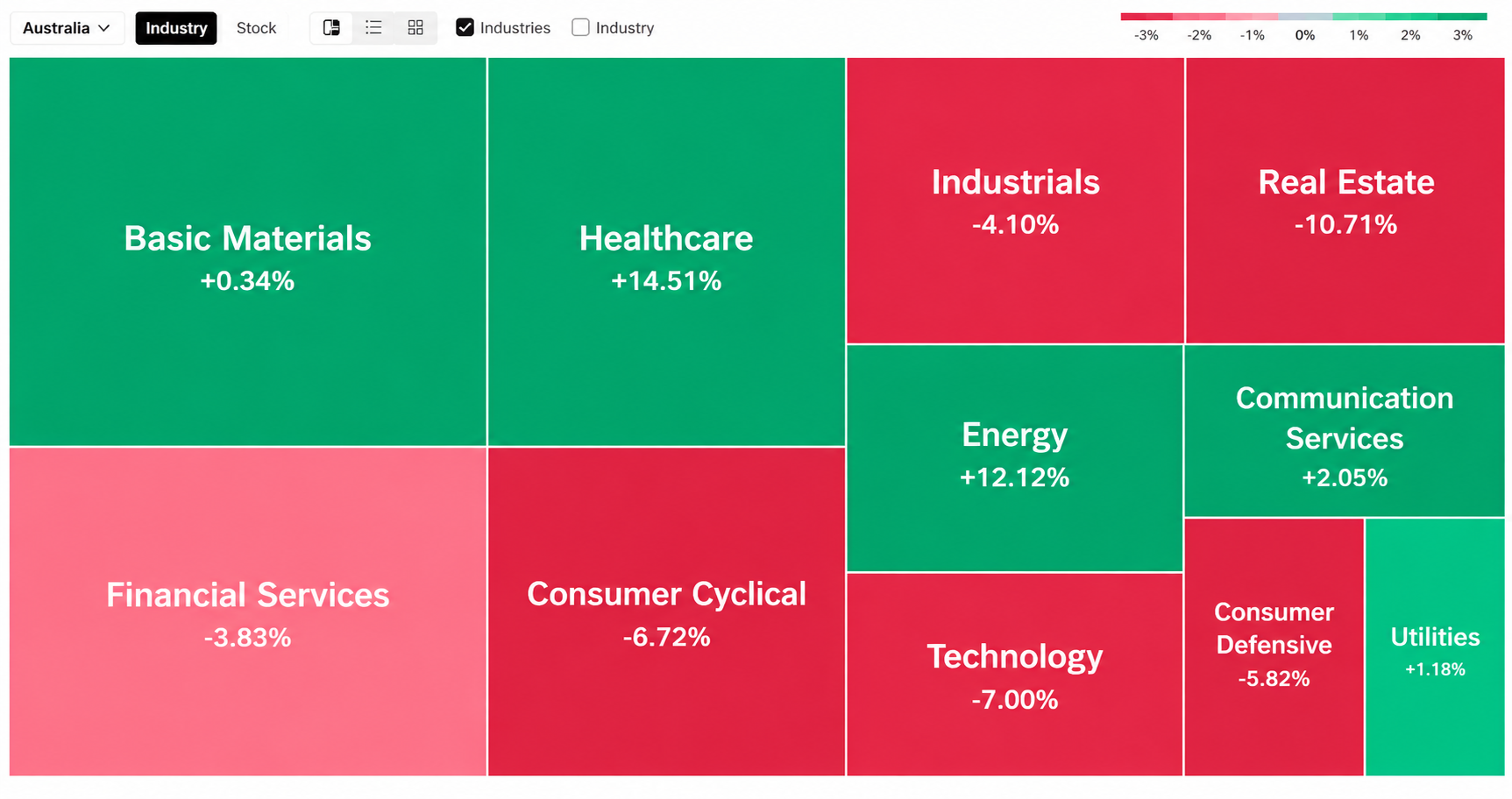
Central banks in Australia, Europe and the US are now in a rate-hiking cycle to combat stubborn inflation, placing immense pressure on sharemarket sectors that rely heavily on cheap debt, such as real estate and consumer stocks. At the same time there’s upside in resilient areas of the market, with basic materials, healthcare, and technology continuing to outperform.
It's logical to think of this rate cycle as a temporary emergency measure, but that mindset could restrict your portfolio. I don’t consider rising rates to be temporary, rather a fundamental, structural shift to a higher baseline to manage intense global economic competition. In this new reality, you don't need to worry so much that sharemarkets will automatically suffer – nor do you need to wait anxiously for rates to come down before making your next move.
This should not come as a surprise to those who read our mid-year outlook. We warned against expecting a rapid series of rate cuts, noting that sticky inflation in the services sector and volatile energy prices would limit central banks' flexibility. We also cautioned investors against relying on strategies that only work when interest rates fall.
If you did bet heavily on rate cuts, your investments would have underperformed. In the Australian sharemarket over the past three months we saw dramatic underperformance in real estate (down 10.7%) and consumer cyclicals (down 9.7%). Meanwhile, basic materials (up 5.3%) and healthcare (up 14.5%) outperformed.
The US sharemarket tells a similar story, with real estate down 4.2%, while technology and consumer services continued to climb.
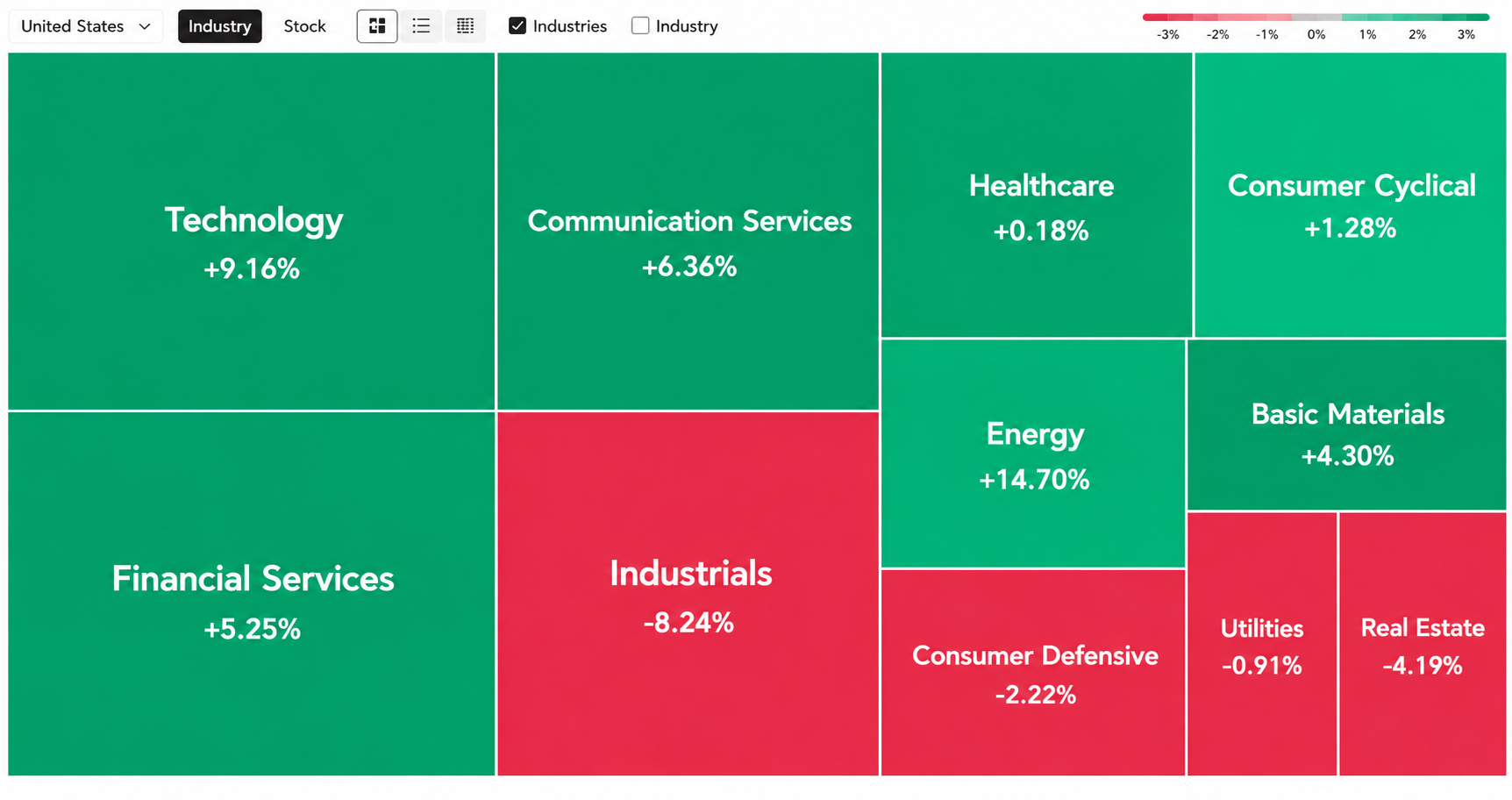
Source: moomoo
Rates must rise in era of intense competition
Central banks are playing catch up to a macroeconomic environment that looks vastly different to the pre-pandemic era.
Four massive structural shifts are competing for global capital: artificial intelligence, manufacturing moving back onshore, the energy transition, and defence spending. At the same time, geopolitical fragmentation is forcing supply chains to prioritise self-reliance over efficiency, particularly in critical minerals. Add in an ageing population that is tightening the labour market and demanding more public spending, and the result are economies where resources are stretched thin.
In this environment, the neutral rate – the interest rate that balances economic growth with inflation – naturally moves higher. And central banks must raise their own rates just to keep pace.
Reaching this higher baseline is not inherently bad news for equities. The same forces driving interest rates up, such as heavy investment in AI and improving productivity, are also pushing corporate earnings expectations higher.
The primary unknown is how high rates must go to return inflation to target. Oil sitting at US$100 a barrel and diesel at US$6.50 a gallon threatens the inflation outlook. In Australia, government spending and sluggish productivity are already sustaining above-target inflation, placing central bank credibility under pressure.
Markets are currently pricing in two more rate hikes in Australia, which would bring the cash rate to 5.00%. In the US, markets expect three more hikes, lifting the federal funds rate to between 4.50% and 4.75%. By historical standards this is only mildly restrictive, and isn’t likely to weigh heavily on the broader sharemarket.
The real risk is a sudden shock, such as a severe spike in oil prices, which could force central banks into a much more aggressive tightening cycle. While inflation expectations remain relatively anchored for now, it is a risk investors need to monitor through bond-market forecasts and consumer sentiment data.
How to invest? Learnings from past cycles
History shows us that equities can perform well during gradual rate rises. Four months into mild tightening cycles in the US across 1997, 1999, 2004, 2015 and 2016, the S&P 500 increased between 3% and 18%. During these periods, technology, communication services and consumer discretionary stocks outperformed, while financials and utilities lagged.
However, in an aggressive cycle where rates jump by more than 0.25% at a time, the US sharemarket tends to waver. Under that kind of pressure, similar to what we saw in 1994 and 2022, the S&P 500 historically falls around 6% over four months. In these tougher environments, energy and utilities outperform, while financials, real estate and communication services suffer.
Staying invested with a diversified portfolio remains the most sensible approach. You may also consider an underweight position in financials and real estate until there is clarity on exactly how high rates will go. Once that peak becomes clear, those sectors typically rally.
One last thought – when looking for individual stocks in a rising rate environment, use Stock screener on the moomoo app to filter for businesses with positive free cash flow. While a mild tightening cycle is unlikely to derail the sharemarket, certain companies are much better equipped to handle the pressure than others.
Tapas Strickland is chief market strategist at Moomoo Australia and Zealand
This presentation is for informational and educational use only and is not a recommendation or endorsement of any particular investment or investment strategy. Investment information provided in this content is general in nature, strictly for illustrative purposes, and may not be appropriate for all investors. Read more