What are Options Contracts: A Beginner's Guide
Options contracts are a cornerstone of financial markets, offering a versatile tool for both speculation and risk management. These agreements grant investors the right, but not the obligation, to buy or sell an underlying asset at a predetermined price, known as the strike price, before a specified expiration date.
As derivative products, options contracts are popular for their ability to leverage market movements without the need for direct ownership of the asset in question. This feature makes them an attractive proposition for traders looking to capitalise on market volatility or protect their portfolios against adverse price shifts.
What are options contracts?
An options contract is a specific financial agreement that meticulously outlines the terms and conditions of the option, including the underlying asset, strike price, expiration date, exercise style (European or American), and contract size. Each options contract is standardised, formulated by the exchange, and traded on the exchange. These contracts are financial derivatives that give the buyer the right, but not the obligation, to buy or sell an underlying asset at a specified price on or before a certain date. They are popular tools for hedging, speculating, and gaining exposure to different markets without actually owning the underlying asset.
Components of an options contract
Underlying asset: This is the security or financial instrument that the option is based on. It can be stocks, indices, commodities, currencies, or even other derivatives.
Strike Price (Exercise Price): The predetermined price at which the option can be exercised. For a call option, this is the price at which the holder can buy the underlying asset. For a put option, it's the price at which the holder can sell.
Expiry Date (Expiration): The date on which the option contract expires and is no longer valid. After this date, the option becomes worthless if it has not been exercised.
Option Premium: This is the amount that the buyer of an option pays to the seller. It is the cost incurred for acquiring the option and is determined by various factors including the price of the underlying asset, the remaining time until the option's expiration, the volatility of the asset, and prevailing interest rates.
Types of Options: Options are primarily categorised into two classes - calls and puts. A call option grants the holder the right, but not the obligation, to purchase the underlying asset at a specified price within a certain timeframe. Conversely, a put option grants the holder the right to sell the underlying asset at the specified price during the option's validity period.
Style: Options can be either American-style, which can be exercised at any time before expiration, or European-style, which can only be exercised at expiration.
How do options contracts work?
When an investor buys an option, they are essentially purchasing the right to make a decision. If the market conditions are favorable, they can exercise the option and profit from the transaction. If not, they can let the option expire, losing only the premium paid. On the other hand, the seller of the option has the obligation to fulfill the terms of the contract if the buyer decides to exercise it. The seller receives the premium as compensation for this risk.
Options contracts are versatile and can be used in a variety of strategies to profit from market movements or to hedge against potential losses in other investments.
Risks and rewards of options contracts
Options contracts offer a unique set of risks and rewards that traders must carefully consider. These financial derivatives provide the flexibility to speculate on market movements or hedge against potential losses, but they also come with significant risks.
Rewards of options contracts
Leverage and limited downside for buyers: One of the primary rewards of options trading is the leverage it offers. Buyers can control a larger position with a smaller investment, allowing for significant profit potential if the market moves in their favor. Moreover, the risk for buyers is limited to the premium paid, which means they cannot lose more than the initial investment in the option contract.
Flexibility and strategic opportunities: Options provide traders with a range of strategies to align with their market outlook, whether bullish, bearish, or neutral. They can be used for hedging, income generation, or speculation, offering a high degree of specificity and flexibility in investment strategies.
Hedging potential: Options can serve as a hedge against portfolio losses, protecting investors from downside risk on stocks they own. Put options are especially beneficial as they enable investors to capitalise on falling stock prices without engaging in short selling, a strategy that can entail additional risks and expenses.
Risks of options contracts
Unlimited loss potential for sellers: While option buyers face limited risk, sellers, or writers, face potentially unlimited losses. If the market moves against their position, sellers can incur significant losses, especially with call options where the stock price could rise indefinitely.
Time decay: Options are time-sensitive instruments. As the expiration date approaches, the value of options erodes, a phenomenon known as time decay. This can result in losses if the stock's price doesn't move favorably before expiration.
Complexity and requirement for expertise: Options trading involves complex strategies and requires a deep understanding of market dynamics and option pricing factors. This complexity can be a barrier for new traders and poses a risk if not managed properly.
Margin requirements and trading costs: Options trading can involve margin requirements that may increase trading costs. Additionally, predicting short-term price movements accurately is challenging, which can lead to losses.
In summary, while options contracts offer significant potential rewards, including leverage, flexibility, and hedging capabilities, they also come with inherent risks such as unlimited loss potential for sellers, time decay, and complexity. Traders must weigh these risks and rewards carefully and develop a thorough understanding of options trading strategies to succeed in this market.
Two types of options contracts
Options contracts are categorised into two primary types: call options and put options, each serving distinct purposes in an investor's strategy.
Call options
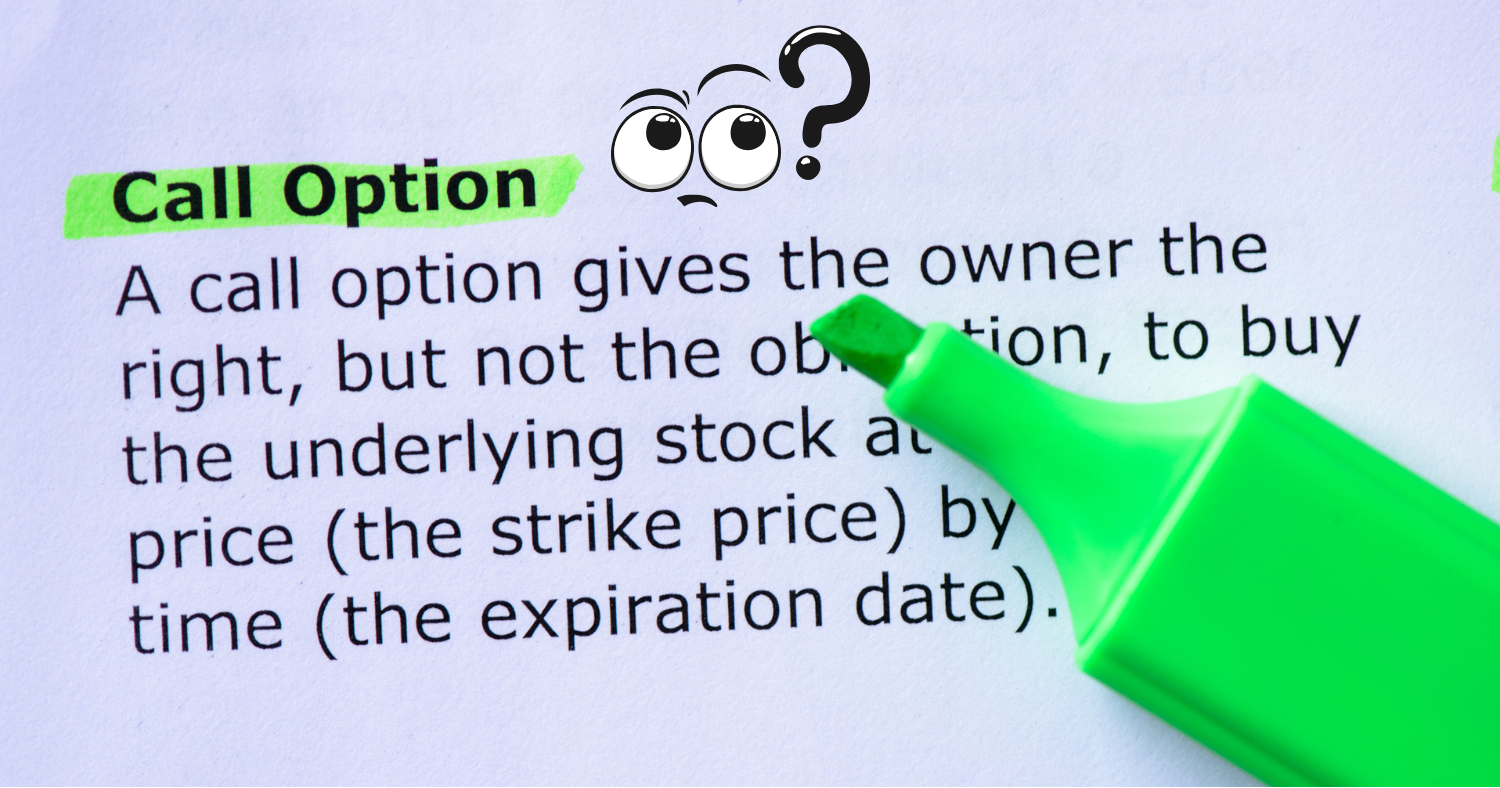
A call option is a contract that grants the holder the right, but not the obligation, to buy an underlying asset at a specified strike price within a certain time frame or on the expiration date. Investors typically purchase call options when they are bullish on the underlying asset, anticipating that its price will rise above the strike price before the option expires. If the market price of the asset does indeed exceed the strike price, the holder can exercise the option to buy the asset at the lower strike price, potentially realising a profit. However, if the asset's market price remains below the strike price, the call option will expire worthless, and the investor loses only the premium paid for the option.
Put options
Conversely, a put option gives the holder the right, but not the obligation, to sell an underlying asset at the strike price before or on the expiration date. Investors purchase put options when they anticipate a decrease in the value of an asset. If the asset's market value falls below the predetermined strike price, the holder of the put option has the opportunity to execute the option, effectively selling the asset at the higher strike price and thus benefiting from the price drop. Conversely, should the market value of the asset stay above the strike price, the put option will lapse without value, with the investor's sole loss being the premium initially paid for the option.
Both call and put options can be used for speculation, hedging, or generating income. They offer leverage, as the premium paid for the option represents a fraction of the cost of the underlying asset, allowing investors to control a larger position with a smaller investment. However, it's important to note that while the buyer's risk is limited to the premium paid, the seller (or writer) of the options faces potentially unlimited losses if the market moves against their position.
Advantages and disadvantages of call and put options contracts
Investing in options contracts, whether through call or put options, comes with a distinct set of advantages and disadvantages that investors must consider when formulating their trading strategies.
In summary, both call and put options offer leverage and limited risk for buyers, along with significant upside potential in the right market conditions. However, they also come with the disadvantages of time decay and unlimited risk for sellers. Understanding these advantages and disadvantages is crucial for investors looking to incorporate options into their investment strategies.
How to start options trading as a beginner?
Starting options trading as a beginner can be an intimidating prospect, but with the right guidance and tools, it can be a manageable and rewarding experience. Here’s a step-by-step guide on how to get started with options trading using Moomoo as an example platform.
1. Create a brokerage account: Begin by signing up for an account on the moomoo platform. You'll need to provide some personal information and complete the registration process.
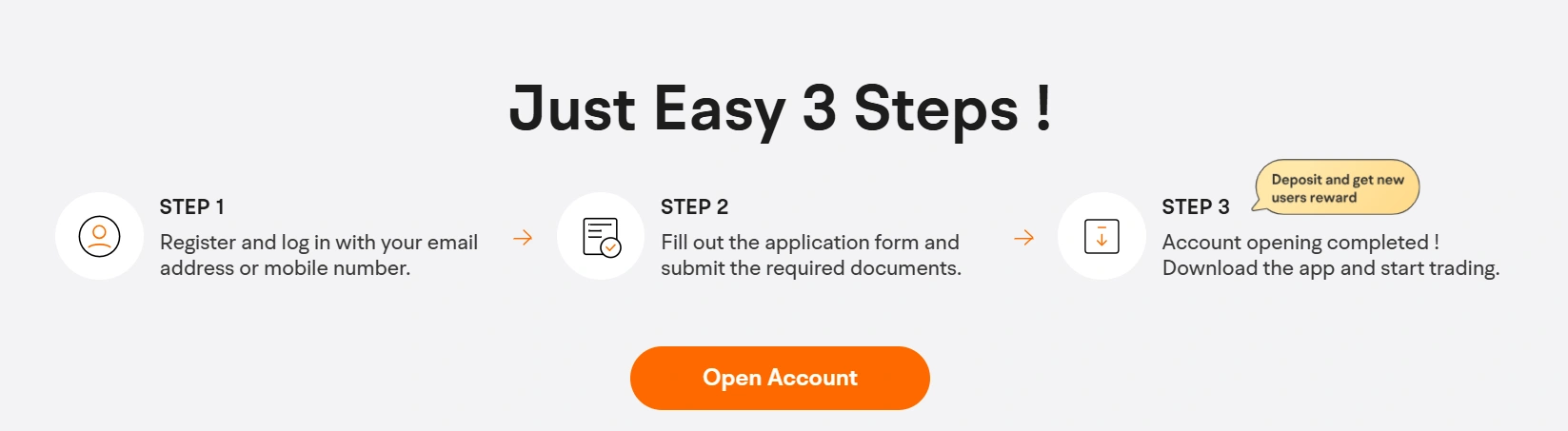
2. Fund your account: Once your account is set up, transfer funds from your bank to your moomoo brokerage account. This will be the capital you use to start trading options.
3. Educate yourself: Before diving into options trading, it's crucial to understand the basics. Utilise moomoo's educational resources to learn about options, including call and put options, strike prices, and expiration dates.
4. Pass the options trading exam: To trade options, you'll likely need to pass a test that assesses your knowledge of options trading. Moomoo can provide study materials to help you prepare using their free courses.
5. Start trading options safely: To transition into live trading with confidence, consider first using a practice account on moomoo. This will allow you to simulate trades without risking real money, while you familiarise yourself with real-time data, advanced charting tools, and various order types that moomoo offers to execute trades effectively. Once you are comfortable with your practice trades, you can then proceed to start trading options with real capital.
6. Monitor your trades: Keep a close eye on your options trades. Use moomoo's monitoring tools to track your positions and make adjustments as necessary.
7. Stay informed: Regularly review market news and updates that could affect your options' trades. Moomoo may offer news feeds and alerts to keep you informed.
By following these steps and utilising the resources provided by moomoo, beginners can confidently enter the world of options trading.

Options contracts summed up
Options contracts are agreements that let investors bet on the future price movement of an asset without owning it. Here's a brief overview:
What they are: Standardised deals that specify the terms for buying or selling an asset.
Types: Call options (right to buy) and put options (right to sell).
Uses: For making investment bets or protecting against losses in other investments.
Risks: High potential returns, but also high risks, especially for those selling options.
Premium: The price to buy an option, affected by the asset's price, time to expiry, and volatility.
Styles: American (can be exercised any time) and European (can only be exercised at expiry).
Benefits: Allows market exposure without buying the asset, useful for managing risk.
In short, options contracts are complex but can be valuable if you understand how to use them right.
*Disclaimer: Options trading entails significant risk and is not appropriate for all customers. It is important that investors read Characteristics and Risks of Standardized Options before engaging in any options trading strategies. Opening new options positions close to or on their expiration date comes with substantial risk of losses for reasons that include potential volatility of the underlying security and limited time to expiration. Options transactions are often complex and may involve the potential of losing the entire investment in a relatively short period of time. Certain complex options strategies carry additional risk, including the potential for losses that may exceed the original investment amount. Supporting documentation for any claims, if applicable, will be furnished upon request. Options trading subject to eligibility requirements. Strategies available will depend on options level approved.
This presentation is for informational and educational use only and is not a recommendation or endorsement of any particular investment or investment strategy. Investment information provided in this content is general in nature, strictly for illustrative purposes, and may not be appropriate for all investors. It is provided without respect to individual investors’ financial sophistication, financial situation, investment objectives, investing time horizon, or risk tolerance. You should consider the appropriateness of this information having regard to your relevant personal circumstances before making any investment decisions. Past investment performance does not indicate or guarantee future success. Returns will vary, and all investments carry risks, including loss of principal. moomoo makes no representation or warranty as to its adequacy, completeness, accuracy or timeliness for any particular purpose of the above content.
This presentation is for informational and educational use only and is not a recommendation or endorsement of any particular investment or investment strategy. Investment information provided in this content is general in nature, strictly for illustrative purposes, and may not be appropriate for all investors. Read more